Nayara Elvina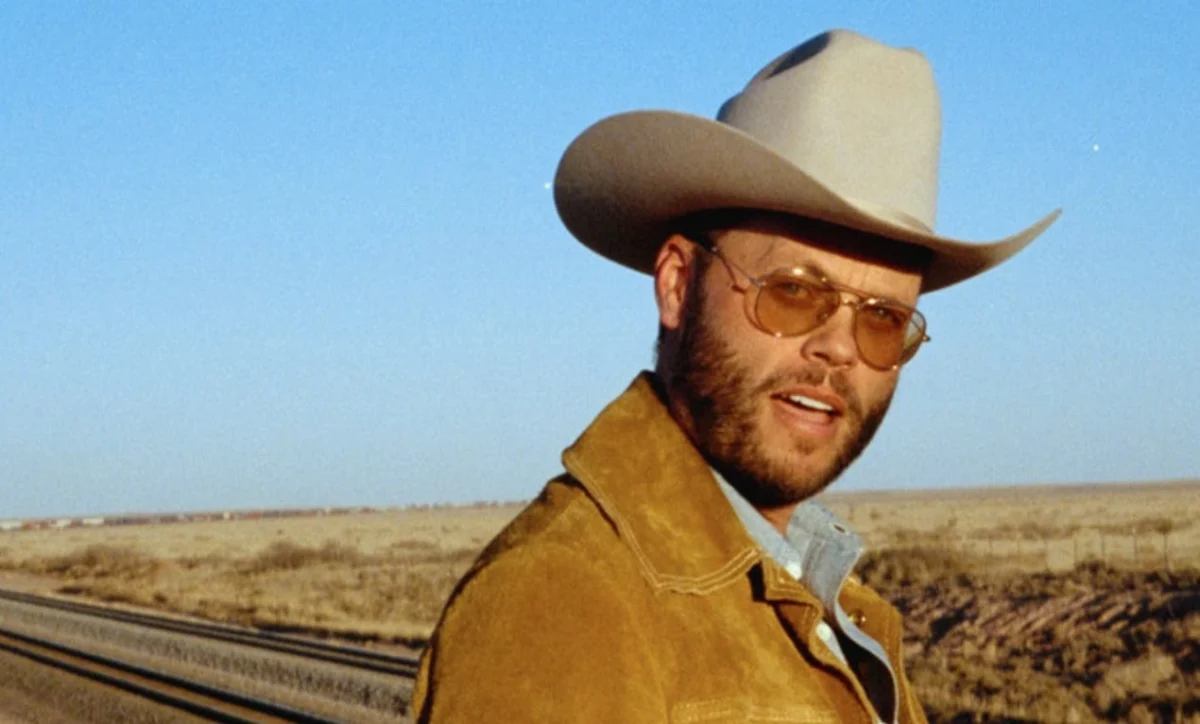
The second night of the Music City Rodeo at Nashville’s Bridgestone Arena delivered a high-stakes blend of professional athleticism and traditional country music, reinforcing the event’s standing as the largest rodeo production east of the Mississippi River. Sanctioned by the Professional Rodeo Cowboys Association (PRCA), the three-day competition has drawn the world’s elite cowboys and cowgirls to the heart of Tennessee’s capital, effectively merging the "Music City" brand with the burgeoning national interest in Western lifestyle and professional rodeo. The event serves as a critical stop on the PRCA’s Southeastern Circuit, providing athletes with essential points toward the world standings and the ultimate goal of qualifying for the National Finals Rodeo (NFR) in Las Vegas.
Elite Athletic Performance and Competitive Highlights
The competition on the second evening featured a roster of athletes that included several multi-time world champions, illustrating the prestige the Nashville event has quickly garnered within the professional circuit. Among the notable participants were Stetson Wright, a dominant force in both saddle bronc and bull riding, alongside Kade Bruno and Hailey Kinsel, the latter a standout in the barrel racing category. The presence of such high-caliber talent underscores the PRCA’s commitment to expanding the sport’s footprint in urban markets that have traditionally been dominated by other professional sports.
One of the night’s most significant athletic achievements occurred during the steer wrestling portion of the program. Chase Crane executed a nearly flawless run, bringing his steer to the dirt in a remarkable 4.1 seconds. In a sport where hundredths of a second often separate the podium finishers from the rest of the field, Crane’s performance stood out as a testament to the precision and physical demand of the "bulldogging" event. His celebration following the run resonated with a capacity crowd, signaling a growing local appreciation for the technical nuances of rodeo events.
The evening’s program followed a traditional rodeo format, featuring a diverse slate of events designed to showcase different facets of ranch-inspired skill. These included:
- Bareback Riding: A test of core strength and balance where riders must stay aboard a bucking horse using only a single-handhold rigging.
- Steer Wrestling: A timed event requiring a rider to leap from a moving horse to wrestle a steer to the ground.
- Mutton Busting: A fan-favorite developmental event where young children attempt to ride sheep, serving as an entry point for the next generation of rodeo enthusiasts.
- Team Roping and Tie-Down Roping: Precision events that highlight the historical necessity of cattle handling on the open range.
- Saddle Bronc Riding: Often considered the "classic" event of rodeo, emphasizing rhythm and style.
- Bull Riding: The high-adrenaline finale that remains the most dangerous and popular segment of the professional circuit.
Strategic Significance: The 2026 Cinch Playoff Series Designation
A major development announced during the festivities involves the future of the Music City Rodeo. Starting in 2026, the event has been designated as an official Cinch Playoff Series Rodeo. This designation is a pivotal shift in the event’s status, as the Cinch Playoff Series represents the highest tier of PRCA competition outside of the NFR itself.
By becoming part of this series, the Nashville event will offer significantly higher prize purses, which in turn guarantees the attendance of the top 30 riders in every discipline. For the city of Nashville, this elevates the Music City Rodeo from a regional highlight to a national cornerstone of the professional rodeo calendar. Industry analysts suggest that this move is a strategic attempt by the PRCA to capitalize on the "Nashville Effect"—the city’s unique ability to market Western-adjacent culture to a massive, affluent, and growing population.
Charley Crockett and the Cultural Intersection of Music and Rodeo
Following the conclusion of the athletic competitions, the dirt floor of Bridgestone Arena—which had been meticulously prepared to support the weight and movement of livestock—was repurposed for a performance by country music artist Charley Crockett. Known as the "Son of Davy," Crockett has become a central figure in the revival of traditionalist country and Western music, making him a fitting choice for an event that celebrates heritage.
Crockett’s set was characterized by his signature blend of blues, honky-tonk, and classic country. During the performance, he took a moment to address the crowd regarding the recent "disappearance" of his latest album, Clovis. The project had been surprise-released on streaming platforms only to be removed shortly thereafter, leading to widespread speculation among his fanbase. Crockett offered a concise update, promising that the record would return to public availability "in two shakes of a lamb’s tail," a colloquialism indicating a very short timeframe.
The singer also expressed his personal affinity for the rodeo, stating, "I’m really happy to see rodeo culture taking over here in the great state of Tennessee. I think it’s on the rise all over America and I, for one, am really glad to see that." Crockett’s performance reached a crescendo with his rendition of "Jamestown Ferry," a classic originally made famous by Tanya Tucker, which served to bridge the gap between the modern arena setting and the historical roots of the genre.
The Symbiotic Relationship Between Country Music and Western Sports
The success of the Music City Rodeo highlights a broader trend: the increasing convergence of country music stardom and professional rodeo. In interviews conducted earlier in the year, rodeo stars Kade Bruno and Rocker Steiner discussed why Nashville serves as the perfect "crossroads" for these two industries.
Steiner, a standout in bareback riding who comes from a legendary rodeo family, noted that the two worlds share the same "thread" of American identity. "For the last however many decades, country music has been written about rodeoing," Steiner observed, citing classics like George Strait’s "Amarillo By Morning" and "I Can Still Make Cheyenne," as well as Aaron Watson’s "July in Cheyenne." According to Steiner, the lifestyles of the traveling musician and the traveling cowboy are nearly identical, characterized by long stretches on the road, high-pressure performances, and a reliance on a dedicated, grassroots fanbase.
Kade Bruno echoed these sentiments, pointing out the demographic overlap between the two audiences. "90% of our fans are also country music fans, and vice-versa," Bruno stated. This synergy is a primary reason why the PRCA has prioritized Nashville as a flagship location. The ability to offer a "double-header" of world-class sport and top-tier musical entertainment provides a value proposition that few other touring events can match.
Logistics and Economic Impact
Transforming an NHL hockey arena into a functional rodeo venue is a massive logistical undertaking. Over the course of 48 hours leading up to the event, hundreds of tons of specialized dirt were trucked into downtown Nashville to cover the arena floor. This "rodeo dirt" is a specific mixture of clay and sand designed to provide enough grip for horses to turn at high speeds while being soft enough to cushion the falls of riders and livestock.
The economic impact of the Music City Rodeo extends beyond ticket sales. With thousands of visitors traveling from across the Southeast, the event provides a significant boost to Nashville’s hospitality sector, particularly the bars and restaurants lining Broadway. The presence of the rodeo also fuels the "Western wear" economy; local retailers have reported surges in the sale of boots, hats, and denim during the week of the competition, reflecting a broader cultural shift where Western aesthetics are increasingly integrated into mainstream fashion.
Looking Ahead: The Grand Finale
The Music City Rodeo concludes its three-day run tonight, with country star Jon Pardi scheduled to headline the final musical performance. Pardi, a traditionalist who often incorporates Western themes into his work, is expected to draw a sell-out crowd.
As the competition enters its final phase, the stakes for the athletes remain high. With the 2026 upgrade to a Cinch Playoff Series Rodeo already on the horizon, the current participants are not just competing for this year’s title, but are helping to establish the foundation for what is becoming a premier fixture in the American sporting landscape. The success of the second night suggests that Nashville has not only embraced the rodeo but has successfully integrated it into the city’s identity as a global capital of entertainment.

![Sijya announces Leather and Brass [Retrofitted] EP, shares Do I Know [Rachika Nayar Edit]: Listen](https://empire-music.net/wp-content/uploads/2026/09/sijya-announces-leather-and-brass-retrofitted-ep-shares-do-i-know-rachika-nayar-edit-listen.webp)