Kholidah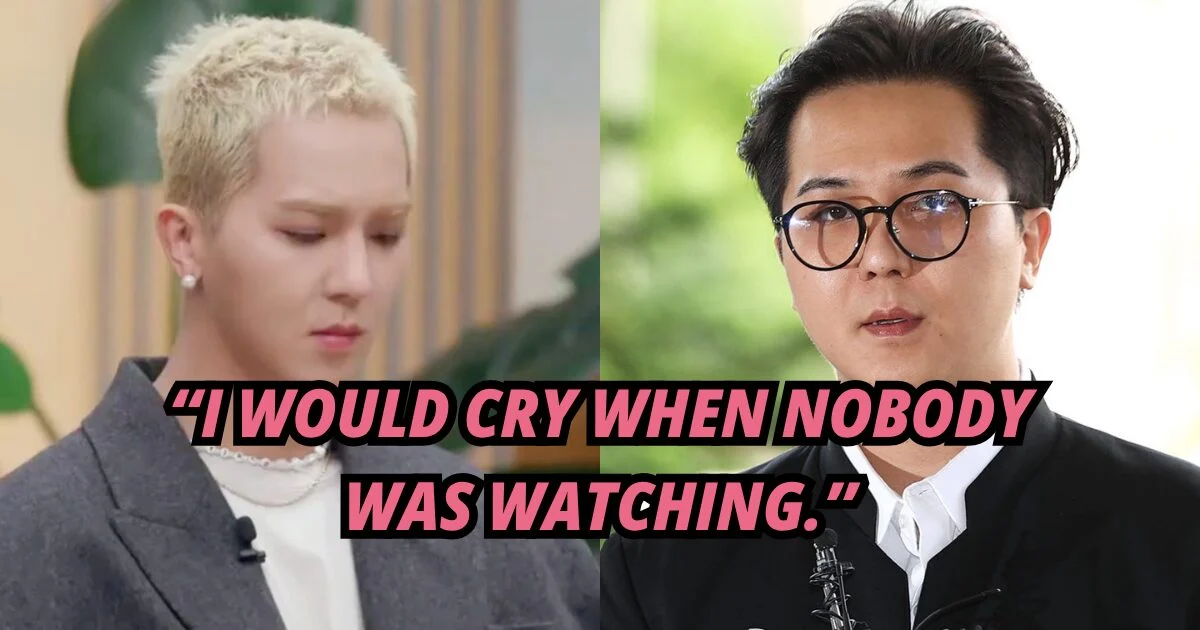
The South Korean music industry and the public at large are closely monitoring the ongoing legal proceedings involving Song Min-ho, better known as Mino of the popular K-pop group WINNER, as he faces serious allegations regarding his mandatory military service. The prosecution has formally requested an 18-month prison sentence for the artist, citing a significant breach of duty during his tenure as a public service worker. According to investigative reports and court documents, Song is accused of intentionally absenting himself from his assigned duties for a total of 102 days, a violation that carries severe legal and social ramifications in South Korea.
The case, which saw its first trial recently, has reignited a complex national debate regarding the intersection of mandatory military obligations, the pressures of the entertainment industry, and the management of chronic mental health conditions. While the prosecution maintains that the absences were a calculated effort to evade the rigors of service, Song’s legal representation has pointed toward the artist’s long-documented struggles with bipolar disorder and panic disorder as critical context for his actions.
Chronology of Service and Legal Allegations
Song Mino’s mandatory military service began in March 2023. Due to pre-existing health conditions, he was assigned to serve as a public service worker rather than an active-duty soldier. This classification is typically reserved for individuals who, through physical or psychological evaluation, are deemed unfit for the high-intensity environment of frontline military duty but are still required to fulfill their national obligation in administrative or community-based roles.
The controversy surfaced when an audit of service records revealed that Song had failed to report for duty on 102 separate occasions throughout his enlistment period. Under the South Korean Military Service Act, such a prolonged period of unauthorized absence is classified as service evasion or desertion of duty. The prosecution’s demand for an 18-month prison term reflects the gravity with which the South Korean judicial system views military service violations. Historically, the maximum sentence for such offenses can reach up to three years, particularly when "intentionality" is proven.
During the first trial, the prosecution argued that Song’s status as a public figure necessitates a higher degree of accountability. They contended that his absences were not merely a result of health fluctuations but represented a conscious decision to circumvent the law. In response, Song appeared in court to address the charges directly, acknowledging the lapse in his duties while providing testimony regarding his mental state during the period in question.
Resurfacing of Mental Health Disclosures
As the legal battle intensifies, the public has turned its attention back to Song Mino’s history of mental health struggles, which he first began to share openly several years ago. In 2022, during an appearance on the high-profile counseling program Oh Eun Young’s Gold Counseling Center, Song provided a candid look into his psychological well-being. It was during this broadcast that he revealed for the first time that he had been diagnosed with both panic disorder and bipolar disorder in 2017.
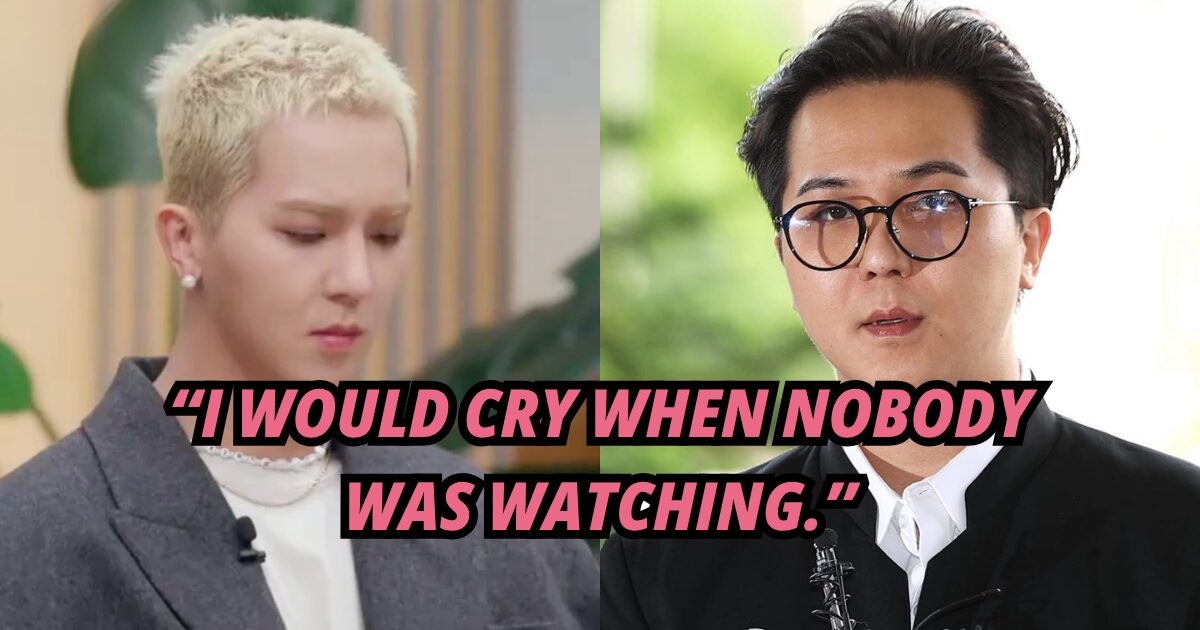
"That is when I began to see a doctor," Song stated during the 2022 interview. "I was diagnosed with panic and bipolar disorder, so now I receive treatment and medicine for them. It was really hard. I would cry when nobody was watching during filming breaks, and then go back to shoot again. Life felt tragic whenever the camera stops rolling."
Bipolar disorder, formerly known as manic depression, is a mental health condition characterized by extreme mood swings that include emotional highs (mania or hypomania) and lows (depression). For individuals in high-pressure industries like K-pop, the condition can be particularly debilitating. The "manic" phases may lead to overworking and heightened anxiety, while the "depressive" phases can result in total withdrawal from social and professional obligations. Song’s defense team has argued that these symptoms were directly responsible for his inability to maintain a consistent attendance record at his service post.
The Legal and Social Framework of Military Service in South Korea
To understand the weight of this case, one must consider the cultural and legal landscape of South Korea. Military service is a mandatory requirement for all able-bodied men between the ages of 18 and 28, lasting between 18 and 21 months depending on the branch of service. It is viewed as a rite of passage and a fundamental civic duty. Any perceived attempt to evade this service is often met with severe public backlash and can effectively end a celebrity’s career.
In recent years, the Military Manpower Administration (MMA) has tightened its oversight of celebrities and high-profile individuals following several scandals involving fraudulent medical exemptions or negligence during service. The prosecution’s aggressive stance in Song’s case is consistent with this broader institutional effort to ensure that military service is applied equitably across all social strata.
However, the case also highlights a growing tension in South Korean society regarding the treatment of mental illness. While physical injuries are easily quantified and accepted as valid reasons for service adjustments, psychological conditions often carry a lingering stigma. The debate surrounding Song Mino has split public opinion: one side demands strict adherence to the law regardless of health status, while the other advocates for a more nuanced understanding of how "invisible" illnesses like bipolar disorder can impair an individual’s functionality.

Supporting Data on Mental Health in the Entertainment Industry
The pressures of the K-pop industry are well-documented, with numerous idols speaking out about the rigorous training schedules, lack of privacy, and the "perfectionist" culture that can exacerbate underlying mental health issues. Data from various health surveys within the Korean creative industries suggest that performers are at a significantly higher risk for depression and anxiety compared to the general population.
Song Mino’s 2017 diagnosis came at a time when his group, WINNER, was experiencing a massive resurgence in popularity. The cognitive dissonance of maintaining a "cool" and energetic stage persona while battling internal turmoil is a recurring theme in Song’s own reflections. Medical experts note that for a patient with bipolar disorder, the stability of a routine is paramount; however, the transition into military service—even in a public service capacity—represents a radical shift in environment that can trigger episodes.
In court, Song’s legal team emphasized that while the artist admits his actions were legally problematic, they were a symptomatic manifestation of his condition rather than a malicious attempt to disrespect the law. They have provided medical records and psychiatric evaluations spanning nearly a decade to support the claim that his mental health was in a state of severe decline during the 102 days of absence.
Public and Official Reactions
The reaction from fans and the general public has been polarized. On social media platforms, supporters of the artist have used hashtags to raise awareness about the realities of bipolar disorder, sharing personal anecdotes of how the condition has caused them to miss work or withdraw from society. They argue that a prison sentence would be counterproductive and could further endanger Song’s mental health.
Conversely, a segment of the public remains critical. Comments on major Korean news portals often reflect the sentiment that many citizens serve their country while suffering from various hardships, and that "special treatment" for celebrities undermines the integrity of the national defense system.
YG Entertainment, Song Mino’s long-time agency, has maintained a relatively reserved stance, stating that they are currently "monitoring the situation" and respecting the legal process. This caution is typical for major agencies dealing with military-related legal issues, as any perceived attempt to shield an artist from their civic duty can lead to a boycott of the entire group.
Broader Implications for the K-pop Industry
The outcome of Song Mino’s trial will likely serve as a precedent for how the South Korean legal system handles mental health defenses in military service cases. If the court accepts the 18-month prison demand, it will send a clear message that mental health struggles do not mitigate the legal requirement for service attendance. If the court chooses a more lenient path, such as a suspended sentence or a fine combined with additional service time, it may signal a shift toward a more medically informed approach to military jurisprudence.
Furthermore, this case places the future of WINNER in a state of uncertainty. As a four-member group that has already navigated several hiatuses due to the members’ staggered enlistments, a potential prison sentence for Song Mino would significantly delay any plans for a full-group comeback. It also complicates Song’s individual career as a respected rapper, producer, and variety show star.
Conclusion and Future Outlook
The trial is set to continue with further testimonies and the presentation of additional evidence. The final verdict, expected in the coming months, will be a watershed moment for the artist. Song Mino concluded his first trial appearance by expressing his remorse to the public and his fans, stating that he intends to take responsibility for his actions while continuing his path toward recovery.
As the legal proceedings move forward, the case remains a stark reminder of the complexities involved when the rigid demands of national security meet the fragile realities of mental health. Regardless of the legal outcome, the conversation Song Mino’s situation has sparked regarding bipolar disorder and the pressures of public life is likely to persist, challenging society to balance the scales of justice with the necessity of compassion for those struggling with mental illness.