Nayara Elvina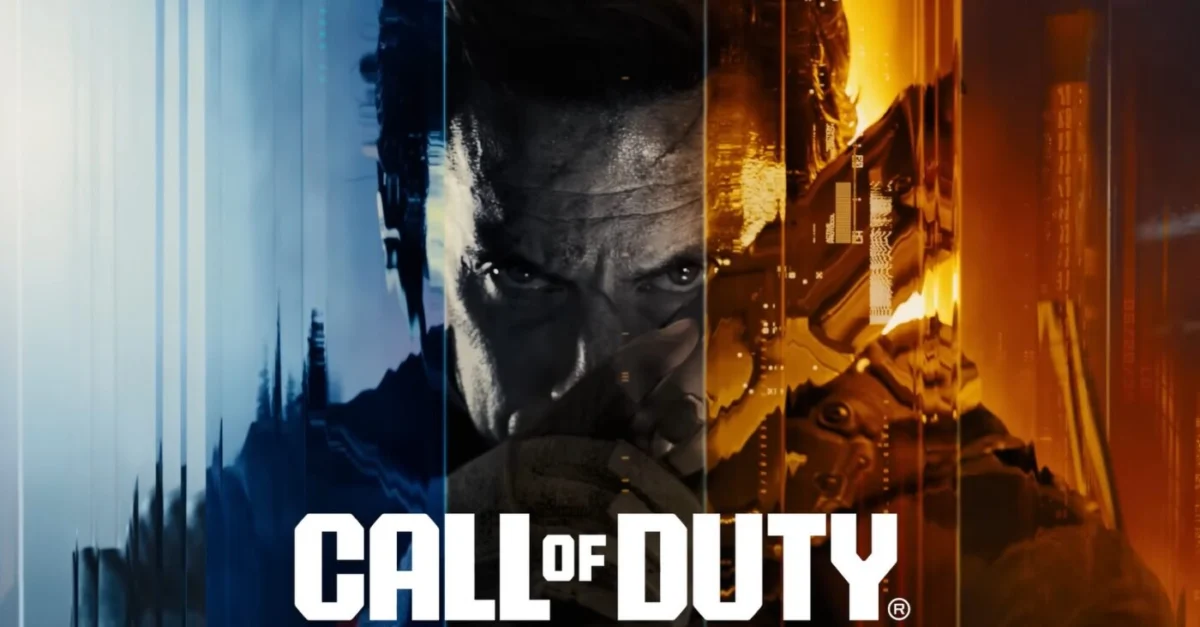
Paramount Pictures and Skydance Media have officially confirmed that Taylor Sheridan and Peter Berg are spearheading the development of a live-action feature film based on the globally renowned video game franchise, Call of Duty. This high-profile collaboration marks a significant milestone for Paramount, as it represents one of the final major projects Taylor Sheridan will deliver for the studio before his highly publicized transition to NBCUniversal. The film, which has been the subject of industry speculation for several years, is currently slated for a theatrical release on June 30, 2028.
The project reunites Sheridan and Berg, a creative duo with a proven track record of critical and commercial success. While both will serve as co-writers and producers alongside David Glasser, Peter Berg is set to direct the film. This production comes at a time when video game adaptations are experiencing a renaissance in Hollywood, moving from niche experiments to massive box-office and streaming successes.
The Creative Synergy of Sheridan and Berg
The partnership between Taylor Sheridan and Peter Berg is rooted in a shared cinematic language characterized by gritty realism, intense action, and a focus on rugged, high-stakes environments. The two have previously collaborated on several acclaimed projects, most notably the 2016 neo-Western crime drama Hell or High Water, which Sheridan wrote and which earned four Academy Award nominations, including Best Picture and Best Original Screenplay. They also worked together on Wind River (2017), which further established Sheridan’s reputation as a premier architect of modern American thrillers.
Peter Berg’s directorial portfolio makes him a logical choice for a franchise centered on military operations and combat. His previous works, including Lone Survivor (2013), Deepwater Horizon (2016), and Patriots Day (2016), demonstrate a technical proficiency in handling large-scale action sequences while maintaining a focus on human endurance and tactical precision. Industry analysts suggest that the combination of Sheridan’s narrative depth and Berg’s visceral directing style is intended to elevate Call of Duty beyond a standard action film into a prestige war drama.
Call of Duty: A Multi-Billion Dollar Intellectual Property
The decision to adapt Call of Duty for the big screen follows years of strategic planning by Activision Blizzard (now a subsidiary of Microsoft). Since its debut in 2003, Call of Duty has evolved from a World War II-themed shooter into a cultural phenomenon that spans various historical eras and futuristic settings.
As of 2024, the franchise has sold more than 425 million units, making it one of the best-selling video game series in history. It consistently tops annual sales charts, with its various iterations—such as Modern Warfare, Black Ops, and the battle royale sensation Warzone—generating tens of billions of dollars in lifetime revenue. The "built-in audience" for this film is estimated to be in the hundreds of millions, providing a massive global foundation for theatrical success.
The move to adapt the property follows the success of other major gaming IPs. Recent years have seen The Super Mario Bros. Movie surpass $1 billion at the box office, while television adaptations like HBO’s The Last of Us and Amazon’s Fallout have garnered both massive viewership and critical acclaim. Paramount itself has found success with the Sonic the Hedgehog franchise and the Halo television series, signaling a corporate strategy heavily invested in transmedia storytelling.
The Billion-Dollar Pivot: Sheridan’s Move to NBCUniversal
The timing of the Call of Duty production is inextricably linked to Taylor Sheridan’s evolving professional landscape. Sheridan, the primary creative force behind the Yellowstone universe, has been the cornerstone of Paramount’s content strategy for nearly a decade. However, reports have confirmed that Sheridan has signed a massive, multi-year overall deal with NBCUniversal, valued at approximately $1 billion.
The transition is structured in phases:
- Film Production (2027): Sheridan is expected to begin developing and producing feature films for Universal Pictures as early as the beginning of 2027.
- Paramount Exit (End of 2028): Sheridan will fulfill his existing television obligations to Paramount through the end of 2028, ensuring the completion or transition of his current slate, including the conclusion of the Yellowstone saga and its various spin-offs.
- Television Production (January 1, 2029): His exclusive television deal with NBCUniversal will officially commence, where he is reportedly tasked with creating upwards of 20 new shows over a five-year period.
The Call of Duty film, set for a mid-2028 release, essentially serves as Sheridan’s "swan song" for Paramount. It provides the studio with a potential blockbuster franchise starter that could mitigate the loss of Sheridan’s exclusive services in the following years.
Strategic Implications for Paramount and Skydance
For Paramount Pictures and its partner Skydance Media, the Call of Duty project is more than just a film; it is a vital asset in a shifting media landscape. As Paramount navigates a complex merger environment and corporate restructuring, maintaining a pipeline of high-value intellectual property is essential.
David Glasser, a long-time producer for Sheridan and a key figure at 101 Studios, will be instrumental in bridging the gap between the creative team and the studio’s corporate objectives. By securing the rights to Call of Duty, Paramount has positioned itself to capture a demographic that is increasingly difficult to reach through traditional television: the global gaming community.
The involvement of Skydance Media, led by David Ellison, also adds a layer of production expertise. Skydance has been a frequent collaborator with Paramount on high-octane franchises such as Mission: Impossible and Top Gun: Maverick. Their participation suggests that Call of Duty will be treated as a "tentpole" release, receiving the highest level of budgetary and marketing support.
Timeline of Development and Future Milestones
The development of the Call of Duty film has followed a deliberate timeline:
- Late 2023: Paramount and Skydance finalize the acquisition of film rights from Activision Blizzard.
- Early 2024: Taylor Sheridan and Peter Berg are officially attached to the project to begin script development.
- 2025-2026: Pre-production and principal photography are expected to take place, with significant portions of the film likely utilizing cutting-edge cinematography to mimic the immersive feel of the game’s first-person perspective.
- June 30, 2028: Scheduled theatrical release date.
While casting details remain under wraps, industry insiders suggest that the production will seek A-list talent to portray iconic characters from the game’s lore, such as Captain John Price or Simon "Ghost" Riley, characters who have already achieved a high level of brand recognition among fans.
Broader Impact on the Film Industry
The Sheridan-Berg Call of Duty project is emblematic of a broader shift in Hollywood’s approach to "pre-sold" intellectual property. As original concepts face increasing difficulty in securing large budgets, studios are turning to video games as the new frontier for cinematic universes.
Furthermore, Sheridan’s move to NBCUniversal highlights the intense competition for "mega-creators." In an era dominated by streaming platforms, the ability of a single writer-director to generate a cohesive "universe" of content is prized above almost all else. Paramount’s willingness to greenlight a massive Call of Duty project in the final years of Sheridan’s contract suggests a desire to maximize the value of his brand before his departure.
If Call of Duty achieves the projected box-office results, it could establish a new standard for military cinema, blending the tactical authenticity Sheridan and Berg are known for with the global scale of a billion-dollar gaming franchise. For Paramount, the film represents a final opportunity to capitalize on Sheridan’s Midas touch, potentially leaving the studio with a lucrative franchise that can continue long after its creator has moved to his new home at NBCUniversal.
As the industry looks toward 2028, the success of this film will likely be measured not just in ticket sales, but in its ability to translate the interactive intensity of a video game into a compelling, narrative-driven cinematic experience. With Sheridan and Berg at the helm, the stakes for both the studio and the franchise have never been higher.