Nayara Elvina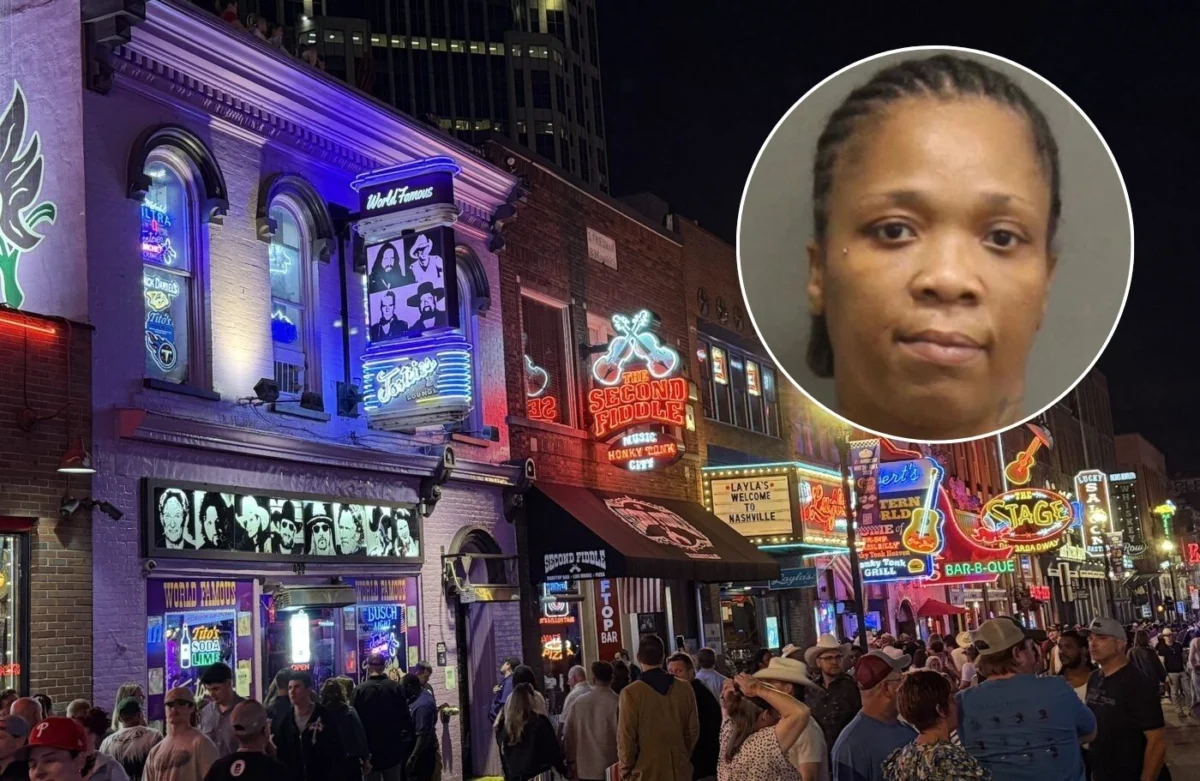
The Metropolitan Nashville Police Department has announced a significant breakthrough in a series of predatory crimes targeting visitors in the city’s primary entertainment districts. On May 27, 2024, law enforcement officials arrested 43-year-old Erica Williams in connection with a sophisticated scheme involving the drugging and robbery of individuals in downtown Nashville. This arrest comes amid a period of unprecedented growth for the city’s tourism sector, bringing into sharp focus the security challenges inherent in managing a world-class nightlife destination.
Nashville has spent the last decade solidifying its reputation as a premier travel destination, particularly through the revitalization of Lower Broadway. Known globally as "Music City," the five-block stretch of neon-lit honky-tonks attracts millions of visitors annually. However, the density of tourists and the prevalence of alcohol-centric entertainment have created an environment that predatory actors seek to exploit. The arrest of Williams underscores a recurring pattern of criminal activity that local authorities and business owners have been working to mitigate through increased surveillance and public awareness campaigns.
Details of the Investigation and Arrest
The investigation into Erica Williams began in earnest following a report filed in June 2024 by a male victim who alleged he had been targeted while patronizing establishments in the downtown area. According to official police reports, the victim entered a vehicle with a woman—later identified as Williams—under the impression of a social encounter. The victim subsequently lost consciousness, a state he believes was induced by an unknown substance administered without his consent.
The victim reported that he regained consciousness after being abandoned at a local gas station. Upon returning home, he discovered that his wallet and smartphone were missing. Furthermore, unauthorized transactions had already been processed on his credit cards, and his digital accounts had been compromised. The victim utilized the "Find My iPhone" feature, which successfully tracked the device to a specialized kiosk designed for the automated purchase of used cellular phones.
Detectives with the Metropolitan Nashville Police Department obtained surveillance footage from the kiosk location. The video evidence depicted two women selling the victim’s phone shortly after the robbery occurred. Through forensic analysis and vehicle identification, investigators linked the car used in the incident to Erica Williams. Further investigation revealed that Williams was already a person of interest in Davidson County for similar allegations. She was reportedly observed operating the same vehicle during the CMA Music Festival, one of Nashville’s largest annual events, suggesting a calculated effort to target high-traffic periods when law enforcement resources are most stretched.
Formal Charges and Legal Proceedings
Erica Williams was taken into custody and booked into the Davidson County Jail. She faces a litany of serious charges that reflect the multifaceted nature of her alleged crimes. The charges include:
- Theft of property valued over $10,000
- Theft of property valued over $1,000
- Identity theft
- Computer fraud valued over $2,500
- Fraudulent use of a credit card valued over $1,000
Williams remains in custody on a $75,000 bond. The inclusion of computer fraud and identity theft charges indicates that the scheme extended beyond simple physical robbery. By gaining access to the victims’ phones, the perpetrators were allegedly able to bypass security measures to access banking applications, digital wallets, and personal data, significantly increasing the financial impact on the victims.
The Chronology of Predatory Crime in Music City
The case against Williams is not an isolated incident but rather part of a documented trend that has plagued Nashville’s entertainment districts for several years. Since 2021, there has been a notable increase in reports from both tourists and locals regarding "drink spiking" or "roofieing" in the Broadway and Midtown areas.
In early 2024, NewsNation and several local outlets highlighted the story of a couple who were allegedly drugged at a Midtown bar. Their experience mirrored many others shared on social media platforms, where victims described a sudden and total loss of motor skills and memory after consuming only a small amount of alcohol. These accounts often involve the subsequent theft of high-value items, including jewelry, watches, and smartphones.
The timeline of these incidents often peaks during major city events. Law enforcement data suggests that predatory actors monitor the city’s convention and festival calendar. Events such as the NFL Draft, SEC basketball tournaments, and the CMA Fest bring in hundreds of thousands of visitors who may be less familiar with the city’s layout and more likely to lower their guard in a celebratory atmosphere.
Supporting Data: Nashville’s Tourism and Crime Landscape
To understand the implications of these crimes, it is necessary to examine the scale of Nashville’s tourism industry. According to data from the Nashville Convention & Visitors Corp, the city welcomed approximately 14.4 million visitors in 2023, a significant increase from previous years. Visitor spending in the Davidson County area has surpassed $9 billion annually, supporting over 70,000 jobs.
While the majority of visits are uneventful, the concentration of wealth and intoxicated individuals in a small geographic area presents a unique challenge for the Metropolitan Nashville Police Department’s Central Precinct.
- Density: Lower Broadway contains over 40 bars in a concentrated five-block radius.
- Volume: On a typical weekend night, pedestrian counts on Broadway can exceed 30,000 people per hour.
- Crime Trends: While violent crime in the downtown core has seen fluctuations, "crimes of opportunity," such as pickpocketing and fraudulent schemes, have remained a persistent concern for city officials.
The use of "Find My" technology and automated phone kiosks has become a central theme in modern urban robbery investigations. Kiosks like the one used in the Williams case are required by law to record identification and video of the seller, which has inadvertently provided law enforcement with a powerful tool for identifying suspects in theft cases.
Official Responses and Public Safety Initiatives
In response to the rising concerns over drink spiking and predatory robberies, Nashville city officials and the MNPD have implemented several strategic initiatives. The "Safe Nashville" program has increased the number of uniformed and undercover officers patrolling the Broadway corridor during peak hours.
Furthermore, many bar owners have begun to take proactive measures. Some establishments have introduced drink-testing kits for patrons and installed high-definition interior surveillance systems to monitor for suspicious behavior at the bar. The "Ask for Angela" initiative—a safety protocol where patrons can use a code word to alert staff that they feel unsafe—has also gained traction in Music City.
The Davidson County District Attorney’s Office has signaled that it intends to prosecute these cases aggressively. By leveling high-level felony charges such as computer fraud and identity theft, prosecutors aim to deter organized groups from viewing Nashville as a "soft target" for predatory schemes.
Analysis of Implications for the City’s Reputation
The arrest of Erica Williams serves as a critical case study in the evolution of urban crime. The transition from simple muggings to drugging-and-identity-theft schemes represents a sophisticated shift in criminal methodology. For a city like Nashville, whose economy is heavily reliant on its "friendly" and "fun" reputation, these incidents pose a direct threat to long-term economic stability.
If Nashville becomes synonymous with safety risks, it could see a decline in lucrative convention bookings and family-oriented tourism. The "bachelorette party" capital of the South relies on the perception that a group of visitors can navigate the city safely. When stories of drugging and kidnapping-style robberies gain national traction, the "Music City" brand suffers.
Moreover, the psychological impact on victims of drugging is profound. Unlike a standard robbery, the loss of agency and the physical violation of being drugged creates long-lasting trauma. This has led to increased pressure on the Tennessee General Assembly to consider harsher penalties for the illicit use of incapacitating substances in the commission of a robbery.
Safety Recommendations for Visitors
Law enforcement experts and security consultants suggest that while the city is generally safe, visitors must exercise a high degree of situational awareness. Professional recommendations include:
- Vigilance with Beverages: Never leave a drink unattended and avoid accepting drinks from strangers unless they are handed directly from the bartender.
- The Buddy System: Ensure that group members stay together. Predatory actors often look for individuals who have become separated from their companions.
- Secure Transportation: Use licensed ride-sharing services or marked taxis. Entering a private vehicle with a stranger, regardless of the perceived social context, carries extreme risk in a high-traffic nightlife environment.
- Digital Security: Utilize biometric locks (FaceID or fingerprints) on smartphones and enable remote wiping capabilities. Avoid carrying excessive cash or multiple credit cards.
- Moderation: Maintaining a level of sobriety that allows for clear decision-making is the most effective defense against predatory schemes.
Conclusion
The arrest of Erica Williams is a significant victory for the Metropolitan Nashville Police Department and a warning to those who seek to exploit the city’s vibrant nightlife. However, the complexity of the charges and the duration of the alleged activity suggest that vigilance remains necessary. As Nashville continues to grow, the balance between maintaining an open, welcoming atmosphere and ensuring the safety of millions of guests will remain a primary focus for city leaders, law enforcement, and the business community. The legal proceedings against Williams will be closely watched as an indicator of how the city intends to handle the intersection of tourism and organized predatory crime moving forward.