Mia Khoirunisa
This week marks the 20th anniversary of monome, the pioneering company and project founded by Kelli Cain and Brian Crabtree. For two decades, monome has stood at the intersection of physical computing, open-source development, and avant-garde music creation, leaving an indelible mark on the electronic music landscape. The company’s anniversary is being commemorated with a retrospective gallery, offering a deep dive into its rich history and the community it has fostered.
A Legacy Forged in Grid and Openness
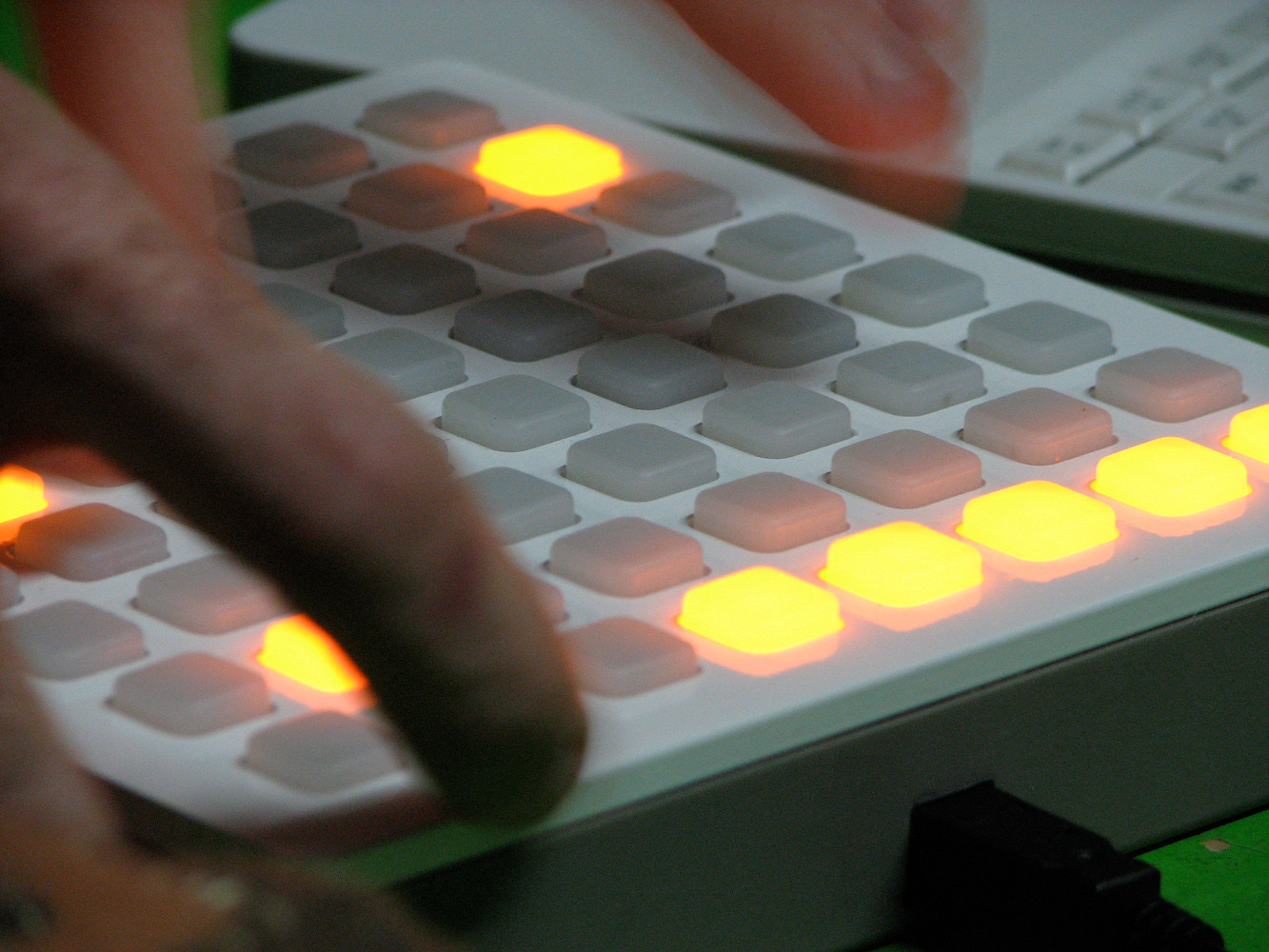
Since its inception, monome has championed a philosophy centered on user agency and the tactile experience of music-making. The company’s iconic grid-based controllers, characterized by their minimalist design and highly customizable nature, became a touchstone for a generation of musicians and technologists. These devices were not merely instruments; they were platforms for exploration, encouraging users to develop their own unique workflows and sonic palettes through open-source software and hardware.
The monome project’s genesis can be traced back to a burgeoning interest in bridging the gap between digital music production and physical interaction. In the early 2000s, the music technology scene was dominated by software interfaces that often felt detached from the hands-on creativity that many musicians craved. Cain and Crabtree envisioned a different path, one that prioritized intuitive physical interfaces, allowing for a more direct and expressive connection with digital sound.
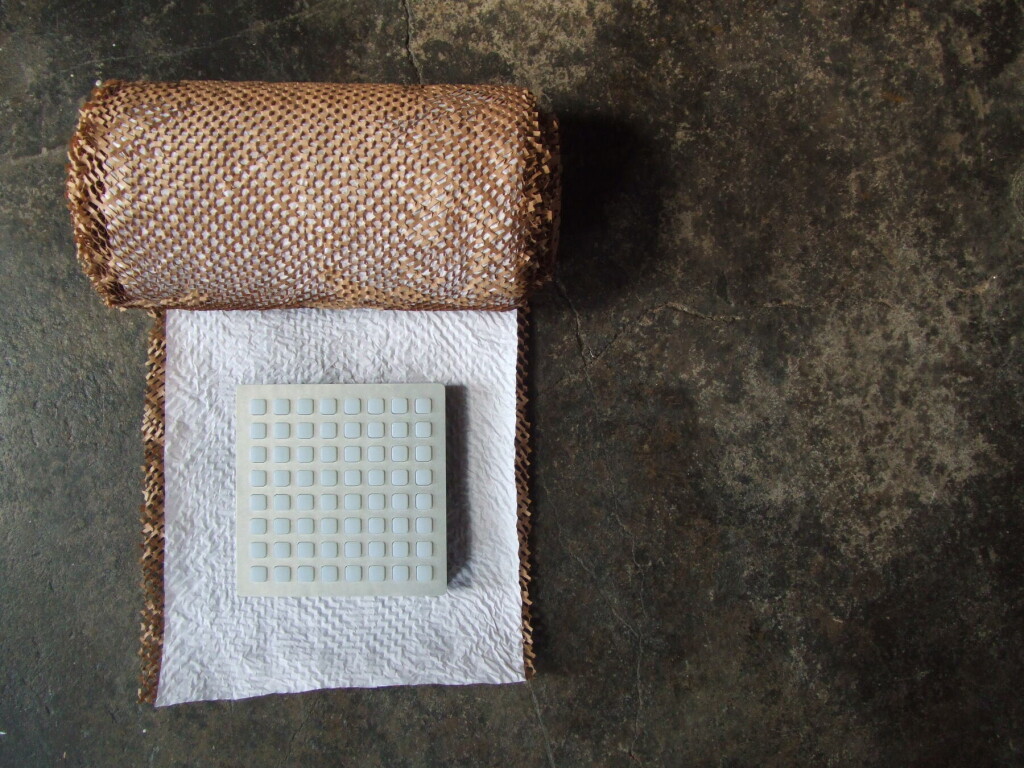
Kelli Cain, in a statement reflecting on the anniversary, emphasized the collaborative spirit that has defined monome: "This week marks 20 years of monome – our small, esoteric music instrument company that would not exist without the curiosity, support, and encouragement of many of you out there, thank you! One photo cannot capture the accumulation of its history, but something about this dusty illumination hanging over possibility feels a worthy summation. Music and music-making brought us together, and the rhythm will forever be our pattern, light, keeper of time. May it continue to bring us together and keep us together. If you’re interested in time travel, we have assembled a selection of photos from the archives, complete with the language of dreamers. Still dreaming."
This sentiment highlights the core ethos of monome: a community-driven endeavor where the creators and users were intrinsically linked, sharing in the journey of innovation. The company’s commitment to open-source principles meant that its hardware and software were not closed systems but rather invitations for collaboration and adaptation. This approach fostered a vibrant ecosystem of developers, artists, and enthusiasts who contributed to the monome’s ever-evolving capabilities.
A Timeline of Innovation and Community Engagement
The story of monome is interwoven with the history of digital music innovation and the rise of maker culture. Its impact can be understood by tracing key moments and collaborations:
- 2004: The conceptualization and early development of the monome grid controller begin.
- April 24, 2006: The first mention of monome on CDM (Create Digital Music) marks a significant public introduction. The initial report by Vlad Spears described the device as "pure, minimal functionalism at your fingertips. A blank canvas for your controller desires, the pads and indicator lights are decoupled for access to the full range of this device as both manipulator and indicator." This early description captured the essence of monome’s appeal: its versatility and its departure from conventional controller designs.
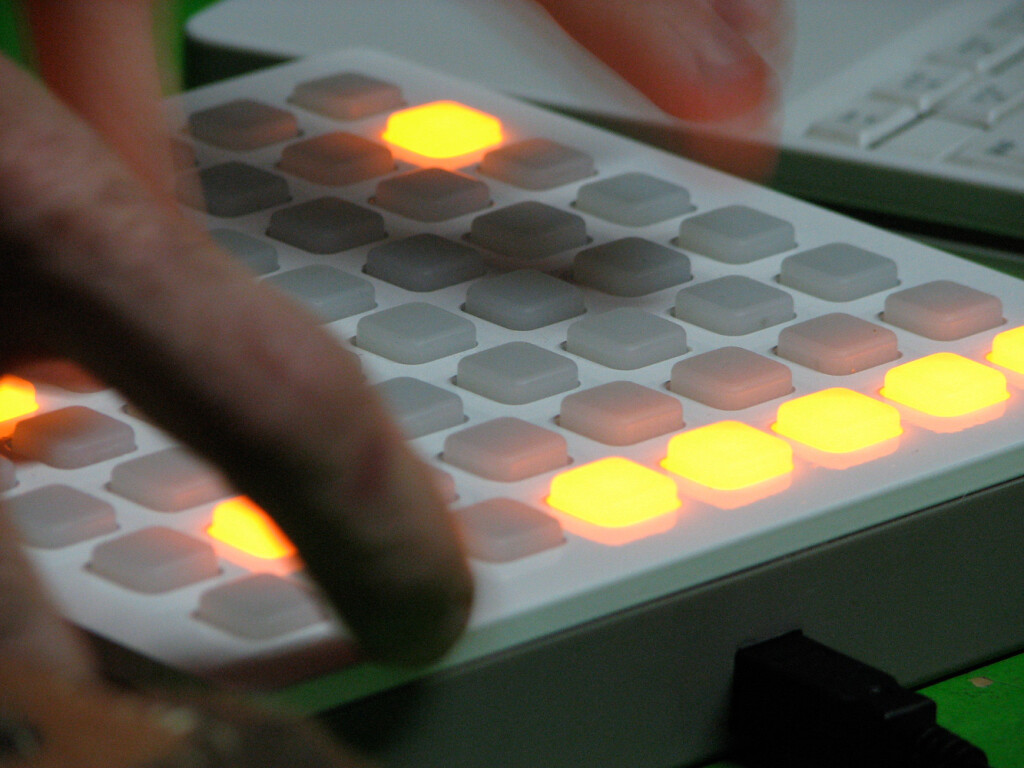
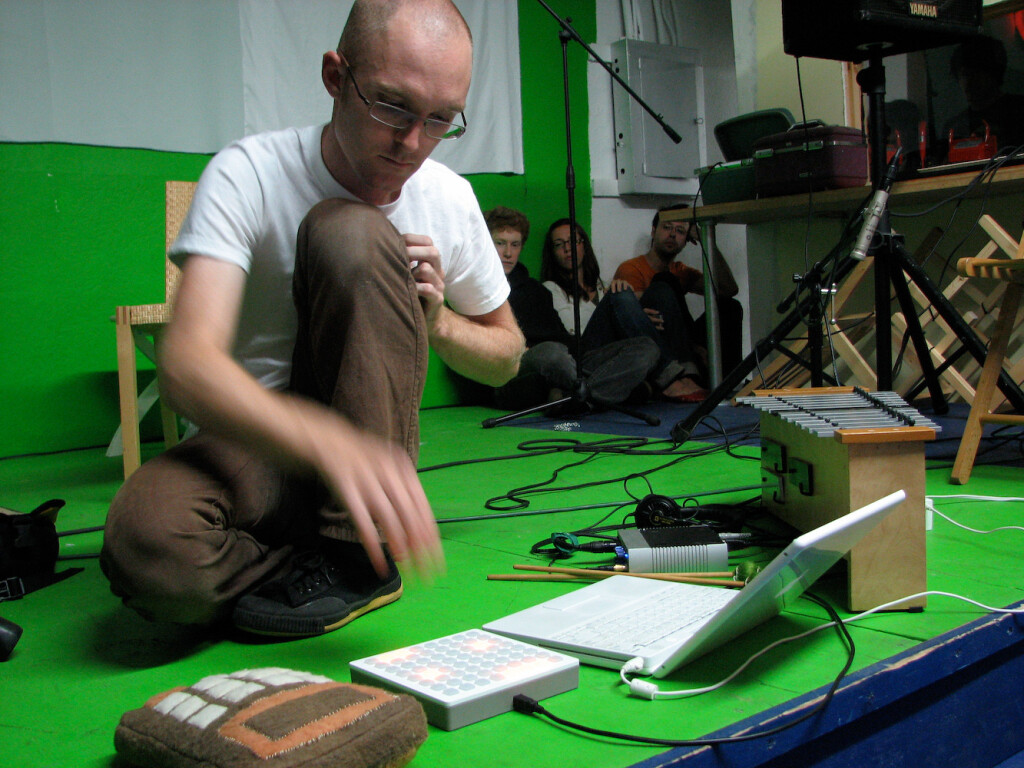
- May 2007: The monome garners attention at events like Robotspeak in San Francisco. Musician Daedelus was documented using a pre-monome 40h prototype, showcasing the instrument’s potential in live performance. Brian Crabtree was present to explain the technology, underscoring the direct engagement monome had with its burgeoning community. This period also saw the broader exploration of open-source hardware and its application in creative fields, with monome emerging as a prominent example.
- August 2007: At the second annual MusicMakers event (later known as Handmade Music), held in the early offices of Etsy and in conjunction with Make magazine, Brian and Kelli Cain showcased their work. Kelli Cain also presented her innovative soft circuits project, demonstrating a broader interest in interactive textiles and electronics. This event further solidified monome’s connection to the maker movement and its emphasis on DIY creativity.
- Subsequent Years: The monome’s influence began to be felt across the music technology industry. Its design principles and user-centric approach inspired a wave of similar grid-based controllers from established manufacturers, including Novation, Akai, and Ableton, albeit often without the same level of open-source commitment. This widespread adoption served as a testament to the foresight and impact of Cain and Crabtree’s original vision.
The archival footage and early reports from this era reveal a nascent movement driven by passion and a desire to push the boundaries of musical expression. The videos and photographs from these early encounters, including a performance by the author at the same event where Daedelus showcased the monome prototype, offer a glimpse into a transformative period for digital music creation.
The Monome Philosophy: Beyond the Hardware
While the physical monome grid controllers are perhaps its most recognizable output, the company’s legacy extends far beyond the hardware itself. Monome’s success can be attributed to several key philosophical underpinnings that have resonated deeply within the creative technology community:
- Physical Interaction with Digital Music: Monome fundamentally reimagined how musicians interact with digital sound. By decoupling the interface from a screen and placing control directly into the user’s hands through tactile grids and responsive lighting, it fostered a more intuitive and expressive performance paradigm. This approach contrasted sharply with the mouse-and-keyboard workflows that were prevalent at the time.
- Open-Source and Community-Based Development: A cornerstone of monome’s philosophy has been its unwavering commitment to open-source principles. This allowed users to not only customize their devices but also to contribute to the development of new software and applications. This fostered a collaborative environment where innovation was a shared pursuit, leading to a rich ecosystem of user-generated tools and creative workflows. The company actively engaged with its community, soliciting feedback and incorporating user contributions into its development process.
- User Customization and Patching: The ability for users to "patch" their monome devices, essentially reconfiguring their functionality and behavior, was a revolutionary concept. This empowered musicians to tailor the instrument to their specific needs and creative vision, breaking free from the limitations of pre-defined instrument designs. This level of user agency was a significant departure from the often rigid architectures of traditional music hardware.
- Discussions on Scale and Sustainability: Monome’s approach also invited broader conversations about the economics of music technology. As a small, independent company, it operated with a different set of priorities than larger corporations. Its focus on craftsmanship, repairability, and a more human-scale production model resonated with a growing segment of consumers seeking more sustainable and ethically produced technology. The company’s willingness to engage in these discussions about scale and its implications for creativity and the environment added another layer to its impact.
Enduring Relevance in a Changing Landscape
In an era where the lines between hardware and software are increasingly blurred, and where the demand for authentic, tactile experiences in digital creation continues to grow, monome’s foundational principles remain remarkably relevant. The company’s influence can be observed in the resurgence of interest in modular synthesis, the proliferation of grid-based controllers, and the ongoing dialogue surrounding open-source hardware.
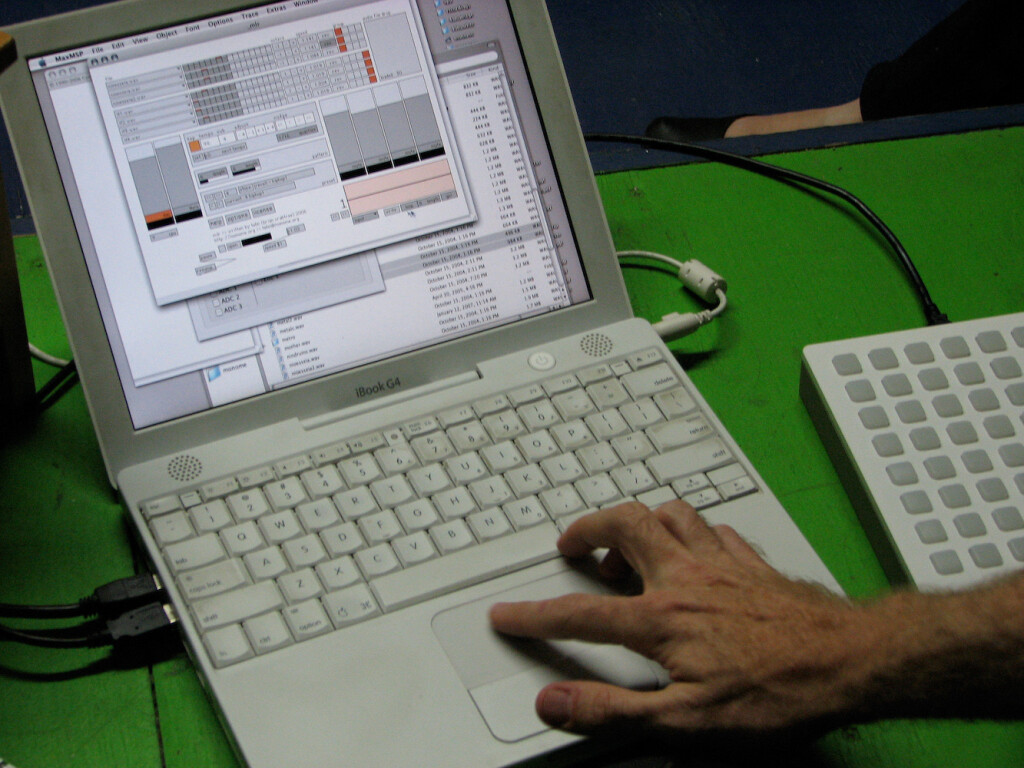
The anniversary celebration, marked by a curated gallery of historical photos and reflections, serves not only as a retrospective but also as an inspiration for future innovation. The "language of dreamers," as Kelli Cain describes it, continues to be spoken within the monome community and beyond. The company’s enduring legacy is a testament to the power of thoughtful design, open collaboration, and a deep understanding of the creative process.
The comprehensive photobook accompanying the anniversary is more than just a collection of images; it is a visual narrative of a movement that has profoundly shaped the way we think about and interact with digital music tools. It encapsulates the spirit of ingenuity and community that has defined monome for two decades, promising to inspire creators for years to come. As the industry continues to evolve, the lessons learned from monome’s journey—its emphasis on human-centered design, its commitment to openness, and its cultivation of a vibrant community—offer a valuable roadmap for the future of music technology. The company’s ability to foster a deep connection between its users and their tools serves as a powerful reminder that technology, at its best, should empower and inspire creativity.