Jia Lissa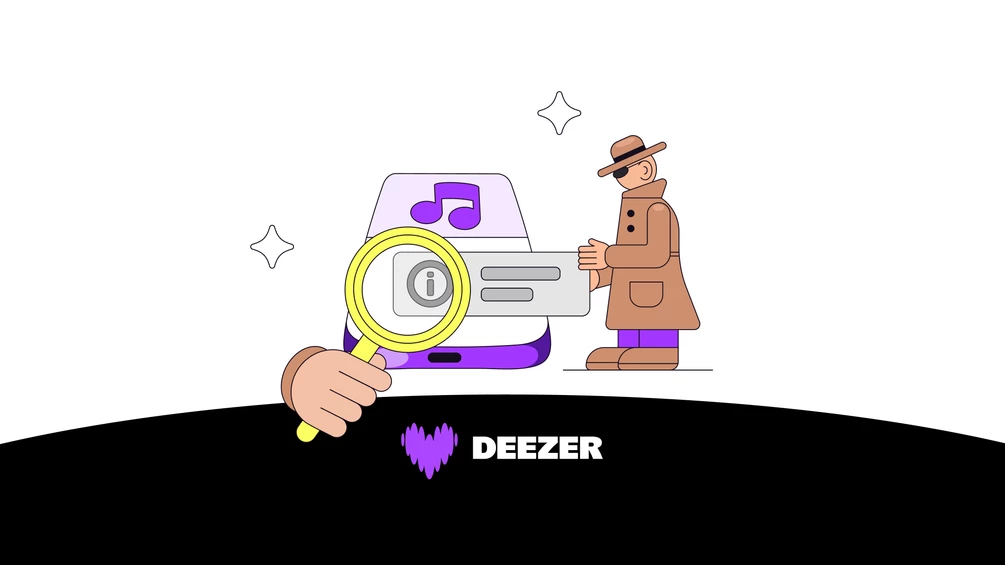
Deezer, the global music streaming service, has officially launched a pioneering artificial intelligence (AI) music detection tool designed to identify AI-generated tracks across 20 of the most widely used streaming platforms. This free, web-based utility, accessible in 27 languages, empowers users to scan their playlists created on competing services and ascertain the presence of synthetic music. The initiative underscores Deezer’s proactive stance on transparency in an increasingly AI-permeated music landscape, driven by internal research revealing a significant user demand for clear labeling of AI-generated content.
The introduction of this sophisticated detection system comes at a critical juncture for the music industry, grappling with the rapid proliferation of generative AI technologies. Deezer’s own data highlights the urgency, indicating that 43% of users transitioning from other platforms already had AI music embedded in their playlists. Crucially, a resounding 80% of these users expressed a strong preference for AI-generated tracks to be distinctly labeled, a sentiment that aligns with growing calls from artists, labels, and consumer advocacy groups for greater clarity and ethical practices in AI music.
The Genesis of a Solution: Deezer’s AI Detection Tool
The newly launched tool operates by meticulously analyzing audio files for "specific artifacts" – unique digital signatures and anomalies inherently left behind by generative AI software during the creation process. Deezer asserts that its scanner boasts an impressive accuracy rate exceeding 99%, making it a highly reliable mechanism for distinguishing human-created music from its synthetic counterparts. This precision is a testament to the advanced machine learning models and signal processing techniques employed by Deezer’s in-house engineering teams. The technology at the heart of this public tool is not new to Deezer; it is an evolution of the proprietary system the company has already been utilizing internally to identify and manage AI-generated music on its own platform for over a year and a half.
By extending this capability to the broader streaming ecosystem, Deezer aims to democratize the power of detection, giving listeners agency over the content they consume, regardless of their primary streaming service. This move positions Deezer not merely as a content distributor but as an advocate for listener awareness and content integrity across the entire digital music landscape.
A Stance on Transparency: Deezer’s Commitment
Alexis Lanternier, CEO of Deezer, articulated the company’s long-standing commitment to this issue. "By detecting and tagging AI-generated music over the past year and a half, Deezer has been at the forefront of transparency in music streaming," Lanternier stated. He further emphasized the lack of similar initiatives from competitors, which ultimately prompted Deezer to make its technology publicly available. "No other company has followed our lead yet, so we decided to make it possible for everyone to check if their playlists include synthetic music, no matter which streaming platform they use."
Lanternier underscored the widespread desire for informed consumption: "A vast majority of people want to know if AI music is being recommended to them and our data show that nearly half of the users joining Deezer from another platform have AI tracks in their playlists. We’re expecting our AI music detector to be an eye-opening experience for listeners around the world." This statement reflects a strategic move to empower consumers, potentially shifting user behavior and placing pressure on other platforms to address similar concerns. The "eye-opening experience" could lead to a re-evaluation of how listeners perceive and interact with their curated playlists, fostering a greater appreciation for authenticated human artistry.
The Escalating Challenge of AI in Music
The launch of Deezer’s detector is set against a backdrop of accelerating advancements in generative AI, which have profoundly impacted the music industry over the past 18-24 months. Tools like Google’s MusicLM, Stability AI’s Stable Audio, Suno, and Udio have made it increasingly simple for anyone to create high-quality, genre-specific music from simple text prompts. While these innovations offer creative potential, they also present formidable challenges concerning intellectual property, artist rights, content authenticity, and fair compensation.
The sheer volume of AI-generated content entering the digital ecosystem has become a significant concern. The ease of creation, combined with the often-anonymous nature of AI output, has led to a deluge of tracks that can mimic established artists or create entirely new, yet derivative, styles. This has fueled fears among human artists that their work could be diluted, plagiarized, or devalued by an influx of machine-made content that often lacks proper attribution or ethical sourcing of training data. The legal battles over copyright infringement, particularly concerning AI models trained on vast datasets of copyrighted music without explicit consent, are ongoing and complex.
Deezer’s Proactive Chronology: A Timeline of Actions
Deezer’s latest offering is not an isolated event but the culmination of a series of strategic moves to address the challenges posed by AI music. The company has demonstrated a consistent commitment to safeguarding artistic integrity and ensuring a fair environment for creators.
- Early 2023: Deezer began developing and implementing its internal AI music detection technology, recognizing the nascent but growing threat of synthetic content. This allowed the platform to proactively identify and categorize such tracks before they became overwhelming.
- January 2024: In a bold move that sent ripples through the industry, Deezer revealed it had demonetized up to 85% of AI-generated music streams on its service. This decision was a direct response to concerns about the economic impact on human artists and the potential for abuse, such as "stream farming" where vast quantities of AI-generated content are uploaded to artificially inflate stream counts and siphon royalties. Demonetization signaled Deezer’s intent to disincentivize the mass production of uncredited or low-quality AI music.
- February 2024: Just last month, Deezer further illuminated the scale of the challenge by disclosing that AI-generated music accounted for a staggering 44% of all new uploads to its streaming platform. This figure underscored the exponential growth of synthetic content and provided concrete data on the extent to which AI was already permeating the music ecosystem. It also served as a stark warning to the wider industry about the need for robust content moderation and ethical guidelines.
- March 2024: The public launch of the cross-platform AI music detector solidifies Deezer’s position as a frontrunner in tackling this issue head-on. By making its technology available to everyone, Deezer aims to foster industry-wide awareness and potentially catalyze similar actions from other major streaming services.
Industry Reactions and Calls for Clarity
While Deezer has taken a leading role, the broader music industry has been increasingly vocal about the need for clear standards regarding AI-generated content. Organizations representing artists, songwriters, and labels have consistently called for greater transparency and robust protective measures.
- Artist Rights Groups: Bodies such as the Artist Rights Alliance (ARA) and the Recording Academy have repeatedly emphasized the importance of distinguishing between human and AI creations. They argue that uncredited AI music not only undermines the livelihoods of human artists but also diminishes the cultural value of music itself. The demand for clear labeling is seen as a fundamental step towards ensuring fair compensation and preserving artistic identity.
- Major Record Labels: Leading labels like Universal Music Group (UMG) have been actively engaged in efforts to protect their copyrighted works from being used without permission to train AI models. UMG, for instance, has sent cease and desist letters to AI companies and has been proactive in removing AI-generated tracks that infringe on their artists’ rights or mimic their voices. While these efforts primarily focus on legal enforcement and content removal, the broader goal aligns with Deezer’s push for transparency – to prevent confusion and exploitation.
- Other Streaming Platforms: While no other major streaming platform has yet launched a comparable public detection tool, the pressure is mounting. Spotify, Apple Music, Amazon Music, and YouTube Music all face similar challenges with AI-generated content. Their current strategies largely involve internal content moderation, takedown notices based on copyright infringement claims, and updates to their terms of service to address AI. Deezer’s move could serve as a significant catalyst, potentially forcing these platforms to either develop their own solutions or collaborate on industry-wide standards for AI detection and labeling. The ethical imperative, combined with growing user demand, makes inaction increasingly difficult.
Technical Underpinnings: How the Detector Works
The high accuracy of Deezer’s detector stems from its ability to identify subtle, yet distinct, "artifacts" embedded within AI-generated audio. Unlike human musicians, AI models often exhibit specific patterns in their sound synthesis, spectral characteristics, or even minute imperfections that are not typical of organic recordings. These might include:
- Spectral Inconsistencies: AI models can sometimes produce audio with unnaturally clean or overly perfect spectral representations, or conversely, introduce artifacts in higher frequency ranges that are not found in natural instruments.
- Repetitive Patterns: Certain AI algorithms may inadvertently introduce highly repetitive micro-patterns or phase relationships that are too uniform to be human-generated.
- Lack of Human Variation: Human performance naturally includes subtle variations in timing, dynamics, and timbre. AI models, unless specifically programmed to emulate these imperfections, often produce overly precise or "clinical" sounds.
- Encoding Signatures: The specific neural networks and synthesis techniques used by different AI generators can leave unique digital "fingerprints" in the audio waveform, even after compression or encoding.
By training sophisticated machine learning models on vast datasets of both human-created and AI-generated music, Deezer’s system has learned to recognize these nuanced differences with remarkable precision. This technical capability is crucial for building trust in the tool and ensuring its effectiveness in a rapidly evolving technological landscape.
Broader Implications for the Music Ecosystem
The implications of Deezer’s AI music detector extend far beyond its immediate functionality, potentially reshaping several facets of the music ecosystem:
- For Consumers: The most immediate benefit is enhanced transparency. Listeners gain the ability to make informed choices about the music they engage with, satisfying the widespread demand for clear labeling. This could foster a deeper appreciation for human artistry and potentially lead to a greater discernment between synthetic and authentic content. It also empowers users to curate their listening experiences according to their preferences, whether they embrace or wish to avoid AI music.
- For Artists and Creators: This tool offers a layer of protection against the erosion of artistic value and potential economic harm. By distinguishing AI-generated content, it helps to reinforce the unique value of human creativity and performance. It could also contribute to clearer attribution models and help ensure that royalties are directed appropriately. For artists who choose to experiment with AI as a creative tool, clear labeling allows for transparent disclosure of their creative process.
- For Streaming Platforms: Deezer’s move sets a new precedent and places considerable pressure on other streaming services to follow suit. The "race to transparency" could lead to widespread adoption of similar detection and labeling mechanisms, or even collaborative efforts to establish industry-wide standards. Platforms that fail to adapt risk being perceived as less transparent or less committed to artist rights, potentially impacting user loyalty. Furthermore, it highlights the increasing need for robust content moderation policies in the age of generative AI.
- For the Music Industry and Regulators: The detector contributes to the ongoing conversation about regulating AI in creative industries. It provides tangible evidence of the scale of AI music’s presence and the public’s desire for transparency. This could galvanize legislative efforts to mandate AI labeling, establish clear copyright guidelines for AI-generated content, and develop frameworks for ethical AI development and deployment in music. The distinction between AI-assisted human creation and purely AI-generated content will become increasingly important in legal and licensing discussions.
The Path Forward: Towards a Transparent Future
Deezer’s launch of its cross-platform AI music detector is a significant milestone in the ongoing effort to navigate the complex relationship between artificial intelligence and human creativity in the music industry. By empowering listeners with the tools for identification and by advocating for clear labeling, Deezer is pushing the industry towards a more transparent and accountable future. While the challenges posed by generative AI are multifaceted and continually evolving, initiatives like this provide a crucial step towards ensuring that the future of music remains vibrant, equitable, and respectful of both technological innovation and human artistry. The "eye-opening experience" promised by Deezer’s CEO may indeed mark the beginning of a new era of discernment for music lovers worldwide.