Jia Lissa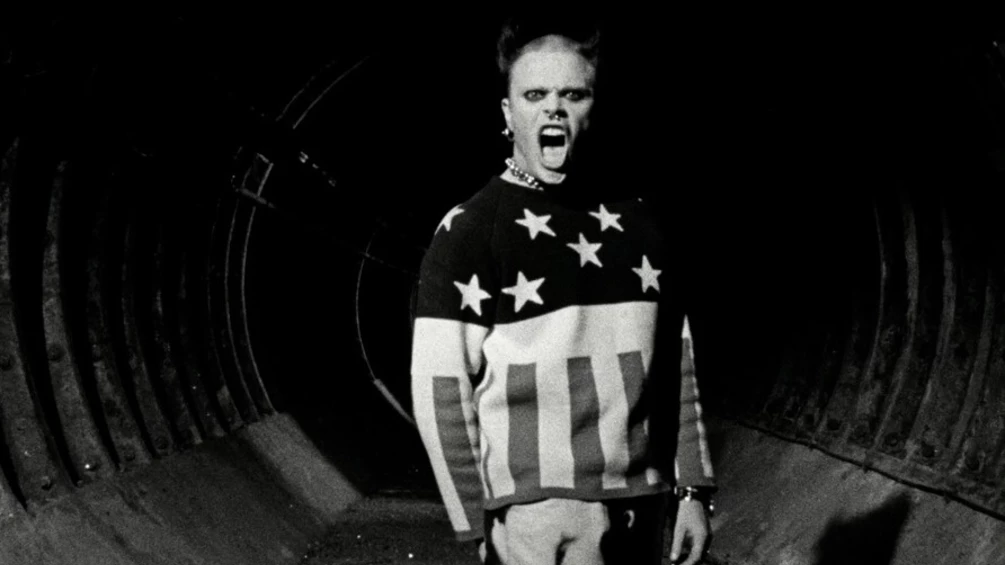
A groundbreaking new report from Vevo Music has conclusively demonstrated that music videos are more potent catalysts for nostalgic feelings than any other media format. This significant finding emerges from a comprehensive study that analyzed data from over 1,800 consumers across three distinct generations – Gen Z, Millennials, and Gen X – spanning the United States, Australia, and the United Kingdom. The research underscores music’s unparalleled ability to evoke deep emotional connections and memory recall, with visual accompaniments proving particularly powerful.
The study’s core revelation indicates that a substantial 68% of respondents across all surveyed age groups identified music videos as the leading instigator of nostalgic emotions. This figure significantly surpassed other formats, with audio tracks following at 59% and live performance videos at 50%. The data provides critical insights into the evolving landscape of media consumption and the enduring psychological impact of visual and auditory content. Beyond specific formats, the report also highlighted music’s overarching dominance in evoking nostalgia compared to other forms of entertainment. A remarkable 88% of participants across all demographics cited music as the primary driver of nostalgic sentiment, outpacing movies (81%), television (80%), and gaming (50%). This broad consensus solidifies music’s unique position in the collective cultural consciousness as a conduit for memory and emotional resonance.
Generational Insights and the Phenomenon of Borrowed Nostalgia
The Vevo study delved deeper into generational nuances, unearthing intriguing trends among younger demographics. A notable 65% of Gen Z participants reported experiencing "borrowed nostalgia" for cultural moments that predated their own generation. This phenomenon, often amplified by social media platforms and the ease of accessing historical content, reflects a desire among younger audiences to connect with past eras and cultural touchstones they did not personally experience. The study also revealed a compelling sentiment among Gen Z, with one in three participants expressing a feeling of being "born in the wrong generation," indicative of a yearning for different cultural epochs. This trend suggests a potential disconnect between contemporary cultural offerings and the aesthetic or thematic preferences of a significant portion of the youngest adult demographic.
The concept of "borrowed nostalgia" is particularly pertinent in the digital age. Social media platforms, streaming services, and online archives have democratized access to historical content, allowing younger generations to immerse themselves in past cultural landscapes. This easy accessibility, coupled with curated content and influencer trends, facilitates a vicarious experience of past decades, from fashion and music to societal norms. For Gen Z, who have grown up in an era of unprecedented digital information and interconnectedness, this ability to explore and adopt elements from previous generations offers a unique pathway to identity formation and cultural engagement. It also highlights the cyclical nature of popular culture, where trends and aesthetics from the past are continuously rediscovered and reinterpreted by new generations.
The Accelerating Role of Streaming and Cultural Currency
JP Evangelista, Executive Vice President (EVP) of Content, Programming & Marketing at Vevo, emphasized the transformative role of streaming technology in shaping this nostalgic landscape. "The ease and accessibility of streaming is accelerating the discovery and use of nostalgic content more than ever before, from fuelling catalog engagement with legacy artists to actively shaping the latest premieres," Evangelista told Music Business Worldwide (MBW). He further elaborated on the broader implications, stating, "That’s why nostalgia has become a powerful form of cultural currency. The entertainment industry at large – from artists and their teams to production studios – are meeting this desire and have been incorporating nostalgia into music, fashion, TV and beyond."
Evangelista’s observations underscore a significant shift in how content is consumed and valued. Streaming platforms, with their vast libraries and sophisticated recommendation algorithms, have not only made current music instantly available but have also breathed new life into extensive catalogs of older material. This effortless access allows users to revisit cherished memories through music or explore the cultural artifacts of previous decades with unprecedented ease. This accelerated discovery has transformed nostalgia from a passive, occasional sentiment into an active, sought-after commodity. The entertainment industry, recognizing this burgeoning demand, has strategically integrated nostalgic elements into various facets of cultural production, from retro-inspired fashion lines and vintage-themed music videos to reboots of classic television series and films. This strategic embrace of nostalgia demonstrates its potent commercial and cultural appeal, making it a valuable currency in a competitive media landscape.
The Psychology Behind Music and Memory
The Vevo report’s findings align with established psychological research on the profound connection between music and memory. Music is unique in its ability to directly access the brain’s limbic system, the region responsible for emotion and memory. Unlike other forms of media, a familiar melody or lyric can instantly transport an individual back to a specific time, place, or emotional state. This phenomenon is often attributed to the way music is processed by the brain, engaging multiple areas simultaneously, including those associated with motor control, emotion, and cognition.
Nostalgia itself is a complex, often bittersweet emotion that involves a longing for the past. Psychologists suggest that nostalgic experiences serve several positive functions: they can boost mood, increase self-esteem, provide comfort, and strengthen social bonds. In times of uncertainty or rapid change, individuals often turn to nostalgic content as a source of solace and stability. Music, with its inherent emotional power, acts as a particularly effective trigger for these feelings. The added visual component of music videos further amplifies this effect. By combining auditory stimuli with specific imagery, fashion, dance, and narrative elements, music videos create a multi-sensory experience that anchors memories more firmly in the mind, making them more vivid and easily retrievable. The visual context provides additional cues that can unlock a flood of associated memories, making the nostalgic experience more immersive and impactful than audio alone.
Evolution of Music Videos: From MTV to Digital Dominance
The evolution of music videos plays a crucial role in understanding their current nostalgic power. Originating from promotional films and soundies, music videos gained mainstream prominence with the launch of MTV in 1981. This era cemented the music video as a vital artistic and promotional tool, shaping fashion, dance, and youth culture for decades. Artists became visual storytellers, and their videos often became iconic cultural artifacts, deeply embedded in the collective memory of a generation.
With the advent of the internet and platforms like YouTube in the mid-2000s, music videos experienced a renaissance. The shift from scheduled broadcast to on-demand streaming democratized access, allowing viewers to watch their favorite videos anytime, anywhere. This accessibility further intensified their nostalgic potential, as viewers could endlessly revisit the visual memories associated with their favorite songs. Today, short-form video platforms like TikTok continue to redefine the music video landscape, driving trends and introducing new generations to both contemporary and legacy artists through snippets and creative interpretations. This continuous evolution has ensured that music videos remain a dynamic and influential medium, consistently adapting to new technological paradigms while retaining their core ability to connect with audiences on an emotional level.
Market Implications and Industry Strategy
The findings of the Vevo report carry significant implications for the music industry, from artists and record labels to streaming platforms and marketers. The emphasis on catalog engagement highlights the enduring economic value of legacy artists and their back catalogs. Record labels are increasingly investing in re-mastering, re-packaging, and re-promoting older releases, recognizing that a significant portion of their revenue can be derived from existing content. This includes deluxe editions, vinyl reissues, and curated playlists that tap into specific nostalgic themes.
Moreover, the data informs marketing strategies for both established and emerging artists. Incorporating nostalgic aesthetics or sounds can be a powerful way to connect with a broad audience, including those experiencing "borrowed nostalgia." Sync licensing – the use of music in film, television, and advertising – also benefits from this trend, as familiar tracks can evoke immediate emotional responses and create powerful associations with brands or narratives. The report reinforces the notion that an artist’s visual identity, often conveyed through music videos, is as crucial as their sonic output in building a lasting connection with their audience and fostering long-term engagement. Streaming platforms are also leveraging this data, designing algorithms and user interfaces that facilitate the discovery of both new and old content, creating a seamless experience that caters to nostalgic impulses.
Broader Context: Music as a Cultural Pillar
The Vevo study’s insights are further supported by other recent research underscoring music’s pervasive cultural significance. A recent study by the British Phonographic Industry (BPI) notably ranked music as the UK’s biggest source of cultural pride. This finding reflects music’s deep integration into national identity and its role in fostering collective sentiment and shared heritage. Furthermore, a study by Music and Movement is Medicine (MiM) found that electronic music, specifically, may help reduce anxiety while enhancing feelings of joy and social connection. This study, which measured the heart rates of 60 participants during structured hour-long sessions combining music listening, breathing exercises, movement, and dance, points to music’s therapeutic and unifying properties.
These concurrent studies collectively paint a picture of music as not merely entertainment, but as a fundamental pillar of human experience – a powerful tool for emotional regulation, cultural identification, and now, definitively, a primary trigger for nostalgia. The enduring power of music, particularly when coupled with compelling visuals, transcends generational divides, offering a unique bridge between past and present. As the digital age continues to evolve, facilitating unprecedented access to a vast repository of cultural history, the role of music videos in shaping and satisfying our collective nostalgic yearning is only poised to grow.