Lana Akmaluna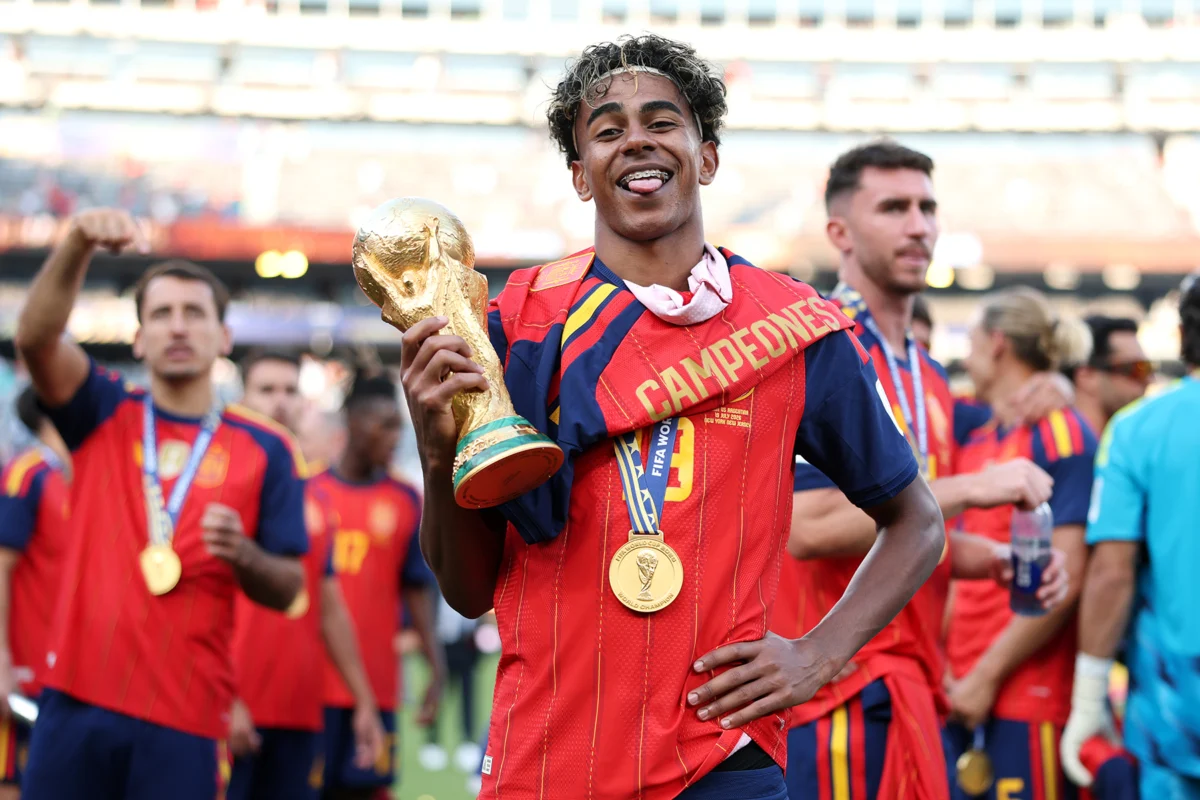
The 2026 FIFA World Cup concluded in dramatic fashion on Sunday, July 19, 2026, as Spain secured its second world title by defeating Argentina 1-0 at the New York New Jersey Stadium in East Rutherford. The victory marks a historic milestone for Spanish football, occurring sixteen years after their maiden triumph in South Africa. In the wake of this achievement, the cultural impact of the win has resonated globally, prompted in part by a massive celebratory effort from major media outlets, including a comprehensive musical tribute curated by Billboard.
The tournament, which began on June 11, spanned across three host nations—the United States, Mexico, and Canada—and featured an expanded format that brought together 48 nations. The final match at MetLife Stadium served as the pinnacle of a month-long celebration of international sport, culminating in a narrow but decisive victory for the Spanish national team, often referred to as "La Roja."
A Decisive Final at MetLife Stadium
The final match between Spain and Argentina was characterized by tactical discipline and high-stakes tension. Before a capacity crowd of over 82,000 spectators, Spain managed to break the deadlock in the second half, maintaining a 1-0 lead until the final whistle. This scoreline mirrors Spain’s 2010 victory over the Netherlands, further cementing the 1-0 result as a hallmark of Spanish resilience in championship finals.
Lamine Yamal, the 19-year-old sensation who has become the face of Spain’s new generation of talent, was central to the team’s success throughout the tournament. Images of Yamal hoisting the FIFA World Cup Winner’s Trophy have quickly become iconic, symbolizing the shift in power within European football toward a younger, more dynamic roster. The victory also represents a significant disappointment for Argentina, the defending 2022 champions, who were seeking to secure a consecutive title in what many analysts believed to be the final World Cup appearance for several of their veteran stars.
Chronology of the 2026 World Cup Campaign
The journey to the final began on June 11, 2026, with opening ceremonies held simultaneously across the three host countries. Spain’s path to the trophy was marked by consistent performance and a defensive solidity that saw them concede very few goals during the knockout stages.
- Group Stage (June 11 – June 27): Spain emerged as leaders of their group, showcasing a blend of traditional possession-based football and modern counter-attacking speed.
- Round of 32 and Round of 16 (June 28 – July 7): As the first 48-team tournament, the introduction of the Round of 32 added an extra layer of fatigue and tactical demand. Spain navigated these rounds by utilizing the depth of their bench, with key contributions from both veterans and newcomers.
- Quarter-finals and Semi-finals (July 9 – July 15): Spain faced rigorous competition from traditional European and South American powerhouses, eventually securing their spot in the final after a grueling semi-final match that tested their endurance.
- The Final (July 19): The 1-0 victory over Argentina at MetLife Stadium concluded the 39-day tournament, sparking immediate celebrations across the Iberian Peninsula and among the Spanish diaspora worldwide.
Cultural Resonance and the Billboard Playlist
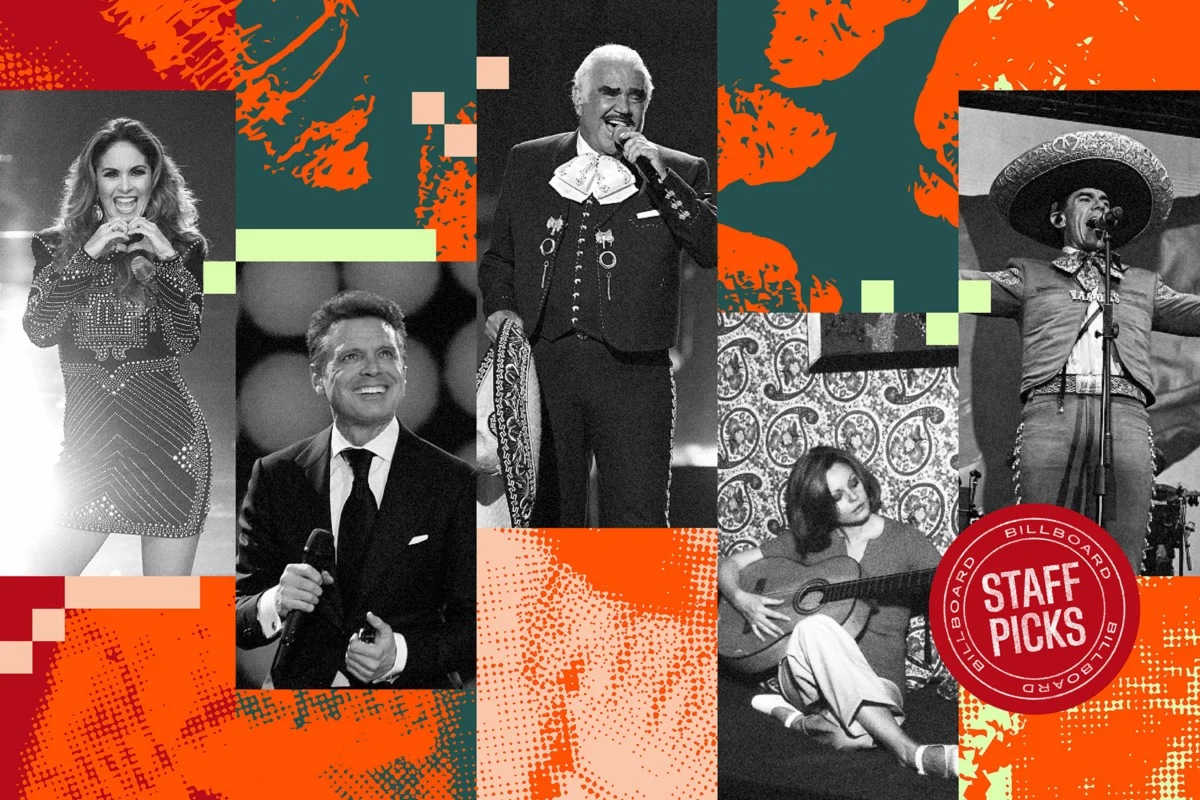
Recognizing the intersection of sport and national identity, Billboard has released a curated playlist titled “Spain’s World Cup in Music.” This collection serves as a sonic history of the country, bridging the gap between historical anthems and contemporary chart-toppers. The playlist consists of 75 songs, totaling over four hours of music, designed to soundtrack the victory parades and private celebrations following the team’s return to Madrid.
The selection highlights the evolution of Spanish music over the decades. It includes "Y Viva España" by Manolo Escobar, a track that has remained a staple of Spanish pride since the 1970s. This is contrasted with modern global hits like "Macarena" by Los Del Rio and "Aserejé" by The Ketchup, both of which represent moments when Spanish pop culture achieved total global saturation.
Furthermore, the playlist acknowledges the collaborative nature of the modern music industry. Notable inclusions are Alejandro Sanz’s “La Tortura,” featuring Shakira, and Enrique Iglesias’s “Bailando,” featuring Gente de Zona and Descemer Bueno. The latter holds a significant place in music history, having spent 41 weeks at No. 1 on the Hot Latin Songs chart in 2014. These tracks underscore the enduring influence of Spanish artists on the global stage, paralleling the success of the national football team.
Statistical Analysis of Music and Sports Trends
Data from the 2026 tournament indicates a high correlation between on-field success and streaming activity. Currently, the track “La Graciosa” by Quevedo and Elvis Crespo holds the No. 1 position on the Billboard Spain Songs chart. This peak in popularity is attributed to its frequent use in stadium broadcasts and social media highlights featuring the Spanish squad.
The playlist also reflects the diversity of the Spanish music scene, featuring legendary figures such as:
- Julio Iglesias and Raphael: Representing the classic "crooner" era of Spanish balladry.
- Paco de Lucía: Highlighting the traditional roots of Flamenco.
- Aitana and Quevedo: Showcasing the "New Wave" of Spanish pop and urban music that appeals to the same demographic as the young stars of the national team.
Streaming data suggests that during the 2026 World Cup, Spanish-language music saw a 22% increase in global listeners, driven by the festive atmosphere in host cities like New York, Los Angeles, and Mexico City.
Official Reactions and Global Impact
Following the final whistle, the Spanish Royal Family and Prime Minister issued statements praising the team’s "exemplary conduct and unwavering spirit." FIFA President Gianni Infantino remarked on the success of the expanded format, noting that the 2026 final reached a record-breaking global broadcast audience, estimated to exceed 1.5 billion viewers.
In Argentina, the reaction was one of somber reflection. The Argentine Football Association (AFA) released a brief statement thanking the players for their effort and acknowledging Spain as "worthy champions." The rivalry between the two nations, rooted in shared language and deep historical ties, added a layer of emotional weight to the proceedings, making the 1-0 result a topic of intense discussion in sports media across Latin America and Europe.
Broader Implications for the Sport
Spain’s victory in 2026 carries several long-term implications for international football. Firstly, it validates the youth development programs implemented by the Royal Spanish Football Federation (RFEF) over the last decade. By integrating young talents like Lamine Yamal into the senior squad early, Spain has managed to rebuild a championship-winning team faster than many of its rivals.
Secondly, the 2026 World Cup demonstrated the logistical viability of a multi-national, 48-team tournament. Despite initial concerns regarding travel distances and scheduling, the event is being hailed as a commercial success. The choice of MetLife Stadium for the final also highlighted the growing importance of the North American market in the global football economy.
Finally, the integration of music and culture into the World Cup experience continues to deepen. The "Spain’s World Cup in Music" playlist is more than a collection of songs; it is a document of a nation’s journey. From the uplifting "Bonito" by Jarabe de Palo to the empowering "Creo en Mí" by Natalia Jiménez, the music reflects the resilience and optimism of a country that has once again reached the pinnacle of the sporting world.
As the Spanish team returns home to a victory parade through the streets of Madrid, the echoes of both classic and contemporary hits will provide the soundtrack to a summer that will be remembered for generations. The 2026 FIFA World Cup has not only crowned a new champion but has also reaffirmed the power of sport and music to unite a global audience in shared celebration.