Reynand Wu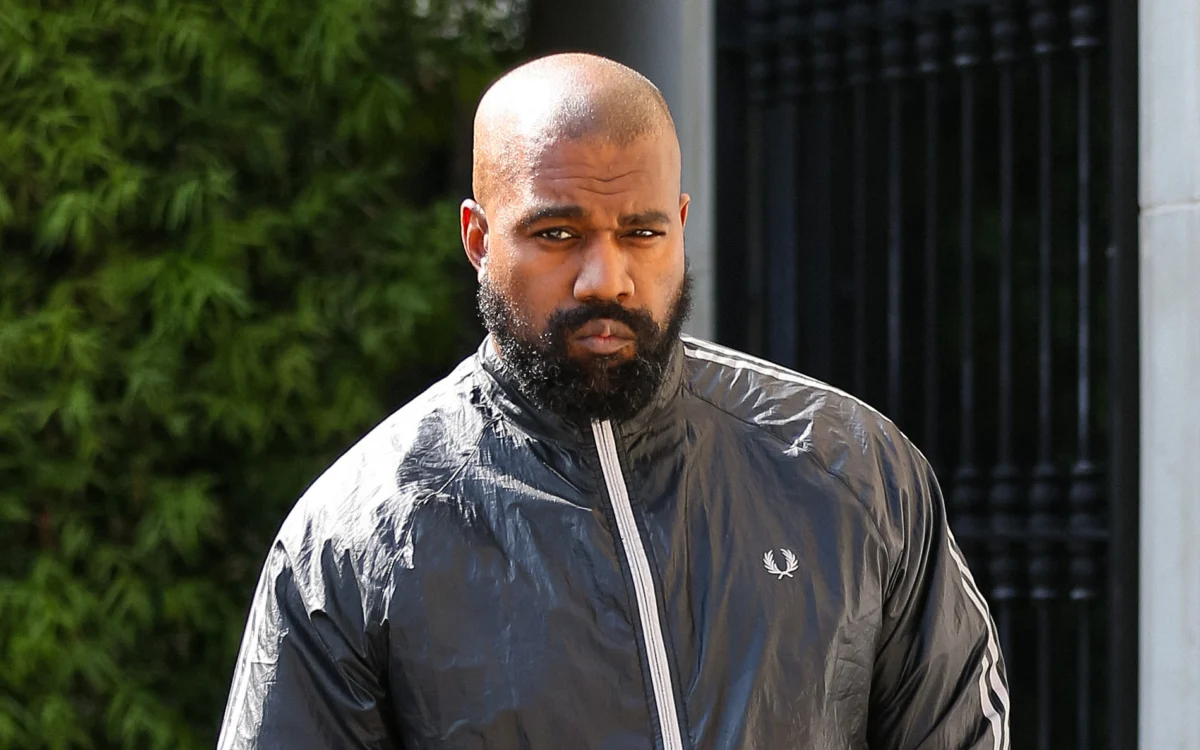
Wireless Festival, one of the United Kingdom’s most prominent annual music events, has been officially canceled following the Home Office’s decision to deny entry to the festival’s primary headliner, Kanye West, known professionally as Ye. The London-based festival, which was scheduled to take place from July 10 to July 12, released a definitive statement on Tuesday, April 7, confirming that the regulatory barrier posed by the UK government rendered the event unfeasible. As a consequence of the Home Office’s refusal to grant the artist entry, organizers have confirmed that all ticket holders are entitled to an automatic, full refund of their purchase.
The decision represents a major logistical and financial blow to the UK live music industry, as the festival had positioned the Chicago-born artist as the sole headliner for all three nights. This cancellation follows a period of intense public and political scrutiny that had been building for weeks, centered on the artist’s history of controversial rhetoric, specifically his documented antisemitic remarks and praise for Nazi ideology.
A Chronology of Escalating Tensions
The path to this cancellation was marked by a steady escalation of pressure from various stakeholders, including corporate sponsors, civil rights advocacy groups, and high-ranking government officials. The controversy began to intensify shortly after the initial announcement of the lineup, as major corporate entities—including Pepsi, PayPal, and beverage conglomerate Diageo—publicly withdrew their financial support. These companies cited the artist’s past statements as incompatible with their corporate values, effectively signaling a loss of institutional confidence in the festival’s booking strategy.
The political climate surrounding the booking reached a fever pitch when UK Prime Minister Sir Keir Starmer publicly addressed the situation, describing the decision to feature Ye as "deeply concerning." This intervention from the head of government underscored the gravity of the situation, shifting the discourse from a private industry matter to one of national public interest.
On Monday, April 6, the situation reached its administrative climax when representatives for the artist submitted an application for an Electronic Travel Authorization (ETA) to facilitate his entry into the United Kingdom. The Home Office reviewed the submission and reached a swift conclusion, rejecting the application on the grounds that the artist’s presence in the country would not be "conducive to the public good." This legal standard is frequently utilized by the UK government to exclude individuals whose entry is deemed to pose a risk to public order or social cohesion.
The Stance of Festival Management
Prior to the government’s intervention, the management of Festival Republic, the organization overseeing Wireless, had mounted a vocal defense of their booking decision. Melvin Benn, the managing director of the company, had argued that the artist’s music remains a staple of the global cultural landscape and continues to be widely broadcast on UK radio stations and streaming platforms without systemic censorship.
Benn’s argument rested on the principle of separating the artist’s personal views from his professional output. "What Ye has said in the past about Jews and Hitler is as abhorrent to me," Benn stated in an earlier press release. "We are not giving him a platform to extol opinion of whatever nature, only to perform the songs that are currently played on the radio stations in our country." Benn further emphasized a philosophy of "forgiveness," urging critics to reconsider their stance in an era he described as increasingly divisive. However, this defense failed to sway the regulatory bodies, who ultimately prioritized public safety and national standards over the promoter’s contractual commitments.
The Artist’s Attempted Reconciliation
In the hours preceding the Home Office’s final ruling, the artist attempted to mitigate the backlash through a formal statement. He characterized his upcoming performances as an effort to "present a show of change" and "bring unity, peace and love through my music." Additionally, he extended an olive branch to the British Jewish community, expressing a willingness to meet with representatives in person to listen to their concerns.
The response from the Board of Deputies of British Jews was immediate and firm. They issued a conditional rebuttal, stating, "We are willing to meet Kanye West as part of his journey of healing, but only after he agrees not to play the Wireless Festival this year." The board’s stance reflected a broader sentiment among community advocacy groups that a performance of this scale, following such widely condemned remarks, would be perceived as a failure of moral accountability.
Broader Implications and Industry Impact
The cancellation of Wireless Festival highlights a growing trend of corporate and government-led accountability in the music industry. As festivals and venues become increasingly sensitive to the public image of their performers, the "cancel culture" versus "artistic freedom" debate has moved from social media threads into the halls of government.
Financially, the impact is significant. Wireless Festival is a cornerstone of the London summer, contributing millions to the local economy and supporting thousands of jobs. The loss of the event, coupled with the mass withdrawal of sponsors, creates a chilling effect for other promoters who may now be more hesitant to book artists with significant public controversies. Furthermore, the reliance on the Home Office’s "conducive to the public good" clause sets a precedent for how international touring artists may be scrutinized in the future.
Comparative Context: Domestic Versus International Reception
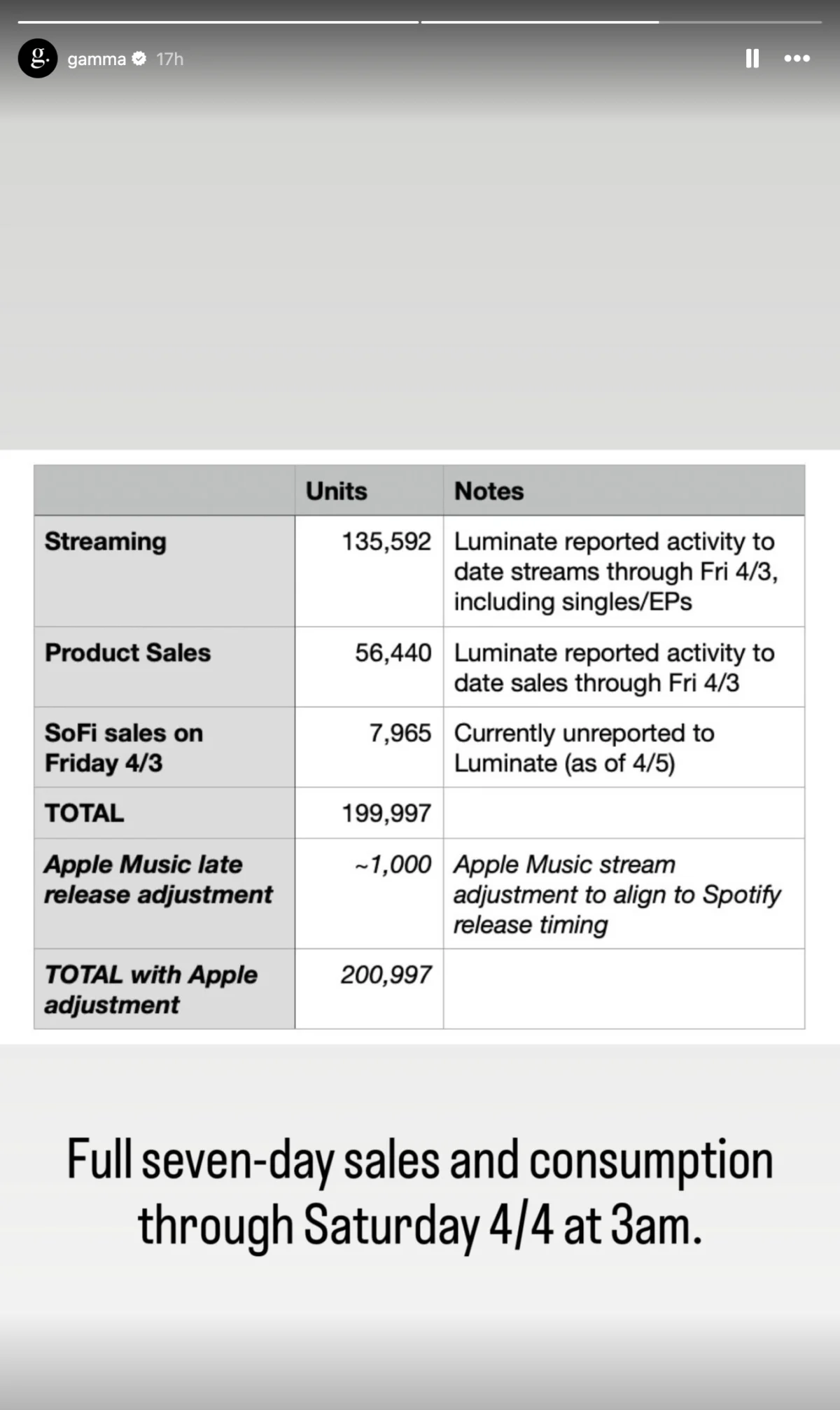
It is worth noting the discrepancy between the artist’s reception in the United Kingdom and his recent activity in the United States. While the UK government found his presence detrimental to public order, Ye has faced minimal interference in his domestic tour dates. His recent performances at Los Angeles’ SoFi Stadium, supporting his latest album Bully, were sold-out affairs. These concerts featured appearances by prominent artists such as Lauryn Hill, Travis Scott, and Don Toliver, suggesting that while the artist remains a polarizing figure, his domestic commercial viability remains largely intact.
This contrast raises questions regarding the varying standards of "public good" across international borders. While the U.S. legal system prioritizes broad First Amendment protections that shield artists from government-mandated performance cancellations, the UK’s immigration framework allows for greater discretion in determining who is permitted to enter the country for the purpose of work.
Conclusion: The Future of Live Events
The Wireless Festival cancellation serves as a case study in the intersection of celebrity, politics, and public accountability. For the fans who held tickets, the disappointment is compounded by the loss of a major cultural event. For the organizers, the situation represents an expensive lesson in the risks of prioritizing artistic booking over brand alignment and community sentiment. As the dust settles, the event will likely be remembered not for the music that would have been played, but for the stark limitations now placed on global entertainers whose public profiles clash with the values of the nations they seek to visit.
As of Tuesday evening, there have been no further comments from the artist’s representatives regarding the cancellation or his future international touring prospects. For now, the London summer landscape remains significantly altered, with the void left by Wireless Festival serving as a reminder of the shifting boundaries between personal expression and public consequences.