Indra Aziz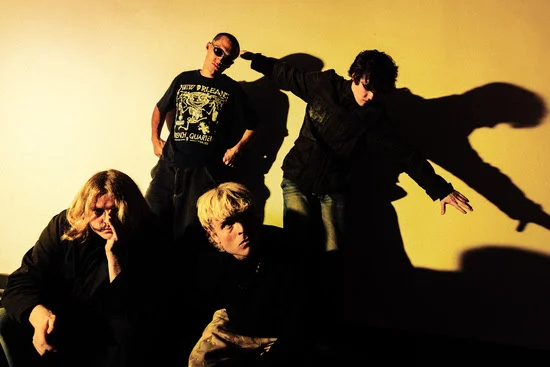
The contemporary British alternative rock landscape has witnessed the rapid ascent of a formidable new creative force as Keo officially unveils its comprehensive debut studio album, Put A Smile On For Me. Released to critical anticipation on September 25, 2026, the full-length record arrives at a pivotal juncture for the four-piece ensemble, solidifying their transition from underground guitar-scene favorites to one of the most compelling breakout acts of the decade. Anchored by the magnetic stage presence of frontman Finn Keogh, the band has spent the past twenty-four months methodically building a fiercely loyal following through relentless touring, a string of critically praised singles, and an undeniable live reputation that has continuously outstripped traditional industry developmental timelines.
The arrival of Put A Smile On For Me serves as a defining testament to the band’s artistic ethos, capturing the raw, unfiltered electricity that has defined their trajectory. Primarily recorded live to 2-inch tape in order to preserve the kinetic energy of their performances, the album was self-produced by vocalist Finn Keogh alongside lead guitarist Jimmy Lanwern. This hands-on production approach has yielded a trim, potent sonic document that skillfully bridges generational soundscapes. Drawing heavily upon the abrasive, textural guitar interplay and angst-ridden dynamics of 1990s grunge, Keo simultaneously infuses their arrangements with the sleek, high-definition alternative sensibilities of the mid-2020s, all while maintaining a sharp, melodic pop undercurrent that ensures immediate emotional resonance.
The Chronology of an Improbable Breakthrough
To understand the cultural weight surrounding the release of Put A Smile On For Me, one must examine the deliberate, high-velocity timeline that brought Keo to this milestone. Emerging from the vibrant independent gig circuits of the United Kingdom, the band initially captured the attention of tastemakers through word-of-mouth acclaim in subterranean music venues. Rather than relying on immediate studio polish, Keo forged their identity in the crucible of the live environment, an approach that rapidly cultivated a palpable, symbiotic connection with their burgeoning fanbase.
Throughout late 2024 and 2025, a calculated succession of standalone singles introduced the wider public to their hybrid sonic palette. Tracks such as "Bleed" and "Hollow Ground" received heavy rotation across alternative radio formats, steadily building anticipation for a larger body of work. This momentum culminated during the summer festival circuit of 2026, where Keo delivered widely celebrated, critically acclaimed performances at the Reading and Leeds Festivals. Playing to capacity-packed tents, the band cemented their status as essential viewing, turning casual festival-goers into dedicated adherents and triggering an unprecedented surge in demand for their subsequent headline endeavors.
The commercial validation of this festival success quickly manifested at the box office. Following the announcement of their Autumn 2026 headline tour, the band experienced an unbroken chain of immediate, sell-out announcements across major metropolitan venues throughout the United Kingdom. This unprecedented ticket demand forced promoters to continually reassess venue capacities, culminating in milestone bookings that signal a major upward shift in the band’s career trajectory.
Production Anatomy and Artistic Philosophy
Behind the dense, atmospheric walls of sound on Put A Smile On For Me lies a meticulous, purist recording philosophy. Eschewing the heavily quantized, over-processed production style that frequently dominates contemporary mainstream rock, Keogh and Lanwern opted for an organic workspace. By tracking the bulk of the album live in the studio, the duo captured the genuine interplay, human imperfections, and dynamic fluctuations that define a genuine band dynamic rather than a studio construct.
Industry analysts and early reviewers have noted that the self-produced nature of the record has granted Keo absolute artistic autonomy. This creative independence is directly reflected in the thematic and sonic breadth of the tracklist. Lyrically, the album navigates themes of modern disillusionment, existential anxiety, and the fragile nature of personal resilience—sentiments that deeply resonate with a demographic of listeners navigating the economic and social uncertainties of the mid-2020s. Musically, the juxtaposition of down-tuned, fuzz-laden guitar riffs against soaring, highly infectious vocal hooks creates a sophisticated tension that elevates the material far above standard revivalist genre tropes.
Live Circuit Domination and Commercial Scale
The commercial viability of Keo’s debut release is currently being mirrored by an extraordinary live touring schedule that ranks among the most successful for a debuting alternative act in recent memory. The band’s autumn promotional campaign is characterized entirely by sold-out banners across every designated stop, illustrating a rare depth of market penetration.
A central highlight of this routing is the band’s upcoming performance at London’s historic O2 Forum Kentish Town on October 30, 2026—a venue renowned for hosting landmark performances by emerging artists on the precipice of arena-level stardom. Demonstrating extreme forward momentum, tour promoters have already locked in subsequent dates for the following year, including a headline slot at the legendary O2 Academy Brixton scheduled for March 12, 2027. Tickets for the Brixton engagement vanished within hours of going on sale, further reinforcing the notion that Keo’s current cultural footprint is expanding at an exponential rate.
Music industry economists point out that selling out venues of this magnitude prior to the release of a second album indicates a profound paradigm shift in how modern alternative audiences consume music. Rather than relying on legacy media gatekeepers, Keo has harnessed direct-to-fan digital engagement coupled with world-class, high-intensity live performance to build a self-sustaining commercial ecosystem.
Industry Implications and Cultural Impact
The release of Put A Smile On For Me arrives at a critical juncture for the British guitar music sector. For years, industry commentators have debated the viability of traditional rock instrumentation within a pop-dominated chart landscape. Keo’s multi-format success—bridging critical acclaim from purist rock publications with viral streaming momentum—suggests that the appetite for visceral, guitar-driven music is not only intact but actively evolving.
By successfully synthesizing the raw aesthetics of 90s alternative with contemporary production values, Keo has positioned themselves at the vanguard of a new wave of British alternative rock. The implications of their debut album extend beyond mere chart positions; it establishes a new benchmark for self-reliance and artistic control among developing artists.
As the band embarks on their sold-out national tour, the broader music industry will be closely monitoring their trajectory. If Put A Smile On For Me is any indication of their creative capacity, Keo is not merely experiencing a fleeting moment of hype, but rather laying the permanent foundation for a long and influential career at the summit of modern alternative music.