Kholidah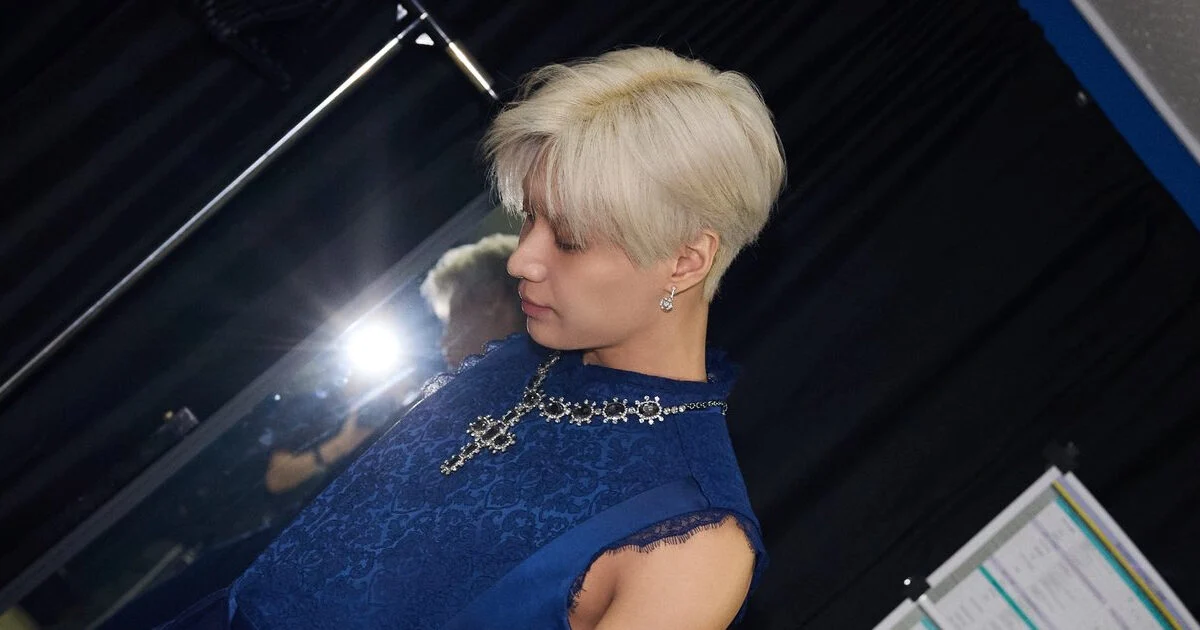
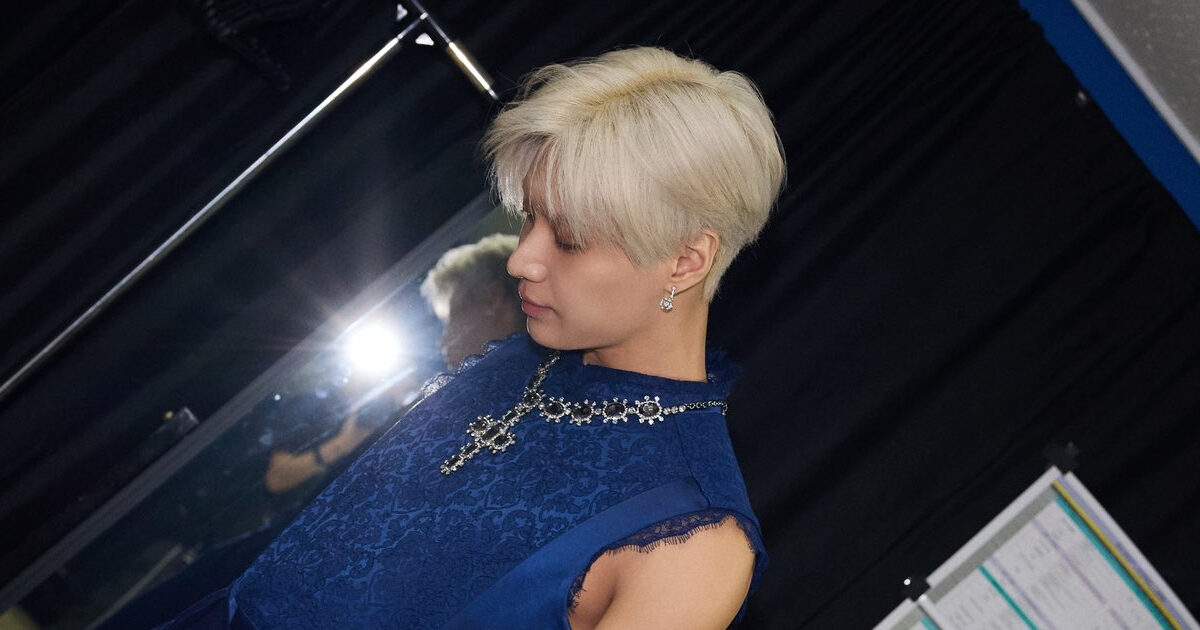
The highly anticipated North American leg of SHINee member Taemin’s LiMiNaL world tour has been officially postponed, casting a shadow of uncertainty over one of the year’s most significant K-pop concert events. The announcement, released late September 2026, cited persistent administrative hurdles regarding U.S. visa approvals as the primary catalyst for the decision. This development marks a significant setback for both the artist and his production team, who were prepared to bring an elaborate, high-scale performance to major arenas across the United States.
The Scope of the Postponement
According to the official statement provided by Taemin’s management, the postponement was necessitated by ongoing delays in the processing of U.S. visas for key touring and production personnel. These individuals are essential to the logistical execution of the LiMiNaL tour, ranging from specialized lighting and stage technicians to sound engineers and creative directors. Without the confirmed legal status of these crew members, the production cannot move forward as scheduled.
The decision impacts all currently slated North American dates. Ticket holders are being informed that the existing schedule is effectively suspended, with the promise of a full refund for those who purchased tickets. While the management has expressed a commitment to rescheduling, a definitive timeline remains elusive. The complexity of U.S. immigration and visa processing for non-resident entertainment workers is frequently cited as a high-friction area in international touring, and this instance serves as a prominent example of how bureaucratic volatility can derail multi-million dollar entertainment ventures.
Contextualizing the Visa Crisis in the Entertainment Industry
The difficulties faced by Taemin and his team are not an isolated occurrence. In recent years, international artists performing in the United States have faced a narrowing window of predictability regarding visa approvals. The O-1 and P-1 visa categories, which are standard for musicians and their support staff, have seen an increase in processing times and a higher frequency of "Request for Evidence" (RFE) notices.
Industry experts note that the post-pandemic landscape has created a backlog within the U.S. Citizenship and Immigration Services (USCIS) system. While large-scale tours managed by global promoters like AEG or Live Nation typically have legal departments dedicated to navigating these waters, even significant institutional backing cannot bypass the manual review processes required for international work permits. When a tour requires the movement of dozens of foreign nationals—including dancers, choreographers, and technical crew—the failure of a single individual to secure timely authorization can cause a domino effect, leading to the cancellation or postponement of entire legs of a tour.
Chronology of Events
The buildup to the LiMiNaL tour had been marked by intense fan enthusiasm. Following the initial tour announcement earlier in the year, ticket sales were robust, signaling strong demand for Taemin’s solo work in the American market.
- Mid-2026: Initial tour dates for the North American leg of LiMiNaL are announced, with ticket sales commencing shortly thereafter.
- Early September 2026: Preliminary logistical coordination begins for the transport of equipment and personnel.
- Late September 2026: Management identifies that the visa processing timeline for essential staff is not aligning with the scheduled tour kickoff.
- September 28, 2026: An official notice is issued to the public, confirming the postponement of all North American dates and the initiation of a refund process for ticket holders.
- Current Status: Management is actively engaging with immigration counsel to rectify the documentation issues while exploring potential dates for a rescheduled tour.
Industry and Fan Reactions
The announcement has triggered a wave of frustration among the international fan base, who had made significant financial commitments, including non-refundable travel arrangements and hotel bookings. On social media platforms and fan forums, the discourse has shifted from excitement to criticism of the administrative hurdles that prevented the tour from proceeding.
Prominent K-pop industry observers, such as journalist Jeff Benjamin, highlighted the irony of the situation, noting that the presence of high-level promoters like AEG should theoretically streamline these processes. The fact that such a major tour is still being stalled speaks to the severity of the systemic issues within the current visa framework.
Community-led organizations, such as the SHINee USA fan forums, have expressed their own shock, noting that they were in the middle of coordinating fan-led projects and logistics when the news broke. These groups have urged patience, acknowledging that the delay is not a result of artist negligence but rather a failure of international administrative systems that often struggle to accommodate the rapid, mobile nature of the global entertainment industry.
Broader Economic and Cultural Implications
The postponement of the LiMiNaL tour carries financial implications that extend far beyond ticket refunds. Touring is the primary revenue engine for modern artists, particularly in the K-pop genre, where production costs are exceptionally high. A postponement necessitates the storage of equipment, the potential loss of venue deposits, and the renegotiation of contracts with domestic vendors.
Furthermore, there is a cultural cost. The inability of international artists to fulfill U.S. tour dates due to administrative reasons limits cultural exchange and can affect the perceived viability of future tours. When artists face repeated bureaucratic barriers, they may be less inclined to schedule U.S. dates in the future, fearing that the financial risk of a last-minute cancellation outweighs the potential revenue.

From a policy standpoint, the entertainment industry has long lobbied for a more efficient visa system for cultural performers. The current structure, which relies on decades-old frameworks, is increasingly ill-suited to the demands of modern globalized pop culture. The "incompetence" cited by fans in their social media discourse reflects a broader consensus among industry professionals that the current U.S. system for "extraordinary ability" workers is cumbersome, slow, and increasingly prone to errors that have tangible economic consequences.
Looking Ahead
As of the current writing, there has been no official announcement regarding the specific dates for the rescheduled tour. The management has emphasized that they are working diligently to resolve the visa bottlenecks, but the unpredictability of government processing times means that a concrete update may not be available for several weeks.
For ticket holders, the immediate priority is the refund process. Management has indicated that all refunds will be processed through the original points of purchase. Fans are encouraged to monitor the official SHINee and Taemin social media channels for updates, as these will serve as the primary sources of verified information.
The situation surrounding Taemin’s LiMiNaL tour serves as a case study in the vulnerability of global entertainment tours. It highlights the intersection of art and bureaucracy, where even the most meticulous planning can be disrupted by factors outside of the artist’s control. As the industry continues to navigate this landscape, the focus remains on whether future policy adjustments might allow for a more streamlined, predictable process for artists to share their craft with audiences worldwide.
In the meantime, the postponement remains a stark reminder of the complexities inherent in modern international touring, leaving fans to wait for further word on when they might finally see Taemin take the stage in North America. The resilience of both the artist and the fandom will be tested as they await the outcome of these ongoing administrative efforts. With the industry watching closely, the resolution of this matter could set a precedent for how similar logistical hurdles are handled in the future, emphasizing the need for greater transparency and efficiency in international cultural movement.