Kholidah
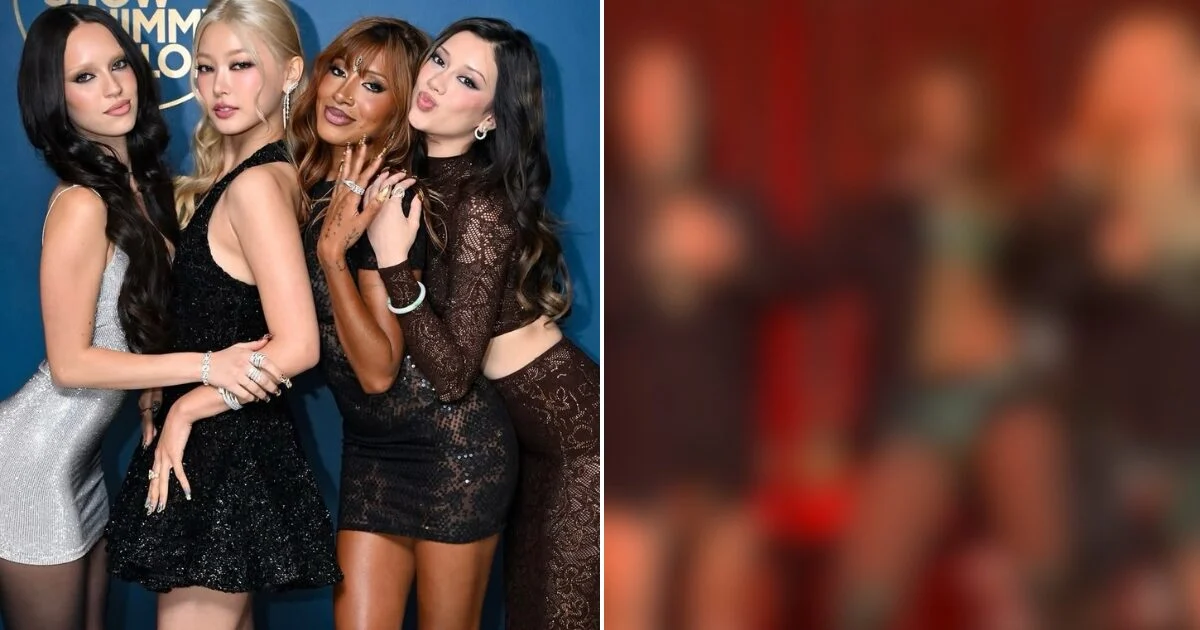
The K-pop industry is currently grappling with a fresh controversy involving NTX member Xiha, following a series of online allegations that have gained significant traction on social media platforms. Over the weekend, an anonymous netizen published a collection of digital breadcrumbs and visual evidence, asserting that the idol is currently in a romantic relationship. The claims, which center on social media activity and photographic evidence, have sparked an intense debate among fans and industry observers regarding the boundaries of privacy for public figures in the entertainment sector.
The allegations surfaced on September 27, 2026, when a user began a countdown on an anonymous account, eventually releasing a thread that purportedly links the social media output of an alleged partner to various personal effects worn by Xiha. The evidence presented includes claims of matching jewelry, shared travel itineraries, and a highly scrutinized photograph that the poster claims reveals a distinctive birthmark on Xiha’s hand, effectively serving as a biological identifier to confirm his presence in the images.
Chronology of the Allegations
The timeline provided by the accuser suggests a series of events occurring in August 2026, a period that coincides with the group’s active promotional cycle. According to the claims:
- August 11, 2026: The accuser alleges that Xiha returned to South Korea following overseas commitments.
- August 12, 2026: The accuser claims that Xiha spent the following day celebrating his alleged partner’s birthday, emphasizing the proximity of the two dates as a point of contention.
- August 2026 (Late): The timeline further alleges that the pair traveled to Japan together. During this period, the accuser highlights the appearance of matching rings, which they claim the idol continued to wear during subsequent fan engagement events, including a scheduled fansign.
The digital investigation went further by pointing to the establishment of a private social media account that allegedly followed the partner’s profile, a move that the accuser interpreted as a lack of discretion regarding the relationship. Additionally, a short video clip, which appears to depict two individuals embracing, was shared as the final piece of "proof" intended to substantiate the romantic nature of the connection.

The Role of Parasocial Scrutiny in K-Pop
This incident highlights a recurring phenomenon in the South Korean entertainment industry, where the "dating scandal" remains one of the most volatile triggers for fan backlash. The professional standards for K-pop idols often involve maintaining a carefully curated public persona that suggests total dedication to the fanbase. When an idol is perceived to have a romantic life, particularly one that involves public displays—or in this case, "leaked" signs—of affection, it often results in a significant fracture between the artist and their supporters.
In the case of NTX and Xiha, the reaction has been polarized. Some netizens have adopted an aggressive stance, criticizing the idol for what they deem to be a lack of professional awareness. The specific criticism—that he chose to wear a matching ring to a fan-facing event—is a common trope in these controversies, viewed by some fans as a sign of disrespect toward the effort and money they invest in the group’s career. The harsh commentary from some observers, including references to the idol’s tenure in the industry, underscores the pressure on artists to prioritize their professional trajectory above their private lives.
Conversely, a growing segment of the K-pop community has pushed back against these invasive tactics. As noted by various commentators on social media, the act of "digging" for evidence is being increasingly framed as an ethical violation of an idol’s personal autonomy. These observers argue that the commodification of an idol’s image does not grant the public the right to monitor their private interactions, nor does it justify the "doxing" or forensic-level scrutiny of their personal belongings and physical attributes.
Industry Context and Potential Implications
NTX, which debuted under Victory Company, has been working to solidify its position within the competitive landscape of the K-pop industry. For a group currently in the growth phase, any controversy—regardless of its validity—can have tangible impacts on the group’s branding and marketability.
When dating rumors arise, the standard operating procedure for management agencies usually falls into three categories: complete denial, a "no comment" stance, or, in rare cases of high-profile proof, a confirmation that typically aims to control the narrative. As of this writing, Victory Company has not issued an official statement regarding the claims made against Xiha. The lack of an immediate response is common in the initial stages of such controversies, as agencies often conduct internal reviews to determine the authenticity of the "leaked" materials and the potential impact on brand partnerships.

If the allegations are confirmed or remain unaddressed, the potential implications include:
- Brand Perception: For younger, developing groups, the loss of the "single and available" image can shift the demographic of the fanbase. While it rarely leads to the end of a career, it often requires a recalibration of the group’s marketing strategy.
- Fan Engagement: The sentiment expressed by the initial accuser suggests that the core issue for some fans is not necessarily the relationship itself, but the perceived lack of "professionalism" in hiding it. This tension often leads to a decrease in physical album sales or attendance at fan events if a vocal subset of the fanbase feels betrayed.
- Digital Privacy Standards: This incident will likely contribute to the ongoing conversation regarding the use of AI-enhanced forensic tools and investigative techniques by fans to uncover private information. The ability to identify an idol via a birthmark or a piece of jewelry represents a significant evolution in the level of scrutiny artists face in the digital age.
Conclusion
The viral nature of these claims against Xiha serves as a poignant case study for the current state of fan-idol relations. While the objective truth of the allegations remains unverified by official sources, the speed at which the information spread highlights the vulnerabilities inherent in modern digital consumption. As the industry continues to evolve, the tension between the desire for transparency and the fundamental human right to privacy remains unresolved.
For the time being, the focus remains on whether Victory Company will choose to address the mounting pressure from netizens or allow the controversy to dissipate through silence. In an industry where public perception is a primary currency, the handling of this narrative will be a critical test for the agency’s crisis management capabilities and for Xiha’s ability to navigate the transition from a rising idol to a mature professional in the public eye. As the conversation continues to unfold across social media platforms, it remains clear that the boundary between private life and professional obligation will continue to be a site of contention for all involved.