Kholidah
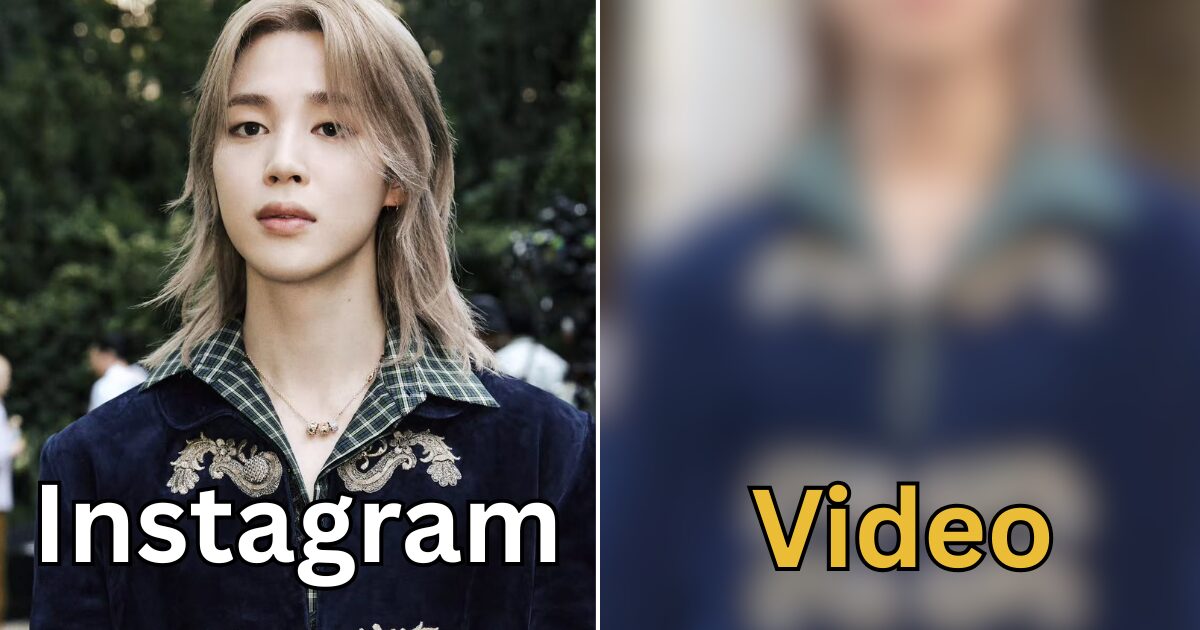
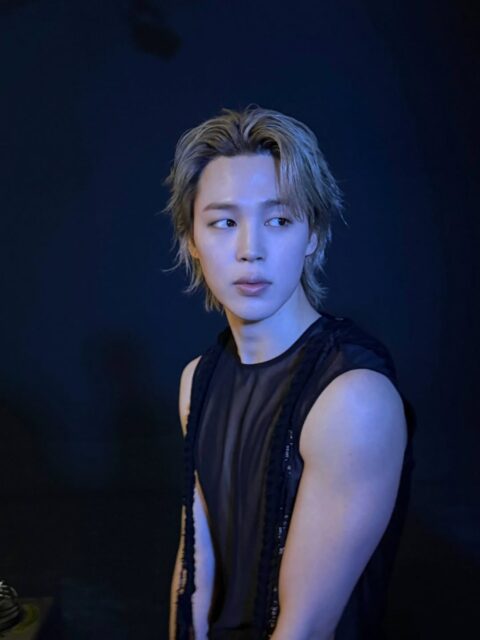
The global fashion landscape recently converged in Paris for the highly anticipated Dior Homme Menswear Spring/Summer 2027 show, an event that traditionally garners significant international attention due to its high-profile guest list and avant-garde designs. Among the most prominent attendees was Park Ji-min, better known as Jimin of the South Korean boy band BTS. As a global brand ambassador for the luxury house, Jimin’s presence was expected to be a highlight of the season. However, the discourse surrounding his appearance took an unexpected turn following the release of unedited video footage and high-definition photography from the event. These visuals have incited a wave of intense scrutiny and brutal criticism across social media platforms, highlighting a growing tension between the curated aesthetics of the K-pop industry and the raw reality of high-definition digital media.
Context of the Dior Spring/Summer 2027 Presentation
The Dior Homme Spring/Summer 2027 show, helmed by artistic director Kim Jones, was staged against the backdrop of Paris’s historic architecture, drawing a crowd of elite fashion editors, influencers, and global celebrities. Since being appointed as a global ambassador for Dior in early 2023, Jimin has been a focal point of the brand’s marketing strategy, particularly in the Asian market. His partnership with the French maison is part of a broader trend where luxury brands leverage the massive digital reach and loyal fanbases of K-pop idols to drive Media Impact Value (MIV).
In previous seasons, Jimin’s appearances have been credited with generating millions of dollars in earned media for Dior. For the 2027 show, the idol arrived in a meticulously styled ensemble that reflected the brand’s current direction. While initial professional photographs released by the agency and the brand showed the idol in a polished light, it was the subsequent "unedited" content from independent media outlets that shifted the narrative.

The Catalyst: Viral Media and the "Unedited" Aesthetic
The controversy gained momentum after a video posted by the media outlet etalk on TikTok began to circulate widely. Unlike official promotional videos, which often undergo color grading and skin-smoothing post-production, this footage appeared to be captured in natural, harsh outdoor lighting. The high-resolution nature of modern digital cameras reveals textures, fine lines, and the effects of travel-induced fatigue—elements that are typically absent from the "perfectionist" imagery associated with K-pop idols.
As the video garnered millions of views, the comment sections became a battleground of opinions. A segment of the audience expressed shock at the difference between the idol’s "unedited" appearance and the airbrushed images frequently seen in magazines and on official social media channels. The criticism ranged from observations about his skin texture to more malicious comments regarding his aging process and physical condition. This backlash was not an isolated incident but rather a continuation of a "visual controversy" that had begun days earlier when Getty Images—noted for their strict no-edit policy—released high-fidelity portraits of the star.
Chronology of the Controversy
To understand the scale of the backlash, it is necessary to examine the timeline of the event’s digital footprint:
- Arrival and Initial Buzz (June 24, 2026): Jimin arrives in Paris. Fans gather in large numbers outside his hotel and the venue. Social media is flooded with low-resolution fan-taken videos that maintain the traditional "idol" aesthetic.
- The Show (June 25, 2026): The Dior Homme show takes place. Official photographers release curated shots. The sentiment is overwhelmingly positive, focusing on the fashion and the "Jimin Effect" on the crowd.
- The Getty Images Release (June 25, 2026, Evening): High-definition, unedited photos from the event are uploaded to press databases. These images show the idol’s natural skin texture under bright flash photography. A small wave of negative discourse begins on niche forums.
- The etalk TikTok Viral Moment (June 26, 2026): A video titled "Talk about a LOOK!" is posted by etalk. The video features Jimin posing and interacting with the press. The comments section quickly fills with thousands of remarks, many of which are critical of his "visuals."
- Global Fan Defense (June 26–27, 2026): The BTS fanbase, known as ARMY, begins a counter-campaign to drown out the negativity. They emphasize the unrealistic beauty standards placed on idols and point out the physical toll of a global schedule.
Supporting Data: The Pressure of Global Ambassadorship
The scrutiny faced by Jimin is reflective of the immense pressure placed on K-pop stars who represent luxury brands. According to data from Launchmetrics, K-pop idols consistently outperform traditional Western celebrities in terms of MIV. For example, in previous fashion cycles, a single post from a BTS member could generate upwards of $15 million in MIV for a brand like Dior or Louis Vuitton.

However, this high value comes with the expectation of maintaining a "god-like" image. The K-pop industry is built on a foundation of visual perfection, achieved through rigorous training, skincare regimens, and sophisticated digital editing. When a "raw" image or video disrupts this illusion, it often triggers a psychological phenomenon known as the "uncanny valley" effect in reverse—where the idol appears "too human" for a fanbase accustomed to digital flawlessness.
Industry analysts note that the transition from a group-focused career to individual luxury ambassadorships has increased the individual’s exposure to this type of criticism. While in a group, the visual focus is shared; as a solo representative for a brand like Dior, the idol stands alone under the microscope of the global fashion press.

Sociological and Industry Implications
The "brutal criticism" directed at Jimin raises significant questions about the mental health of public figures and the ethics of digital beauty standards. The K-pop industry has long been criticized for its "lookism," but the emergence of 4K and 8K video technology has made it increasingly difficult to maintain the traditional facade of perfection.
The Realistic Human Standard vs. The Idol Standard
Journalists and industry insiders have begun to weigh in on the debate, suggesting that the backlash is a symptom of a larger societal issue. The expectation that a 30-year-old man (as Jimin is approaching that age bracket in this 2026 context) should possess the poreless skin of a teenager is biologically impossible without significant digital intervention. The "unedited" video serves as a reminder of the human element behind the global brand.

The Impact on Brand Relationships
From a corporate perspective, the controversy is unlikely to sever ties between Jimin and Dior. Luxury brands are increasingly aware of the "humanizing" trend in marketing. While negative comments are undesirable, the sheer volume of engagement—both positive and negative—ensures that the brand remains at the center of the global conversation. Dior’s strategy has historically leaned into the fervor of the BTS fanbase, and the "controversy" only serves to increase the visibility of the Spring/Summer 2027 collection.
Reactions from the Industry and Fandom
While official statements from HYBE (Jimin’s agency) or Dior are rare in response to "visual" criticism, the fan reaction has been a significant part of the narrative. Supporters have pointed out that Jimin had recently traveled across multiple time zones and participated in intensive filming schedules prior to arriving in Paris.
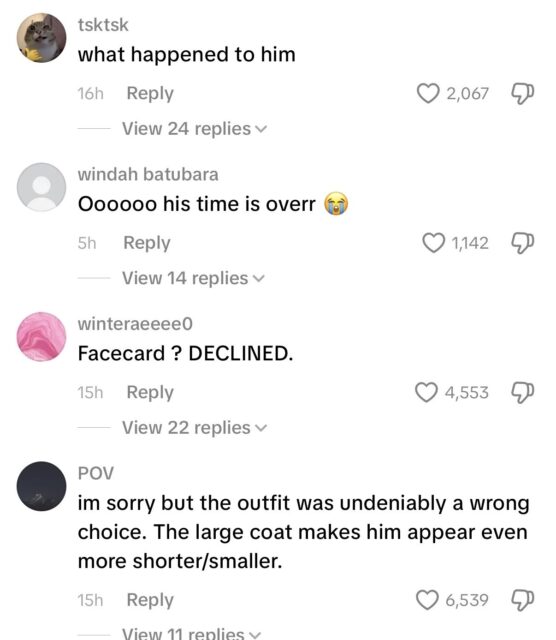
"The criticism is not just about a video; it’s about the dehumanization of idols," one viral post on X (formerly Twitter) argued. "We demand they be human and then attack them for showing signs of being human—like skin texture or tiredness. It is a toxic cycle that the fashion industry and the public need to address."
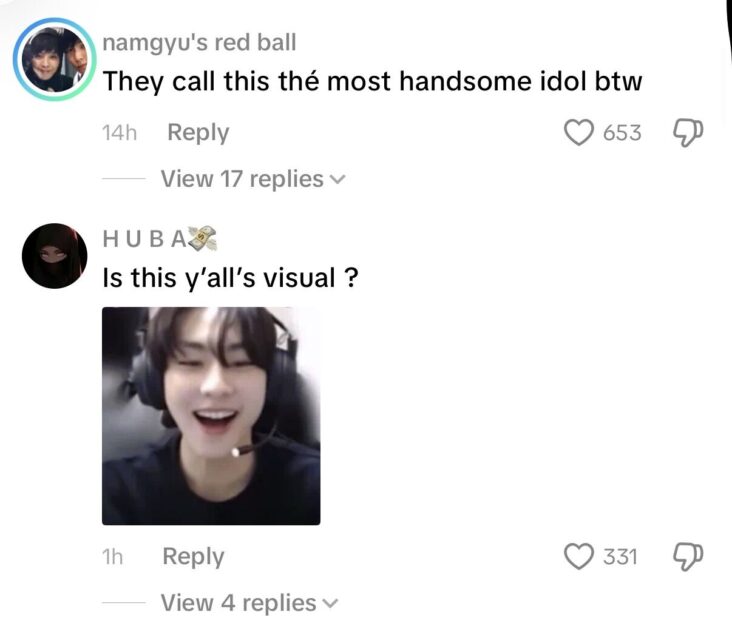
Conversely, detractors argue that as a "visual" icon and a representative of a luxury brand, the idol’s appearance is part of the "product" being sold. This transactional view of celebrity culture is what fuels the "brutal" nature of the comments found on platforms like TikTok and Instagram.
Conclusion: The Resilience of the Global Icon
Despite the localized controversy in the comment sections of social media, the broader impact of Jimin’s appearance at Paris Fashion Week remains a testament to his status as a global icon. The "unedited visuals" controversy highlights a pivotal moment in celebrity culture where the lines between curated fantasy and digital reality are blurring.
As the fashion industry continues to evolve, the demand for authenticity may eventually outweigh the demand for perfection. For now, the discourse surrounding Jimin’s Dior appearance serves as a case study in the complexities of modern fame, the power of digital media, and the relentless scrutiny that accompanies being one of the most recognizable faces in the world. The "controversy" may incite criticism, but it also reinforces the undeniable fact that every movement made by a member of BTS is a matter of global significance, capable of sparking a worldwide conversation on beauty, age, and the nature of the digital image.