Nana Wu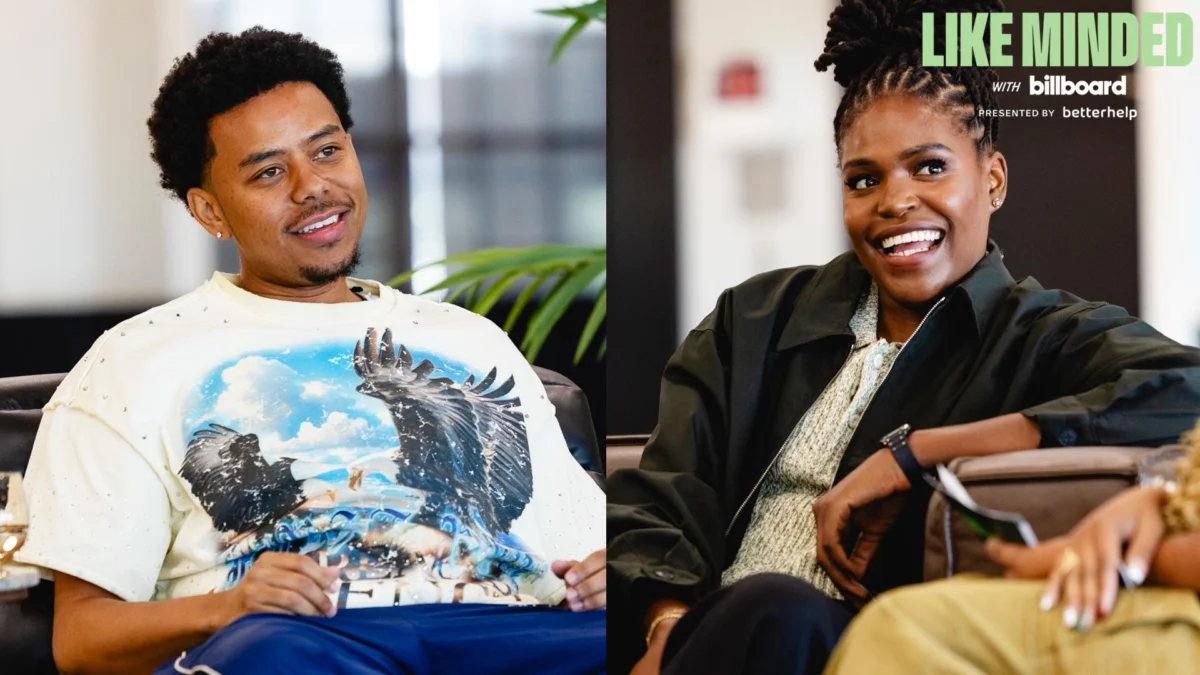
In a compelling and candid discussion facilitated by Billboard and BetterHelp, acclaimed rapper Cordae and WNBA superstar Jonquel Jones convened in Brooklyn, N.Y., to shed light on the often-overlooked mental facets of excelling at the highest echelons of professional life. The conversation, part of BetterHelp’s "Like Minded" series, brought together two formidable talents who navigate immense pressure and public scrutiny in their respective fields. Hosted by Billboard staff writer Kyle Denis and featuring insights from licensed professional counselor Sonni Williams, the dialogue provided a crucial platform for destigmatizing mental health and exploring practical strategies for resilience and authenticity.
The Genesis of "Like Minded" and its Mission
The "Like Minded by BetterHelp" series represents a strategic partnership designed to bridge the gap between high-profile individuals and the broader conversation surrounding mental health. BetterHelp, a leading online therapy platform, has increasingly engaged with cultural influencers to amplify messages of self-care, professional support, and emotional well-being. This collaboration with Billboard, a preeminent voice in the music industry, extends the reach of these vital discussions to diverse audiences, particularly young people and aspiring professionals who look up to figures like Cordae and Jonquel Jones. The series aims to normalize therapy and mental health support by showcasing how even those at the pinnacle of success leverage these resources to maintain their equilibrium.
The choice of Cordae, a three-time Grammy nominee celebrated for his introspective lyrics and thoughtful approach to music, and Jonquel Jones, the New York Liberty center, 2021 WNBA MVP, and recipient of a 2024 Finals MVP accolade, was deliberate. Both individuals embody a relentless pursuit of excellence, often under the intense glare of public expectation and performance demands. Their willingness to share personal vulnerabilities offers a powerful counter-narrative to the often-glamorized portrayals of celebrity and athletic achievement, revealing the human struggles beneath the surface.
Navigating the Mental Landscape of Elite Performance
The core of the discussion centered on the mental fortitude required to not only reach but sustain peak performance. Cordae and Jones delved into the routines, relationships, and mindset shifts that enable them to remain grounded amidst the highs of victory, the lows of setbacks, and the constant presence of the spotlight. Their experiences underscore a universal truth: success, particularly in high-stakes environments, is as much about mental resilience as it is about talent or skill.
Jonquel Jones articulated a common sentiment among high-achievers, stating, "Sometimes there’s things that get a little bit bigger than what I can control myself and I think that’s when I go into therapy. I’m a big advocate for it." This statement highlights a critical threshold for many individuals – the recognition that certain challenges transcend personal coping mechanisms and warrant professional intervention. For professional athletes like Jones, the pressure is multifaceted. It includes the physical demands of training and competition, the psychological burden of wins and losses, injury recovery, team dynamics, and the constant media scrutiny. A 2019 study published in the British Journal of Sports Medicine indicated that up to 35% of elite athletes suffer from a mental health crisis, including burnout, depression, anxiety, and eating disorders, underscoring the vital need for accessible mental health resources within sports organizations. Jones’s advocacy for therapy, therefore, serves as a powerful endorsement for fellow athletes and fans alike.
Cordae offered a deeply personal rationale for seeking therapy, revealing, "For me, I started because I got trust issues and because I don’t want to trauma dump on people." He recounted an exchange with his father that illuminated the societal tendency to dismiss emotional struggles, particularly when perceived through the lens of material success: "I’d tell my dad about my problems and… ‘What’re you complaining about?’ You sound like I have rich people problems." This candid anecdote resonates with many who face similar dismissals, illustrating how societal expectations can invalidate genuine emotional distress. For artists like Cordae, the creative process itself can be mentally taxing, involving intense introspection, vulnerability, and the pressure to constantly innovate while dealing with public criticism, touring fatigue, and the inherent instability of the music industry. A survey by Help Musicians UK found that 71% of musicians have experienced anxiety and 68% have experienced depression, often exacerbated by performance pressure, financial insecurity, and social isolation.
The Role of Therapy: A Sanctuary for High-Performers
The conversation powerfully articulated therapy not as a sign of weakness, but as a proactive tool for personal and professional development. For individuals like Cordae and Jones, therapy provides a confidential and non-judgmental space to process complex emotions, develop coping strategies, and maintain a sense of self amidst external pressures. Licensed professional counselor Sonni Williams’s presence further validated the professional and ethical framework within which these conversations take place, emphasizing the expert guidance available through such services.
Therapy, as discussed, helps in:
- Emotional Regulation: Learning to manage intense emotions that arise from high-stakes situations.
- Stress Management: Developing techniques to cope with chronic stress and prevent burnout.
- Boundary Setting: Establishing healthy boundaries in personal and professional relationships to protect one’s peace and energy.
- Identity Formation: Reconciling one’s public persona with their private self, ensuring authenticity.
- Trauma Processing: Addressing past experiences that may impact present functioning, as Cordae alluded to with his "trust issues" and avoidance of "trauma dumping."
The narrative that therapy is only for those in crisis is slowly being dismantled, thanks in part to public figures sharing their experiences. For Cordae, therapy offers an outlet that doesn’t burden personal relationships, allowing him to maintain healthy dynamics with loved ones while addressing his deeper psychological needs. This distinction is crucial, as friends and family, while supportive, may not possess the professional tools or objective perspective of a trained therapist.
Broader Impact and Implications: A Cultural Shift
The dialogue between Cordae and Jonquel Jones, amplified by Billboard and BetterHelp, carries significant implications for the ongoing cultural shift around mental health.
- Destigmatization: When prominent figures openly discuss their engagement with therapy, it sends a powerful message that seeking help is a sign of strength, not weakness. This is particularly impactful for demographics who may traditionally face greater stigma, such as men and individuals within competitive, high-pressure industries.
- Normalization of Support: By showcasing therapy as a routine part of their self-care, Cordae and Jones normalize professional mental health support, making it more accessible and less intimidating for their millions of fans and followers.
- Educational Value: The conversation provides tangible examples of why people seek therapy and how it helps, moving beyond abstract concepts to relatable personal experiences.
- Industry Responsibility: Partnerships like that between Billboard and BetterHelp highlight a growing recognition within media and corporate sectors of their role in promoting public well-being. It underscores a shift towards more holistic support systems within professional environments.
The conversation in Brooklyn serves as a microcosm of a larger societal movement towards greater mental health awareness and acceptance. Data from the American Psychological Association indicates a significant increase in the number of Americans seeking mental health services, particularly among younger generations. This trend is bolstered by public dialogues that demystify therapy and present it as a valuable resource for everyone, regardless of their professional status or perceived level of success.
In conclusion, the "Like Minded" series event featuring Cordae and Jonquel Jones was more than just an interview; it was a powerful affirmation of the human experience behind extraordinary achievements. By sharing their struggles and their proactive approaches to mental well-being, these two influential figures have contributed significantly to the ongoing effort to build a more resilient, balanced, and authentic society – on stage, on the court, and in everyday life. The echoes of their honest conversation will undoubtedly resonate, inspiring countless others to prioritize their peace and seek the support they need to thrive.