Johan Budi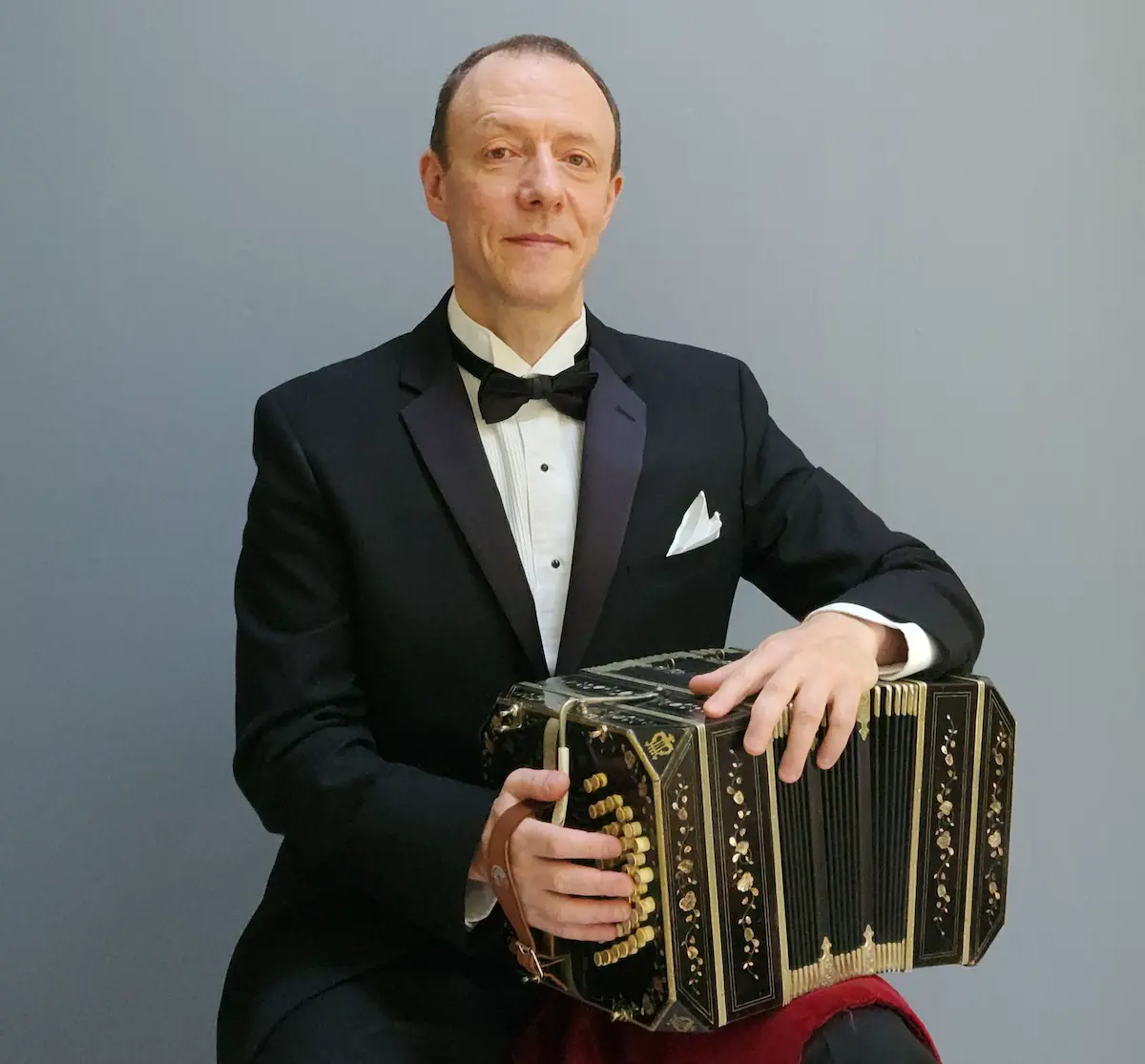
Recent months have brought a remarkable wave of critically acclaimed releases across the international jazz and contemporary acoustic landscapes, highlighted by landmark orchestral recordings, tight-knit instrumental collaborations, and genre-defying tango projects. Industry analysts and musicologists have noted a distinct shift toward expansive, cinematic compositions and cross-disciplinary collaborations, offering listeners a rich tapestry of sound that bridges decades of musical tradition. At the forefront of this movement are veteran trumpeter Henry Lowther’s long-awaited orchestral venture, the telepathic interplay of Danish jazz virtuosos Mathias Heise and Pelle von Bülow, and the emotive nuevo tango explorations of the Alex Roitman Tango Ensemble. These releases collectively demonstrate a vibrant, evolving ecosystem of acoustic and improvised music, capturing both historical reverence and modern stylistic reinvention.
Henry Lowther and the London Jazz Orchestra: Primetime
Henry Lowther and the London Jazz Orchestra: Primetime represents a rare milestone in the storied career of one of the United Kingdom’s most enduring brass players. Recorded in July 2022 and released via Analogue/October Records, the double vinyl album serves as a definitive statement from an artist whose quiet ubiquity has shaped British jazz for over half a century. Despite contributing significantly to projects led by luminaries such as John Mayall, Keef Hartley, Manfred Mann, Mike Westbrook, John Dankworth, and Gil Evans, Lowther has remarkably few albums issued under his own name since his 1970 debut, Child Song.
The title track of Primetime anchors the collection with a profound nod to the trumpeter’s lifelong fascination with numerology and classic big-band architecture. Propelled by the crisp, introductory drumming of Paul Clarvis, the composition showcases Lowther’s compositional economy. Rather than overwhelming the arrangement with perpetual noise, Lowther constructs a dense, atmospheric soundscape that yields strategically to featured soloists. This measured approach draws favorable comparisons to the cinematic dynamism of Oliver Nelson, particularly on tracks like Jadran, while other compositions such as Emona leverage the soaring, clear-toned trumpet of Miguel Gorodi to drive toward explosive climaxes.
The emotional core of the record frequently rests on its quieter, more contemplative moments. Lights, originally titled Lights Of The North Circular, captures the melancholic isolation of a nighttime city walk, juxtaposing Alcyona Mick’s delicate piano work and Lowther’s lyrical trumpet against sudden, brass-heavy crescendos. Mick, a frequent collaborator with Lowther, anchors the rhythm section with remarkable elegance, steering currents through pieces like Frothing River alongside woodwind contributions from baritone saxophonist Mick Foster and alto saxophonist Martin Hathaway. Additional highlights include the serene Golovec, featuring tenor saxophonist Tori Freestone, and Shropshire Glad, which pairs guitarist Nick Costley-White with soprano saxophonist Martin Speake. The resulting double album is a cohesive, warmly engaging vinyl release that highlights decades of accumulated ensemble wisdom.
Mathias Heise and Pelle von Bülow: Repertoire
Transitioning from expansive orchestral arrangements to intimate chamber jazz, Mathias Heise and Pelle von Bülow have delivered a masterclass in modern acoustic dialogue with their December 2025 Storyville Records release, Repertoire. The album captures an immediate, intuitive rapport between Heise on chromatic harmonica and von Bülow on guitar. Though promotional materials frequently position them as representatives of a burgeoning new generation of Danish jazz talent, both musicians have established formidable reputations on the Copenhagen scene through years of extensive live performance.
Heise’s utilization of the chromatic harmonica significantly expands his tonal range and dynamic control, allowing for astonishing speed and fluency that regularly challenges traditional perceptions of the instrument. Meanwhile, von Bülow—emerging from a rich musical lineage that includes a guitarist grandfather and a saxophonist mother who has collaborated with jazz icons like Lee Konitz and Horace Parlan—displays extraordinary poise and stylistic versatility.
Repertoire bridges diverse musical traditions by reinterpreting well-known compositions through a lens of sophisticated improvisation. The tracklist balances contemporary pop and jazz standards, including Stevie Wonder’s Overjoyed, Joe Sample’s One Day I’ll Fly Away, Keith Jarrett’s So Tender from his renowned Standards sessions, and Sam Rivers’s intricate Beatrice. Notably, the duo takes on Pat Metheny’s Always & Forever—a piece historically linked to harmonica master Toots Thielemans—alongside a remarkably expansive, unformulaic reimagining of Rod Temperton’s Rock With You, originally a massive hit for Michael Jackson. The album fittingly culminates in Thielemans’s iconic Bluesette, serving as both a stylistic touchstone and a triumphant showcase of the duo’s technical brilliance.
Alex Roitman Tango Ensemble: La Cocina De Tango
Expanding the boundaries of traditional listening categories, the Alex Roitman Tango Ensemble’s La Cocina De Tango (released on ARTE-FL Records in August 2025) bridges the worlds of Argentine tango and modern improvised music. While critics occasionally question the integration of tango into jazz-centric reviews, the genre shares deep structural affinities with jazz—particularly through its reliance on improvisational melodic lines, sudden dynamic shifts, and complex emotional undercurrents essential to both performance and dance.
Led by bandoneonist Alex Roitman, the Vermont-based ensemble approaches the nuevo tango style with an imaginative and spirited ethos. The album features a combination of Roitman’s original compositions, newly arranged traditional works, and homages to historical masters. Among these are nods to Astor Piazzolla (such as Chau, Paris and Marrón Y Azul) and the influential De Caro family of the 1920s and 1930s. The arrangement of pieces like Gigoló subtly invokes the historical legacy of Julio De Caro, who notably employed the Stroh violin—a modified instrument fitted with a cornet horn to project acoustic volume during early radio recordings.
Violinist Nayiri Piloyan honors this lineage with precise pizzicato and emotive bowed phrasing, punctuating tracks like Chau, Paris with well-timed, flowing lines. Concurrently, pianist Mayu Funaba and bassist Carlos Cisneros drive the ensemble’s rhythmic and harmonic foundation, anchoring multi-faceted compositions such as Lágrimas De Arrabal. The resulting album delivers a potent mix of romance, melancholia, and exuberant passion, reinforcing the enduring vitality of tango in contemporary acoustic music.
Industry Implications and Broader Impact
The simultaneous release of these three distinct albums highlights a broader market trend favoring cross-genre pollination and acoustic authenticity in the post-pandemic recording industry. Music critics and producers have observed a growing appetite among listeners for sophisticated, long-form compositions that reject algorithmic brevity in favor of narrative depth and instrumental mastery.
From a production standpoint, the strong emphasis on physical formats—exemplified by Henry Lowther’s double vinyl package on Analogue/October Records and the dedicated audiophile production values of Storyville and ARTE-FL—reflects a resilient consumer base willing to invest in high-fidelity physical media. Industry data from recent quarters indicates a steady resurgence in audiophile vinyl sales, driven largely by mature listeners seeking tangible connections to complex jazz and contemporary instrumental recordings.
Furthermore, these releases underscore the globalized nature of modern creative music, where geographical boundaries between London, Copenhagen, and Vermont dissolve in favor of a shared international vocabulary of improvisation and arrangement. As artists continue to mine historical idioms while incorporating modern techniques, projects like Primetime, Repertoire, and La Cocina De Tango ensure that the traditions of orchestral jazz, intimate acoustic duos, and nuevo tango remain vibrant, evolving art forms for contemporary audiences.