Nayara Elvina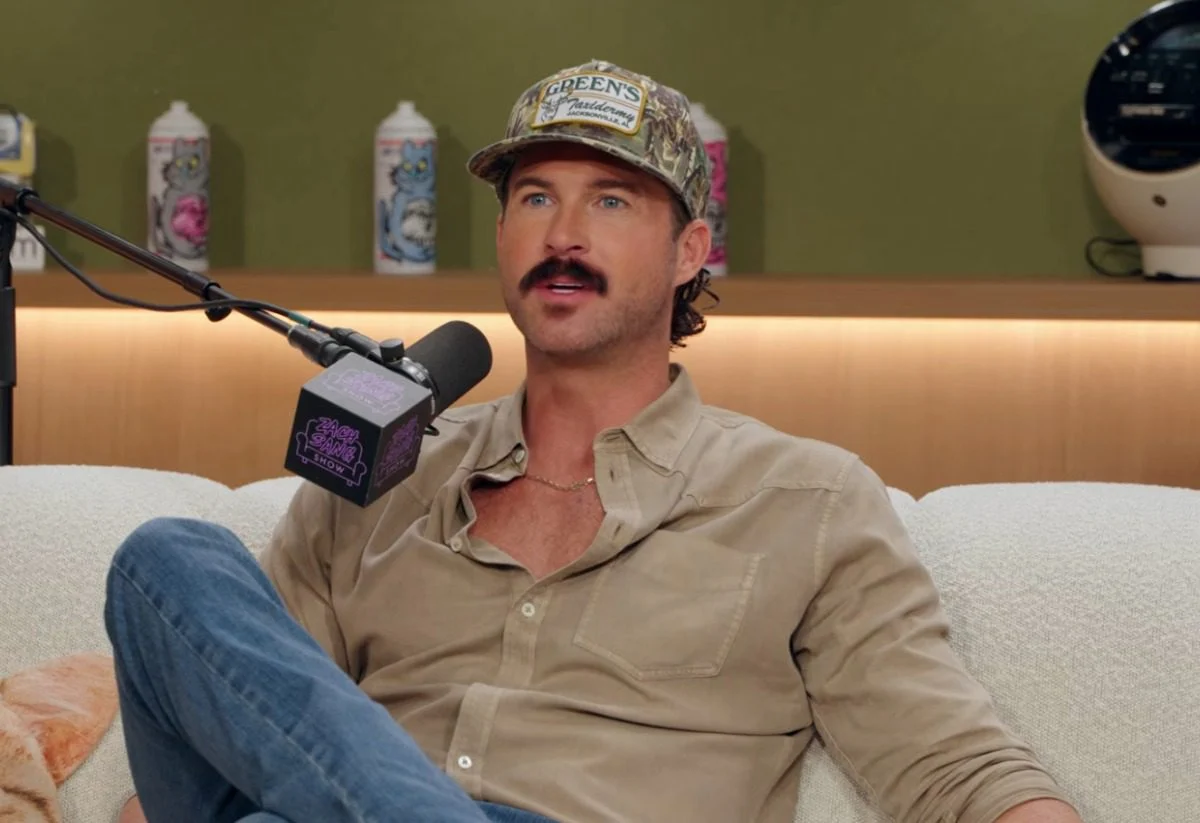
Country music artist Riley Green is cementing his status as a modern traditionalist not only through his musical output but through a deliberate effort to mentor and collaborate with upcoming talent. Following the release of his expansive 19-song album, That’s Just Me, which debuted at number three on the all-genre Billboard 200 chart to earn the singer his highest-charting record to date, Green has been reflecting on the principles that guided his ascent. In recent media appearances, including a notable interview on the Zach Sang Show, the Georgia native emphasized the importance of fostering genuine artistic partnerships on the road—a practice he models after the established headliners who supported him during his early days as an opening act.
The release of That’s Just Me marks a significant milestone in Green’s career, showcasing a sprawling tracklist featuring collaborations with Hannah McFarland, Jake Worthington, country music legend Randy Owen of Alabama, and a nostalgic joint effort with Brooks & Dunn. Despite achieving mainstream commercial success and crossing over into the upper echelons of the Billboard charts, Green has maintained the rigorous touring schedule that defined his early years. Industry analysts attribute his organic growth to this relentless dedication to live performance, which has steadily expanded his grassroots fan base across the United States.
The Evolution of Collaborative Touring and Authentic Partnerships
During his conversation on the Zach Sang Show, Green addressed the mechanics of modern music collaborations, drawing a sharp distinction between boardroom-driven partnerships and organic artistic alliances. He noted that while corporate-driven collaborations managed strictly through record labels and talent agencies can occasionally yield commercially successful tracks, country music audiences possess a distinct sensitivity to authenticity.
This philosophy was put into practice prominently during his touring cycle with singer-songwriter Ella Langley. The pair collaborated on the successful singles You Look Like You Love Me and Don’t Mind If I Do. Rather than keeping his opening act backstage, Green integrated Langley into his main set nightly, allowing the two artists to perform their collaborative material in front of packed arenas. According to Green, this shared stage presence generated an immediate and palpable reaction from concertgoers, creating memorable live experiences that elevated both performers simultaneously.
Green has continued this hands-on approach on his current tour supporting That’s Just Me, bringing tour openers Hannah McFarland and Jake Worthington into the fold both in the recording studio and during live performances. By offering his supporting acts direct exposure to his crowds, Green is actively working to bridge the gap between headliners and opening talent—a barrier that has historically defined large-scale concert tours.
Rooted in Tradition: The Mentorship of Country Music Icons
Green’s commitment to supporting younger artists stems directly from his own formative experiences as an opening act on major national tours. Reflecting on his early years in the industry, Green recalled the stark contrast between headliners who remained inaccessible in their tour buses and those who took the time to acknowledge and encourage the opening talent.
He specifically highlighted artists such as Dierks Bentley, Jason Aldean, Luke Bryan, and Brad Paisley as pivotal figures who shaped his professional outlook. The turning point of Green’s early career occurred while he was serving as the first opening act on a three-tier bill headlined by Brad Paisley, alongside Chris Lane. During this tour, Green’s fan-favorite track I Wish Grandpa’s Never Died began gaining organic traction online.
In a move that left a lasting impression on the young songwriter, Paisley discovered the track, recorded his own cover of the song, and posted it to social media. Beyond the digital endorsement, Paisley invited Green—who at the time was limited to a brief 25-minute set consisting of only five songs—to join him on stage every night to perform the track together. Green has frequently cited this gesture as a defining moment that not only provided validation for his songwriting but also demonstrated how established artists can utilize their platforms to elevate the next generation of country musicians.
Commercial Impact and Chart Success of That’s Just Me
The commercial performance of That’s Just Me underscores the effectiveness of Green’s long-term strategy of combining relentless touring with authentic fan engagement. Landing at number three on the Billboard 200 represents a career-best placement for Green on the all-genre chart, signaling a broader expansion of his audience beyond traditional country music demographics.
The 19-track album balances solo songwriting efforts with strategic collaborations that span generations. By featuring veterans like Randy Owen alongside rising talents like Hannah McFarland and Jake Worthington, the record functions as both a personal milestone for Green and a platform for contemporaries across the genre. Music critics have noted that the project maintains the signature lyrical depth and traditional production values that fans have come to expect from Green, even as his production scale and commercial reach expand.
Broader Implications for the Country Music Industry
Green’s approach to artist mentorship highlights an enduring cultural dynamic within country music: the preservation of lineage and apprenticeship. Unlike pop or electronic genres, where collaborations are frequently coordinated through remote digital file-sharing and targeted marketing campaigns, country music historically relies on the shared crucible of the highway.
Industry observers suggest that Green’s practice of elevating opening acts serves a dual economic and cultural purpose. Creatively, it strengthens the live concert product by providing audiences with cohesive, high-energy shows where featured guests make unannounced or scheduled appearances. Culturally, it reinforces a community-oriented ethos that separates country music from other commercial sectors of the entertainment industry.
As Riley Green prepares for upcoming festival appearances, including a prominent slot at Stagecoach, and continues his extensive touring schedule, his trajectory offers a case study in modern career sustainability. By remaining accessible to his audience, honoring the mentorship he received from veterans like Brad Paisley, and actively investing in peers like Ella Langley, Hannah McFarland, and Jake Worthington, Green is helping to ensure that the foundational traditions of country music remain intact amid an evolving commercial landscape.