Nayara Elvina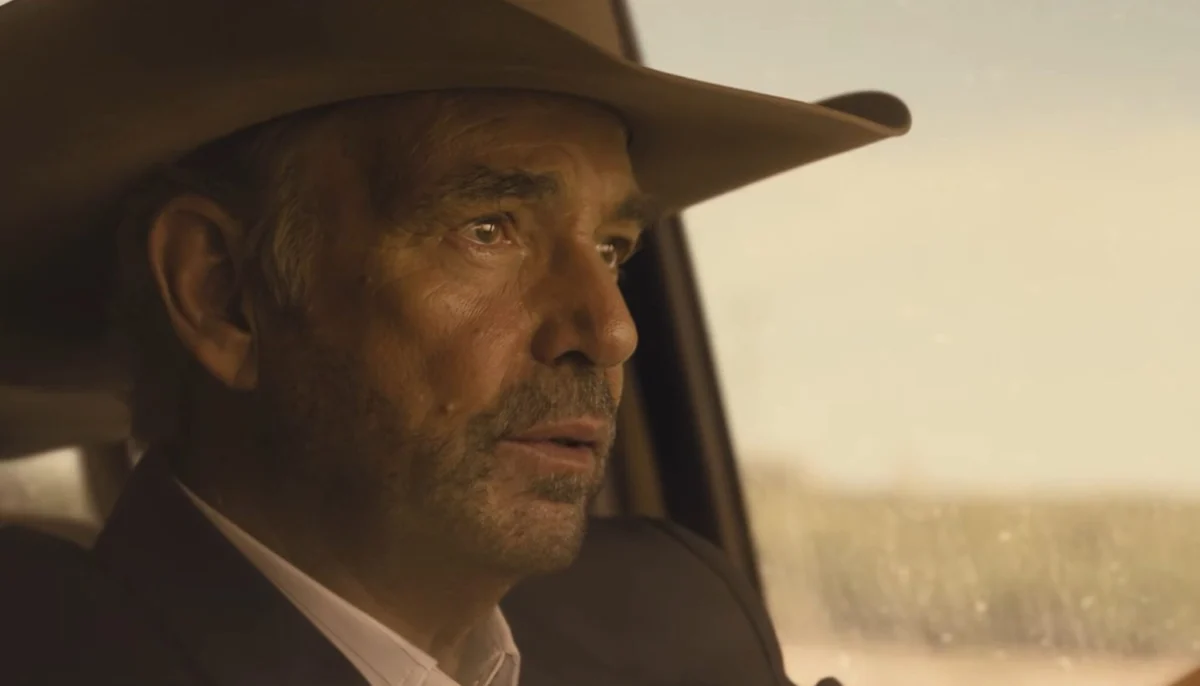
The intersection of television production and prestigious awards ceremonies has long been a source of industry debate, yet few television empires command the vast, loyal viewership of Taylor Sheridan’s while simultaneously remaining nearly invisible to major awards bodies. This paradox came under renewed scrutiny when literary icon Stephen King took to social media to voice his bewilderment over the total shutout of Sheridan’s modern drama series, Landman, at the Primetime Emmy Awards. King’s public questioning of the selection process has injected fresh momentum into a longstanding conversation regarding critical bias, mainstream prestige television, and the cultural disconnect between popular entertainment consumption and critical validation.
For millions of television viewers, Taylor Sheridan represents a reliable pillar of contemporary programming. In an era plagued by extended hiatuses where audiences must frequently wait two to three years between subsequent seasons, Sheridan’s production machine operates with rare efficiency. Delivering fresh chapters of his expansive television slate annually, Sheridan has cultivated a massive, dedicated following that spans multiple demographics and geographic regions. However, this commercial dominance and prolific output have consistently failed to translate into recognition from the Television Academy, culminating in a striking lack of representation across the board during the latest Emmy nominations cycle.
The Historical Context of Sheridan’s Critical Reception
The relationship between Sheridan’s creative catalog and awards bodies has historically been characterized by polite indifference or outright omission. Despite overseeing a multi-series universe that includes Tulsa King, Mayor of Kingstown, Special Ops: Lioness, and Landman—alongside the monumental success of the Dutton franchise—Sheridan’s properties rarely infiltrate major category shortlists.
During the most recent Emmy cycle, this trend manifested as a near-total blackout. With the exception of Tulsa King securing a traditional, recurring nomination for Outstanding Stunt Coordination for Comedy Programming—a category in which it has frequently appeared without securing a win—the entirety of Sheridan’s active television slate received zero nominations. Major series including Landman, Mayor of Kingstown, Lioness, and forthcoming projects such as The Madison and Marshals were completely overlooked by voters.
Perhaps most glaring to industry observers was the total absence of acting nominations. Sheridan’s productions routinely attract legendary cinematic talent, drawing powerhouse performers who elevate the material. The omission of marquee names, such as Academy Award-winner Michelle Pfeiffer for her work in The Madison, underscored a systemic disconnect between the caliber of talent attached to these projects and the academy’s voting tendencies.
Stephen King Steps Into the Controversy
Breaking months of silence following the announcement of the Emmy nominations, legendary author Stephen King utilized his platform on X to express confusion regarding the Academy’s oversight of Landman. Having evidently completed a binge-watch of the oil-field drama, King directed specific criticism toward the glaring omissions in major competitive categories.
"I don’t understand why LANDMAN didn’t get nominated for Emmy awards," King wrote. "Particularly Billy Bob Thornton for best actor and Stephen Kay for best director. Is it politics, or what?"
King’s use of the word "politics" immediately resonated across social media and industry trade circles, touching upon a sensitive subject within Hollywood: the perception that awards voters penalize projects that cater to Middle America, lean into rugged Americana, or eschew coastal progressive sensibilities. What made King’s intervention particularly notable was the stark ideological contrast between the two creators. King, widely recognized for his vocal political commentary and frequent criticisms of conservative politicians, shares little ideological common ground with Sheridan, whose narratives often explore themes of rural independence, resource extraction, and traditionalism.
Following his initial inquiry, King offered a nuanced assessment of the series’ character dynamics, singling out the performances while offering a sharp critique of the supporting archetypes. He commended Mexican-American actress Pauline Chavez for her portrayal of Ariana, praising her character as a strong counterweight within the narrative, while simultaneously dismissing several other supporting characters as superficial.
Despite King’s critique, industry analysts note that Thornton’s performance as oil industry fixer Tommy Norris had already proven its resonance elsewhere, having earned critical validation and nominations from both the Critics Choice Association and the Golden Globes.
Taylor Sheridan’s Indifference Toward Accolades
While fans and high-profile peers express frustration over the perceived marginalization of Sheridan’s work, the architect behind the universe remains entirely unfazed. Sheridan has consistently maintained a philosophy that prioritizes audience engagement, budgetary stewardship, and creative autonomy over the pursuit of statuettes.
Addressing his relationship with critics and awards bodies during an appearance on The Bill Simmons Podcast, Sheridan offered a characteristically candid assessment of his standing within the industry ecosystem.
"You’re not going to win no Emmys with me, but I’m not trying to win Emmys," Sheridan stated. "The critics and me, I don’t care what they think, and it annoys the shit out of them that I don’t care."
This stance reflects a broader business model that has transformed Paramount+ and network television economics. By delivering high-concept, star-driven narratives on an accelerated timeline, Sheridan’s productions function as essential infrastructure for modern streaming platforms. For network executives, the consistent retention and acquisition of subscribers driven by Sheridan’s output far outweigh the ephemeral marketing value of an Emmy trophy.
Implications for the Future of Prestige Television
The public defense mounted by Stephen King highlights a growing schism in how artistic merit is evaluated in the modern media landscape. As traditional gatekeepers face declining viewership for awards broadcasts, the disconnect between mass cultural phenomena and academy-approved programming continues to widen.
When a cultural heavyweight like King publicly questions whether institutional bias—or "politics"—governs the selection of nominees, it draws mainstream attention to systemic blind spots within voting bodies. These organizations have historically struggled to evaluate serialized genre fiction, westerns, and blue-collar dramas with the same lens applied to limited series or serialized dramas produced by prestige-heavy cable networks.
Ultimately, the ongoing dialogue surrounding Landman and the broader Sheridan catalog illustrates a shifting paradigm in television entertainment. While industry insiders and literary icons debate the merits of critical validation, the creator himself continues to operate outside the traditional validation economy. Whether future seasons of Landman or upcoming projects will eventually pierce the armor of the Television Academy remains uncertain, but the debate ignited by King ensures that the conversation surrounding popular art, critical bias, and industry politics will persist long after the red carpets have been rolled up.