Nayara Elvina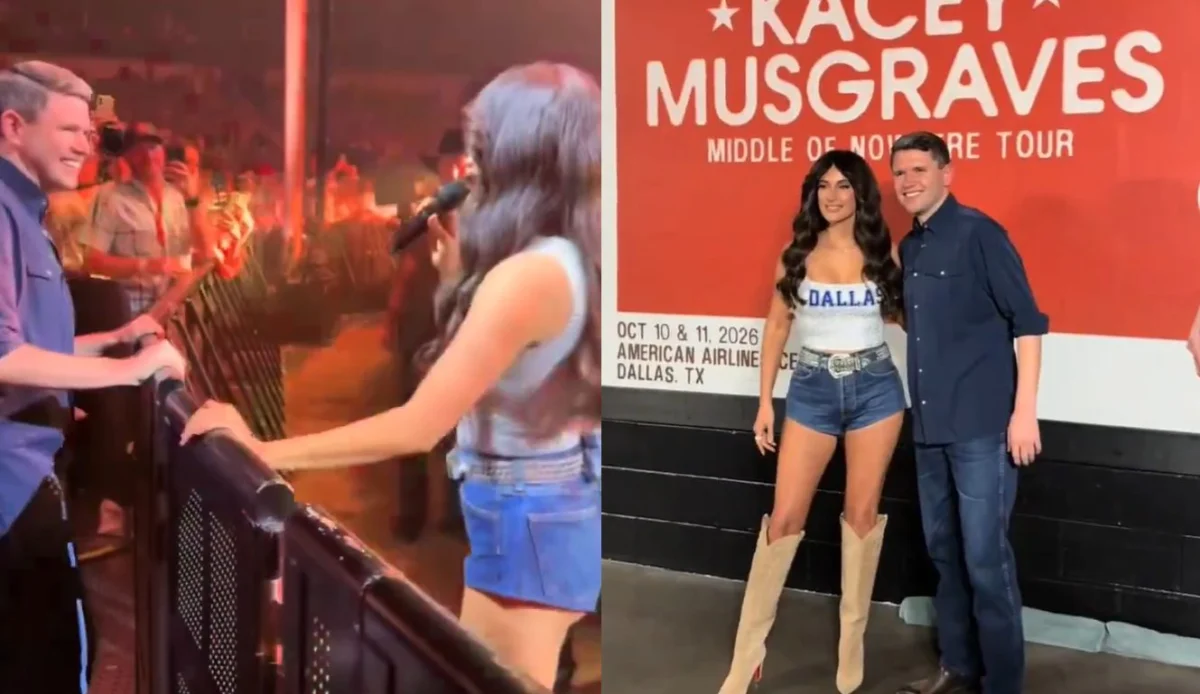
The intersection of country music and American politics took center stage this past weekend during Grammy Award-winning artist Kacey Musgraves’ homecoming tour stop in Texas. Performing before a packed crowd at the American Airlines Center in Dallas, Musgraves welcomed a surprise guest to the stage: Texas Democratic U.S. Senate candidate James Talarico. The appearance, which underscored the artist’s long-standing willingness to leverage her platform for political expression, immediately reverberated across national media outlets and ignited a high-profile digital exchange with high-ranking government officials.
The event highlights a broader, enduring tradition within the country music genre where artists navigate the delicate balance between cultural representation and political partisanship. As musical icons increasingly step into the sociopolitical arena, reactions from political figures and the public continue to shape the national discourse surrounding celebrity endorsements and free speech.
Chronology of Events and the Dallas Concert Appearance
The sequence of events began during Musgraves’ multi-night tour through her native state of Texas. On the evening of the Dallas concert, Musgraves introduced James Talarico to the audience, drawing widespread attention to the state’s upcoming Senate race. Talarico, a notable figure in Texas state politics who recently received an endorsement from legendary country musician Willie Nelson, addressed the concertgoers briefly, amplifying his campaign messaging before a receptive audience.
Talarico’s appearance followed a period of intense campaign trail visibility, including a stretch where he drew media attention for intensive grassroots campaigning across the sprawling state. By integrating a political candidate into a mainstream entertainment event, Musgraves mirrored a growing trend among contemporary musicians who utilize large-scale public platforms to highlight civic engagement and specific political candidates.
Musgraves, known for critically acclaimed records such as Golden Hour and Same Trailer Different Park, has consistently voiced left-leaning political perspectives throughout her career. Unlike artists who adhere to the traditional commercial advice to remain politically neutral, Musgraves has actively aligned herself with progressive causes and figures in her home state, following in the footsteps of Texas music veterans like Willie Nelson.
Political Reactions and the Escalation on Social Media
The inclusion of Talarico at the Dallas concert quickly drew commentary from figures on the political right. Kristi Noem, serving as the U.S. Special Envoy for the Shield of the Americas following her tenure as the 8th United States Secretary of Homeland Security and the 33rd Governor of South Dakota, took to social media to voice her disapproval of the concert appearance and to weigh in on Texas politics.
In a publicly broadcast statement, Noem remarked on the political and cultural dynamics at play: “I’ll take Ella Langley over Kacey Musgraves any day. And if I’m choosin’ Texas, I’ll take Ken Paxton over James Talarico.”
The statement deliberately invoked rising country artist Ella Langley, attempting to draw a cultural contrast between different segments of the country music genre. In response to being thrust into the political controversy without her consent, Langley quietly removed tags linking her to the commentary, signaling a desire to remain detached from partisan disputes.
Musgraves, however, did not let the critique go unanswered. Known for her sharp wit and direct communication style on digital platforms, the singer-songwriter issued a widely circulated retort directed at Noem: “I don’t think you have a dog in this fight but if you did you would have shot it.”
Historical Context of the Retort
Musgraves’ response was a direct reference to a widely publicized controversy from April 2024, stemming from the release of Noem’s memoir, No Going Back. In the book, Noem detailed an incident from over two decades prior involving a 14-month-old wirehaired pointer named Cricket.
According to the memoir, Noem described the dog as “untrainable” after it allegedly ruined a pheasant-hunting excursion by chasing birds, subsequently escaped her vehicle to attack a neighbor’s chickens, and bit Noem when she attempted to restrain the animal. Noem wrote that she led the dog to a gravel pit on her property and shot it.
The disclosure generated intense bipartisan backlash upon the book’s publication in the spring of 2024, dominating news cycles and drawing sharp criticism from animal welfare organizations, political opponents, and cultural commentators alike. Musgraves’ invocation of the incident effectively shifted the focus of the online exchange back to the enduring public fallout from Noem’s autobiographical revelation, neutralizing the political critique with a reference to a well-documented personal controversy.
Musical Highlights and Broader Texas Tour Context
While the political debate dominated digital headlines, the primary focus of Musgraves’ Texas homecoming remained centered on her musical collaborations and live performances. During a subsequent stop on her tour in Austin, Texas, at the historic Gruene Hall, Musgraves surprised fans by bringing out fellow country music star Miranda Lambert.
The two acclaimed artists performed a live rendition of their collaborative track, “Horses and Divorces,” delighting the live audience and generating significant positive coverage within the entertainment press. The collaboration highlighted the strong sense of community among female artists originating from or working within the Texas country and Americana music scenes.
Implications for Celebrity Endorsements and the Music Industry
The clash between Musgraves and Noem serves as a modern case study in the intersection of celebrity culture, partisan politics, and digital media retaliation. As public figures increasingly utilize platforms like Instagram and X (formerly Twitter) to engage in direct discourse, the boundaries between the entertainment industry and political campaigns continue to blur.
Analysts note that while public political endorsements can occasionally alienate segments of a fan base, artists with established, loyal audiences—particularly those rooted in alternative country and Americana genres—frequently face little long-term commercial downside for expressing candid political views. Conversely, politicians engaging in cultural commentary regarding popular musicians risk drawing sharp, viral counter-attacks that amplify the opposition’s narrative.
As the political landscape in Texas continues to heat up ahead of upcoming electoral cycles, appearances by high-profile candidates at major cultural events are expected to remain a prominent strategy for voter outreach. Simultaneously, artists like Kacey Musgraves demonstrate that the contemporary music industry will likely continue to serve as an active arena for civic discourse, free expression, and high-stakes cultural debate.