Lana Akmaluna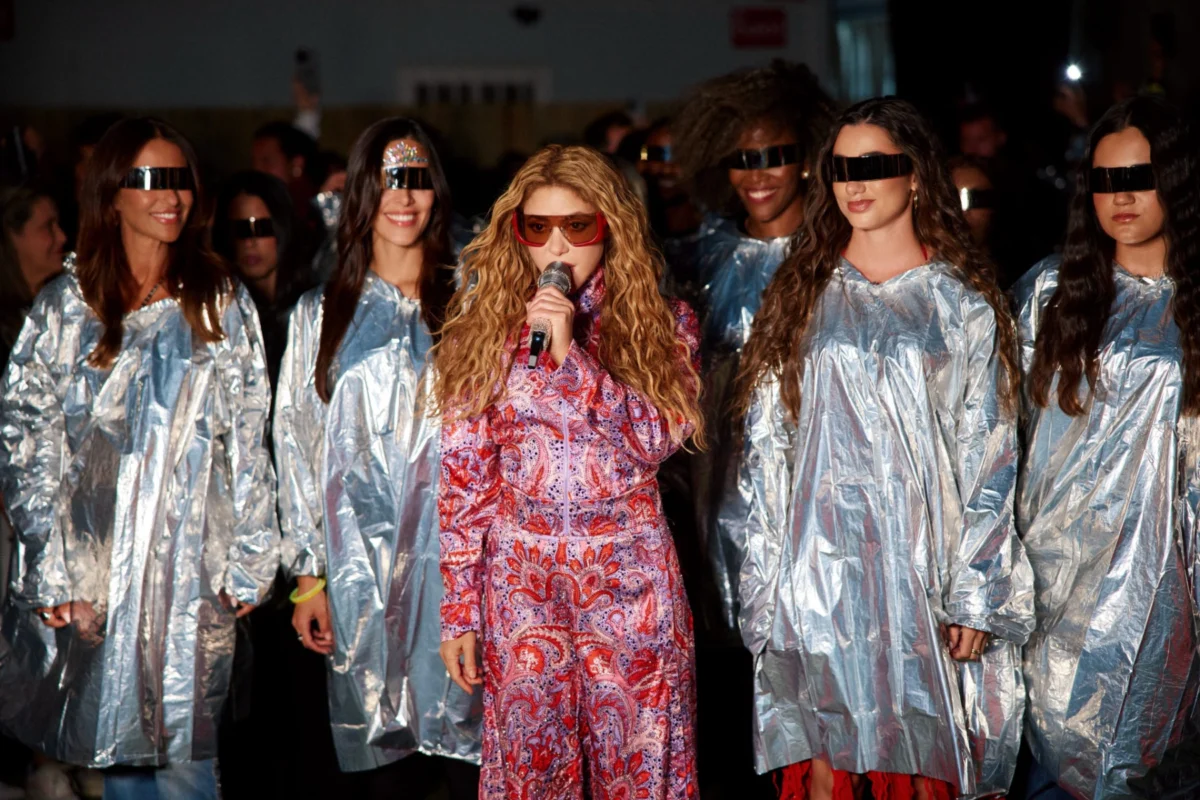
The culmination of Shakira’s historic European residency at Estadio Shakira marked a milestone not only for the Colombian superstar’s blockbuster Las Mujeres Ya No Lloran World Tour, but also for the immersive fan-engagement strategies dominating contemporary live music. On Monday, October 12, the final night of the Madrid engagement delivered a sensory-overload spectacle, punctuated by a rare behind-the-scenes look at the artist’s signature entrance ritual, known globally as "Camina con La Loba."
Since launching in February 2025, the Las Mujeres Ya No Lloran World Tour has broken attendance records and redefined Latin pop production standards across international markets. For months, media analysts, general admission attendees, and VIP ticket holders alike had observed Shakira’s dramatic journey from the stadium bowels to the main stage, flanked by her entourage of guests, influencers, and die-hard fans. On the final evening of the European leg, that external observation transitioned into an intimate insider perspective, revealing the meticulous logistics and emotional weight underpinning one of modern touring’s most celebrated traditions.
The Logistics of the Loba Pack Experience
The "Camina con La Loba" initiative is a meticulously orchestrated, two-minute procession that bridges the gap between backstage preparation and public adulation. The protocol for participants begins hours before the first chord echoes through the stadium. Invited guests, journalists, international fans, and high-profile figures receive secure digital passes containing dynamic QR codes, mandating arrival well ahead of schedule.
On October 12, participants gathered at 7:30 p.m. local time inside a specialized hospitality and staging tent erected near the rear perimeter of the Estadio Shakira stage. The operational efficiency mirrored a professional theatrical production: attendees were systematically categorized into four distinct groups, designated by color-coded and numbered wristbands. In a nod to disciplined stage management, participants were arranged strictly by height—from shortest to tallest—prior to donning the uniform silver capes and dark sunglasses that constitute the visual aesthetic of the She-Wolf pack.
The waiting area served as a microcosm of Shakira’s international demographic reach. Among the participants were Peruvian supporters proudly displaying national flags, digital content creators, international journalists, and prominent Spanish public figures, including models Esther Cañadas and Blanca Padilla, lifestyle influencer Laura Escanes, television host Nuria Roca, and journalist Pilar Vidal.
Chronology of the Final Night
The timeline of the evening proceeded with the controlled unpredictability characteristic of large-scale stadium events. Originally slated for an 8:30 p.m. start, the concert commenced approximately thirty minutes behind schedule. This delay extended the pre-show staging period inside the holding tent to nearly ninety minutes.
Despite the sensory deprivation caused by the mandatory sunglasses and the thermal intensity of the metallic capes, the atmosphere remained electric. Spontaneous choral renditions of Shakira’s extensive catalog echoed through the backstage holding area, fueled by the distant roars of over 50,000 expectant fans filling the venue seats.
When the cue was given to move, participants navigated the labyrinthine corridors leading directly into the heart of the stadium bowl. While individual visibility was severely restricted by the costume requirements—preventing participants from catching a direct glimpse of Shakira herself—the auditory and visceral impact of the environment proved overwhelming. The collective volume of 50,000 voices chanting in unison, synchronized lighting cues, and the concussive bass of the introductory production created an immersive wave of adrenaline that completely redefined the concert-going experience.
Cultural Implications and the Power of Latinidad
Beyond the spectacle of the staging, the final night of the Madrid residency served as a powerful testament to Shakira’s broader artistic messaging regarding cultural identity. Throughout the European leg of the tour, the multi-Grammy-winning artist repeatedly emphasized the concept of Latinidad—framing it not merely as a geographic designation or linguistic marker, but as a robust cultural ecosystem defined by shared heritage, artistic roots, and a universal sense of community.
The integration of diverse cultural traditions, international rhythms, and cross-generational audiences during the residency highlighted how contemporary Latin music transcends traditional borders. This ethos was further amplified during the evening’s surprise guest appearance by Italian music icon Laura Pausini. Taking the stage prior to a poignant rendition of "Antología," Pausini delivered an impassioned address regarding the longevity of female careers in the music industry.
Pausini’s commentary underscored a central theme of the Las Mujeres Ya No Lloran era: that artistic relevance, creative vitality, and ambition are not bound by chronological age. This multi-generational resonance manifested profoundly among attendees, forging emotional bonds between legacy fans who discovered Shakira decades ago and younger listeners—such as the children and family members of journalists and concertgoers—who are actively discovering iconic tracks like "Las de la Intuición" and "Ojos Asesinos" anew.
Economic and Touring Impact
The conclusion of the Estadio Shakira residency closes a vital chapter in what trade publications project to be one of the highest-grossing concert tours of the decade. Driven by robust streaming numbers from her acclaimed album Las Mujeres Ya No Lloran and innovative engagement strategies like the Loba Pack walks—replicated across high-profile stops in Miami, Mexico City, and Madrid—Shakira continues to set benchmarks for audience interaction in the post-pandemic live entertainment sector.
Industry analysts note that experiential VIP add-ons and participatory fan activations are rapidly shifting from luxury novelties to essential components of major pop tours. By democratizing access to the inner sanctum of the tour production—inviting everyone from accredited press to passionate international superfans to walk the floor—Shakira’s team has successfully cultivated a hyper-loyal community ecosystem that directly translates to sustained social media amplification, merchandise sales, and long-term fan retention.
As the Las Mujeres Ya No Lloran World Tour prepares for its next legs, the Madrid finale stands as a masterclass in modern event production, proving that an artist’s enduring legacy is measured not just by commercial metrics, but by their ability to make tens of thousands of individuals feel like an indispensable part of the pack.