Lana Akmaluna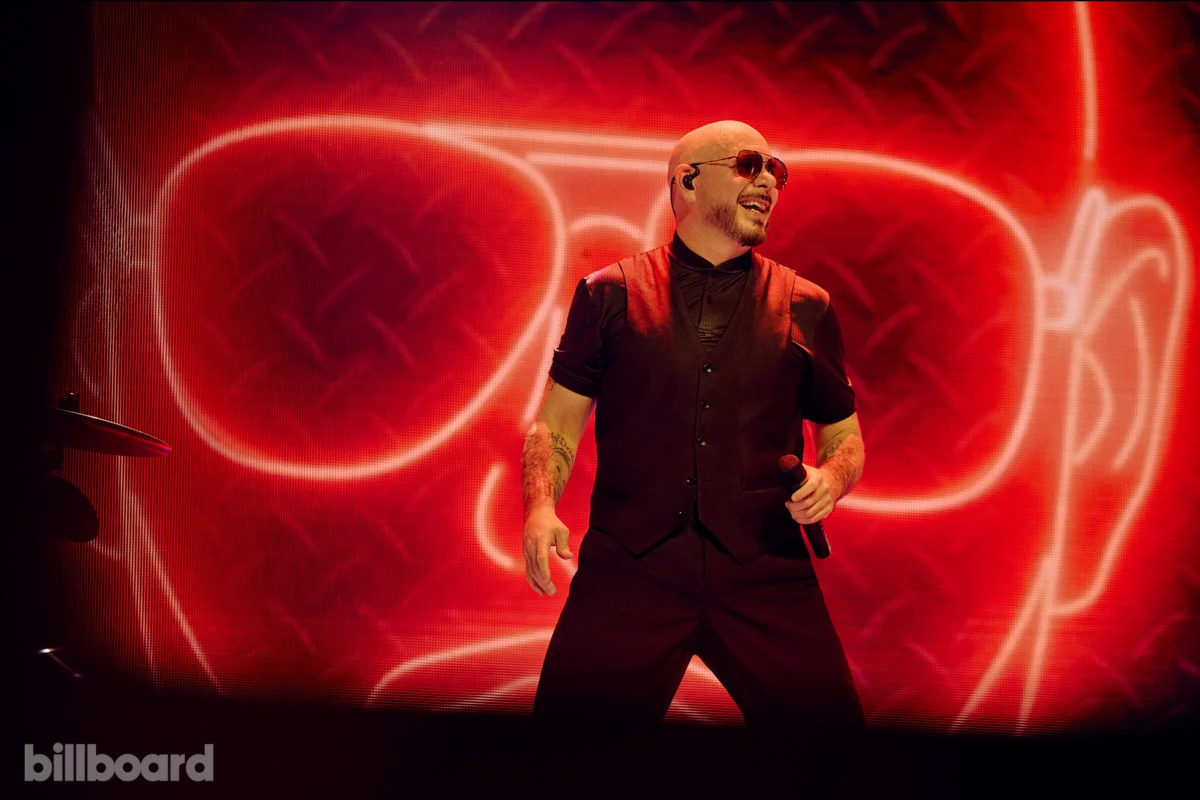
For nearly three decades, Armando Pérez—globally celebrated as Pitbull or Mr. 305—has commanded international stages with an infectious blend of high-octane energy, rhythmic dance anthems, and unmistakable charisma. From chart-topping global hits like "I Know You Want Me (Calle Ocho)" and "Hotel Room Service" to relentless international touring schedules, the Miami-born entertainer has given virtually everything of himself to the public eye. Yet, throughout a legendary career defined by transparency regarding his artistic output and a larger-than-life persona, Pérez has maintained a rigid, impenetrable boundary between his public stardom and his private life. In a candid and revealing cover story for Billboard, the multi-platinum artist has finally pulled back the curtain, offering unprecedented insight into his role as a father, his fiercely guarded family life, and the deliberate choices behind shielding his children from the relentless pressures of celebrity culture.
The Decision to Protect Privacy in an Age of Hyper-Exposure
The primary narrative driving Pérez’s recent interview centers on the conscious decision to keep his children out of the spotlight. While the hip-hop and pop icon is universally recognized for his party-centric party anthems and flamboyant public presence, his approach to parenting is remarkably grounded, protective, and deeply calculated. Speaking to Billboard, Pérez explained that his children are simply not equipped to navigate the intense scrutiny and immediate judgment that accompany the lifestyle of an A-list music superstar.
Rather than viewing fame as an asset to be shared universally, Pérez treats his children’s anonymity as a critical safeguard. "If you love something, you don’t want the world to know about it. You protect it," Pérez stated. By keeping family details—including the exact number of children he has—out of official records, the rapper maintains a buffer between his professional controversies and his household. He humorously describes himself as the "wild card" and the "variable" in his children’s lives, a fun father who encourages them to experience the world, while simultaneously enforcing strict operational security regarding their personal identities.
The Realities of Growing Up Pérez in Miami
Living in Miami, a bustling metropolis with a massive Hispanic population, offers a unique geographical advantage for a high-profile Latino artist attempting to maintain domestic privacy. Pérez noted that because his surname is exceptionally common throughout South Florida, his children can move through schools, neighborhoods, and public spaces without immediately triggering public recognition.
However, managing anonymity requires active coaching from a father who understands the darker side of fame. In the interview, Pérez shared a paradoxical parenting lesson: teaching his children how to navigate truth and fabrication in a world obsessed with celebrity adjacency. While children are traditionally taught to be entirely truthful, Pérez openly admits to teaching his offspring "how to lie about the truth" when interrogated by peers or strangers regarding their residence, vacation spots, or paternal identity.
For instance, if questioned about their father’s whereabouts or lifestyle, his children have been instructed to offer a standardized, dismissive response: "no." Similarly, social media use is heavily restricted for the younger members of the household. While older children are given the autonomy to make their own choices regarding digital platforms, they do so with the explicit understanding that any fallout rests entirely on their shoulders. "If they screw up and post something that causes heat, don’t call me… just get ready to own it," he remarked with a laugh.
A Career Milestone: The Release of Pitcoin
Pérez’s reflections on fatherhood arrive at a significant professional crossroads, coinciding with the rollout of his 14th studio album, Pitcoin. The newly released project highlights the rapper’s enduring industry relevance and remarkable collaborative network, bringing together an eclectic roster of musical heavyweights. Pitcoin features high-profile contributions from pop, reggaeton, and rock icons, including Enrique Iglesias, Lil Jon, Jason Derulo, Zion, Akon, Bon Jovi, and Ne-Yo.
The release of Pitcoin underscores Pérez’s unique staying power in an industry notorious for chewing up and spitting out artists after a few chart cycles. Over a career spanning nearly 30 years, he has successfully transitioned from a regional Miami underground rapper into a global brand, businessman, philanthropist, and cultural ambassador. Despite shifting musical landscapes and the rise of streaming-era algorithms, Pitbull has consistently secured chart placement by bridging the gap between Latin urban music, electronic dance music, and American pop.
Upcoming Key Appearance at Billboard Latin Music Week 2026
The momentum surrounding the album and the candid cover feature will culminate in a high-profile industry appearance this autumn. Pitbull is officially scheduled to deliver a keynote conversation during the Superstar Q&A at the upcoming 2026 Billboard Latin Music Week.
The premier industry gathering is set to return from October 19 through October 22, taking over the prestigious Faena Forum in Miami Beach. As one of the most anticipated events on the Latin music calendar, Billboard Latin Music Week brings together top artists, executives, producers, and creators to discuss the state of the industry, cultural globalization, and artistic longevity. Pérez’s keynote session is expected to draw massive crowds, offering attendees deeper insights into his business acumen, musical evolution, and the philosophy that has kept him at the top of the charts for decades. Tickets and additional programming details are currently available through the official Billboard Latin Music Week portal.
Broader Implications: Celebrity Privacy in the Digital Age
Pitbull’s rare glimpse into his personal life highlights a broader cultural conversation regarding child privacy, celebrity safety, and the psychological toll of digital exposure on the children of famous individuals. In an era dominated by constant social media updates, influencer culture, and paparazzi journalism, public figures are increasingly dividing into two distinct camps: those who monetize their family lives from infancy and those who construct impenetrable walls around their households.
Pérez’s staunchly protective stance aligns with a growing movement among legacy artists who recognize that childhood anonymity is a finite and invaluable resource. By shielding his children from the transactional nature of modern fame, Pérez ensures that they retain the autonomy to choose their own paths when they reach maturity. His philosophy—“When my kids get to a certain age… and they want to make their own decisions as far as how they want to live their life and how they want to welcome the world to it, that’s on them”—serves as a pragmatic blueprint for balancing an ultra-public career with private familial responsibilities.
As Mr. Worldwide prepares to take the stage at the Faena Forum this October, the dichotomy of Armando Pérez remains clear: the man on stage will continue to deliver the global party atmosphere his fans crave, while the man at home will remain fiercely dedicated to guarding the peace and privacy of his family.