Mia Khoirunisa
The landscape of personal and professional audio production has shifted dramatically over the past decade. What once required a substantial financial investment on par with a desktop computer can now be achieved with budget-friendly hardware that outperforms legacy systems. Universal Audio (UA)—a company historically renowned for its high-end studio hardware and proprietary DSP accelerators—is expanding its footprint in the accessible audio interface market with the official announcement of the Volt Gen 2 and Volt Max line of USB audio interfaces.
Starting at an accessible price point of $149, the newly updated series bridges the gap between affordable portable recording gear and professional-grade studio architecture. Developed by the same engineering team behind UA’s flagship Apollo series, the second-generation Volt lineup introduces advanced onboard processing, expanded connectivity options, and modern architectural features designed to meet the demands of modern producers, mobile musicians, and modular synth enthusiasts.
Main Facts of the Volt Gen 2 and Max Lineup
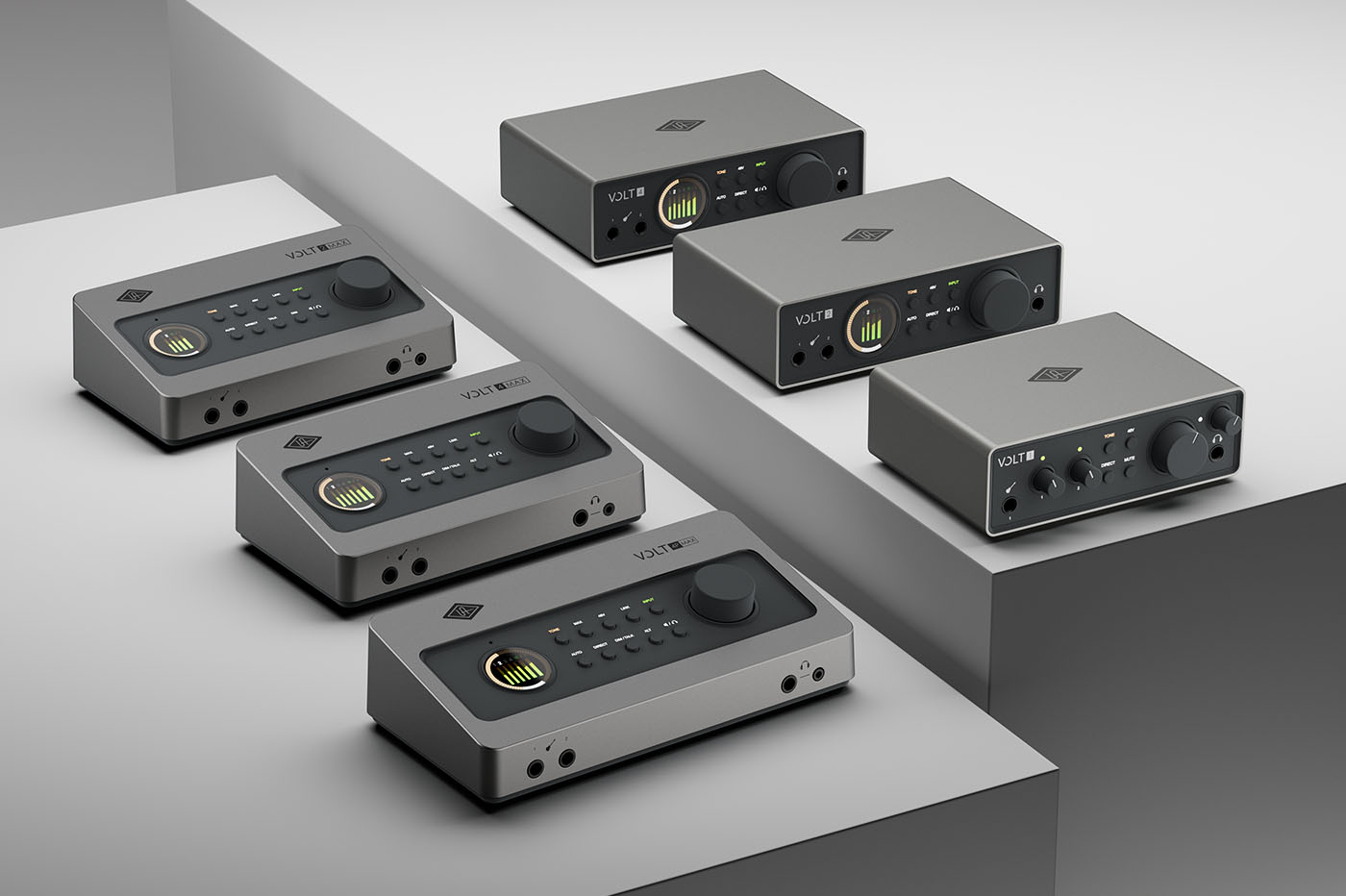
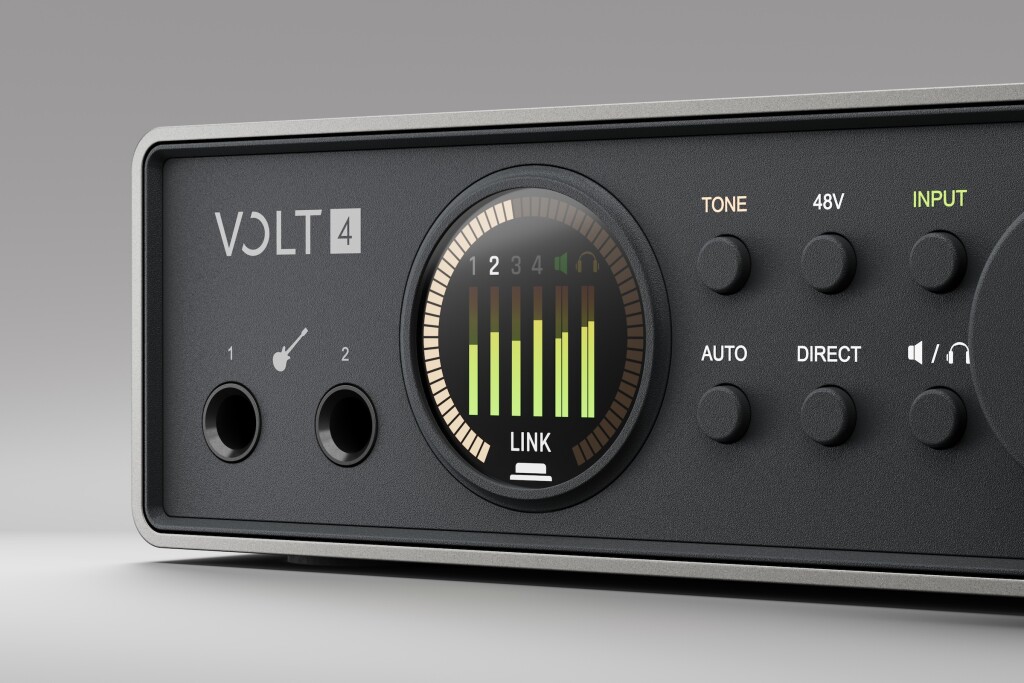
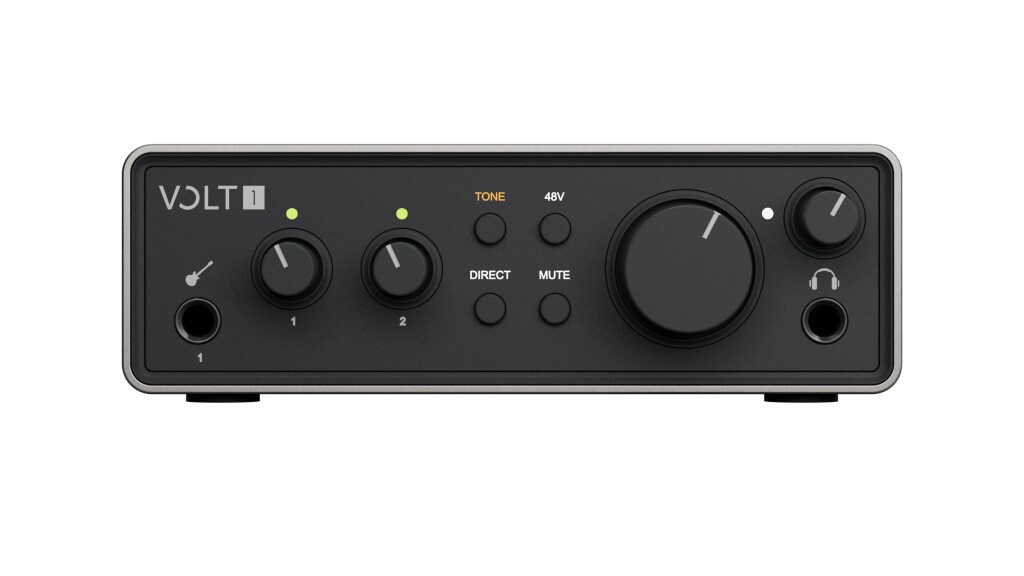
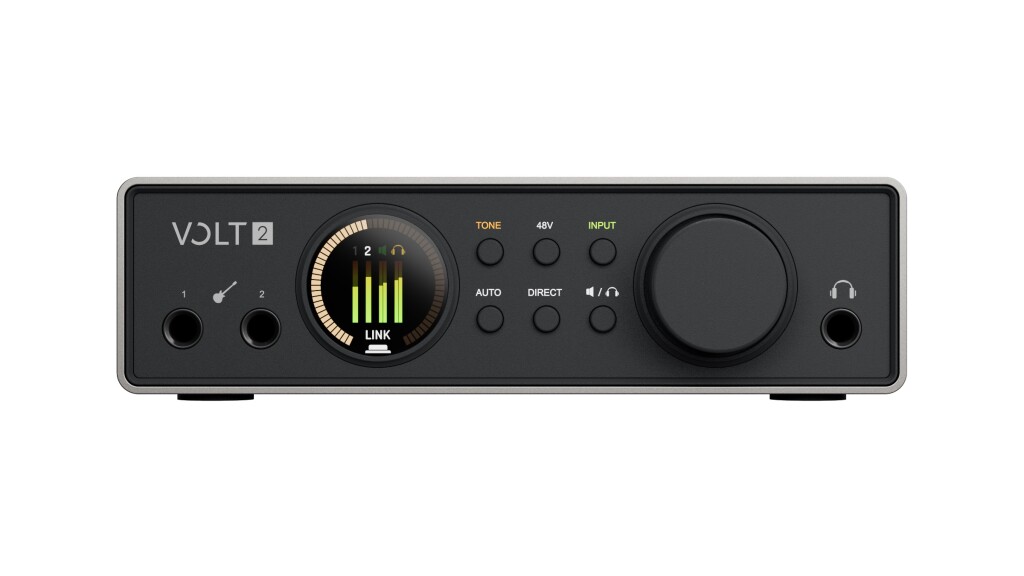
The second-generation Universal Audio Volt lineup is divided into standard models and the newly introduced "Max" variants, catering to different tiers of creators. The entry-level Volt 1 Gen 2 ($149) and Volt 2 Gen 2 ($219) offer streamlined 1-in/2-out and 2-in/4-out configurations. Meanwhile, the Volt 4 and the feature-rich Max variants introduce advanced capabilities such as ADAT digital inputs, smart metering displays, auto-gain staging, and clip protection.
A major headline of the Gen 2 release is the inclusion of onboard DSP for real-time preamp modeling and dynamics processing. Rather than relying entirely on host computer CPU resources or third-party plug-ins during tracking, the Volt interfaces handle these tasks natively on the hardware. This architecture ensures near-zero latency monitoring, making the devices exceptionally reliable when paired with mobile operating systems and lightweight computing hardware like iPads, Android phones, Linux laptops, and Raspberry Pi setups.
Chronology and Background Context
Universal Audio entered the entry-level interface market with the original Volt series, designed to compete directly with dominant budget offerings like the Focusrite Scarlett and MOTU M-Series. While the first-generation units established a strong reputation for preamps with an optional "76 Compressor" mode modeled after the legendary UA 1176, they operated primarily as straightforward analog-to-digital converters without extensive onboard routing or advanced metering displays.
With the launch of Gen 2 and the Volt Max tier, UA is systematically addressing the evolving needs of mobile producers and hybrid hardware setups. Over the past five years, the proliferation of class-compliant USB audio interfaces has commoditized basic audio conversion. Brands can no longer compete on pristine audio fidelity alone, as nearly every manufacturer on the market produces clean, reliable converters. Consequently, competition has shifted toward workflow enhancements, hardware-software integration, and problem-solving features. The introduction of the Volt Gen 2 represents UA’s strategy to transition from a software-ecosystem company to a ubiquitous hardware provider across all budget brackets.
Supporting Data and Technical Specifications
The technical specifications of the Volt Gen 2 and Max series reveal a concerted effort to incorporate features previously reserved for mid-to-high-tier interfaces.
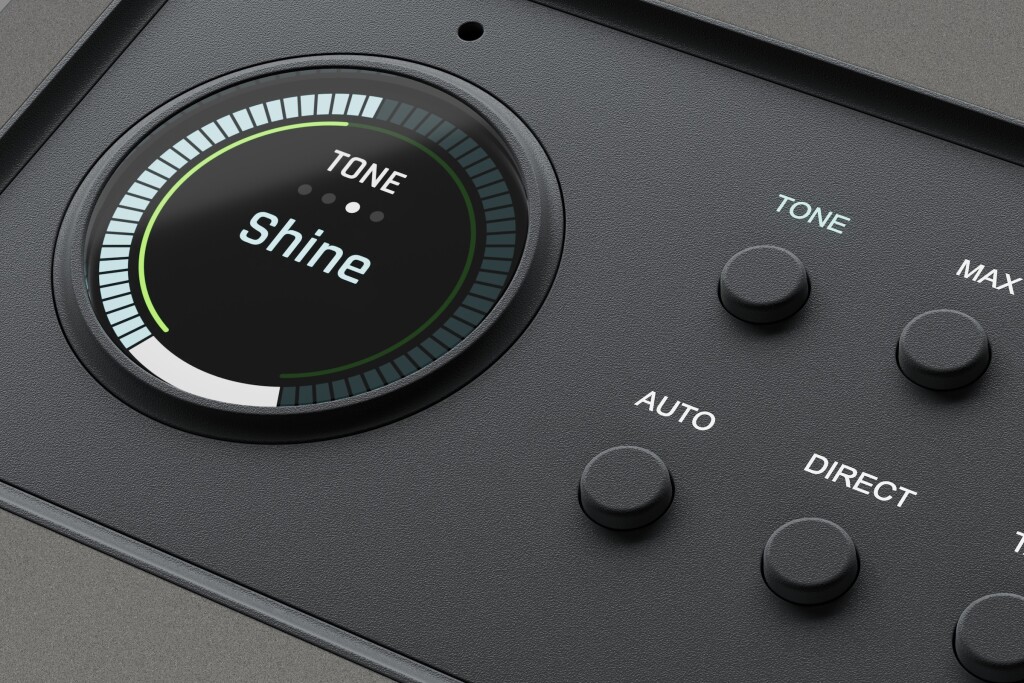
Tone Shaping Preamps: The new generation replaces traditional analog emulation circuits with software-modeled preamp personalities running directly on the interface hardware. Users can select between three distinct tracking modes: Warmth, Focus, and Shine. These modes emulate the harmonic characteristics of Tube, Solid State, and British Class-A consoles, respectively. Because this processing occurs prior to conversion, these effects are recorded destructively into the audio stream.
Max Compression and Dynamics: Available on the Max variants, the onboard dynamics processing provides instant access to compressor presets designed to control transients and smooth out vocals or instruments at the input stage. This eliminates the latency penalties often introduced by software look-ahead compressors.
Connectivity and I/O: The Volt 4 and higher models feature ADAT optical inputs, expanding channel counts for multi-microphone setups or digital integrations. Furthermore, the analog outputs across the range are DC-coupled, operating at a robust 20.2 dBu (up from 15 dBu in Gen 1). This upgrade allows producers to send control voltage (CV) signals directly from their DAW to modular synthesizers and Eurorack gear.
Display and Metering: Higher-end units incorporate "Smart Displays" that offer real-time visual feedback of channel levels, routing states, and gain reduction, filling a feature gap often missing in similarly priced competitors.
Software Bundle and Ecosystem Integration
Purchasing a Volt interface grants access to a comprehensive software bundle. While Universal Audio continues to promote its proprietary LUNA Digital Audio Workstation, the hardware package includes a robust suite of industry-standard processing tools. Users receive access to the Topline Vocal Tune, UA 610 Tube Preamp & EQ Collection, Century Tube Channel Strip, Teletronix LA-2A Tube Compressor, UA 1176 Classic FET Compressor, Pure Plate Reverb, Galaxy Tape Echo, Oxide Tape Recorder, Vibe Analog Machines, PolyMAX and Anthem synths, alongside select guitar amplifier emulations.
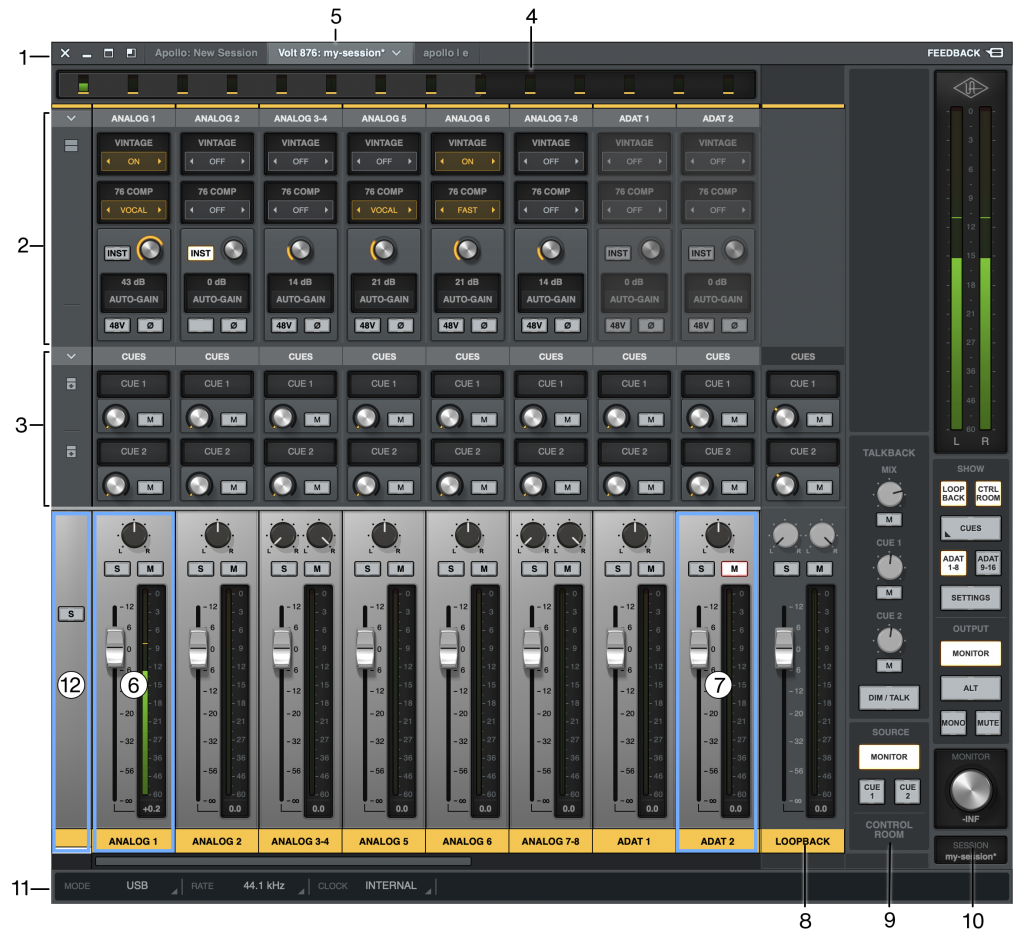
Additionally, the hardware integrates with UAD Console software, enabling advanced cue mix routing and digital patchbay management. This integration provides a scalable workflow for artists transitioning between simple home tracking sessions and complex multi-source tracking environments.
Market Implications and Competitive Landscape
The release of the Volt Gen 2 intensifies competition in the sub-$500 audio interface market, where it directly challenges fourth-generation Focusrite Scarlett interfaces and MOTU’s M-Series hardware.
Focusrite’s Scarlett line has long held a dominant market share by offering robust I/O options, transparent preamps, and extensive software bundles. However, Universal Audio’s aggressive integration of DSP-driven tone-shaping and zero-latency dynamics processing on entry-level hardware introduces a distinct value proposition. By moving workload processing to the interface itself, UA appeals directly to mobile content creators, podcasters, and musicians utilizing lower-power computing environments.
Conversely, market analysts note certain trade-offs in UA’s configuration choices. For instance, the omission of physical MIDI DIN inputs and outputs on the Volt 1 and Volt 2 Gen 2 models separates them from their predecessors, potentially driving users who rely on legacy hardware MIDI connections toward competing products like the MOTU M2 and M4, or forcing them to step up to the more expensive Volt 4.
Broader Impact on Personal Production and Modular Integration
The inclusion of DC-coupled outputs capable of a full 20.2 dBu output level highlights a broader industry trend: the convergence of computer-based digital audio workstations and hardware modular synthesizers. As Eurorack setups and analog outboard gear grow increasingly popular among electronic music producers, the ability to generate control voltage directly from an audio interface—bypassing the need for specialized, expensive USB-to-CV converter modules—lowers the barrier to entry for hybrid music production.
Furthermore, the emphasis on class-compliant, bus-powered USB connectivity ensures long-term viability. By avoiding proprietary drivers that risk obsolescence with future operating system updates, Universal Audio has positioned the Volt line as a durable, future-proof investment for educational institutions, live performance rigs, and traveling producers.
Conclusion and Future Outlook
Universal Audio’s rollout of the Volt Gen 2 and Volt Max interfaces demonstrates a mature understanding of today’s audio hardware market. By democratizing DSP technology originally developed for high-end studio systems and packaging it into bus-powered, portable chassis starting at $149, the company has created a compelling ecosystem option for entry-level and intermediate producers alike.
As the hardware generation establishes itself in the wild, market observers will monitor how competitors respond to the integration of onboard DSP tone-shaping at budget price points. For consumers navigating a crowded market of reliable, high-fidelity audio interfaces, the decision will ultimately rest on specific workflow requirements—balancing input-output routing needs against the distinct sonic character of UA’s hardware-accelerated processing suite.