Mia Khoirunisa
In an era increasingly dominated by virtual software, algorithmic composition, and disembodied digital workflows, the physical and expressive nature of music-making remains vital to artists who seek a tangible connection to their instruments. Music has always been fundamentally about human gesture—the breath required to shape a phrase, the pressure of a finger on a string, or the velocity of a strike on a percussion pad. Grounded in this philosophy, legendary music technologist Roger Linn continues to champion tactile performance through his flagship creation, the LinnStrument. Recently, Linn announced a rare 10% discount across his product line, citing broader macroeconomic challenges that have impacted independent hardware manufacturers worldwide.
The Evolution of an Industry Pioneer
Roger Linn occupies a foundational position in the history of modern music technology. As the mastermind behind iconic hardware such as the LinnDrum and the revolutionary Akai MPC60—an instrument that essentially defined the workflow of modern hip-hop and electronic production—Linn’s contributions have shaped decades of popular music. Unlike massive conglomerates that dictate trends from corporate boardrooms, Linn operates as an independent digital luthier, maintaining a direct, conversational relationship with the musicians who use his gear.
Through his regular community newsletters, Linn routinely spotlights innovative artists who utilize the LinnStrument, offering commentary on how they interpret the instrument’s capabilities. This direct dialogue bypasses traditional, metrics-driven artist relations programs in favor of a collaborative exchange between designer and performer. By observing how users adapt his hardware to new genres, Linn ensures that his instruments evolve alongside contemporary musical aesthetics.
Exploring the LinnStrument Soundscape
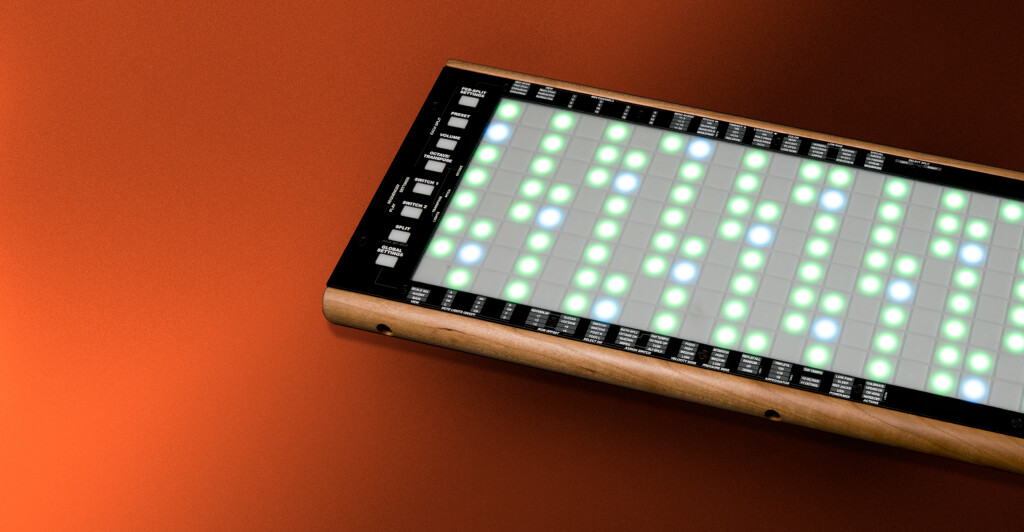
Recent demonstrations from the user community highlight the remarkable versatility and emotional depth of the expressive grid controller. Ambient composer Jeff Hopkins has garnered attention for his work utilizing the LinnStrument, creating lush, string-keyboard hybrid textures that evoke a profound sense of calm. When paired with advanced software synthesizers—such as the Dawesome KONTRAST plugin, known for its unique sonic architecture—the controller allows performers to manipulate timbre, pitch bend, and modulation simultaneously across multiple dimensions per note.
Beyond its standard configuration, the LinnStrument addresses critical accessibility needs through physical engineering. The integration of tactile features, such as the "Bumpy Surface" layout option, provides essential physical orientation points on the playing surface. This innovation benefits not only sighted musicians seeking tactile feedback during complex performances but also visually impaired and blind artists navigating the multi-dimensional grid. Demonstrations of the LinnStrument 200 equipped with the Bumpy Surface illustrate how physical resistance and tactile mapping enhance the intimacy of live performance, allowing for nuanced, somber musical exploration without visual reliance.
Economic Realities Facing Independent Hardware Manufacturers
Despite the enduring acclaim and cultural impact of the LinnStrument, independent hardware developers are not immune to global financial pressures. In an unusually candid announcement regarding his current discount, Linn addressed the underlying business conditions motivating the price reduction.
"Why the discount? My sales are down due to the current economic uncertainty from inflation, tariffs, and the war," Linn stated in his official customer newsletter.
The admission sheds light on the precarious financial landscape navigated by boutique music technology companies. Unlike mass-market consumer electronics manufacturers that can absorb supply chain shocks or offset rising material costs through massive volume, independent designers rely heavily on steady, predictable direct-to-consumer sales. Factors such as persistent global inflation, shifting international trade tariffs on electronic components, and geopolitical instability creating ongoing supply chain friction have squeezed profit margins and dampened consumer spending confidence.
For boutique builders who source specialized parts and maintain rigorous quality control standards, these macroeconomic headwinds present a continuous threat to operational sustainability. By offering a direct 10% discount using the coupon code "10off," Linn aims to stimulate demand while making his professional-grade expressive controllers more accessible to musicians navigating their own budgetary constraints during uncertain times.
Broader Implications for the Future of Musical Instruments
The current situation surrounding Roger Linn Design underscores a broader industry tension between mass-produced software plugins and specialized hardware instruments. As digital audio workstations become increasingly powerful, the market for physical hardware relies heavily on tactile differentiation—offerings that provide something a standard mouse and keyboard simply cannot replicate.
Instruments utilizing Polyphonic Aftertouch and MPE (MIDI Polyphonic Expression), such as the LinnStrument, represent a vital bridge between traditional acoustic performance nuance and electronic sound generation. The survival and continued innovation of independent creators like Linn are essential for maintaining diversity in instrument design. When macroeconomic pressures disproportionately affect boutique developers, the entire ecosystem risks homogenization.
For musicians and producers considering an investment in expressive hardware, the current discount offers a rare opportunity to acquire a piece of music history directly from its creator. As the industry looks toward an uncertain economic future, the dedication of independent luthiers ensures that the human gesture remains at the very center of musical innovation.