 Nayara Elvina
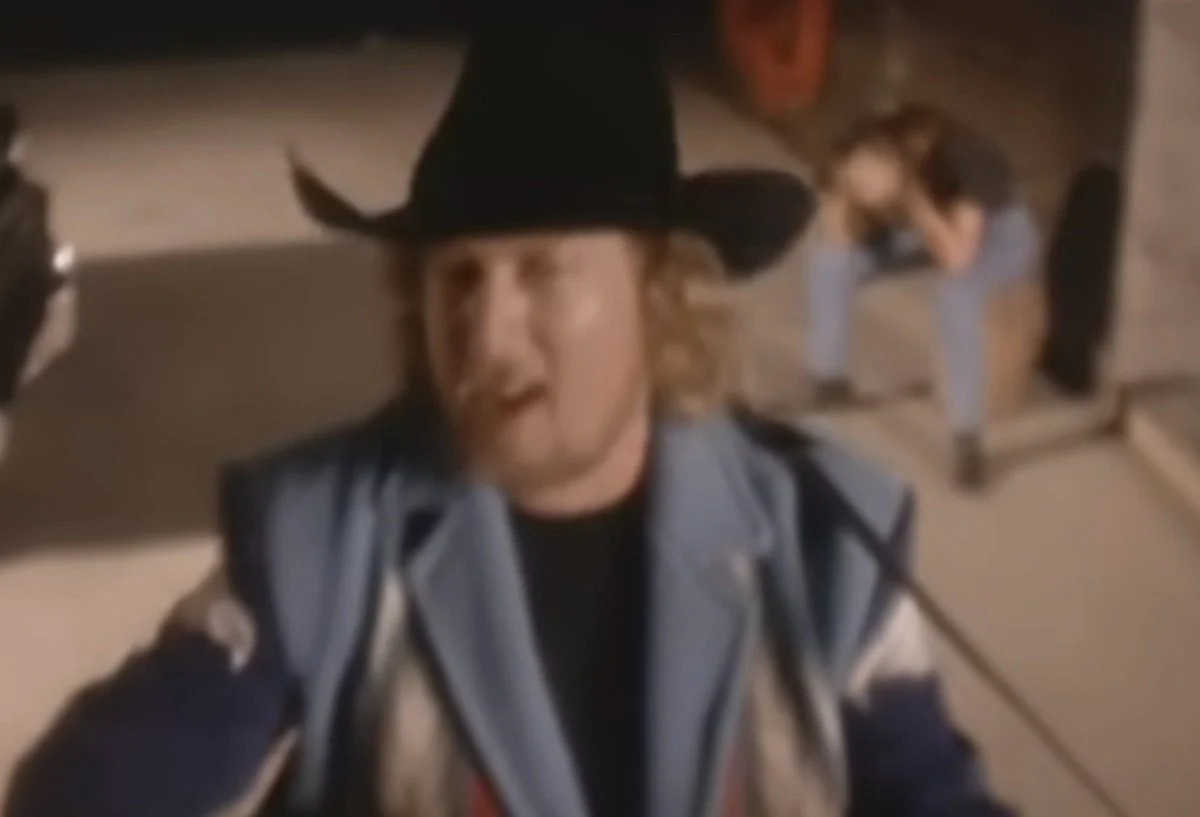
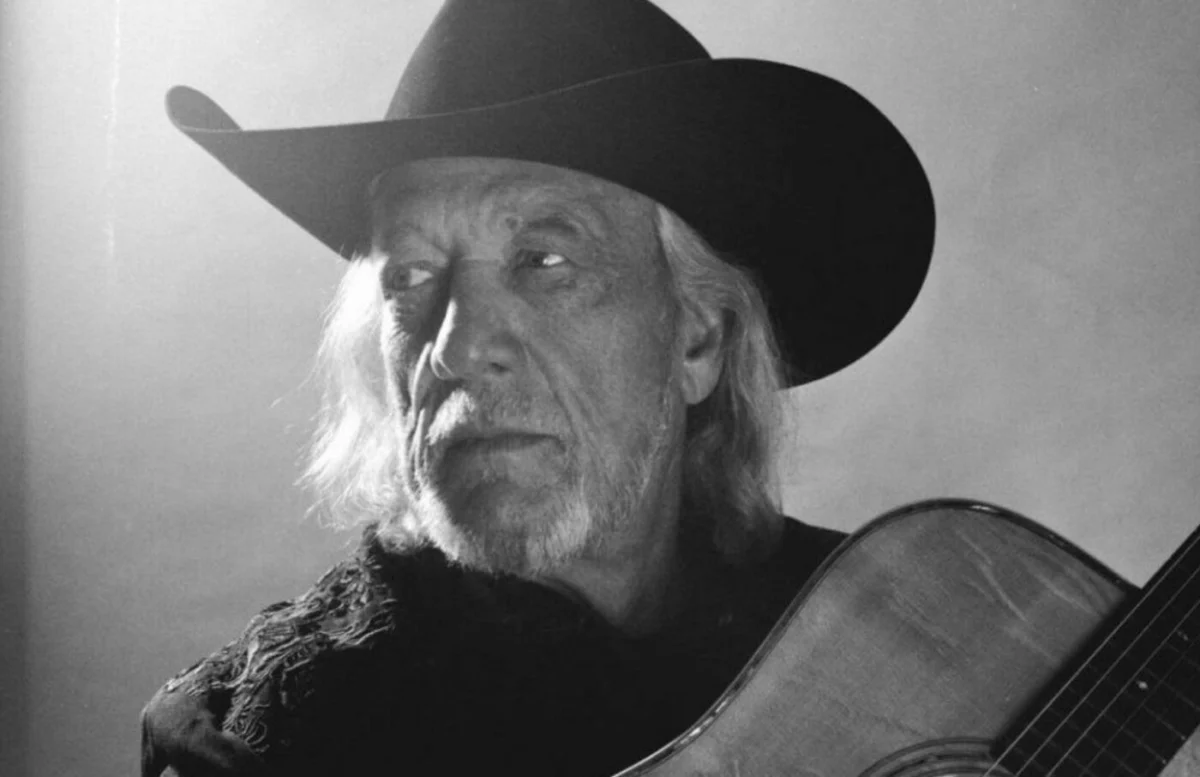
The country music community is in mourning following the peaceful passing of legendary singer-songwriter John Anderson, who died in his sleep at the age of 70. As fans, industry peers, and radio stations pay tribute to a career that defined the neo-traditionalist movement of the 1980s and 1990s, heavy rotation has naturally returned to his extensive catalog of hits. Chief among them is "Straight Tequila Night," a track that not only revitalized Anderson’s career upon its 1992 release but also cemented its place in the pantheon of country music storytelling. Yet, decades after its debut, the song continues to spark fervent debate over a single, seemingly innocuous lyric: "K13 is her favorite song / If you play it you might have a chance." For over thirty years, music historians and casual listeners alike have attempted to decode the exact track associated with the code K13 on old-school coin-operated jukeboxes, revealing a fascinating intersection of technology, songwriting craft, and fan culture.
Main Facts of the Release and Its Significance
Released in January 1992 as the lead single from his critically acclaimed studio album Seminole Wind, "Straight Tequila Night" marked a monumental turning point for John Anderson. Written by veteran tunesmiths Debbie Hupp and Kent Robbins, the song tells the vivid story of a heartbroken regular at a local watering hole who transforms whenever she drinks straight tequila. The narrative captures the raw vulnerability and defensive bravado of heartbreak, anchored by Anderson’s distinct, smooth-yet-gritty vocal delivery.
The single became a commercial juggernaut, climbing to the number one spot on the Billboard Hot Country Songs chart in May 1992. It was Anderson’s first chart-topping single in nearly a decade, following a successful run of early-1980s hits such as "Wild and Blue" and "Swingin’." The commercial triumph of "Straight Tequila Night" and the subsequent title track "Seminole Wind" effectively rescued Anderson’s career from a mid-80s slump, proving that traditional country music still held immense commercial viability in an era increasingly dominated by pop-crossover acts.
Chronology of a Country Music Revival
To understand the cultural footprint of "Straight Tequila Night," it is essential to examine the timeline of John Anderson’s career trajectory and the evolution of barroom technology referenced in the song.
In the late 1970s and early 1980s, Anderson emerged as a leading force in Nashville, bridging the gap between honky-tonk tradition and modern country radio. However, by the mid-1980s, shifting industry trends and changing radio formats led to a decline in his chart success. Recognizing the need for a creative reset, Anderson signed with BNA Records in the early 1990s.
In 1992, "Straight Tequila Night" was introduced to the public, capturing the zeitgeist of early-90s country music culture. At that time, mechanical and digital-analog jukeboxes manufactured by companies like Seeburg, Rock-Ola, and Wurlitzer were staples of American taverns. These machines utilized a standardized grid system where songs were categorized by a letter and a number combination—such as B4, C7, or K13—allowing patrons to manually select tracks by pressing corresponding buttons after inserting coins.
Supporting Data and Technological Context
The mechanical specifics of the jukebox era provide vital context for the lyric in question. In pre-digital establishments, the letter-number matrix on a jukebox was entirely dependent on the specific physical vinyl 45s or compact discs loaded into that individual machine by the tavern owner or route operator. Unlike modern digital jukeboxes powered by networks like TouchTunes—which feature millions of standardized tracks accessible via touchscreen—a 1990s Seeburg or Rowe AMI jukebox had limited capacity, typically holding between 50 and 100 discs (yielding 100 to 200 selectable songs).
Consequently, the slot designated as "K13" on one jukebox in Austin, Texas, would contain an entirely different song than the "K13" slot on a machine in Nashville, Tennessee, or Bakersfield, California. This localized variability is precisely what songwriters Debbie Hupp and Kent Robbins relied upon when crafting the verse.
Official Insights and Songwriting Intent
While fans have spent decades searching for a definitive master list or standardized chart to reveal the "true" identity of K13, industry insiders and musicologists have confirmed that no single song was ever officially designated by the writers. Hupp and Robbins intentionally left the coordinate ambiguous to maintain the universality of the narrative.
By utilizing a common barroom mechanism as a narrative device, the songwriters allowed every listener to project their own experiences onto the track. Whether a patron associated K13 with a mournful ballad, an upbeat honky-tonk tune, or a local favorite, the ambiguity invited active participation from the audience. In professional songwriting circles, this technique is recognized as a masterclass in emotional resonance: by refusing to over-explain a specific detail, the creators broaden the emotional scope of the composition, enabling millions of listeners to insert their personal histories into the song’s fictional dive bar.
Fan Theories and Cultural Legacy
Despite the intentional ambiguity crafted by the writers, generations of country music fans have passionately debated and proposed various candidates for the identity of K13. These theories often reflect the personal nostalgia of listeners who frequented country bars during the golden era of 1990s neo-traditionalism.
Among the most prominent fan theories is the association with Brooks & Dunn’s 1991 breakout hit "Working On My Next Broken Heart," a staple of early-90s jukeboxes that fit the thematic heartbreak of Anderson’s narrative. Other listeners have pointed toward Alabama’s 1990 hit "Jukebox in My Mind" as a thematically fitting companion piece. Beyond the 90s country canon, some pop-culture enthusiasts humorously or seriously suggest timeless anthems like Journey’s "Don’t Stop Believin’," while others point to classic tear-jerkers such as Patsy Cline’s "Crazy" or Keith Whitley’s "I’m Over You."
These diverse speculations demonstrate the enduring cultural footprint of the song. Rather than diminishing the track’s mystery, the lack of a definitive answer has sustained online forum discussions, radio retrospectives, and late-night bar debates for more than three decades.
Broader Impact and Industry Implications
The passing of John Anderson marks the end of an era for authentic country storytelling, prompting industry analysts to reflect on the lasting contributions of artists who prioritized lyrical substance and vocal identity over commercial sheen. "Straight Tequila Night" remains a prime example of how meticulous songwriting can elevate a standard honky-tonk narrative into a multi-layered cultural touchstone.
The song’s enduring legacy underscores the unique relationship between country music and its listeners. By embedding ordinary, everyday details—such as the alphanumeric code of a tavern jukebox—into a tragicomic tale of post-breakup resilience, Anderson, Hupp, and Robbins created a timeless work that continues to resonate across generations. As fans continue to spin "Straight Tequila Night" in honor of the late legend, the mystery of K13 serves as a poignant reminder of the power of imagination in music: the song is not defined by a single recorded track, but by the myriad memories, heartbreaks, and stories brought to the jukebox by everyone who ever listened.