 Aveline Kirana
The Wexford Festival Opera, long regarded as a cornerstone of the international operatic calendar, has officially unveiled its program for the 2027 season. Set against the historic backdrop of County Wexford, Ireland, the upcoming festival promises a rigorous exploration of lesser-known operatic gems, continuing its tradition of reviving neglected works while fostering contemporary innovation. As the organization initiates casting for its main stage productions, the announcement serves as a signal to the global arts community that Wexford remains committed to its mission of intellectual curiosity and artistic excellence.
The 2027 season is structured to highlight a diverse array of linguistic and cultural traditions, with three main stage operas performed in their original Italian, Czech, and French. By balancing established operatic standards with the rediscovery of forgotten scores, the festival aims to draw both dedicated opera enthusiasts and those seeking a deeper engagement with the history of the medium.
A Tripartite Main Stage Experience
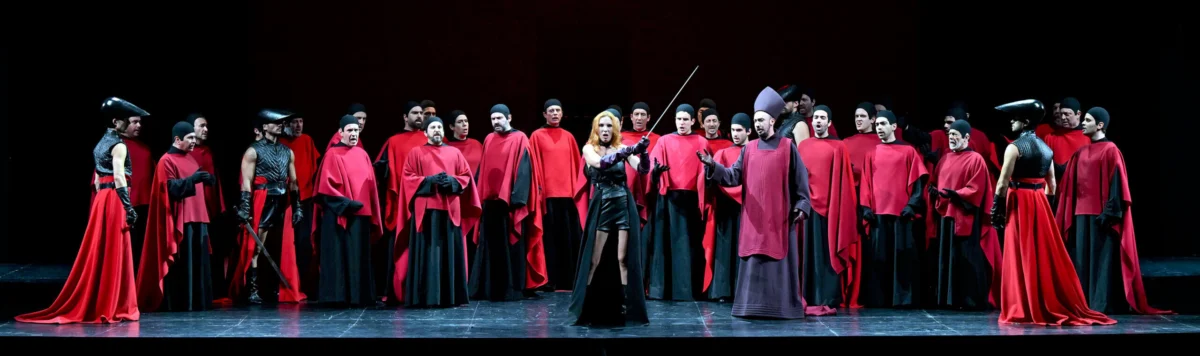
The 2027 main stage program represents a significant investment in both creative direction and historical scholarship. Opening the festival on October 14, 2027, is Carolina Uccelli’s Anna di Resburgo, with a libretto by Gaetano Rossi. Directed by Rodula Gaitanou, this production features set and costume design by Cordelia Chisholm, with Sieva Borzak leading the musical direction. Uccelli, a composer whose work has often been overshadowed by her contemporaries, represents the festival’s ongoing dedication to highlighting female voices in the operatic canon. The opera will be performed in Italian, a choice that aligns with the festival’s commitment to maintaining authentic linguistic textures.
Following the opening, the festival will present Bedřich Smetana’s Tajemství (The Secret), with a libretto by Eliška Krásnohorská. Directed by Polly Graham, this production brings the complexities of Czech Romanticism to the Wexford stage. Anisha Fields has been tapped for set and costume design, with Sasha Scolnik Brower serving as conductor. Performed in its original Czech, The Secret provides a counterpoint to the Italian bel canto traditions, offering audiences a window into the rich folklore and nationalist musical movements of the 19th century.
The final main stage production is Camille Saint-Saëns’ Déjanire, with a libretto by Louis Gallet. In an ambitious dual role, George Petrou will both conduct and direct this French-language work. Georgina Germanou completes the creative team as the set and costume designer. Saint-Saëns, primarily celebrated for his symphonic works, composed Déjanire during a period of intense creative output, and its inclusion in the 2027 season reflects a concerted effort to reassess his contributions to the operatic stage.
Beyond the Main Stage: Concerts and Pocket Operas
The Wexford Festival Opera has historically functioned as more than a theater for grand opera; it serves as a laboratory for chamber works and symphonic collaborations. The 2027 program includes a marquee performance titled "Maria Callas Mon Amour," featuring the renowned soprano Celine Byrne accompanied by the RTÉ Concert Orchestra on October 17. This event commemorates the enduring legacy of the legendary diva, bridging the gap between historical reverence and contemporary performance standards.
Complementing the main stage and concert offerings, the festival will host a triple bill of "Pocket Operas." This collection includes Samuel Barber and Gian Carlo Menotti’s A Hand of Bridge, Menotti’s The Telephone, and Douglas Moore and Arnold Sundgaard’s Gallantry. Directed by Pat Whelan and conducted by Carmen Santoro, these works utilize a smaller instrumental ensemble, providing a more intimate experience that highlights the technical precision required for chamber opera.
Furthermore, a significant collaboration with the renowned label Opera Rara has been confirmed. The festival will present a special production of Wolfgang Amadeus Mozart’s Le nozze di Figaro, directed by Rosetta Cucchi and conducted by Karen Ní Bhroin. This partnership marks a strategic alignment between the festival and Opera Rara, an organization dedicated to the preservation and performance of rare operatic works, suggesting that the 2027 season will be characterized by a high degree of scholarly rigor and production quality.
Historical Context and Institutional Legacy
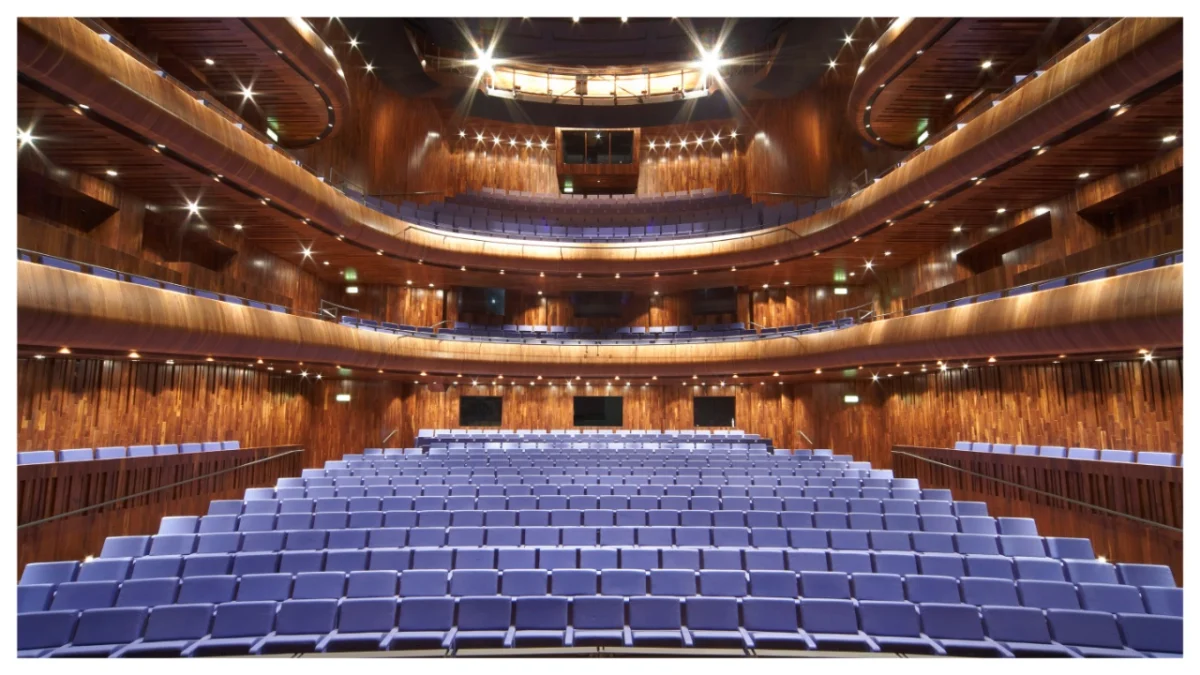
The Wexford Festival Opera, founded in 1951, has built a reputation on the "Wexford model": the presentation of operas that are rarely performed elsewhere, often because they fall outside the standard repertoire of major international houses. Over the past seven decades, the festival has evolved from a small, local gathering into a globally recognized institution. Its home, the National Opera House, provides a state-of-the-art facility that allows for complex staging and high-fidelity acoustics.
Data from recent seasons indicates that the festival’s audience demographic is increasingly international, with a significant influx of visitors from the United Kingdom, the United States, and across mainland Europe. By selecting works like Uccelli’s Anna di Resburgo—a work that rarely sees the light of day—the festival manages to secure its relevance in an era where digital archives have made it easier to discover lost music, yet harder to see it performed live.
Strategic Implications and Industry Impact
The announcement of the 2027 season serves several strategic functions for the Wexford Festival Opera. First, it ensures the financial and logistical stability of the organization by providing a long-term roadmap for stakeholders, sponsors, and patrons. By securing creative teams nearly three years in advance, the festival mitigates the risks associated with production delays and scheduling conflicts.
Second, the festival acts as a cultural anchor for the region. The economic impact of the event is substantial, with the influx of thousands of attendees providing a seasonal boost to the hospitality and tourism sectors of County Wexford. The inclusion of community-focused programming, such as the Factory Opera, ensures that the festival remains deeply embedded in the local social fabric, preventing the elitism that can sometimes alienate regional audiences from high-art institutions.
Finally, the 2027 program reflects a broader trend in the opera world toward "repertory expansion." As major houses like the Metropolitan Opera and La Scala face pressure to modernize, Wexford provides a blueprint for how institutions can balance the need for commercial viability with the imperative of artistic discovery. By championing neglected works, Wexford does not merely stage plays; it actively participates in the curation of the Western musical canon.
Looking Ahead: The Road to 2027
While the festival has already confirmed a robust schedule, the administration has indicated that further details regarding recitals, lectures, and additional events will be announced in the coming months. These peripheral events are crucial to the Wexford experience, as they provide the academic context necessary for audiences to appreciate the historical significance of the chosen works.
The casting process, which is currently underway, is viewed by industry observers as a critical phase. Given the festival’s history of launching the careers of young singers who later go on to achieve international fame, the roster of artists for 2027 will be monitored closely by talent scouts and critics alike.
In summary, the 2027 Wexford Festival Opera program represents a synthesis of traditional excellence and innovative curation. By maintaining its commitment to the rediscovery of rare scores while fostering new partnerships with institutions like Opera Rara, the festival continues to cement its status as a vital component of the international performing arts circuit. As the dates in October 2027 approach, the focus will shift from the conceptual planning stages to the rigorous rehearsals that define the "Wexford standard." Whether through the bel canto lines of Uccelli or the Czech folk traditions of Smetana, the upcoming season is positioned to offer a profound examination of the operatic form.