 Indra Aziz
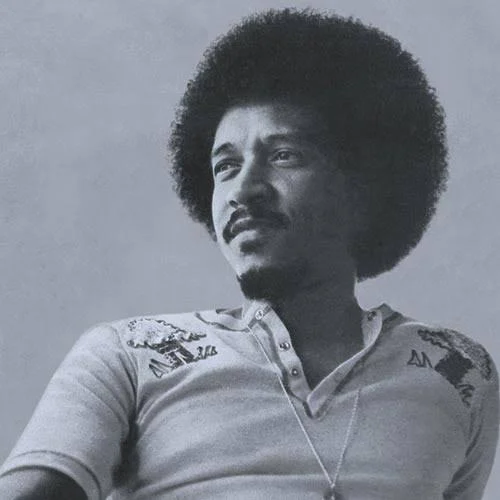
The global music community is mourning the loss of Derrick Harriott, one of the foundational architects of Jamaican popular music, who passed away on October 24, 2026, at the age of 87. According to confirmations from multiple sources, including the Jamaica Observer, Harriott died peacefully at his home in Jamaica, leaving behind a monumental legacy that spans more than six decades of recording, production, and cultural influence.
As a singer, songwriter, producer, and label owner, Harriott played an instrumental role in shaping the evolution of Jamaican music through its most critical transitional periods—from the jump blues and R&B-infused sounds of the pre-ska era, through the golden age of rocksteady, and into the vibrant, globally expanding reggae movement. His passing marks the loss of yet another vital link to the foundational generation of artists who defined Jamaica’s musical identity during the mid-20th century.
Main Facts of a Storied Career
Derrick Harriott’s career was defined by an uncompromising ear for melody, a smooth and soulful tenor vocal delivery, and an entrepreneurial spirit that allowed him to maintain artistic independence throughout his life. Operating not only as a frontline performer but also as a visionary producer, he helmed successful record labels such as Crystal and Move & Groove, through which he released timeless classics and nurtured the talents of numerous emerging artists.
Throughout his lifetime, Harriott maintained a reputation as an innovator who could seamlessly adapt to changing musical tides while retaining a distinct, sophisticated aesthetic. His work was characterized by lush harmonies, impeccable arrangements, and a deep appreciation for American soul and rhythm and blues, which he successfully synthesized with indigenous Jamaican rhythms.
Chronology of a Musical Journey: From Kingston to Global Stages
To understand the magnitude of Derrick Harriott’s contribution to music history, it is necessary to examine the chronological evolution of his career alongside the broader socio-cultural developments of Jamaica.
Early Life and the Genesis of Ska (1939–1959)
Born in Kingston, Jamaica, in 1939, Harriott grew up during a period when the island’s musical landscape was heavily influenced by American radio broadcasts of jump blues, jazz, and R&B. As a teenager, he developed a deep passion for singing and performance. In the late 1950s, he formed a vocal duo with Claude Sang Jr. Together, the pair began performing locally, gaining traction within Kingston’s burgeoning soundsystem culture. Their early recordings helped bridge the gap between imported American sounds and local Jamaican sensibilities, laying the foundational bricks for what would soon become ska.
The Solo Breakthrough and the Crystal Label (1960–1965)
By the early 1960s, as Jamaica stood on the precipice of political independence from Great Britain (achieved in August 1962), Harriott embarked on a solo career. Recognizing the need for artists to control their own output in a notoriously exploitative industry, he founded his own record label, Crystal Records. During this period, Harriott released a string of successful singles that captured the buoyant, celebratory mood of an independent nation. His sophisticated vocal style set him apart from many of his contemporaries, earning him a dedicated following across the island.
The Rocksteady Era and Black Consciousness (1966–1969)
As the blistering pace of ska slowed down into the smoother, more bass-heavy grooves of rocksteady in the mid-to-late 1960s, Harriott reached new artistic heights. Influenced by the shifting political and social consciousness of the era, his music began to reflect deeper themes of identity, struggle, and spirituality. Leaning heavily into his soul-inspired vocal delivery, he released a string of enduring rocksteady anthems, including "The Loser," "Solomon," and "Born to Love You." Simultaneously, his production work flourished, as he produced hits for other notable acts, cementing his status as a master craftsman in the recording studio.
The Reggae Transition and International Acclaim (1970s–1980s)
As rocksteady evolved into reggae at the turn of the decade, Harriott successfully transitioned with the times. While his domestic popularity remained robust, he developed an unexpected and fiercely loyal international fanbase, particularly in the United Kingdom. During the late 1960s and 1970s, British youth subcultures—most notably the skinhead and mod movements—embraced Jamaican rocksteady and early reggae, making Harriott a fixture of UK club culture. His tracks became staples on dancefloors across British industrial towns, creating a transatlantic bridge for his music.
Later Years, Legacy, and International Collaborations (1990s–2026)
In the later decades of his life, Harriott remained active as a performer and cultural ambassador. He was regularly called upon to perform at major international festivals, where he was celebrated as a living legend. His enduring appeal bridged generational divides, allowing him to build collaborative relationships with second- and third-wave ska musicians in the United States and Europe who viewed him as an essential pioneer. Despite his international touring and recognition, Harriott remained deeply rooted in Jamaica until his final days.
Supporting Data: Discography and Production Impact
While exact sales figures from the early eras of the Jamaican recording industry are notoriously difficult to quantify due to informal distribution networks and shifting market conditions, Harriott’s catalog remains a cornerstone of reggae archiving.
- Record Labels Founded: Crystal, Move & Groove, ZX.
- Key Production Credits: Beyond his own material, Harriott produced significant early recordings for legendary groups such as The Jamaicans (whose song "Baba Boom" won the 1967 Jamaican Festival Song Competition) and Junior Byles.
- Signature Solo Tracks: "The Loser," "Solomon," "Eighteen With a Bullet," and "Walking Through the Rain."
These recordings have been heavily anthologized over the decades, appearing on definitive box sets and compilations released by specialist reggae labels such as Trojan Records and Soul Jazz Records, ensuring that his work continues to be studied by contemporary producers and music historians.
Official Responses and Tributes
Following the announcement of his passing, tributes poured in from across the music world, highlighting his immense contribution to Jamaican culture and his gentle, professional demeanor.
Cultural institutions, fellow musicians, and industry veterans took to social media and public statements to express their grief and admiration. The Minister of Culture, Gender, Entertainment and Sport for Jamaica, along with various music industry associations, released statements praising Harriott as a national treasure whose artistry helped export Jamaican culture to the furthest corners of the globe.
Colleagues and younger-generation artists remembered him not only for his vocal prowess and studio acumen, but also for his generosity as a mentor. Many noted that Harriott operated with a level of dignity and artistic integrity that earned him the universal respect of his peers in a notoriously turbulent industry.
Broader Impact and Historical Implications
The death of Derrick Harriott represents the passing of an irreplaceable chapter in music history. Artists of his generation were primary architects of a cultural revolution that transformed a small Caribbean island into a musical superpower.
Harriott’s dual role as both a preeminent vocalist and a visionary independent producer highlights the DIY ethos that has long characterized Jamaican popular music. By establishing the Crystal label, he demonstrated that Jamaican artists could take ownership of their creative output, setting a precedent for economic and artistic self-determination that influenced subsequent generations of reggae and dancehall creators.
Furthermore, Harriott’s music served as an early vehicle for cultural exchange. Through his soul-inflected rocksteady and reggae productions, he helped foster a cross-cultural dialogue between Jamaican immigrants and British working-class youth during the 1960s and 1970s, proving that music could transcend racial and geographic boundaries during times of social tension.
As historians, archivists, and fans reflect on his extensive catalog, Derrick Harriott’s legacy is secure. He leaves behind a sonic blueprint that continues to reverberate through modern reggae, ska, and soul music, ensuring that his voice will remain immortalized in the global consciousness.