Indra Aziz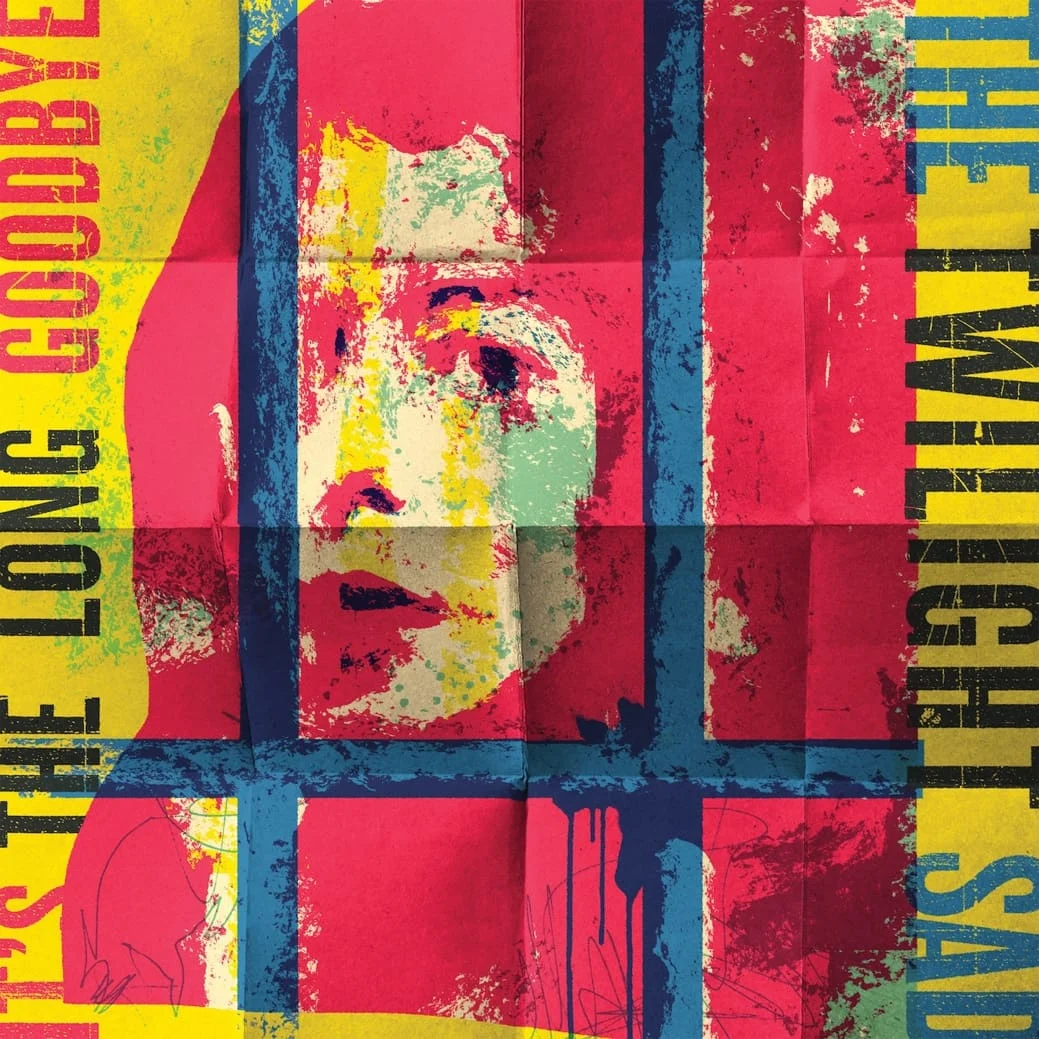
The Scottish indie music scene, particularly in the late 2000s, was a crucible of raw emotion and sonic innovation, producing a generation of bands that would leave an indelible mark on the alternative landscape. Among the vanguard of this vibrant era stood Frightened Rabbit, We Were Promised Jetpacks, and The Twilight Sad. While all three carved out distinct identities, The Twilight Sad emerged with a sound that was both viscerally impactful and deeply resonant, a potent blend of noisy, emotional catharsis delivered with a formidable Scottish brogue. This distinctiveness positioned them as torchbearers for a lineage of Scottish sonic pioneers, echoing the introspective intensity of bands like Arab Strap and the expansive soundscapes of Mogwai that had captivated audiences a decade prior.
Hailing from Kilsyth, a town on the outskirts of Glasgow, The Twilight Sad’s 2007 debut album, Fourteen Autumns & Fifteen Winters, possessed an immediate, almost classic feel. Frontman James Graham’s unmistakable vocals, imbued with the authentic cadence of his Scottish heritage, cut through the dense, shoegaze-infused guitar textures masterfully crafted by Andy MacFarlane. The resulting sonic tapestry was an often ear-splitting, yet undeniably compelling, wall of sound underpinned by a subtle, yet persistent, folk sensibility. This potent combination quickly cultivated a dedicated following, not just within the United Kingdom but also across the Atlantic. A pivotal moment in solidifying this international appeal came in 2009, with a performance of "Cold Days from the Birdhouse" on Seattle radio station KEXP. This rendition, widely regarded as spine-tingling, showcased the band’s raw power and emotional depth, serving as an entry point for many new listeners into their distinctive world.
Following their impactful debut, The Twilight Sad released four subsequent albums, each marking a significant step in their sonic evolution. These records saw the band adeptly incorporate elements of industrial music, post-punk, and Krautrock into their signature sonic maelstrom. This willingness to experiment and expand their sound kept their music fresh and compelling, demonstrating a commitment to artistic growth beyond their initial shoegaze-driven formula. A notable chapter in their career involved extensive touring as support for the iconic goth-rock band The Cure. Their involvement in The Cure’s 2016 and 2023 worldwide tours not only exposed them to a massive global audience but also provided a platform to showcase their evolving artistry alongside esteemed musical peers, further solidifying their reputation.
A Seven-Year Wait Culminates in It’s the Long Goodbye
The adage that "good things come to those who wait" rings particularly true with the release of It’s the Long Goodbye, the fifth studio album from The Twilight Sad and their first in seven years. The band, now operating as a duo comprising vocalist James Graham and guitarist Andy MacFarlane, has delivered an album that is both profoundly personal and ferociously raw. This latest offering is a devastatingly effective synthesis of crashing shoegaze, understated electronic textures, and deeply melancholic soundscapes.
Recorded with remarkable efficiency over just two weeks at Battery Studios in North West London, and produced by MacFarlane, It’s the Long Goodbye is an album shaped entirely by the crucible of grief. The illness and subsequent passing of James Graham’s mother form the undeniable emotional core of this record. This heavy, deeply personal subject matter galvanizes the album, lending it a gorgeous yet profoundly devastating quality that resonates throughout its entirety. The seven-year gap between albums, while seemingly lengthy, appears to have been a period of intense creative gestation, allowing Graham and MacFarlane to distill their experiences into a cohesive and impactful artistic statement.
Navigating Grief Through Sound: Key Tracks and Themes
From the outset, It’s the Long Goodbye announces its profound thematic weight. The track "WAITING FOR THE PHONE CALL" immediately distinguishes itself, driven by pulsating, rave-inspired synths and insistent beats. The song is elevated by a guest appearance from Robert Smith, the enigmatic frontman of The Cure, who contributes guitar work. Lyrically, the track poignantly captures Graham’s agonizing wait for news of his mother’s death and the impending anguish this communication would inevitably bring. Lines such as "I’m sittin’ in the front seat, head in my hands / Waitin’ for the phone call, telling me I am gone" encapsulate the paralyzing dread and anticipatory sorrow that permeates the song.
At the album’s midpoint, "DEAD FLOWERS" offers an expansive and atmospheric departure from the more direct emotional outpourings found elsewhere. This track features an extended, Cure-esque introduction that builds a brooding atmosphere through interwoven synth and guitar soundscapes. The seven-minute duration of "DEAD FLOWERS" allows the listener to become fully immersed in its melancholic sonic tapestry, a testament to the band’s ability to create immersive listening experiences.
The theme of grief and the profound struggle associated with losing a loved one is further explored on "ATTEMPT A CRASH LANDING – THEME." The track opens with shimmering synths before erupting into a full-frontal assault of soaring guitars and propulsive percussion. Graham’s repeated, almost desperate refrain of "Just tell me anything / Tell me anything" serves as a gut-punching conclusion, highlighting the raw need for solace and any form of connection in the face of overwhelming loss. Similarly, the reflective ballad "BACK TO FOURTEEN" delves into the immediate, searing pain caused by his mother’s death. The pleading lyric, "mother may I lay down and cry, mother may I lay down and die?" delivered by a grieving Graham, underscores the profound despair and existential questioning that grief can evoke.
A Testament to Resilience and Artistic Purity
It’s the Long Goodbye is an album that unflinchingly confronts its subject matter, refusing to shy away from the bleak realities of loss. The painstakingly bleak atmosphere is delivered with a compelling combination of raw vulnerability and the band’s customary explosive power. This dichotomy creates a listening experience that is both cathartic and deeply moving. The album represents a powerful and truly wonderful return for The Twilight Sad, solidifying their position as one of the most vital and emotionally resonant bands in contemporary alternative music.
The album’s success can be attributed not only to its emotional honesty but also to its sonic precision. The production, overseen by MacFarlane, ensures that each element, from the delicate synth textures to the thunderous guitar crescendos, is meticulously placed, creating a rich and immersive soundstage. The decision to record the album in a concentrated two-week period likely contributed to its raw immediacy and cohesive feel, capturing the unvarnished emotion of the creative process.
Critical Acclaim and Wider Impact
The release of It’s the Long Goodbye has been met with widespread critical acclaim, with publications highlighting the band’s maturity and their unwavering commitment to artistic integrity. The album’s success signals a growing appreciation for music that tackles difficult emotional subjects with unflinching honesty and sonic ambition. For fans of The Twilight Sad, this album represents a long-awaited culmination of their journey, a testament to the enduring power of their music.
The band’s consistent evolution, from their early shoegaze roots to their more experimental later work, has earned them a dedicated and loyal fanbase. Their continued association with established acts like The Cure has also broadened their reach, introducing their distinctive sound to new audiences. The critical reception and commercial performance of It’s the Long Goodbye suggest that The Twilight Sad are at the peak of their creative powers, capable of producing music that is both critically lauded and deeply resonant with listeners.
The album’s thematic depth and sonic complexity offer a compelling case study in how artists can transform personal tragedy into universally relatable art. The Twilight Sad’s ability to channel grief into such a powerful and beautifully crafted collection of songs underscores the profound capacity of music to heal, to connect, and to endure. It’s the Long Goodbye is not merely an album; it is an emotional journey, a testament to resilience, and a significant artistic achievement that will undoubtedly stand the test of time.
Rating: 9/10
Words: Matthew McLister