Aveline Kirana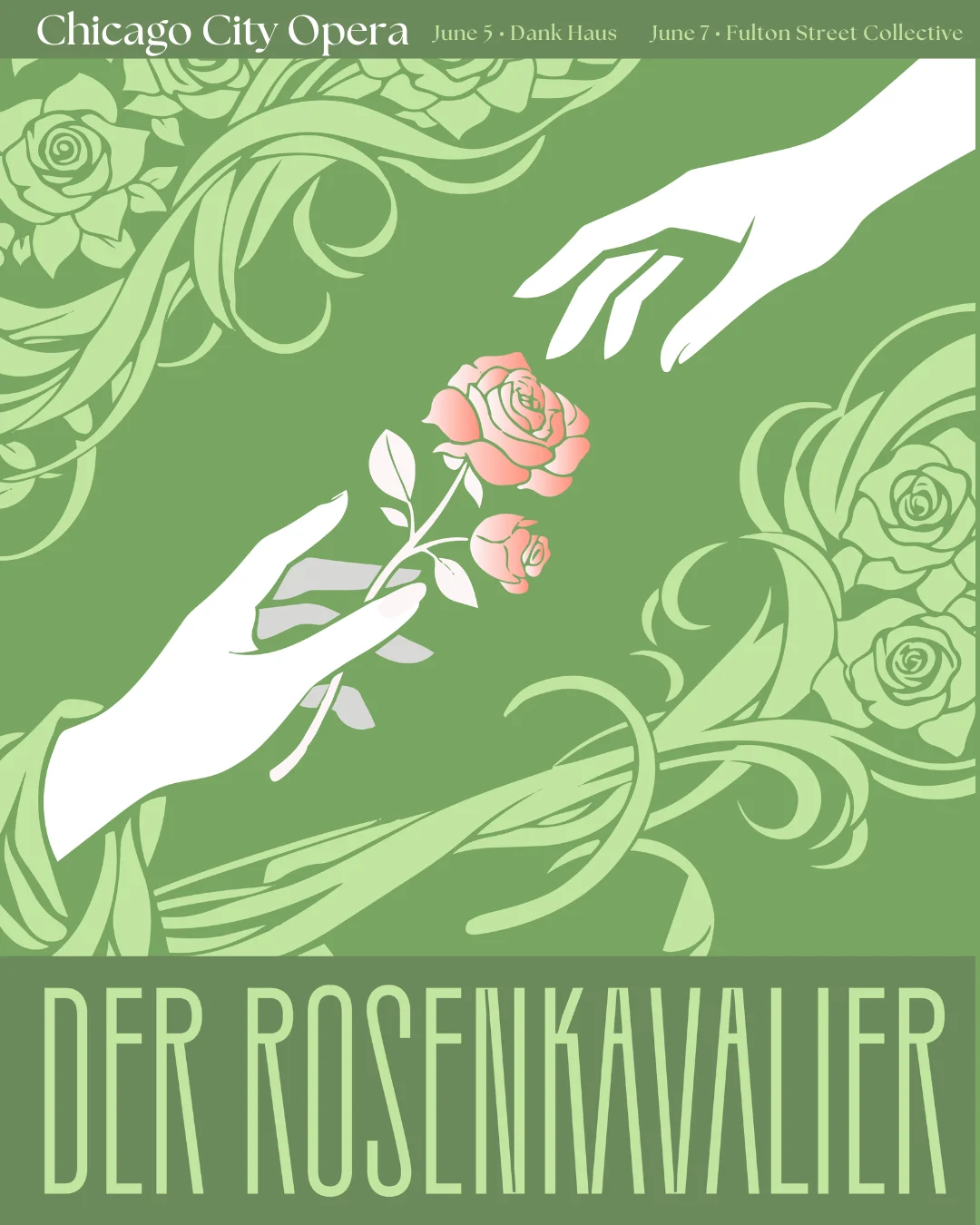
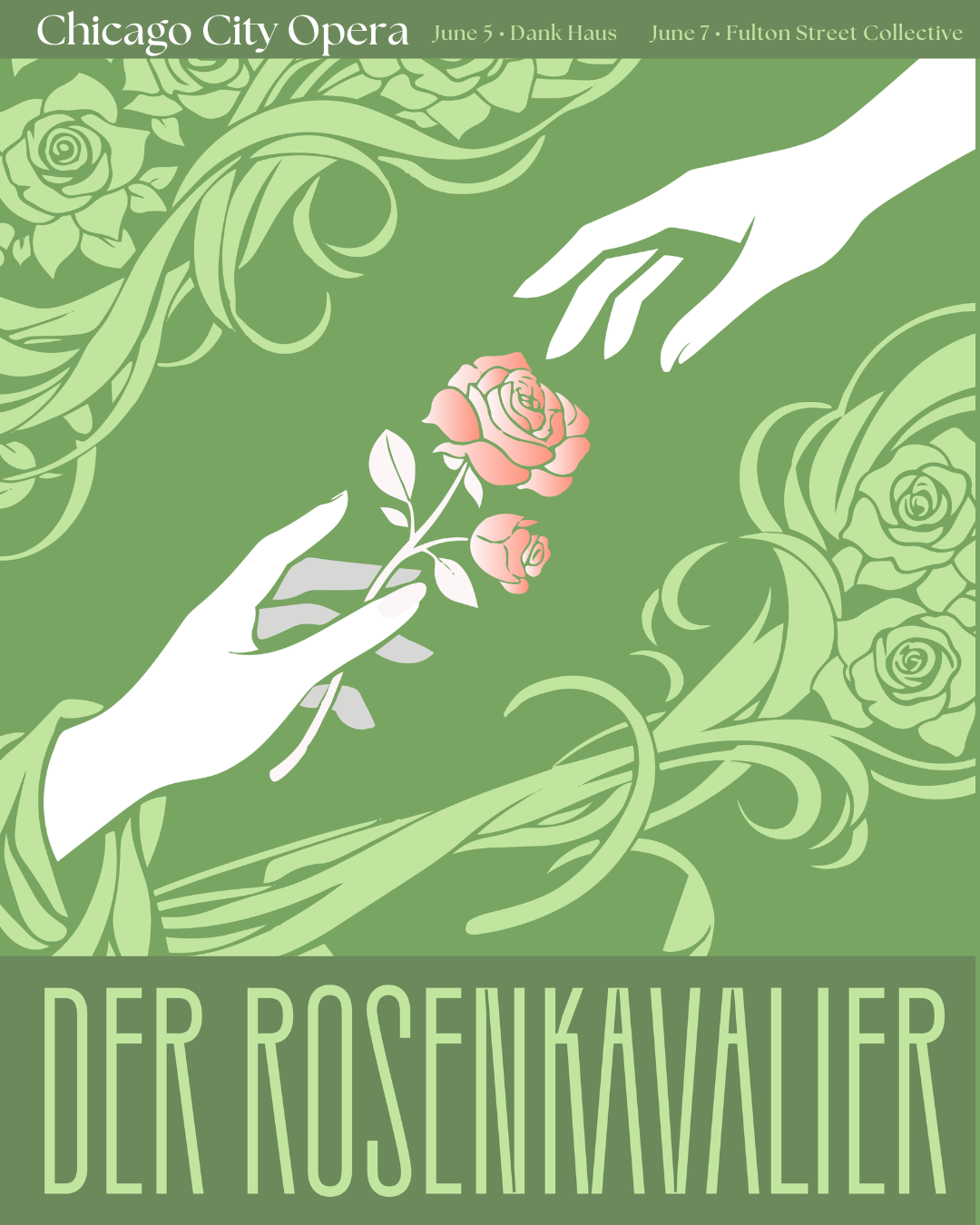
Chicago City Opera (CCO) is set to enchant audiences with a highly anticipated production of Richard Strauss’s beloved opera, Der Rosenkavalier. This masterpiece of the operatic repertoire, renowned for its rich orchestration, complex characters, and seamless blend of comedy and pathos, will be presented in two distinct performances, offering Chicagoans a unique opportunity to experience its magic. The first performance is scheduled for June 5th, taking place at the esteemed DANK Haus German American Cultural Center, a venue that resonates with the opera’s German heritage. The second performance will follow on June 7th, hosted at the vibrant Fulton Street Collective, marking a new collaboration for the company.
The production is under the distinguished musical direction of CCO Artistic Director Alexandra Enyart, with the insightful stage direction of Rose Freeman. Leading the cast in this lavish production will be a talented ensemble of singers. Soprano Alannah Spencer is poised to embody the iconic role of The Marschallin, a character grappling with aging and love. Mezzo-soprano Molly Clementz will take on the trouser role of Octavian, the spirited young nobleman entangled in the Marschallin’s affections and the central romantic plot. Baritone Keaton Payne will portray the lecherous and comically imposing Baron Ochs auf Lerchenau, whose outdated aristocratic ways are a driving force of the opera’s humor. Soprano Al Kassouf will grace the stage as Sophie von Faninal, the innocent and beautiful young woman at the heart of the romantic entanglements. The supporting cast includes baritone Noah Gartner as Sophie’s father, Faninal; soprano Ariel Emma as Marianne, Sophie’s duenna; tenor Jose Vargas as the conniving Italian interloper Valzacchi; and mezzo-soprano Angela Born as his accomplice, Annina. Providing the orchestral tapestry for this intimate production will be pianist Jordan Crice, who will serve as the sole instrumentalist, a testament to the opera’s intricate and demanding vocal lines and its ability to convey a full orchestral sound through a solo piano reduction.
A Masterwork of Strauss and Hofmannsthal
Der Rosenkavalier, with its libretto penned by Hugo von Hofmannsthal, premiered in Dresden in 1911. It was an immediate success, solidifying Strauss’s reputation as a leading operatic composer. The opera is set in 18th-century Vienna during the reign of Maria Theresa and is celebrated for its sophisticated portrayal of love, class, and societal change. Unlike many operas that focus on grand dramatic events, Der Rosenkavalier delves into the nuances of human relationships, the passage of time, and the bittersweet realities of life. Its intricate plot, involving mistaken identities, passionate affairs, and social machinations, is woven together with some of Strauss’s most lyrical and exhilarating music. The opera is particularly noted for its iconic "Rosenkavalier Waltz," a recurring motif that captures the spirit of Viennese elegance and romance.
The opera’s enduring appeal lies in its ability to evoke a wide spectrum of emotions. It is simultaneously a witty social satire, a tender love story, and a poignant reflection on the ephemeral nature of youth and beauty. The characters, from the world-weary Marschallin to the impetuous Octavian and the innocent Sophie, are drawn with remarkable psychological depth, making them relatable and compelling to audiences across generations. Hofmannsthal’s libretto is a masterpiece of literary craftsmanship, filled with elegant prose, witty aphorisms, and profound observations on the human condition.
CCO’s Vision and Venue Choices
Alexandra Enyart, in her statement, articulated the artistic vision behind CCO’s production. "Der Rosenkavalier is one of those rare works that, with the help of Strauss’s lush Romantic orchestration, manages to deliver both genuine comedy and compelling drama simultaneously," she stated. Enyart emphasized the intimate nature of the CCO’s approach, noting, "CCO’s production gives audiences the opportunity to get up close and personal with this sweeping masterpiece." This statement suggests a production that prioritizes vocal performance and dramatic interaction, allowing the subtleties of the score and the libretto to shine without the vastness of a full orchestra.
The choice of venues for Der Rosenkavalier is particularly significant. The DANK Haus German American Cultural Center, with its historical ties to German culture, provides an authentic and fitting backdrop for this German opera. The center has a history of hosting cultural events and performances, making it a natural choice for an opera that celebrates Viennese high society. Its intimate setting would allow for a deeply engaging experience, where the nuances of the performances can be readily appreciated by the audience.
The subsequent performance at Fulton Street Collective introduces a new dynamic. This venue, known for its contemporary arts programming and often more avant-garde offerings, suggests CCO’s willingness to engage with diverse artistic spaces and potentially reach a broader audience. The collaboration with Fulton Street Collective signifies CCO’s commitment to expanding its reach within Chicago’s vibrant arts scene and fostering new partnerships. This duality in venue choice—from a culturally resonant institution to a contemporary arts hub—demonstrates a strategic approach to programming and audience engagement.
A Deeper Look at the Production Elements
The casting of Der Rosenkavalier by Chicago City Opera presents a strong ensemble of vocal talent. Soprano Alannah Spencer, as The Marschallin, faces the challenge of portraying a character who is both regal and vulnerable, experiencing the poignant realization of her own aging and the inevitable shift in romantic affections. Her interpretation will be crucial in conveying the opera’s central theme of time’s passage. Mezzo-soprano Molly Clementz, in the demanding role of Octavian, must capture the youthful ardor and romantic idealism of the young Count, while also navigating the complexities of disguise and genuine emotional connection. The opera’s famous "rose presentation" scene, a moment of exquisite tenderness and delicate negotiation, will be a highlight of Clementz’s performance.
Baritone Keaton Payne’s portrayal of Baron Ochs is pivotal to the opera’s comedic impact. This character, a relic of a bygone era, provides much of the opera’s humor through his boorish behavior and inflated sense of self-importance. Payne’s performance will need to balance the Baron’s absurdity with a certain underlying menace, ensuring that his presence drives the plot forward without becoming a mere caricature. The romantic pairing of Octavian and Sophie, as embodied by Clementz and Al Kassouf, will be central to the opera’s emotional core. Kassouf, as the innocent Sophie, must convey a sense of awakening and burgeoning desire, her transformation from dutiful daughter to a woman in love being a key narrative arc.
The artistic team of Enyart and Freeman are tasked with bringing this intricate work to life within the chosen venues. Enyart’s experience as Artistic Director suggests a firm grasp of the operatic repertoire, while Freeman’s stage direction will be instrumental in shaping the visual narrative and the interactions between the characters. The decision to utilize a solo pianist, Jordan Crice, for the orchestral accompaniment is a significant artistic choice. This approach, while challenging, allows for a more focused and intimate presentation of the opera’s vocal lines and dramatic subtleties. It demands a pianist of exceptional skill and interpretive depth to convey the richness and complexity of Strauss’s score. Such productions have historically proven to be deeply moving, highlighting the raw emotional power of the vocal performances.
The Broader Context and Future Implications
Chicago City Opera’s presentation of Der Rosenkavalier arrives at a time when opera companies worldwide are exploring innovative ways to present classic repertoire to contemporary audiences. The trend towards more intimate productions, utilizing smaller ensembles or solo instruments, reflects a desire to make opera more accessible and to highlight the dramatic and vocal artistry at its core. This production, with its dual venue strategy, also speaks to CCO’s ambition to engage with a diverse range of Chicago’s cultural landscape.
The success of this production could have several implications for Chicago City Opera. Firstly, it demonstrates their capability in mounting a challenging and well-loved opera, solidifying their artistic reputation. Secondly, the collaboration with Fulton Street Collective opens new avenues for future programming and potential partnerships with contemporary arts organizations, broadening their audience base. By engaging with venues that offer different experiences, CCO positions itself as a flexible and forward-thinking arts institution. Furthermore, the specific choice of Der Rosenkavalier, an opera that balances profound human emotion with sophisticated wit, offers a compelling argument for the continued relevance and appeal of the operatic art form. It allows CCO to showcase both artistic excellence and a commitment to engaging with the rich tradition of opera in a way that resonates with modern sensibilities. The company’s strategic decision to offer this masterpiece in two distinct settings underscores a thoughtful approach to audience engagement and artistic exploration within the vibrant Chicago arts community.