 Kholidah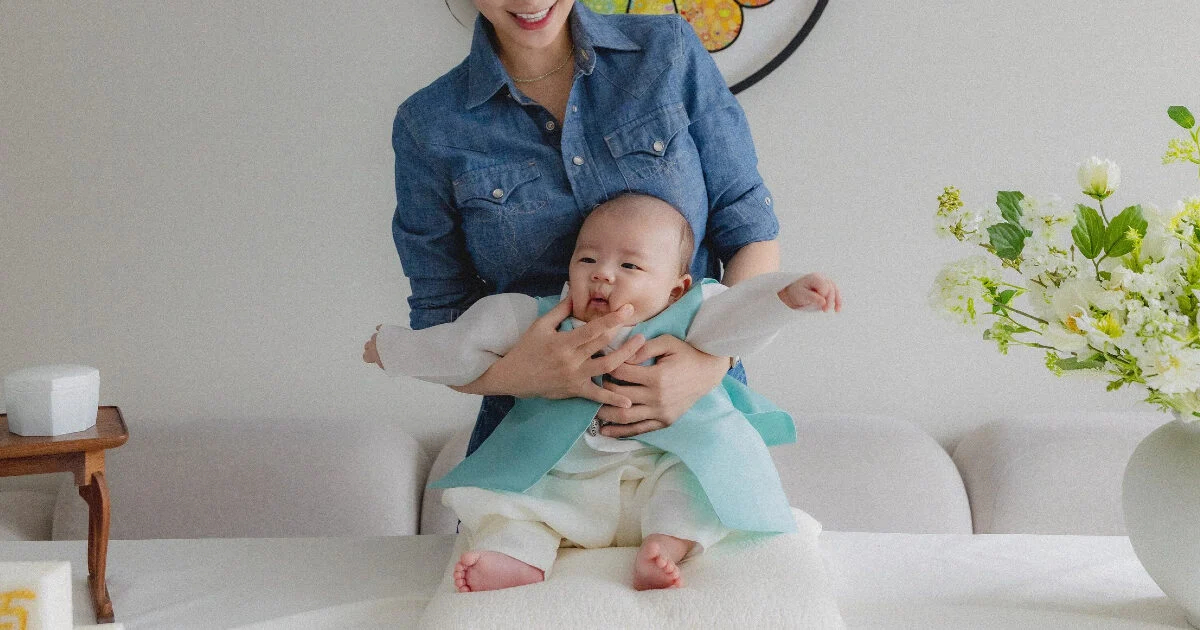
The transition into parenthood is frequently romanticized in popular culture, yet for many, the reality involves a complex interplay of physical recovery, hormonal shifts, and psychological adjustment. Recently, actress Seo Ji Seung, known for her contributions to the Korean entertainment industry, provided a candid look into these challenges during a guest appearance on the YouTube channel managed by model and television personality Han Hye Jin. The October 1st broadcast, titled "Pregnancy and childbirth behind the scenes revealed," served as a platform for Seo and her husband, actor Lee Si Eon, to discuss the realities of their lives following the birth of their son, Sol Min, in May.
A Candid Discussion on Postpartum Realities
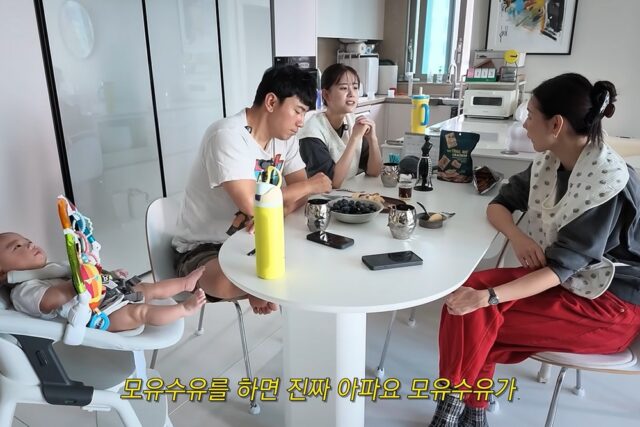
During the interview with Han Hye Jin, Seo Ji Seung addressed a topic often discussed in hushed tones: the physical agony associated with breastfeeding. While childbirth itself is widely recognized as a grueling physical event, Seo identified the subsequent breastfeeding process as the most difficult period of her recovery. She noted that the pain involved in nursing was, in her experience, more intense than the labor process itself.
This admission highlights a significant medical reality often overlooked in public discourse: the physical toll of breastfeeding is not merely an inconvenience but a major source of postpartum pain. Medical professionals note that conditions such as nipple trauma, engorgement, and mastitis are common, often leading to significant distress for new mothers. Seo’s willingness to share this experience serves to normalize the conversation around the physical burdens of motherhood, moving beyond the idealized images often projected in media.
The Role of Hormonal Fluctuations in Postpartum Dynamics
Beyond the physical pain, Seo elaborated on the emotional volatility that characterized her and her husband’s early days as parents. She described experiencing a heightened state of sensitivity, which she attributed to the profound hormonal shifts that occur in the female body following childbirth.
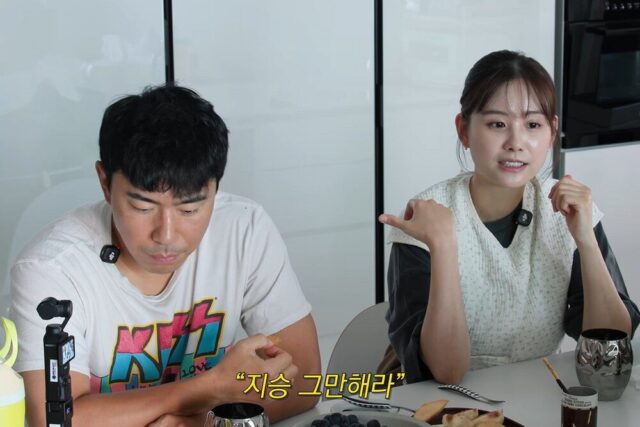
In a specific anecdote from their time at a postpartum care center, Seo recounted a moment of friction with her husband, Lee Si Eon. When Lee, acting out of concern for his wife’s visible pain, suggested that she stop breastfeeding, Seo did not feel supported; rather, she felt a surge of inexplicable anger. This reaction, while seemingly contradictory to Lee’s intent, is a well-documented phenomenon in postpartum psychology. The "baby blues" and more severe postpartum mood disorders are heavily influenced by the rapid decline in estrogen and progesterone levels, which can leave new mothers feeling emotionally raw and hypersensitive to external input, even when that input is well-intentioned.
Timeline of the Relationship and Family Milestone
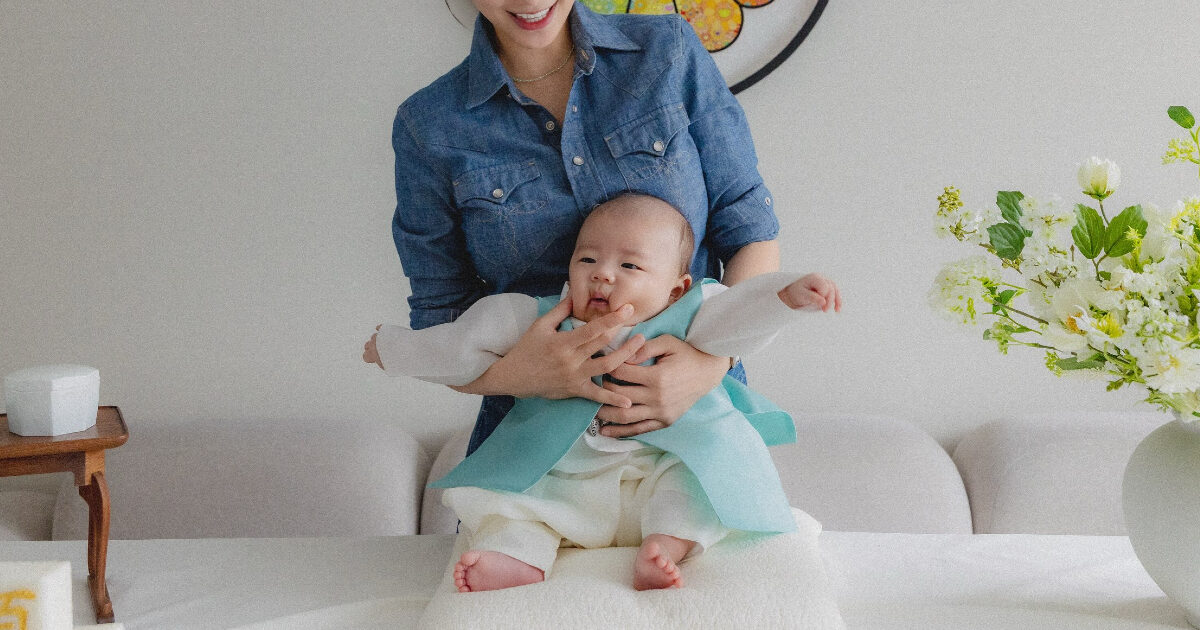
The couple’s journey toward parenthood began several years ago, reflecting a stable progression in their personal lives. Lee Si Eon and Seo Ji Seung made their relationship public in 2018, marking the beginning of a high-profile romance that culminated in their marriage in December 2021. The couple’s transition into parenthood occurred in May, when they welcomed their son, Sol Min.
Lee Si Eon, who rose to prominence through his appearances on variety programs like I Live Alone, expressed deep emotional resonance upon the birth of his child. In previous statements, the actor described the experience of becoming a father as transformative, noting that the sight of his newborn triggered an immediate, instinctual shift in his priorities. He remarked, "When I first saw him, I was truly moved. Is this really my son? Am I really a dad? Now I feel like I have to do whatever it takes for the baby."
The Complexity of Support Systems
The interaction between Lee and Seo provides an instructive look at the communication barriers that can arise during the postpartum period. Seo noted that while she eventually sought words of affirmation—such as being told she was doing a good job—even these attempts at support were sometimes met with irrational frustration due to her hormonal state.
Han Hye Jin, acting as a mediator in the conversation, offered an objective observation, noting that Lee Si Eon’s behavior was motivated by care and concern. This exchange underscores a critical point in contemporary family dynamics: the importance of understanding that "support" is subjective. During the postpartum phase, what one partner intends as a helpful suggestion can be perceived by the other as a dismissal of their struggle or a lack of understanding regarding the sacrifices being made.
Broader Implications for Parental Support
The discourse initiated by Seo Ji Seung reflects a growing trend in South Korean media, where celebrities are increasingly moving away from curated, perfectionist narratives in favor of authentic representation. By detailing her struggles, Seo contributes to a broader societal conversation about the necessity of robust support systems for new parents.
Data from the Korea Institute for Health and Social Affairs suggests that parental mental health is a critical component of early childhood development. When parents, particularly mothers, feel isolated in their struggle with physical pain or emotional distress, it can lead to long-term health consequences. Discussions like the one featured on Han Hye Jin’s channel are vital because they validate the experiences of ordinary parents who may feel similar frustrations but lack a platform to express them.
Professional Perspectives on Postpartum Adjustment
Psychologists emphasize that the postpartum period is a "fourth trimester," a period of transition that requires patience and a significant recalibration of domestic roles. In the case of Lee and Seo, the shift from a couple to a family unit involved navigating these turbulent emotions while simultaneously learning the technical aspects of infant care.
The fact that the couple was able to reflect on these moments with humor and clarity indicates a healthy level of communication. Seo noted that their interactions have improved as time has passed, suggesting that as the physical recovery concludes and hormonal levels stabilize, the emotional tension that defined their early postpartum period has begun to dissipate.
Conclusion
The candid revelation by Seo Ji Seung serves as a reminder that even for high-profile figures, the transition to parenthood is a rigorous and demanding process. By articulating the physical pain of breastfeeding and the psychological strain of hormonal volatility, she has provided a valuable perspective on the realities of child-rearing.
As society continues to place increasing pressure on new parents to "bounce back" or maintain a sense of normalcy, such testimonies act as a necessary counterbalance. They highlight that the challenges of the postpartum period are not a failure of character, but a biological and emotional milestone that requires understanding, patience, and effective communication between partners. For Lee Si Eon and Seo Ji Seung, the journey is one of ongoing adjustment, marked by both the profound joy of welcoming their son, Sol Min, and the honest acknowledgment of the hurdles encountered along the way. Through their openness, they have invited their audience to view parenthood not as a static, perfect achievement, but as a dynamic, sometimes messy, and deeply human experience.