 Kholidah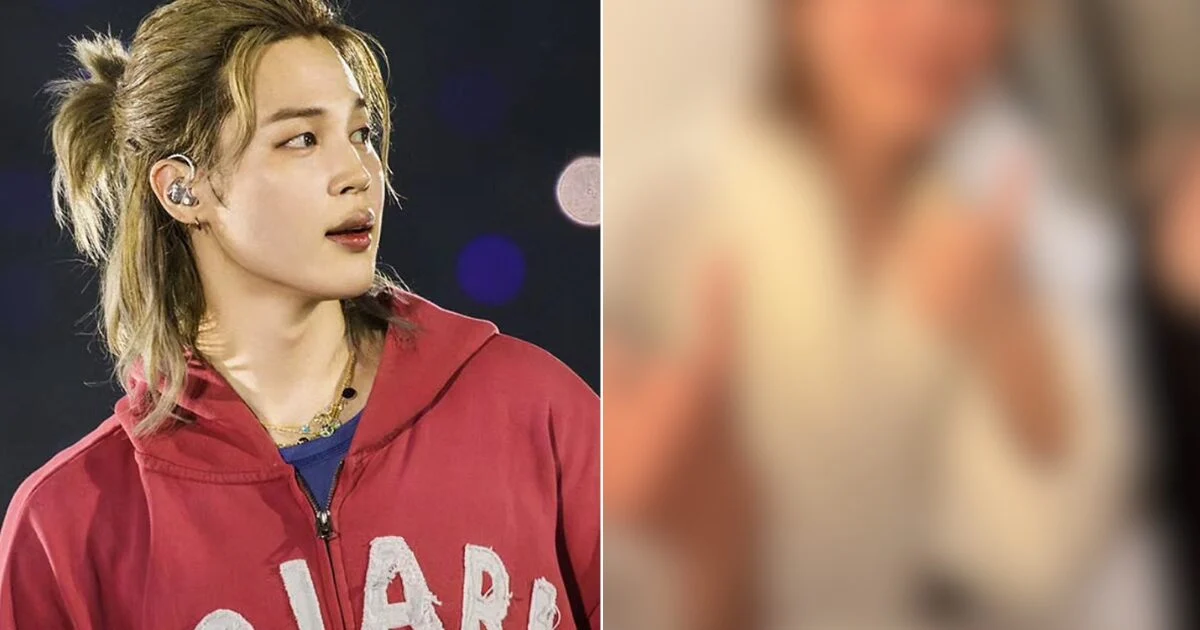
The recent social media activity of BTS members has reignited discussions regarding the scrutiny faced by global pop stars in the digital age. On October 4, 2026, members Jungkook, V, J-Hope, and Jimin shared a series of group photographs via their official X (formerly Twitter) account. While the update was initially met with enthusiasm from the global fanbase—as it marked a rare collective appearance of the members—the photographs were subsequently redistributed by various media aggregators and music news outlets, where they became the subject of intense and frequently vitriolic commentary regarding the physical appearance of the members.
The Chronology of the Social Media Update
The sequence of events began on October 4, 2026, when the official BTS account posted two candid photographs featuring four of the group’s seven members. This update was significant as the group has been largely focused on individual projects and mandatory service commitments, making collaborative appearances infrequent. Within hours, the images garnered millions of impressions and thousands of interactions, underscoring the enduring influence of the group’s online presence.
However, the discourse shifted when accounts such as @AboutMusicYT shared the images to a broader audience. Unlike the moderated and predominantly supportive environment of the group’s own social media replies, these secondary threads attracted a more diverse range of commentary. Users began scrutinizing the members’ facial features, styling, and perceived aging, with Jimin and J-Hope receiving a disproportionate volume of negative remarks. Critics utilized inflammatory language to characterize the members’ appearances, triggering a cascade of secondary comments that scrutinized the idols’ grooming and aesthetic presentation.
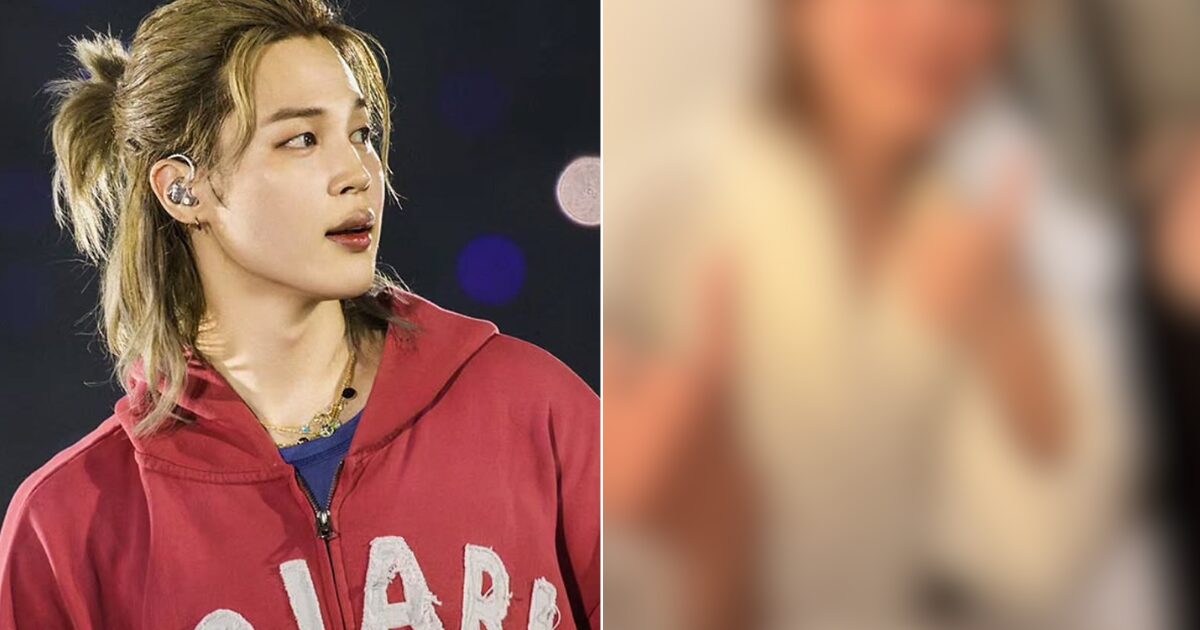
Understanding the Phenomenon of Idol Scrutiny
To understand the nature of this backlash, one must analyze the unique cultural environment of K-pop, where "visuals" are considered a critical component of an artist’s professional identity. In the South Korean entertainment industry, the standard for idol appearance is exceptionally high, often involving rigorous maintenance, styling, and public relations management.
When idols are presented in candid, unrefined, or high-definition formats that deviate from the highly curated visuals of professional music videos or promotional shoots, the contrast can occasionally lead to public discourse. Sociologists who study the Hallyu wave suggest that this "brutal" reaction is often an byproduct of the parasocial relationship between fans and idols. When an idol’s appearance fluctuates or shows signs of natural aging, it can challenge the idealized image that has been constructed over years of marketing, leading to a polarized reaction from the public.
Data and Engagement Trends
The backlash against Jimin and his bandmates serves as a case study for the volatility of modern internet discourse. Quantitative analysis of the engagement surrounding these posts indicates that while the negative comments were numerically significant, they represented a fraction of the total impressions. However, due to the algorithms governing platforms like X, "controversial" or negative replies are often pushed to the top of the comment section to stimulate further interaction.
In this instance, the engagement was driven by a combination of "trolling"—intentional provocation meant to elicit a reaction—and genuine, albeit harsh, aesthetic critiques. The incident highlights the shift from traditional fan-driven content to an era where high-profile figures are subjected to the unfiltered critiques of the general internet populace, regardless of the artistic merit or context of the original post.

The Role of Media Aggregators
The role of secondary accounts, such as music news aggregators, is pivotal in this narrative. By lifting content from the artists’ official channels and placing it into a news-feed format, these accounts invite a wider, non-fan audience to weigh in. This process strips away the supportive context of the fandom, exposing the artists to a public sphere that is often less sympathetic.
Media outlets and aggregators have a responsibility to consider the human impact of the comment sections they curate. The normalization of "visual shaming" in the comments section of major music news outlets poses a challenge for talent agencies, who must balance the need for social media presence with the protection of their artists’ mental well-being.
Implications for the Entertainment Industry
The incident raises broader questions regarding the professional standards of the music industry in 2026. As BTS members transition into different phases of their careers, the expectations placed upon them by the public are also evolving.
- The Evolution of Idol Standards: There is a growing movement within the industry to move away from the hyper-curated, "perfection-at-all-costs" aesthetic. As idols age, both fans and industry professionals are navigating how to balance traditional expectations with the reality of natural human development.
- Mental Health and Online Harassment: The vitriol directed at Jimin and J-Hope highlights the urgent need for robust digital safety policies. While public figures are expected to accept a level of scrutiny, the line between constructive critique and targeted harassment remains blurred.
- Agency Management: Talent agencies are increasingly likely to implement stricter moderation tools or shift toward platforms that offer more control over user engagement. Furthermore, we may see a decrease in the frequency of "candid" posts if the backlash from these events continues to affect the artists’ public brand.
Official Responses and Future Outlook
As of the time of this report, no official statements have been issued by HYBE or Big Hit Music regarding the specific comments made about the members. Historically, these agencies have adopted a policy of silence regarding social media chatter, preferring to let the artists’ work speak for itself. However, the intensity of this specific cycle of criticism suggests that agencies may soon need to adopt more proactive measures to curb the impact of coordinated negativity.
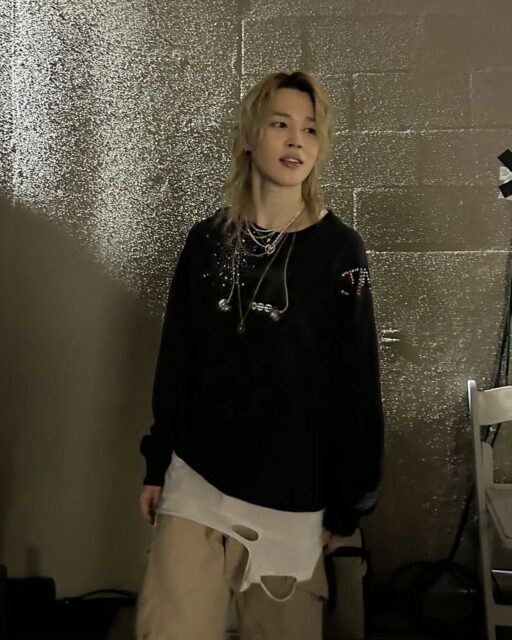
The resilience of the BTS brand, however, remains largely unshaken. Despite the localized "brutal" reactions on specific social media threads, the overwhelming majority of the group’s global audience continues to view the members’ natural progression as a positive sign of their growth. The incident is less a reflection of the members’ actual appearance and more a reflection of the current state of social media discourse, which often prioritizes sensationalism over nuance.
Conclusion
The events of October 4, 2026, serve as a stark reminder of the challenges inherent in being a global celebrity. When artists like Jimin share glimpses of their lives, they are often subjected to a level of scrutiny that ignores their humanity. While the internet provides a space for global connection, it also provides a forum for unchecked hostility. Moving forward, the industry, the fans, and the platforms themselves will need to find a way to maintain the connectivity that makes social media valuable while mitigating the harmful effects of digital toxicity. For BTS, the event is likely a passing storm in a career defined by resilience and artistic evolution, yet it remains a significant touchpoint for the ongoing conversation regarding the ethics of celebrity culture.