Nayara Elvina
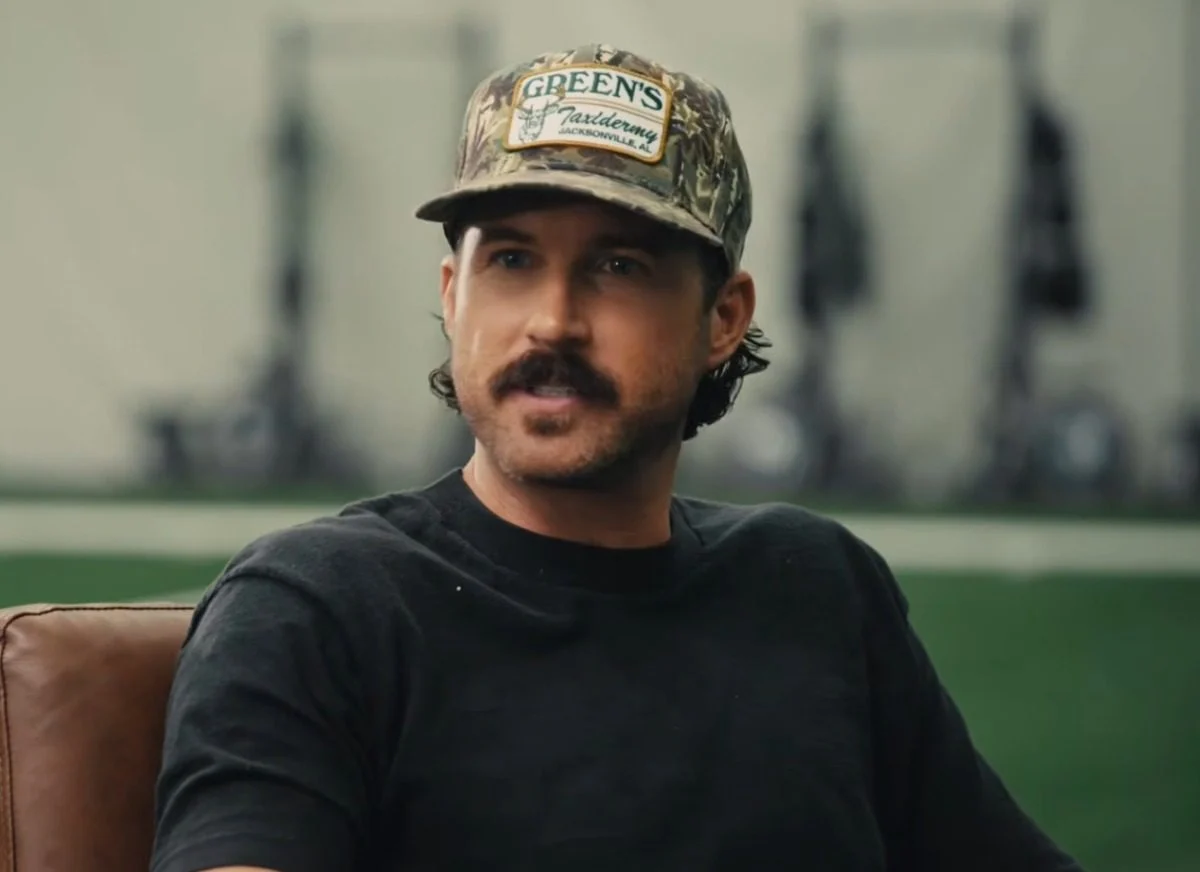
The narrative of the struggling artist is a cornerstone of Nashville lore, yet few stories capture the grit and moral complexity of the "climb" as vividly as that of Eric Church. Before he was a multi-platinum recording artist and a member of the Country Music Hall of Fame’s elite circle, Church was an aspiring songwriter navigating the grueling economic realities of Middle Tennessee. His early career was defined not by sold-out arenas, but by the fluorescent lights of a television studio during the graveyard shift. Working for the Shop at Home Network, Church’s tenure as a late-night salesman of cutlery became a definitive, if unconventional, chapter in his development as an artist who would eventually be known for his uncompromising authenticity.
The Nashville Grind: A Socio-Economic Context
The transition from a collegiate environment to the competitive landscape of the music industry is often characterized by a period of financial instability. Upon graduating from Appalachian State University in Boone, North Carolina, Church moved to Nashville with the singular goal of securing a publishing deal and a recording contract. However, Nashville has long been colloquially referred to as a "ten-year town," a nod to the average duration it takes for a newcomer to achieve significant professional recognition.
During the early 2000s, the cost of living in Nashville, while lower than today’s standards, still required a steady income that the sporadic royalties of an unsigned songwriter could not provide. This economic necessity led Church to the Shop at Home Network, a television shopping channel then based in the Nashville area. The network specialized in a variety of consumer goods, ranging from collectibles to household items, broadcast to a national audience 24 hours a day. For Church, the only available slot that allowed him to pursue songwriting during business hours was the midnight-to-8:00 AM shift.
The Midnight Salesman: Ethics in the Graveyard Shift
Church’s role at the network involved selling bulk quantities of knives—a staple of late-night infomercials during that era. The inventory often consisted of large sets, such as 200 knives for $19.95, a price point that raised questions regarding both the quality of the product and the necessity of the purchase.
According to Church, the psychological profile of the late-night consumer played a significant role in his daily operations. The "graveyard shift" audience typically consisted of individuals suffering from insomnia, shift workers, or, frequently, individuals under the influence of alcohol. Church observed a recurring pattern: callers would phone in at 3:00 or 4:00 AM, driven by impulse rather than need.
In a professional environment where sales volume was the primary metric of success, Church found himself at odds with the corporate mission. Rather than employing high-pressure sales tactics to close deals with vulnerable callers, he adopted a policy of radical honesty. Church has noted in retrospective interviews that he frequently discouraged customers from completing their purchases. His reasoning was rooted in a sense of shared experience; he recognized the behavior of the callers as something he had witnessed or experienced himself. He would often advise callers to sleep on the decision and call back in the morning if they still felt the need for 200 knives.
The Inevitable Termination and the Path to "Chief"
This philanthropic approach to sales was, unsurprisingly, viewed unfavorably by the management of the Shop at Home Network. The objective of the network was to move inventory, not to provide consumer counseling. Church’s refusal to capitalize on the impaired judgment of late-night viewers resulted in his termination. Management reportedly labeled him "the worst salesman in history," a title Church has since worn with a degree of pride, viewing it as a testament to his integrity.
The termination, however, served as a catalyst. The grueling schedule—working all night, showering, and then attending songwriting appointments all day—was unsustainable. By being "canned" from the knife-selling business, Church was forced to lean more heavily into his craft. This period of struggle coincided with his development of a unique sound that blended traditional country with rock and roll influences, eventually catching the attention of producer Jay Joyce and Capitol Records Nashville.
Chronology of a Career Ascent
To understand the magnitude of Church’s transition from the Shop at Home Network to the pinnacle of the music industry, one must look at the timeline of his professional milestones:
- 2001–2005: The Formative Years. Church arrives in Nashville and balances menial labor with songwriting. He eventually signs a publishing deal with Sony/ATV.
- 2006: The Debut. Church releases Sinners Like Me. The album is a critical success, establishing him as a "new traditionalist" with an edge.
- 2009: Growth and Contention. The release of Carolina brings more commercial success, though Church’s reputation as an "outlaw" grows after he is kicked off a high-profile tour with Rascal Flatts for playing too long and too loudly.
- 2011: The Breakthrough. The album Chief debuts at number one on the Billboard 200. It produces hits like "Springsteen" and "Drink in My Hand," propelling Church to superstar status.
- 2014–Present: Legacy Building. With albums like The Outsiders, Mr. Misunderstood, and the ambitious Heart & Soul triple-album project, Church solidified his place as a visionary in the genre.
Analysis of the "Outlaw" Persona and Early Employment
The story of the knife-selling job is more than a humorous anecdote; it serves as an early indicator of the brand Church would eventually build. In the country music industry, "authenticity" is the most valuable currency. Church’s refusal to follow the corporate script at the Shop at Home Network mirrors his later refusals to follow the "Nashville Machine’s" radio-friendly scripts.
His career has been defined by a series of unconventional choices:
- The Rascal Flatts Incident: Choosing his artistic vision over the requirements of a supporting act.
- The "Album" Focus: Prioritizing cohesive, thematic albums over chasing individual radio singles.
- Fan Loyalty: Taking aggressive stances against ticket scalpers to protect his "Church Choir" fan base.
The integrity he showed at 3:00 AM in a television studio—protecting a stranger from a poor financial decision—is the same integrity that led him to release an album (Mr. Misunderstood) as a surprise to fans without a traditional marketing rollout.
Supporting Data: The Economic Reality of the Aspiring Artist
Church’s experience is backed by broader data regarding the Nashville creative economy. According to studies by the Nashville Area Chamber of Commerce, the music industry contributes approximately $15 billion annually to the local economy. However, the vast majority of that wealth is concentrated at the top. For the thousands of songwriters who move to the city annually, the "poverty line" is a common reality.
The Bureau of Labor Statistics indicates that "Musicians and Singers" often hold multiple jobs to sustain their careers. In the early 2000s, telemarketing and late-night service jobs were the primary sources of income for this demographic. Church’s experience at the Shop at Home Network highlights a specific niche of the Nashville service economy that utilized the city’s broadcast infrastructure while providing flexible (if exhausting) hours for artists.
Broader Implications for the Music Industry
Eric Church’s trajectory offers a case study in the importance of the "working-class hero" narrative in country music. Unlike contemporary "TikTok stars" who may achieve viral fame without the seasoning of the club circuit or the struggle of the graveyard shift, Church’s five-year "grind" before his first album gave him a perspective that resonates with his audience.
The "Knives of New Orleans," a track from his 2015 album Mr. Misunderstood, serves as a poetic, full-circle nod to his past. While the song is a narrative about a man on the run, the recurring motif of the knife connects back to those early morning hours in the Shop at Home studio.
In conclusion, the fact that Eric Church was fired for being a "bad salesman" is perhaps the greatest irony of his career. By failing to sell products he didn’t believe in to people who didn’t need them, he proved he possessed the exact qualities required to sell his music to millions: a sense of truth, a respect for his audience, and a refusal to compromise for a quick buck. Today, as he sells out the very arenas he once dreamed of while working the midnight shift, Church remains a reminder that in the music business, sometimes the best way to get ahead is to refuse to play the game.