Nayara Elvina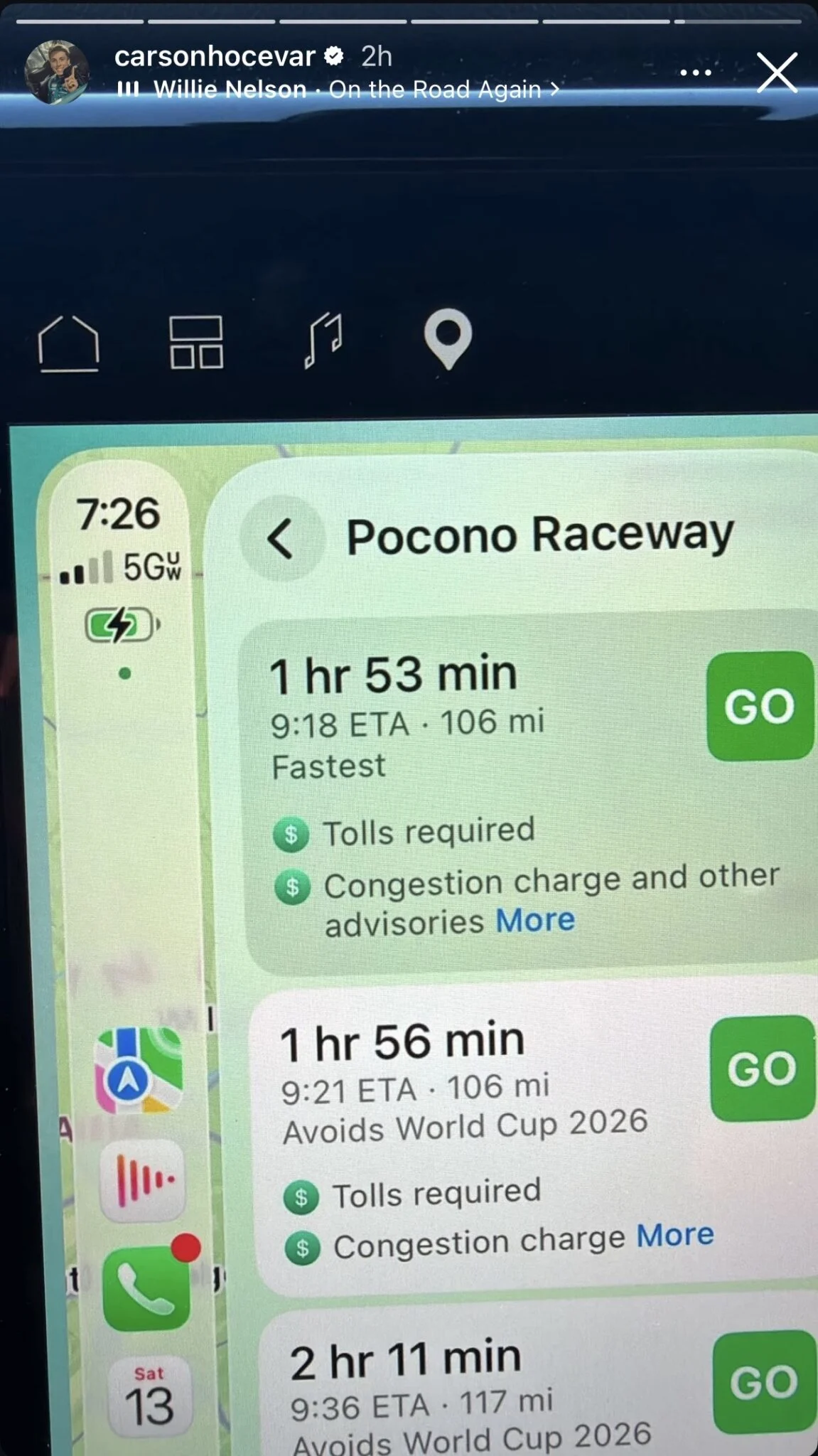
In an era where the intersection of professional sports and social media often produces moments of high-octane viral content, NASCAR Cup Series driver Carson Hocevar found himself at the center of a digital firestorm this weekend. The driver of the #77 Spire Motorsports Chevrolet reportedly embarked on a cross-state journey that has left fans, media personnel, and sports analysts questioning the line between a genuine logistical oversight and a masterfully executed social media prank. According to a series of updates posted to his personal Instagram account, Hocevar allegedly drove over 100 miles from the Pocono Mountains to New York City to attend Game 5 of the NBA Finals, only to discover upon arrival that the game was being held over 1,500 miles away in San Antonio, Texas.
The incident occurred during the high-stakes weekend of the NASCAR Cup Series event at Pocono Raceway. While the racing world focused on the "Tricky Triangle" and the implications of qualifying results, Hocevar’s digital narrative shifted the spotlight toward Madison Square Garden (MSG). The narrative, as presented through Hocevar’s social media, suggested a lapse in geographical awareness that, if true, would rank among the most notable travel blunders in professional sports history. However, given Hocevar’s established reputation as a digital native with a penchant for humor, the incident has sparked a broader conversation regarding athlete branding and the nature of modern fan engagement.
The Chronology of the Alleged Journey
The sequence of events began shortly after the conclusion of Cup Series qualifying at Pocono Raceway in Long Pond, Pennsylvania. Hocevar, who secured the 26th starting position for the following day’s race, appeared to transition immediately from professional obligations to personal leisure. According to his social media timeline, the driver departed the racetrack and headed east toward New York City, a journey that typically spans approximately two hours via Interstate 80.
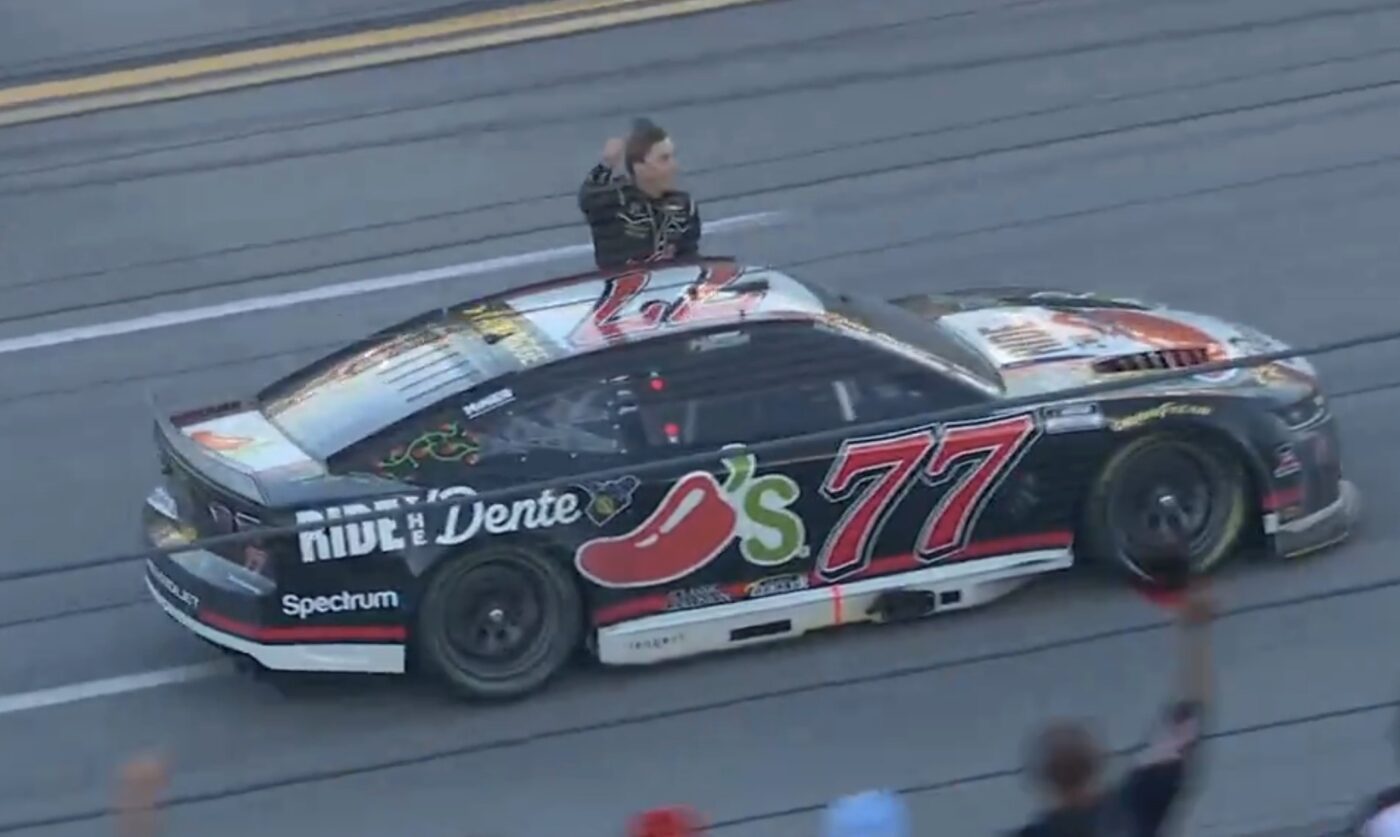
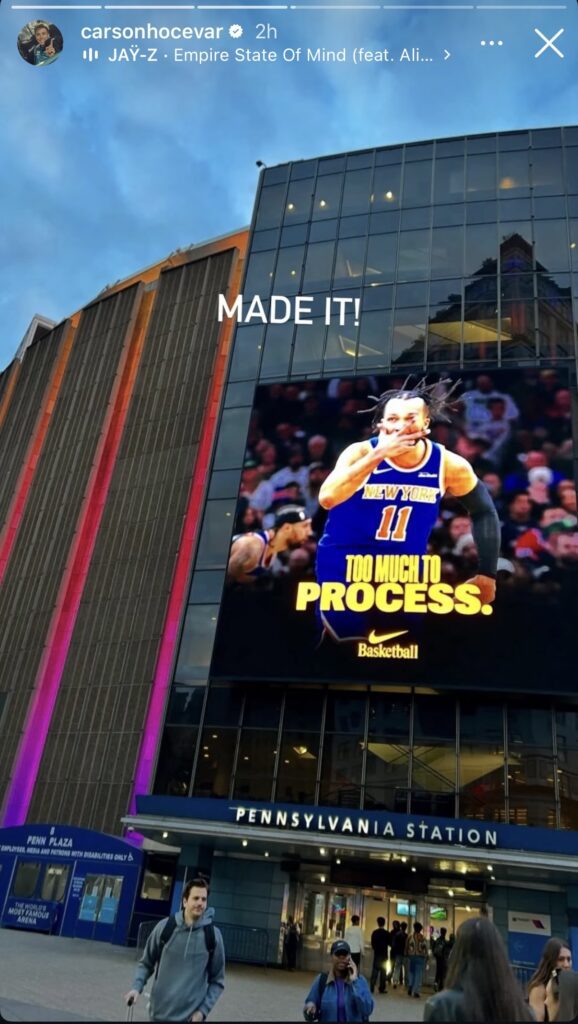
Hocevar’s Instagram story documented the progress of the trip, showcasing his arrival in Manhattan. The visual evidence culminated in a post featuring the iconic exterior of Madison Square Garden, the historic "Mecca" of basketball. The timing of the trip aligned with the scheduled tip-off for Game 5 of the NBA Finals, a pivotal matchup between the San Antonio Spurs and the New York Knicks. With the Knicks pursuing their first championship title since 1973, the atmosphere in New York was expected to be electric, drawing a litany of A-list celebrities including Timothée Chalamet, Sydney Sweeney, Ben Stiller, and former NBA great Patrick Ewing.
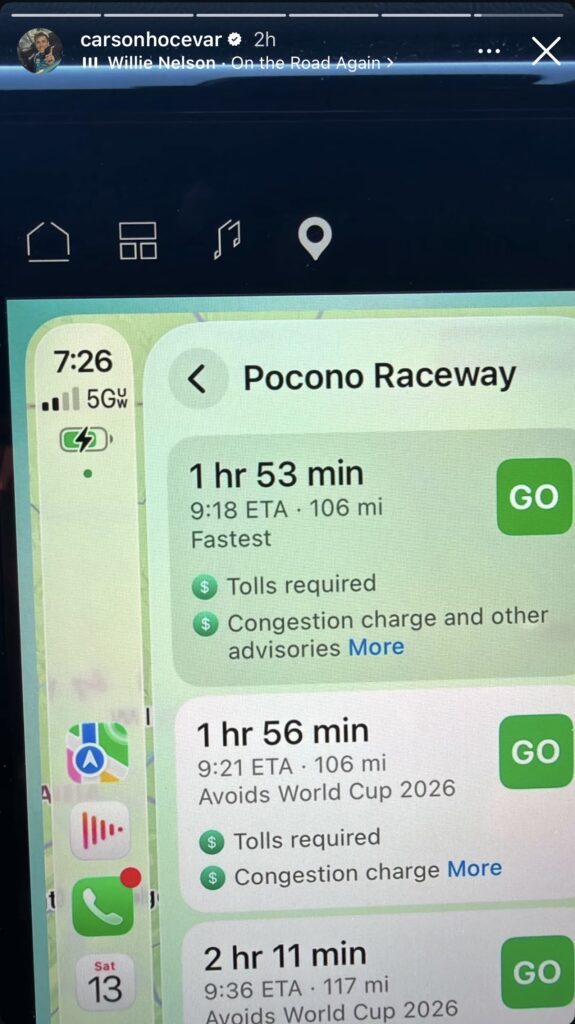
The narrative took a dramatic turn when Hocevar posted a screenshot of a navigation app indicating a return trip to Pocono. The implication was clear: the driver had realized that Game 5 was not being played in New York, but rather at the Frost Bank Center in San Antonio. To further support the claim of a genuine mistake, Hocevar shared a screenshot appearing to show three digital tickets for the game, which he was ostensibly forced to liquidate at the last minute.
Logistical Discrepancies and the "Troll" Theory
While the story provided a source of amusement for thousands of followers, a closer examination of the facts suggests a high probability of a sophisticated "troll" or prank. The primary discrepancy lies in the fundamental structure of the NBA Finals. In the current 2-2-1-1-1 format, the team with the better regular-season record hosts Games 1, 2, 5, and 7. For the New York Knicks to be hosting Game 5 at Madison Square Garden, they would have needed to hold home-court advantage. Conversely, if the game were in San Antonio, the Spurs would be the higher seed.
Furthermore, Madison Square Garden was not vacant on the night in question. The venue was hosting a scheduled performance by the Australian pop-rock band 5 Seconds of Summer. The presence of tour buses, concert-goers, and event signage would have been immediately apparent to anyone approaching the arena, making it highly unlikely that a professional athlete would remain unaware of the venue’s status until reaching the doors.
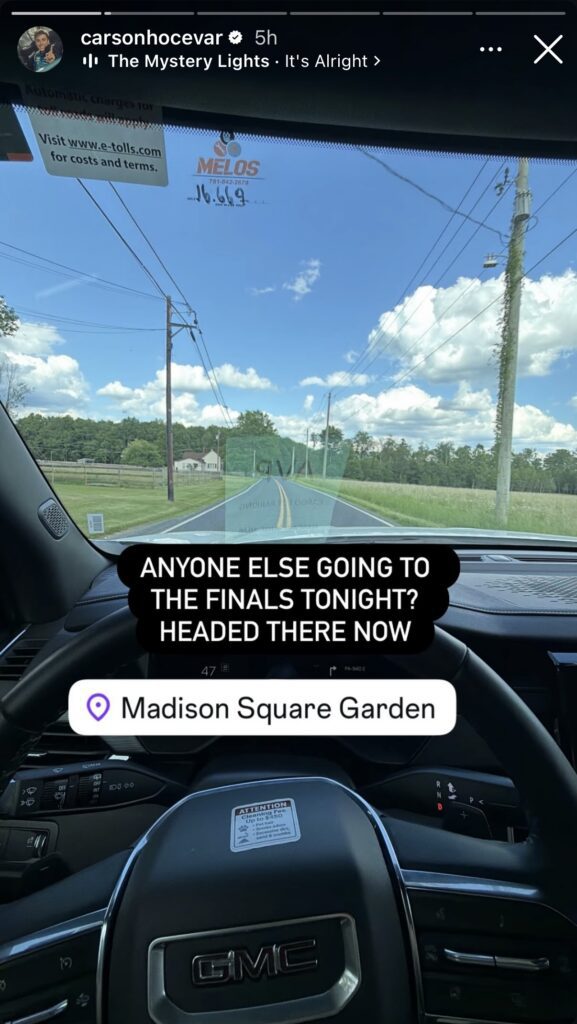
Hocevar’s history in the NASCAR garage further supports the theory of a calculated joke. The young driver is widely recognized for his wit and his ability to navigate social media trends to build his personal brand. By leaning into a "clueless" persona, Hocevar successfully generated significant engagement, drawing reactions from prominent NASCAR media figures and fans alike. In the modern sports landscape, these "micro-moments" of personality are often more valuable for sponsorship and fan loyalty than traditional media appearances.
Supporting Data: The Impact of Social Media in NASCAR
The Hocevar incident highlights a shifting trend in how NASCAR drivers interact with their audience. Traditionally, drivers were seen as stoic figures focused solely on mechanical performance and sponsorship obligations. However, the current generation of drivers, led by individuals like Hocevar, Denny Hamlin, and others, utilize platforms like X (formerly Twitter), Instagram, and podcasts to bypass traditional media filters.
Data from social media analytics platforms suggests that "lifestyle" content—posts that show athletes in non-sporting environments or engaging in humor—often sees 3x the engagement of standard race-day updates. By creating a narrative of a "failed" road trip, Hocevar tapped into a relatable human element: the "epic fail." Whether the drive actually occurred or was simulated through clever timing and pre-recorded footage, the result was a net positive for his digital footprint.
Reaction from the NASCAR Community and Media
The reaction within the NASCAR community was a mixture of skepticism and laughter. Several members of the traveling media corps, who are well-acquainted with the grueling schedule of a race weekend, initially reported on the story as a humorous "tough break" for the rookie driver. However, as the logistical impossibilities of the story became more apparent, the narrative shifted toward applauding Hocevar for his creativity.
Spire Motorsports, Hocevar’s team, has not issued an official statement regarding the driver’s Saturday night whereabouts, treating the matter as a personal excursion. Within the garage, the incident was largely viewed as a harmless distraction during a weekend otherwise characterized by weather concerns and technical adjustments. Hocevar’s performance on the track remained the priority; despite the alleged late-night return from New York, he remained focused on the upcoming race at Pocono, which was moved up by two hours to a 1:00 PM ET start time due to forecasted rain.
Analysis of Professional Implications
From a professional standpoint, the Hocevar "MSG incident" serves as a case study in the risks and rewards of athlete-driven content. On one hand, the story humanizes a driver who is often seen only through a helmet and fire suit. It portrays him as a sports fan who, like many others, is caught up in the excitement of a major championship series. On the other hand, if the incident were taken literally, it could raise questions about a driver’s focus and preparation during a race weekend.
In the Cup Series, physical and mental fatigue are critical factors. A four-hour round-trip drive to New York City the night before a 400-mile race at one of the circuit’s most demanding tracks could be viewed by team owners or sponsors as an unnecessary risk. However, the prevailing sentiment is that Hocevar never left the vicinity of the track, or if he did, it was a brief and calculated trip intended specifically to create the content in question.
Conclusion and Broader Impact
As the NASCAR Cup Series moves forward from Pocono, the "Carson Hocevar Road Trip" will likely be remembered as one of the more creative social media moments of the season. It underscores the importance of the "second screen" experience in modern sports, where the narrative happening on a driver’s Instagram story can be just as compelling to some fans as the qualifying speeds on the leaderboard.
Whether Hocevar truly sat in New York traffic dreaming of a Knicks championship or was simply lounging in his motorhome in Pennsylvania while posting "troll" content, the outcome remains the same: he captured the attention of the sports world. In an industry where "eyes on the car" is the ultimate goal for sponsors, Hocevar proved that sometimes, the best way to get people looking at the #77 is to pretend you’re nowhere near it.
As the NBA Finals continue in their actual location of San Antonio, and the NASCAR season marches toward the playoffs, the incident serves as a reminder of the power of storytelling. In the digital age, a well-timed post can be as impactful as a well-timed pass on the track, and Carson Hocevar has proven himself to be a formidable competitor in both arenas. The "Tricky Triangle" of Pocono met its match in the tricky narrative of a driver who knows exactly how to keep the public guessing.