Nayara Elvina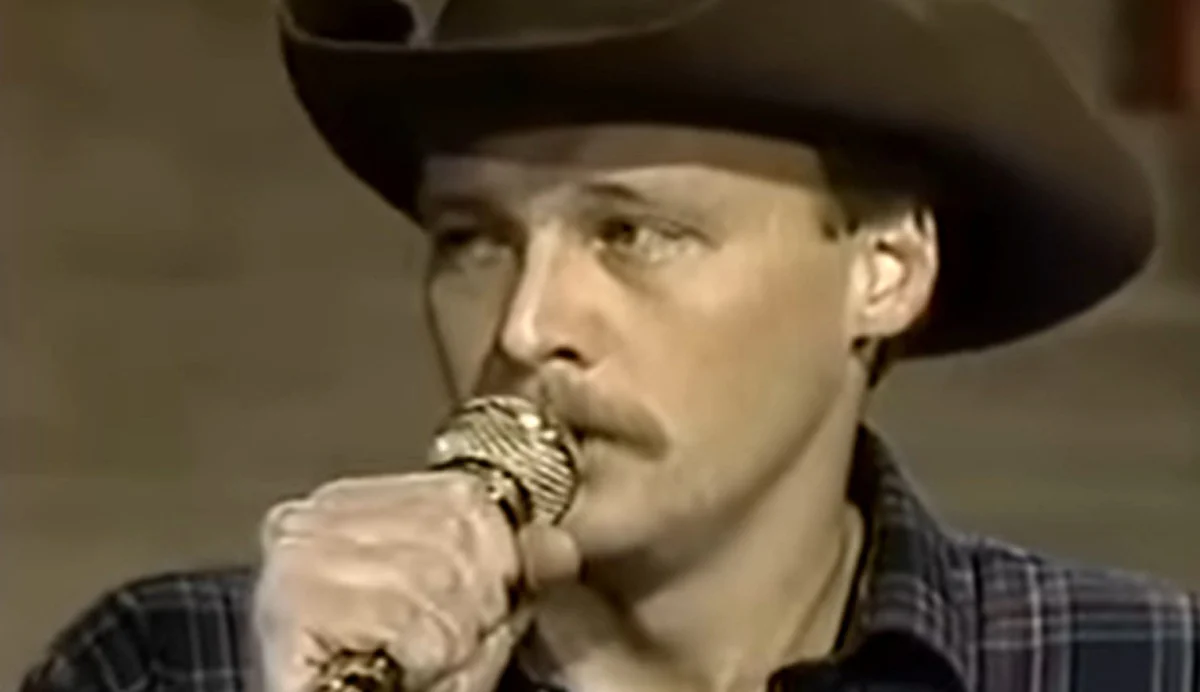
The landscape of American country music undergoes a seismic shift tonight as Alan Jackson, one of the genre’s most enduring and decorated traditionalists, takes the stage for the final performance of his storied career. Titled "Last Call: One More For the Road – The Finale," the concert at Nashville’s Nissan Stadium serves as the definitive conclusion to a multi-year farewell odyssey that has captivated fans across generations. The event is not merely a concert but a cultural milestone, marking the retirement from the touring circuit of a man who has served as the vanguard of neo-traditional country music for over three decades.
Nashville has remained in a state of heightened anticipation throughout the week, with industry insiders and fans alike converging on the city for what is being described as the most significant musical send-off in the history of the "Music City" stadium. The demand for the event was evidenced by its immediate sell-out upon the commencement of ticket sales, leading to a secondary market surge that underscored Jackson’s unshakable status in the pantheon of American music legends.
A Confluence of Country Royalty
The magnitude of the evening is further amplified by a performance roster that reads like a comprehensive directory of modern and classic country excellence. Joining Jackson on stage is an elite assembly of peers and protégés, including George Strait, Eric Church, Luke Bryan, Luke Combs, and Miranda Lambert. The lineup also features Riley Green, Cody Johnson, Little Big Town, Jake Owen, Jon Pardi, Thomas Rhett, Carrie Underwood, Lainey Wilson, and Lee Ann Womack.
Industry analysts suggest that the presence of such a diverse array of talent—ranging from the "King of Country" George Strait to contemporary "Entertainer of the Year" winners like Lainey Wilson—highlights Jackson’s broad influence. His ability to bridge the gap between the rigid traditionalism of the 1980s and the genre-blending trends of the 2020s remains a cornerstone of his legacy. While the announced list is extensive, rumors of unannounced surprise guests have persisted, adding an element of unpredictability to the historic proceedings.
To accommodate the tens of thousands of fans unable to secure admission into the stadium, the event organizers have partnered with Edward Jones to present "Keepin’ It Country on Broadway." This initiative involves the installation of a massive stage and high-definition screens in the heart of downtown Nashville, allowing the entire concert to be livestreamed to the public for free. This logistical feat ensures that the "Last Call" resonates throughout the entire city, effectively turning the Lower Broadway district into an extension of Nissan Stadium.
The Trajectory of a Traditionalist: 1985–2025
Alan Jackson’s path to the summit of the music industry is a quintessential narrative of persistence and serendipity. Long before he was a member of the Country Music Hall of Fame, Jackson was an employee in the mailroom of the Nashville Network (TNN). His first brush with national exposure occurred in 1985 on the TNN program You Can Be A Star. Unlike many of his contemporaries who competed as contestants on such talent shows—often with mixed results, as seen in the early careers of stars like Miranda Lambert and Morgan Wallen—Jackson’s appearance was more incidental.
During a commercial break transition, Jackson performed a brief rendition of George Jones’ seminal hit, "He Stopped Loving Her Today." This moment caught the attention of influential figures, including legendary artist Glen Campbell and producer Keith Stegall. Campbell subsequently hired Jackson as a songwriter for his publishing company, while Stegall would go on to produce nearly every album in Jackson’s discography. This 1985 appearance served as the catalyst for Jackson becoming the first artist signed to the newly formed Arista Nashville records in 1989.
The subsequent decade saw Jackson dominate the airwaves. His debut album, Here in the Real World (1990), yielded four Top 5 hits, establishing his signature sound: a blend of honky-tonk sensibilities, relatable storytelling, and a smooth baritone delivery. Throughout the 1990s and early 2000s, Jackson amassed 35 number-one hits and sold more than 60 million records worldwide. His 1993 hit "Chattahoochee" became a cultural phenomenon, while his 2001 composition "Where Were You (When the World Stopped Turning)," written in the aftermath of the September 11 terrorist attacks, earned him a Grammy Award and cemented his role as a national poet of the common man.
The Full Circle: A Tribute to George Jones
A pivotal theme in Jackson’s career has been his unwavering reverence for his predecessors, most notably George Jones. The connection between the two men came full circle in 2013 following Jones’ passing. Jackson was selected to perform the final musical tribute at Jones’ funeral, held at the Grand Ole Opry House.
He chose "He Stopped Loving Her Today"—the same song he had performed as an unknown mailroom clerk 28 years earlier. The performance is widely regarded as one of the most poignant moments in televised country music history. As Jackson reached the song’s emotional crescendo, he famously removed his Stetson hat in a gesture of ultimate respect, struggling to maintain his composure as he uttered, "We love you, George." This moment underscored Jackson’s position as the primary torchbearer for the traditional style Jones had perfected.
Health Challenges and the Decision to Retire
The decision to conclude his touring career is rooted in Jackson’s ongoing battle with Charcot-Marie-Tooth (CMT) disease, a chronic neurological condition he publicly disclosed in 2021. CMT affects the peripheral nerves, leading to balance issues and muscle weakness, particularly in the legs and feet. Despite the physical toll of the condition, Jackson has continued to perform, albeit at a reduced frequency, throughout his "Last Call" tour.
Medical experts note that CMT is a progressive condition, making the physical demands of a three-hour stadium performance increasingly strenuous. Jackson’s determination to deliver a final, large-scale performance in Nashville is seen by many as a testament to his commitment to his fanbase. By choosing to exit at the height of a stadium-level production, Jackson ensures that his final live impression is one of strength and musical integrity.
Statistical Legacy and Genre Impact
Jackson’s retirement leaves a significant void in the industry. His career statistics provide a glimpse into his impact:
- 35 Number One Singles: Surpassing many of his Hall of Fame peers.
- 16 CMA Awards: Including three wins for Entertainer of the Year (1995, 2002, 2003).
- 17 ACM Awards: Including the prestigious Cliffie Stone Pioneer Award.
- Grand Ole Opry Membership: Inducted in 1991, Jackson has remained one of the institution’s most loyal members.
- Songwriters Hall of Fame: Inducted in 2018, recognizing that Jackson wrote or co-wrote the vast majority of his greatest hits—a rarity for a superstar of his stature.
Beyond the numbers, Jackson’s legacy is defined by his refusal to chase trends. During the "Hot New Country" era of the 90s and the "Bro-Country" era of the 2010s, Jackson remained steadfast in his use of steel guitar and fiddle. His "Keepin’ it Country" mantra became a rallying cry for fans who felt alienated by the genre’s drift toward pop and rock influences.
The Implications of the "Last Call"
As the final notes echo through Nissan Stadium tonight, the music industry will begin to assess the future of traditional country music without its most prominent advocate on the road. Analysts suggest that the mantle is now being passed to younger artists like Cody Johnson and Jon Pardi, both of whom have cited Jackson as their primary influence and are participating in tonight’s finale.
The "Last Call" concert is more than a conclusion; it is a celebration of a career that remained remarkably consistent for four decades. Jackson’s ability to articulate the nuances of rural and working-class life—from the joy of a Friday night to the grief of a national tragedy—has earned him a permanent place on the metaphorical "Mount Rushmore" of country music.
While Jackson may be stepping away from the rigors of the road, his representatives have hinted that he may continue to record new music in the studio as his health permits. However, for the live music industry, tonight marks the end of an era. The "kid from Newnan, Georgia," who once sat in a TNN audience hoping for a break, exits the stage tonight as a titan of American culture, having successfully kept it country until the very last note.