 Muhammad Ibadurrohman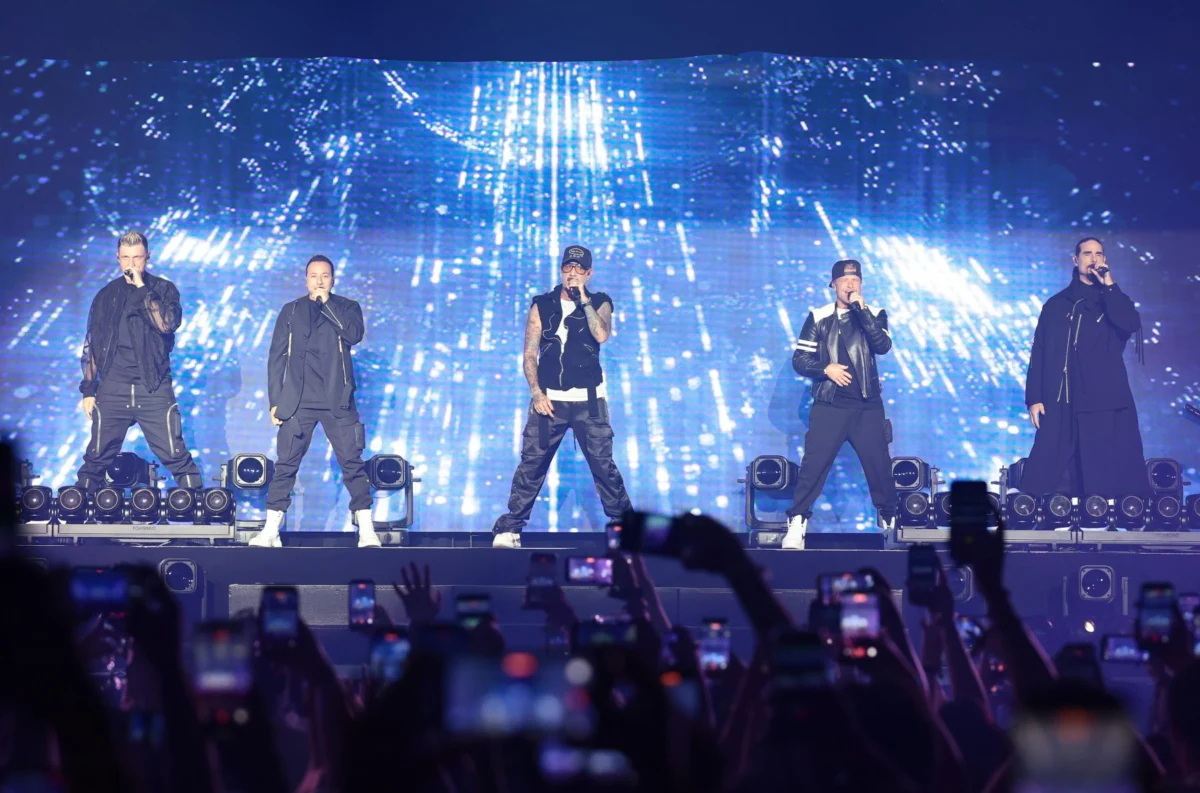
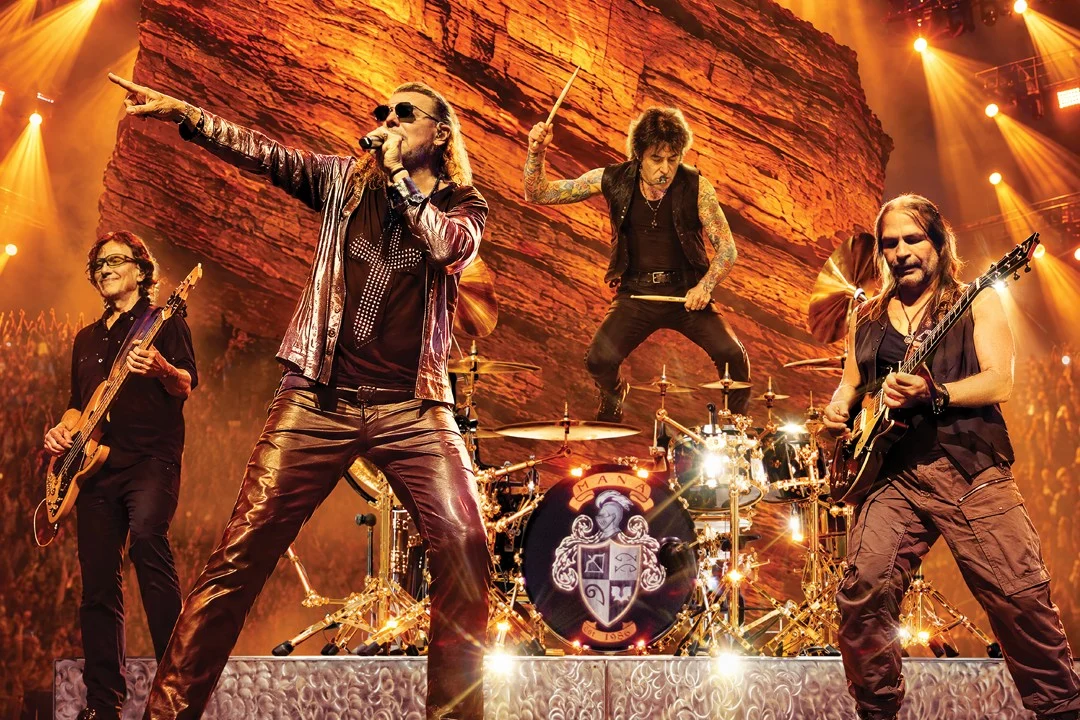
The iconic ’90s boy band, Backstreet Boys, has officially entered the escalating battle against artificial intelligence-powered voice cloning, filing a federal trademark application for the distinctive sound of their collective voices. This strategic move, confirmed by a filing on Wednesday, June 24, at the U.S. Patent and Trademark Office (USPTO), sees the quintet – Nick Carter, Howie Dorough, AJ McLean, Brian Littrell, and Kevin Richardson – seeking protection for an audio clip of them uttering the phrase, "Hi, we’re the Backstreet Boys." This action places them firmly alongside other music titans like Taylor Swift and Lionel Richie, all of whom are navigating the uncharted legal waters presented by rapidly advancing generative AI technologies.
The decision by the Backstreet Boys underscores a growing consensus within the entertainment industry: existing legal frameworks are largely ill-equipped to safeguard artists’ identities against the sophisticated capabilities of AI. As voice cloning technology becomes more accessible and convincing, the potential for unauthorized use, impersonation, and the creation of deepfakes poses a significant threat to artists’ intellectual property, brand integrity, and even personal reputations.
The Proliferation of AI Voice Cloning and its Impact on Artists
The rapid evolution of artificial intelligence, particularly in the domain of generative models, has made voice cloning a disturbingly straightforward process. Sophisticated algorithms can now analyze mere seconds of an individual’s speech and replicate their unique vocal characteristics, inflections, and cadences with astonishing accuracy. This synthesized voice can then be used to generate new phrases, sentences, or even entire songs that sound indistinguishable from the original artist.
For musicians, the implications are profound and multifaceted. The most immediate concern is the unauthorized creation of new "songs" using an artist’s cloned voice, potentially diluting their artistic brand, confusing fans, and diverting revenue. Beyond musical creations, deepfakes can be employed for a range of malicious activities, including:
- Impersonation for scams: Using a cloned voice to trick individuals into divulging personal information or transferring funds.
- False endorsements: Generating audio clips where an artist appears to endorse products, services, or political candidates they do not support.
- Reputational damage: Creating misleading or offensive content that appears to originate from the artist, tarnishing their public image.
- Loss of control: Artists losing agency over their own vocal identity, a fundamental component of their artistry and livelihood.
The rise of these capabilities has ignited a frantic search for effective legal recourse. Artists and their legal teams are exploring every available option, and trademarking specific vocal phrases has emerged as one of the more innovative, albeit experimental, strategies.
A Timeline of Trademark Filings in Response to AI Threats
The Backstreet Boys’ filing is not an isolated incident but rather the latest in a series of high-profile attempts by musicians to secure their vocal identities. The chronology highlights the escalating urgency felt across the industry:
- April 2026: Global pop superstar Taylor Swift initiated the trend by filing an application with the USPTO to trademark the sound of her voice saying, "Hey, it’s Taylor." Swift, known for her meticulous approach to intellectual property protection, was among the first to directly address the AI voice cloning threat through trademark law.
- Early June 2026: Legendary singer-songwriter Lionel Richie followed suit, seeking to trademark his voice, specifically including his iconic lyric, "Hello, is it me you’re looking for?" This move further solidified the notion that trademarking a vocal signature could become a viable, albeit unconventional, defense mechanism.
- June 24, 2026: The Backstreet Boys submitted their application for the phrase, "Hi, we’re the Backstreet Boys." This collective effort from a boy band adds a new dimension, raising questions about how group vocalizations might be treated under trademark law.
These filings, obtained and reviewed by Billboard, were first brought to public attention by trademark attorney Josh Gerben, who is not directly involved in these specific cases but tracks significant developments in intellectual property law. The common thread among these applications is the artists’ proactive stance against AI misuse, indicating a broad industry concern that transcends musical genres and eras.

The Current Legal Landscape: Gaps and Limitations
The urgency behind these trademark filings stems from the acknowledged deficiencies in existing legal protections against AI voice cloning. Traditionally, artists have relied on a patchwork of laws, each with significant limitations when confronted with generative AI:
- Right of Publicity Laws: These state-level statutes protect an individual’s right to control the commercial use of their name, likeness, and in some jurisdictions, voice. While useful, these laws vary significantly from state to state, creating inconsistencies and enforcement challenges. Crucially, they often require proof of commercial appropriation and do not always explicitly cover the nuanced replication of a voice for new, non-commercial (or ambiguously commercial) content, nor do they provide a unified federal standard. For instance, California has relatively robust right of publicity laws, but other states offer less comprehensive protection.
- Copyright Law: Copyright protects original works of authorship, such as songs, recordings, and literary pieces. However, a deepfake or AI-generated vocal performance typically does not involve a direct copy of a copyrighted work. Instead, it creates a new performance using a mimicked voice. This distinction makes it difficult to pursue infringement claims under traditional copyright statutes, as the "work" being infringed upon (the unique vocal timbre itself) isn’t directly covered in the same way a song’s melody or lyrics are.
- Misappropriation/Unfair Competition: While some legal arguments could be made under these doctrines, they are often broad and require specific circumstances to prove harm or confusion, making them less direct and harder to apply uniformly to AI voice cloning.
Given these gaps, artists and their legal teams are essentially exploring the boundaries of existing intellectual property law, hoping to stretch traditional concepts to fit modern technological challenges.
Trademarking Sounds: An Imperfect Solution?
The decision to trademark specific sound clips represents an innovative, yet potentially challenging, legal strategy. Trademark law fundamentally protects symbols, words, names, and sounds that serve as source identifiers for goods and services in the marketplace. While less common than visual trademarks (like logos) or wordmarks (like brand names), sound marks do exist:
- NBC’s Chimes: A classic example, instantly recognizable as identifying the television network.
- AFLAC’s Duck Quack: The distinctive sound of a duck quacking the company’s name, strongly associated with the insurance provider.
These successful sound marks share a critical characteristic: they are highly distinctive and have acquired "secondary meaning" – meaning consumers immediately associate the sound with a particular commercial source, not just the sound itself. This is where artists attempting to trademark their voices face significant hurdles.
- Specificity vs. General Voice: Trademark law protects a specific sound mark, not an individual’s entire vocal identity. Even if the Backstreet Boys succeed in trademarking "Hi, we’re the Backstreet Boys," it’s far from certain that this would grant them legal power to prevent someone from using their cloned voice for different words or musical phrases. The scope of protection would likely be narrow, limited to uses that are confusingly similar to the registered mark and imply endorsement or origin.
- Establishing Secondary Meaning: A key challenge for the USPTO will be determining if a short vocal phrase, even from famous artists, functions as a unique source identifier for specific goods or services, rather than simply being a recognizable voice. For a new sound mark, the applicant must demonstrate that consumers associate that specific sound with the artist as a commercial source, rather than just recognizing the artist’s voice. This can be a high bar to meet for everyday phrases.
- Enforcement Complexity: Even if a trademark is granted, enforcing it against an anonymous AI deepfake creator on the internet could prove difficult and costly, particularly across international borders.
Legal experts, including Josh Gerben, have noted the novelty and potential limitations of this approach. While it demonstrates proactive efforts by artists, its long-term effectiveness as a comprehensive defense against AI voice cloning remains largely untested in court.
The Legislative Response: The NO FAKES Act
Recognizing the urgent need for a more comprehensive and uniform legal framework, legislative efforts are underway in the United States. The NO FAKES Act (Nurture Originality, Foster Art, and Keep Entertainment Safe Act) represents a significant step towards addressing the challenges posed by generative AI.
This proposed federal law aims to ban unauthorized digital replicas of someone’s voice or visual likeness. Critically, it would also require tech platforms to implement mechanisms for removing such content upon request. The bill has garnered significant bipartisan support and, last week, successfully passed a key Congressional committee, signaling its potential to advance through the legislative process.

The NO FAKES Act seeks to provide a federal right of publicity, which would offer several advantages over the current state-by-state approach:
- Uniformity: A single federal standard would simplify enforcement and provide clearer guidelines for both creators and tech platforms.
- Directly Addresses AI: The bill is specifically designed to tackle the issue of digital replicas, making it more potent than existing laws not conceived in the age of generative AI.
- Platform Accountability: By requiring platforms to remove infringing content, it places a burden on the distributors of deepfakes, rather than solely on the artists to track down individual perpetrators.
If enacted, the NO FAKES Act could provide artists with a much more robust and direct legal weapon against AI voice cloning, potentially diminishing the need for the more experimental trademarking strategies currently being pursued.
Industry and Expert Perspectives
The collective actions of these high-profile artists reflect a broader anxiety within the music and entertainment industries. Industry organizations like the Recording Industry Association of America (RIAA) and SAG-AFTRA (the Screen Actors Guild – American Federation of Television and Radio Artists) have been vocal advocates for stronger protections against AI misuse, highlighting the existential threat it poses to creative professions. They argue that artists must maintain control over their identity and creations to ensure fair compensation and preserve artistic integrity.
Legal scholars and intellectual property attorneys generally commend the artists for their proactive stance, even if the trademark strategy is viewed as a stopgap measure. They emphasize that these filings serve to raise awareness, test the limits of current law, and pressure lawmakers to act. The unprecedented nature of AI voice cloning means that legal precedents are still being formed, and every filing contributes to the ongoing dialogue about how to define and protect personal identity in the digital age.
Broader Implications and the Future of Artist Rights
The saga of artists trademarking their voices is more than just a legal curiosity; it is a critical indicator of the profound shifts occurring at the intersection of technology, law, and creative expression. The outcome of these trademark applications, and the fate of legislation like the NO FAKES Act, will have significant implications for the future of artist rights globally.
- Defining "Identity" in the AI Era: The debate forces a re-evaluation of what constitutes an individual’s identity and how intangible aspects, like vocal timbre, are protected.
- Balancing Innovation and Protection: Lawmakers face the delicate task of fostering technological innovation while simultaneously safeguarding human creativity and preventing misuse.
- Global Harmonization: As AI technology knows no borders, there will be increasing pressure for international cooperation and harmonization of laws to effectively combat global deepfake operations.
- Consumer Trust: The ability to differentiate between authentic artist content and AI-generated fakes is crucial for maintaining consumer trust and the integrity of the entertainment ecosystem.
Ultimately, the Backstreet Boys, along with Taylor Swift and Lionel Richie, are not just protecting their own voices; they are contributing to a foundational legal and ethical discussion that will shape the future of creative industries. Their actions highlight the urgent need for legal frameworks that can adapt to the speed and sophistication of technological change, ensuring that artists retain control over their most personal and valuable asset: their unique identity. The coming years will reveal whether these pioneering trademark efforts lay the groundwork for a new era of intellectual property protection or simply underscore the necessity for entirely new legislative solutions.