Muhammad Ibadurrohman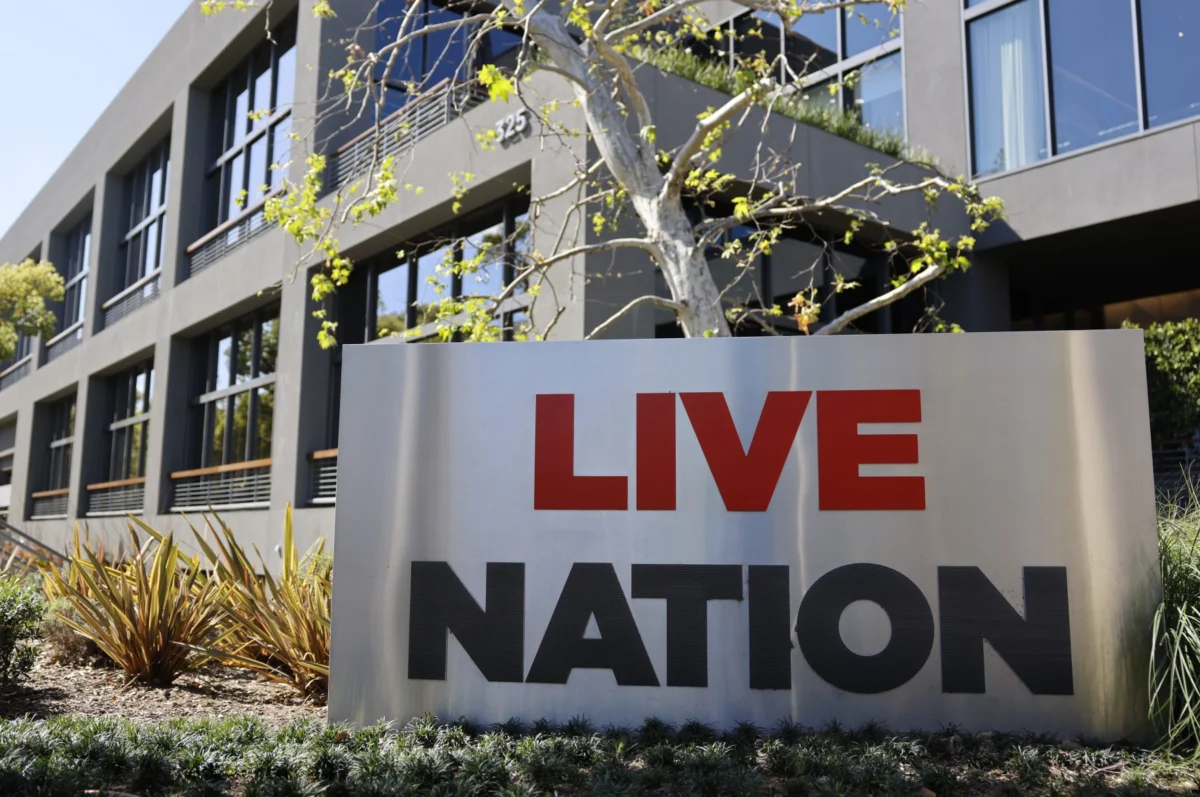
The live entertainment behemoth, Live Nation Entertainment, has launched a robust defense against a $35 million retaliation lawsuit brought by its former executive vice president of development for U.S. concerts, Nicholas Rumanes, asserting in a new court filing that the claims are entirely without merit and were filed in a public forum merely to garner attention. This legal maneuver, which includes a motion to compel arbitration, marks Live Nation’s initial comprehensive response to Rumanes’ allegations that he was unjustly terminated after raising concerns about "serious corporate misconduct," specifically citing inflated revenue projections within the company’s venue building division. The unfolding legal drama adds another layer of complexity to Live Nation’s already scrutinized corporate landscape, which has recently seen the company navigate significant antitrust challenges and public criticism.
Allegations of Misconduct and Retaliation
Nicholas Rumanes, who previously held the influential position of Executive Vice President of Development for U.S. Concerts, filed his lawsuit in April 2026, seeking $35 million in damages. His core contention is that Live Nation dismissed him in 2025, just a year after he had reportedly flagged what he perceived as egregious corporate misconduct. Central to his complaint are allegations that internal revenue projections for Live Nation’s venue development projects were artificially inflated, painting an overly optimistic and potentially misleading financial picture. In his role, Rumanes would have been privy to intricate financial models and strategic planning related to the expansion and enhancement of Live Nation’s vast network of concert venues, making his claims particularly impactful. He asserts that his termination was a direct act of retaliation for his efforts to bring these alleged irregularities to light, a claim that, if proven, could constitute a serious violation of whistleblower protection laws.
Live Nation’s Vigorous Defense
In its June 10, 2026, court filing, obtained and first reported by Billboard, Live Nation unequivocally rejected Rumanes’ narrative. The company, through its legal representatives at Paul Hastings, contended that Rumanes’ accusations are fundamentally flawed and stem from a "basic misunderstanding" of standard corporate financial practices. Live Nation argued that the documents Rumanes cited as evidence of "inflated" figures were, in fact, "ordinary internal estimates" – forward-looking projections inherent to business planning, rather than definitive statements of present financial fact.
"A ‘seasoned executive’ should know that these documents, by their nature, are forward-looking estimates, not a statement of present fact," Live Nation’s attorneys stated in the legal memo. They further elaborated, "Plaintiff’s treatment of projected figures in an internal working model as ‘inflated’ or ‘exaggerated’ reflects a basic misunderstanding of what these documents are and how a public company uses them. Plaintiff did not uncover fraud." This argument places the onus on Rumanes, suggesting a misinterpretation of financial data rather than any actual wrongdoing on the company’s part.
Furthermore, Live Nation denied that Rumanes’ departure was a retaliatory firing. Instead, the company maintained that it simply chose not to renew his three-year contract when it reached its natural expiration in 2025. This framing refutes the premise of an wrongful termination, presenting it as a routine business decision. Regarding the substantial $35 million damages claim, Live Nation dismissed it as an "attention-getting figure rather than a measure of any actual damages," implying that the figure was designed more for public impact than for a genuine reflection of pecuniary loss.
The Push for Private Arbitration

A pivotal aspect of Live Nation’s June 10 filing is its motion to compel arbitration. The company asserts that Rumanes signed a clear arbitration agreement as part of his onboarding documents in 2022. This agreement, Live Nation contends, legally binds him to resolve disputes through a confidential tribunal rather than a public courthouse. The company’s lawyers accused Rumanes of bypassing this contractual obligation by filing a public lawsuit, specifically choosing a forum "that draws attention."
"He cannot escape that promise by recasting his claims for a public docket," Live Nation’s lawyers argued. "The complaint accuses Live Nation of betrayal, but the only promise broken here is plaintiff’s own." This legal strategy highlights a common preference among corporations to keep sensitive employment disputes out of public view, often citing efficiency, cost-effectiveness, and the confidential nature of proprietary business information. Arbitration proceedings are typically private, without juries, and decisions are usually binding with limited avenues for appeal, contrasting sharply with the public scrutiny and procedural intricacies of civil court litigation.
In a follow-up statement issued to Billboard on Friday, June 26, 2026, a Live Nation spokesperson reiterated the company’s position: "We filed this motion to have this dispute resolved through the arbitration process Mr. Rumanes agreed to when he joined the company. His claims are false. He did not uncover fraud. His allegations are based on a misreading of routine financial projections that companies use to plan their business, not evidence of fraud or wrongdoing. His three-year contract ended when its term expired, and this dispute belongs in arbitration, as both parties agreed." As of now, Rumanes’ attorneys have not publicly responded to Live Nation’s latest arguments. The motion to compel arbitration is scheduled to be heard by a Los Angeles judge in November 2026.
Live Nation’s Broader Legal and Market Context
This lawsuit unfolds against a backdrop of heightened scrutiny on Live Nation Entertainment, a dominant force in the global live entertainment market. Live Nation, which merged with Ticketmaster in 2010, controls a significant portion of the concert promotion, venue operation, and ticketing sectors. This market power has frequently drawn the attention of regulators and consumer advocates alike.
Indeed, the image accompanying the original article, dated March 9, 2026, references a tentative settlement with the Department of Justice (DOJ) that would reportedly require Live Nation to pay approximately $200 million in damages. This settlement likely pertains to ongoing antitrust investigations into Live Nation and Ticketmaster’s business practices, which have been accused of stifling competition and leading to inflated ticket prices. Such an investigation, and its potential financial repercussions, underscore the volatile legal environment in which Live Nation operates. The company has faced accusations of leveraging its integrated position to harm competitors, artists, and consumers, leading to public outcry and calls for its breakup.
The DOJ’s interest in Live Nation’s operations, coupled with frequent consumer complaints regarding ticketing transparency, dynamic pricing, and service fees, paints a picture of a company under constant pressure to defend its business model and market conduct. In this context, a lawsuit from a former high-ranking executive alleging internal financial misconduct could potentially exacerbate public and regulatory concerns, regardless of the ultimate legal outcome.
The Role of an Executive VP of Development
Nicholas Rumanes’ former position as Executive Vice President of Development for U.S. Concerts is crucial to understanding the nature of his allegations. An executive in this role would typically be responsible for spearheading Live Nation’s growth strategy through venue acquisition, construction, and renovation across the United States. This involves significant capital investment, complex financial modeling, risk assessment, and long-term strategic planning. Decisions made within this division directly impact the company’s asset base, revenue streams, and overall market presence.

The alleged "inflated revenue projections" would therefore pertain to the anticipated financial performance of new or redeveloped venues, including concert attendance, ticketing revenue, sponsorship opportunities, and ancillary sales. Such projections are vital for securing funding, allocating resources, and communicating future profitability to internal stakeholders and, indirectly, to investors. If these projections were indeed artificially inflated, it could have serious implications for financial reporting accuracy and corporate governance.
Chronology of Events
To provide a clearer picture of the dispute, here is a timeline of key events:
- 2022: Nicholas Rumanes joins Live Nation Entertainment as Executive Vice President of Development for U.S. Concerts, signing an employment contract that includes a mandatory arbitration agreement.
- 2025 (Implied): Rumanes allegedly identifies and flags "serious corporate misconduct," including inflated revenue projections within the venue building division.
- 2025 (Implied): Live Nation’s three-year contract with Rumanes expires, and the company declines to renew it, leading to his departure.
- April 2026: Rumanes files a lawsuit against Live Nation for $35 million, alleging wrongful termination and retaliation for whistleblowing activities.
- June 10, 2026: Live Nation files its first formal response in court, including a motion to compel arbitration and a denial of all claims, arguing Rumanes "misread" financial projections and that his contract simply expired.
- June 26, 2026: A Live Nation spokesperson issues a statement reiterating the company’s stance and commitment to resolving the dispute via arbitration.
- November 2026: A Los Angeles judge is scheduled to hear Live Nation’s motion to compel arbitration.
Whistleblower Protections and Employment Law
Rumanes’ lawsuit touches upon critical areas of employment law, particularly those concerning whistleblower protections. Laws such as the Sarbanes-Oxley Act and the Dodd-Frank Act in the United States aim to protect employees who report corporate fraud or misconduct. For a retaliation claim to succeed, a plaintiff typically needs to demonstrate that they engaged in a protected activity (like reporting illegal conduct), that their employer took an adverse action against them (like termination), and that there was a causal connection between the protected activity and the adverse action.
Live Nation’s defense hinges on severing this causal link by asserting that Rumanes’ contract merely expired, an action unrelated to his alleged whistleblowing. The dispute thus becomes a battle over intent and causation, with the arbitration agreement adding a procedural layer that could prevent a public airing of these details. The $35 million in claimed damages would likely encompass lost wages, future earning capacity, reputational harm, and potentially punitive damages if Live Nation’s actions were deemed malicious or reckless. Live Nation’s characterization of this figure as "attention-getting" suggests a belief that Rumanes’ primary motive is to damage the company’s reputation rather than seek legitimate compensation.
Implications and Future Outlook
The outcome of Live Nation’s motion to compel arbitration in November will be a significant turning point in this legal saga. If the motion is granted, the dispute will move behind closed doors, limiting public access to further details and potentially insulating Live Nation from additional negative publicity. This could be a tactical victory for the company, allowing it to manage the narrative more effectively. Conversely, if the motion is denied, the case would proceed through the public court system, potentially leading to extensive discovery, depositions, and eventually a public trial, which could expose more internal company documents and processes.
Beyond the immediate legal implications for Live Nation and Nicholas Rumanes, this case highlights broader issues concerning corporate transparency, the ethical responsibilities of executives, and the mechanisms available for employees to report alleged misconduct. It also reignites the ongoing debate about the fairness and enforceability of mandatory arbitration clauses in employment contracts, which critics argue can disadvantage employees by stripping them of their right to a public trial and often favoring employers. For a company as prominent and scrutinized as Live Nation, any allegations of financial impropriety or retaliatory practices carry substantial weight, potentially impacting investor confidence, regulatory relations, and its public image in an already challenging market environment. The industry will be closely watching as this high-stakes legal battle unfolds.