 Kholidah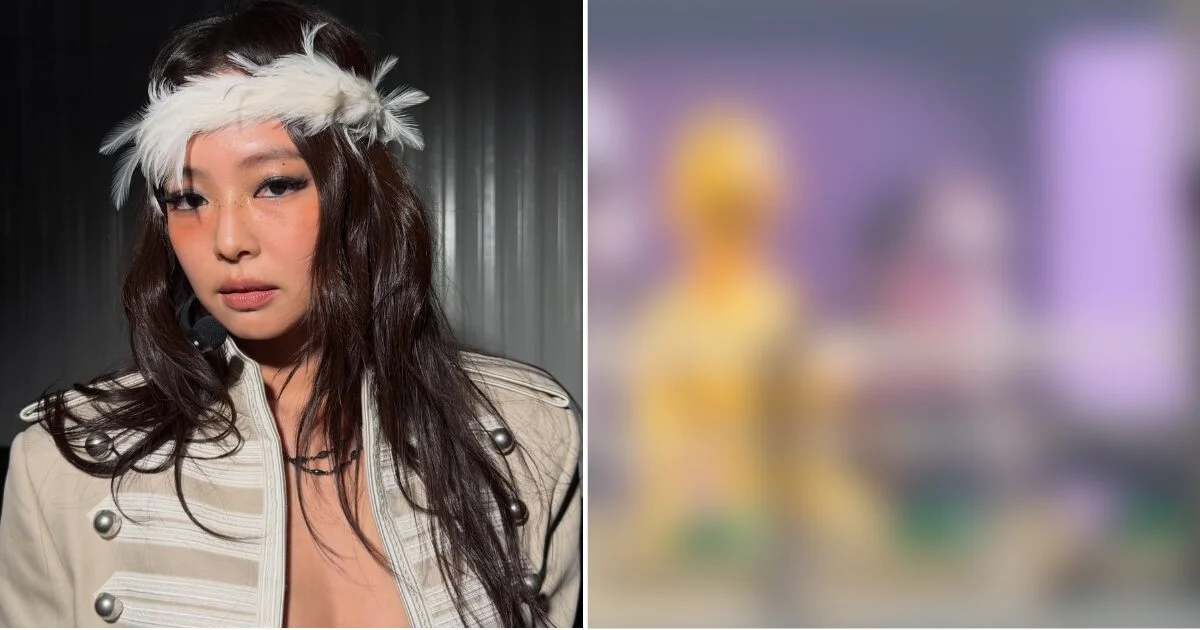
The K-pop industry was set abuzz on October 8, 2026, when BLACKPINK member Jennie was unexpectedly spotted at a soundcheck for The Weeknd’s concert in Seoul. The sighting, which occurred after a month-long public absence, effectively quelled growing industry concerns regarding the star’s current status. For weeks, analysts, fans, and media outlets had speculated that the artist had entered a prolonged hiatus, a transition she had hinted at during a candid interview earlier this year. The emergence of the global icon at such a high-profile event serves as a pivotal development, signaling a potential shift in her professional trajectory as she balances personal well-being with international artistic collaborations.
Contextualizing the Hiatus Narrative
The speculation surrounding Jennie’s absence began in early September 2026. Following the conclusion of her recent solo promotional cycle and various brand ambassador commitments, the singer notably withdrew from several high-profile public engagements. The most significant indicator for observers was her absence from the recent Chanel fashion show, a major event where she has historically been a centerpiece guest. Given her long-standing relationship with the luxury fashion house, her non-attendance became the primary catalyst for rumors suggesting she had begun a hiatus.
In an interview conducted earlier this year, Jennie addressed the pressures of the K-pop industry, noting that she was considering a period of rest to focus on her mental and physical recovery. While the term "hiatus" is often used loosely in entertainment reporting, for global stars of her magnitude, it typically implies a strategic withdrawal from promotional activities to facilitate creative exploration or personal respite. The lack of social media updates or public sightings throughout September solidified the public perception that she had indeed entered this phase of professional dormancy.
Chronology of the October 8 Sighting
The situation shifted on the morning of October 8, when reports emerged from the venue of The Weeknd’s scheduled performance in Seoul. Social media platforms, particularly X (formerly Twitter), became the primary source of real-time documentation as attendees and local fans identified Jennie at the venue during soundcheck preparations.

The timeline of the day unfolded as follows:
- 09:00 AM: Fans gathering near the concert venue reported sightings of a figure matching Jennie’s appearance during the technical rehearsals.
- 10:30 AM: High-definition images and short video clips began circulating, confirming the presence of the BLACKPINK star alongside the production crew for The Weeknd.
- 11:00 AM: The rapid proliferation of this media across international fan communities sparked widespread debate regarding whether this was a casual appearance or a planned performance collaboration.
- 12:00 PM: News outlets began formalizing the reports, shifting the narrative from "missing star" to "surprise collaboration," effectively ending the speculation about a total withdrawal from the public eye.
Analysis of Fan Reception and Digital Impact
The reaction from the global fan base, known collectively as BLINKs, was instantaneous and overwhelmingly emotive. Within three hours of the initial sighting, hashtags related to the artist trended globally across multiple regions, including South Korea, the United States, and Southeast Asia.
Sociological analysis of this digital response suggests that the fan base was experiencing a "re-emergence effect." Because the artist had maintained a "digital blackout" for nearly thirty days, the release of high-quality images acted as a significant psychological relief for the community. The emotional intensity of the comments—ranging from "I missed her so much" to expressions of gratitude for her return to the stage—highlights the parasocial connection that characterizes modern K-pop fandom. From a media studies perspective, this event underscores how the intentional absence of a celebrity can amplify audience engagement upon their eventual return.
The Weeknd and Jennie: A Strategic Synergy
The collaboration between The Weeknd and Jennie is not unprecedented, though it remains a significant cultural intersection. Their previous creative ties have set a precedent for this type of crossover, which bridges the gap between Western R&B/Pop and the South Korean idol industry. By appearing at the soundcheck, it became clear that Jennie was involved in the technical execution of the show, suggesting that her "hiatus" is not a complete cessation of work, but rather a curation of specific, high-value artistic projects.
Industry insiders suggest that this approach—selecting specific global collaborations over traditional promotional cycles—is becoming a common strategy for established idols. By opting for performance-based work rather than media appearances, artists can maintain their brand equity while adhering to the personal boundaries they established during their hiatus.

Professional Implications and Future Outlook
The implications of this sighting are multifaceted. First, it clarifies that while Jennie may be stepping back from routine promotional obligations, she is actively participating in international music projects. This suggests a shift toward a "quality over quantity" business model.
Second, the event highlights the evolving nature of celebrity management in the post-pandemic era. Labels and management agencies are increasingly recognizing the necessity of "rest periods" for their artists, a departure from the grueling, non-stop release schedules that dominated the early 2010s. If this shift is indeed the new standard, we can expect to see more idols taking extended breaks, punctuated by strategic, high-profile appearances.
Third, from a market analysis perspective, the massive reach of this single sighting proves that Jennie’s brand remains exceptionally resilient. Even without a formal campaign, her return to the spotlight generated engagement levels comparable to a new single release. This demonstrates that her influence is not merely tied to active promotion but to a sustained, high-level public interest that persists even during periods of inactivity.
Institutional Perspective and Industry Standards
As of the time of this report, neither YG Entertainment nor the artist’s personal representatives have released an official statement clarifying the extent of her hiatus or the nature of her involvement with The Weeknd’s concert. However, in the professional sphere, this lack of statement is often interpreted as a calculated move to allow the event to speak for itself.
In the broader context of the South Korean entertainment industry, the "hiatus" has historically been a sensitive topic. In the past, such periods were often shrouded in mystery or linked to negative press. However, the current generation of artists is normalizing the concept of a "sabbatical," treating it as a standard professional requirement for longevity. Jennie’s situation is a prime example of this trend, as the public and media have largely accepted her absence as a reasonable period of recovery, rather than a cause for professional concern.

Conclusion: The Future of Global Stardom
The return of Jennie to the public sphere, albeit briefly, marks a turning point in the current narrative of BLACKPINK’s activities. As the members navigate their respective solo careers while maintaining the integrity of the group, their individual ability to manage public expectations becomes critical.
This specific episode—the silence of the last month followed by the high-impact appearance in Seoul—serves as a case study for future talent management. It demonstrates that in the modern entertainment ecosystem, the power of an artist’s image is sustained not by constant presence, but by the strategic management of their absence. As the audience looks forward to potential further collaborations between Jennie and international artists, it is clear that her "hiatus" was never an end, but merely a pause in an evolving and increasingly global career. The industry will continue to monitor her trajectory, as she remains one of the most significant indicators of trends within the K-pop market and global pop culture at large.