 Nana Wu
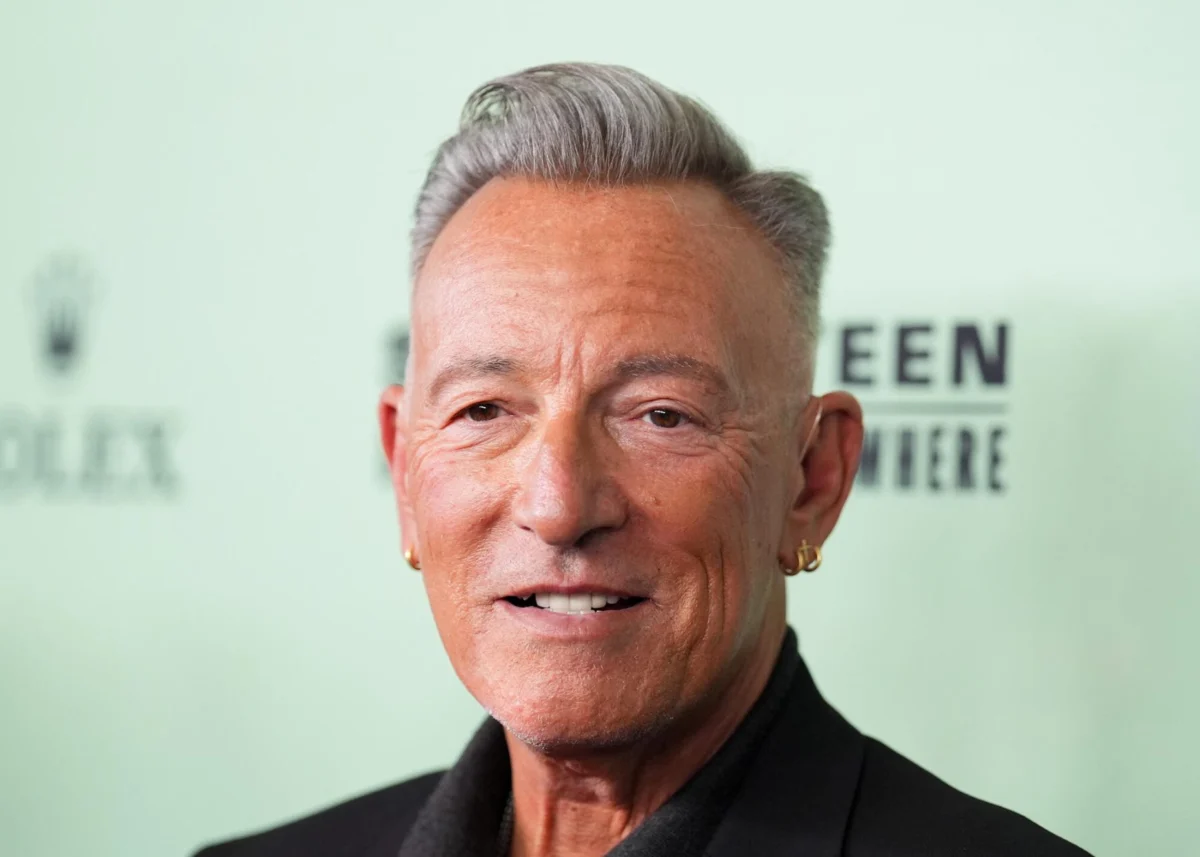
Bruce Springsteen has signaled a definitive shift in his career trajectory, doubling down on a politically charged artistic direction that has polarized his fan base. In a candid assessment of his recent Land of Hope and Dreams Tour, the legendary rocker confirmed that his commitment to social commentary outweighs the commercial imperative of maintaining universal fan approval. This recalibration of his public persona marks a departure from the traditional expectations of legacy stadium acts, positioning the 2026 tour as a direct intervention in the current American political climate.
The tour, which spanned 20 dates across the United States, functioned as a deliberate mirror held up to the nation’s fractures. Beginning on March 31 in Minneapolis and concluding on May 30 in Philadelphia, the concert series integrated a rigorous selection of songs—including "Born in the U.S.A.," "Death to My Hometown," and "Youngstown"—to frame a narrative of American decline and resilience. By anchoring the performances with Edwin Starr’s anti-war anthem "War" and Bob Dylan’s "Chimes of Freedom," Springsteen intentionally moved away from a greatest-hits approach toward a thematic critique of the contemporary administration.
A Chronology of the Land of Hope and Dreams Tour
The genesis of this tour can be traced back to the early months of 2026, a period defined by intense legislative and social friction. Following the January release of his protest track "Streets in Minneapolis"—penned in direct response to the deaths of Reneé Good and Alex Pretti during an encounter with federal immigration authorities—Springsteen signaled that his upcoming stage show would prioritize message over nostalgia.
The 20-date run served as the primary vehicle for this sentiment. Throughout the tour, Springsteen consistently utilized the stage as a platform for direct address, offering speeches that criticized the Trump administration’s policies before transitioning into his musical setlist.
Tour Highlights and Milestones:
- March 31: Tour launch in Minneapolis; initial performances established the somber, politically charged tone of the residency.
- April 15: Mid-tour report; industry analysts noted a distinct shift in demographic engagement, with some longtime fans expressing vocal dissent on social media regarding the concert’s overt political messaging.
- May 30: Tour conclusion in Philadelphia; the final performance solidified the "Philadelphia Freedom Cut," a concert film project intended to archive the tour’s thematic intent for a broader audience.
The Recontextualization of an Icon
Perhaps the most significant element of the tour was the treatment of "Born in the U.S.A." Long misunderstood as a patriotic anthem rather than the protest song it was written to be, the track had been largely sidelined from American sets in recent years. Springsteen’s decision to reintroduce it, placed strategically between "War" and "Death to My Hometown," served as an act of reclamation.
"It was the state of the nation for 2026," Springsteen explained in a recent interview. By embedding the song within a sequence of tracks dealing with economic displacement and the human cost of conflict, he sought to force a re-evaluation of the song’s original intent. This decision was not made in a vacuum; it reflected a broader trend among legacy artists who are increasingly finding that the safety of "neutrality" is no longer an option in a hyper-partisan media landscape.
Analyzing the Impact: Fan Alienation vs. Artistic Integrity
The financial and social implications of Springsteen’s stance are significant. In an era where artists rely heavily on ticket sales and touring revenue, the decision to alienate a portion of one’s core demographic—specifically those supportive of the Trump administration—is a high-stakes gamble.
Data from the tour suggests that while the dissent was vocal, it did not result in a collapse of ticket sales. However, the qualitative feedback from concertgoers indicates a deep divide. Industry experts observe that Springsteen is operating under a "legacy immunity" that younger artists might not possess. With decades of material, he is less reliant on the immediate favor of the current cultural zeitgeist, allowing him to trade broad appeal for ideological consistency.
"I’m old now and I do what I want to do," Springsteen noted. "This was the show I wanted to make, the story I wanted to tell." This sentiment reflects a transition from the artist as a commercial entertainer to the artist as a public intellectual. While critics argue that musicians should remain removed from the political fray, proponents suggest that Springsteen is merely returning to his roots as a chronicler of the working-class struggle, a struggle that he argues is inextricably linked to current government policy.
Official Responses and Public Reception
The backlash to the tour was characterized by heated discourse on platforms such as X (formerly Twitter) and various fan forums. Comments ranged from accusations of hypocrisy to claims that the artist had "lost touch" with his core base. Conversely, political commentators have praised the move as a courageous use of a massive platform to influence the national conversation ahead of the midterm elections.
The Springsteen camp has largely maintained a policy of stoicism. Regarding the potential loss of fans, his approach is one of acceptance: "I’m sure there were people, and I’ve read things where people were vehement about the content of the show. And that’s just the way the chips fall." This shrug-of-the-shoulders approach effectively neutralizes the power of boycott attempts, as it denies the detractors the power to change his artistic direction.
Broader Implications for the Music Industry
The success of the Land of Hope and Dreams tour, even amidst controversy, provides a case study for other artists navigating the current political climate. The "Philadelphia Freedom Cut," which is currently being released in installments on YouTube, signals a new model for concert distribution. By breaking the film into segments, Springsteen is ensuring that the messaging of the tour continues to reach audiences well after the final concert date, effectively extending the lifespan of his political commentary.
Looking forward, Springsteen’s focus remains on his craft. With two albums in various stages of production—one complete and one in development—he shows no signs of slowing down his output. However, he has made it clear that he has no interest in returning to the grueling, 140-show E Street Band tours of the past. His future endeavors will likely be characterized by shorter, more deliberate runs that prioritize artistic and political impact over scale.
As the midterm elections approach, Springsteen’s involvement in the political sphere is expected to continue. His scheduled performance with Tom Morello in Washington, D.C., next month suggests that his advocacy for Democratic control of the House and Senate is a long-term project rather than a one-off campaign.
Conclusion
Bruce Springsteen’s recent pivot represents a definitive moment in the career of an American icon. By prioritizing his personal political convictions over the preservation of his status as a universally beloved entertainer, he has entered a new phase of his career—one that is as much about the message as it is about the music. Whether this approach will influence the broader music industry remains to be seen, but for now, the "Boss" is operating on his own terms, comfortable with the risks and resolved in his perspective on the American landscape.