 Muhammad Ibadurrohman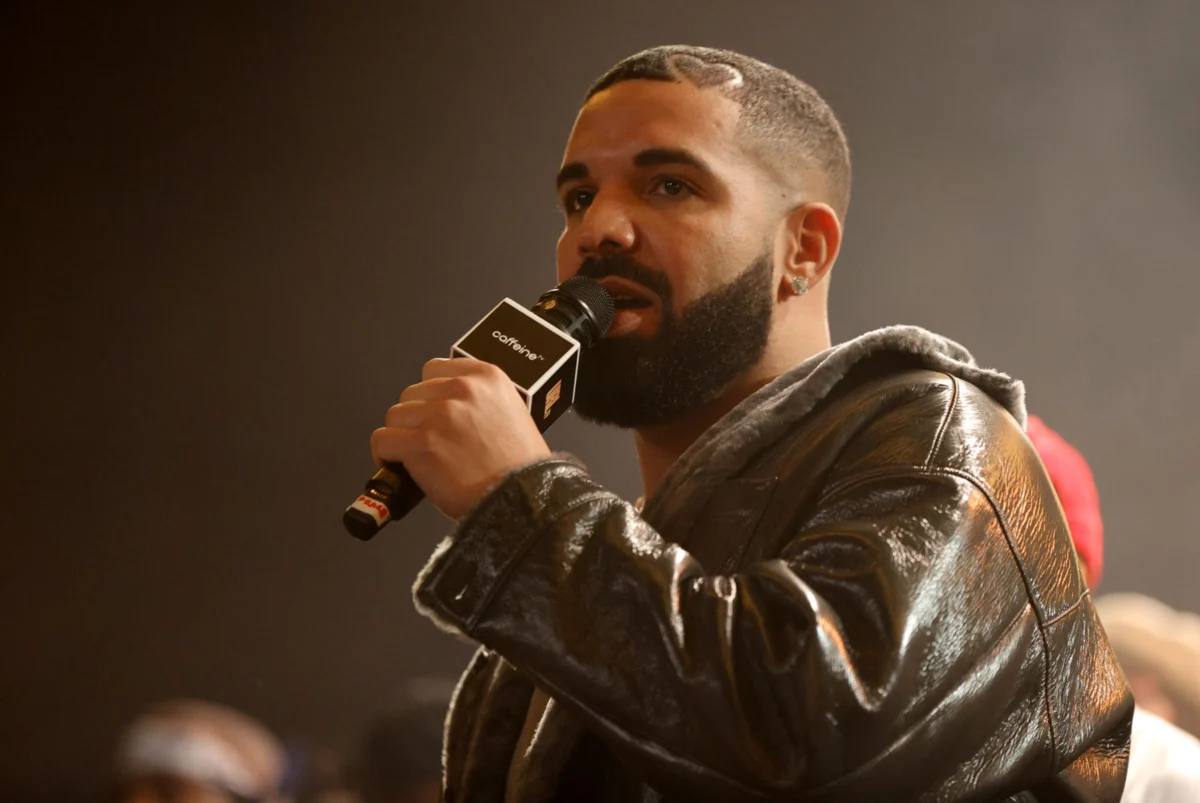
The prominent Toronto-based lifestyle brand, October’s Very Own (OVO), co-founded by global music superstar Drake, is currently entangled in a high-stakes legal battle with a Florida-based debt lending firm, Applied Real Intelligence (A.R.I.). At the heart of the dispute is a CAD 5.2 million (approximately $3.7 million USD) loan and an additional CAD 5.3 million (approximately $3.8 million USD) "make-whole fee" that A.R.I. claims OVO owes following an alleged default. The conflict has escalated into a pair of dueling lawsuits filed in Canadian courts, casting a spotlight on the intricate financial dealings of celebrity-backed enterprises.
OVO’s Ascent: From Blog to Global Lifestyle Empire
October’s Very Own began not merely as an apparel company but as a comprehensive lifestyle and entertainment brand, a brainchild of Aubrey "Drake" Graham, his manager Oliver El-Khatib, and producer Noah "40" Shebib. What started as a blog and a SoundCloud page in 2008 quickly evolved into a multi-faceted entity encompassing a record label (OVO Sound), a highly successful clothing line, a radio show, and various other ventures. The brand’s signature owl logo and minimalist aesthetic have become synonymous with Drake’s global influence, solidifying its status beyond mere merchandise into a cultural phenomenon. OVO’s retail footprint expanded from its initial Toronto flagship to major cities worldwide, including Los Angeles, New York, and London, reflecting its ambitious growth trajectory. This expansion, coupled with Drake’s unparalleled star power and strategic collaborations, positioned OVO as a significant player in both the fashion and music industries, attracting considerable investor interest. The brand’s valuation, though not publicly disclosed in full detail, is widely understood to be in the hundreds of millions, underscoring the scale of its operations and future potential.
The Convertible Note Agreement: A Summer 2025 Fundraise
The genesis of the current legal conflict dates back to a fundraise conducted in the summer of 2025. During this period, OVO secured financing from Applied Real Intelligence (A.R.I.), a Florida-based debt lending company specializing in providing capital to growth-stage companies. A.R.I. extended CAD 5.2 million (equivalent to approximately $3.7 million USD at the time of the transaction) to OVO through a series of convertible notes. Convertible notes are a common financing instrument, particularly for startups and high-growth companies. They are essentially short-term debt that can convert into equity at a later date, typically during a subsequent financing round or upon the occurrence of specific events. This structure allows companies to secure capital quickly while deferring a valuation discussion, and it offers lenders the potential for significant upside if the company performs well. For OVO, such an agreement likely aimed at fueling continued expansion, investing in new product lines, or bolstering working capital for its increasingly complex global operations. The terms of these convertible notes, including interest rates, maturity dates, and conditions for conversion or repayment, are now central to the legal arguments unfolding.
Alleged Default and the Contested "Make-Whole" Fee
The financial relationship between OVO and A.R.I. reportedly soured in early 2026. According to A.R.I.’s claims, OVO defaulted on the loan agreement due to late interest payments. Following this alleged default, A.R.I. demanded immediate reimbursement of the principal amount. OVO subsequently entered into a repayment agreement with A.R.I. and, in May 2026, wired approximately $3.7 million USD, which OVO asserts fully covered the outstanding principal.
However, A.R.I. contended that this payment was insufficient. The lender insisted that OVO was also contractually obligated to pay an additional fee of CAD 5.3 million (approximately $3.8 million USD) as a consequence of the default. This additional sum is referred to as a "make-whole fee." In financial agreements, a make-whole clause is designed to compensate a lender for the loss of future interest payments or expected returns when a loan is repaid prematurely, particularly if the early repayment is triggered by a default. The intent is to make the lender "whole" for the income they would have received had the loan matured as originally planned. The precise wording and conditions for triggering such a fee are often highly negotiated and can become a point of contention in legal disputes, as is the case here.

The Dueling Lawsuits: OVO Fires First in Toronto
On June 2, OVO initiated legal proceedings by filing a lawsuit against A.R.I. in a Toronto court. In its filing, OVO sought a judicial declaration that it was not obligated to pay the additional CAD 5.3 million make-whole fee. OVO’s central argument rests on its interpretation of the investment contract with A.R.I., asserting that such a fee would only become due under a "specific circumstance" that, according to OVO, did not materialize.
The lawsuit, as obtained by Billboard, explicitly states: "In particular, although A.R.I. alleged defaults and expressly reserved its right to accelerate, A.R.I. did not accelerate the notes prior to negotiating and entering into forbearance terms. Repayment in the context of and pursuant to the forbearance agreement does not trigger an entitlement to a make-whole fee." This nuanced legal argument suggests that while A.R.I. may have claimed defaults and reserved the right to accelerate the loan (i.e., demand immediate full repayment), the subsequent negotiation and execution of a forbearance agreement — a temporary arrangement to postpone or reduce loan payments — altered the conditions under which the make-whole fee could be invoked. OVO’s position is that the repayment made under the forbearance agreement superseded any prior acceleration triggers for the make-whole clause.
A.R.I.’s Counter-Offensive in Vancouver
Nine days later, on June 11, Applied Real Intelligence responded with a lawsuit of its own, filing against OVO in Vancouver. A.R.I.’s legal action seeks to compel OVO to pay the disputed make-whole fee, directly countering OVO’s claim. The lender’s argument is that this amount was "designed to provide A.R.I. with a minimum negotiated return and to protect A.R.I. against the loss of the benefit of its bargain if the notes were repaid or otherwise terminated before maturity."
In a public statement announcing its lawsuit, A.R.I. articulated its perspective: "A.R.I. approached this transaction in good faith and viewed OVO as a compelling company with substantial brand value and long-term growth potential." The statement continued, detailing their actions leading up to the litigation: "When defaults occurred, A.R.I. did not immediately pursue litigation. Instead, we worked extensively with OVO through a formal workout process and provided the company substantial time and flexibility to resolve the situation outside of court. OVO subsequently acknowledged both the defaults and the debt in writing under a formal forbearance agreement, made only a partial payment, and has now taken the position that millions of dollars remain unpaid despite clear contractual obligations. A.R.I. intends to fully enforce its legal rights and protect its investors through the courts."
A.R.I.’s narrative suggests a series of good-faith efforts on their part to resolve the issue amicably, culminating in OVO’s acknowledgment of defaults and debt under a forbearance agreement. The lender implies that OVO’s subsequent refusal to pay the make-whole fee constitutes a breach of these "clear contractual obligations" and a departure from the spirit of their initial engagement.
Legal Precedent and Contractual Interpretation
The resolution of this dispute will largely hinge on the precise wording of the convertible notes agreement and the subsequent forbearance agreement, as well as how Canadian courts interpret clauses related to default, acceleration, and make-whole provisions. Contractual disputes of this nature are common in commercial lending, particularly in the venture debt space where terms can be highly customized and complex. Courts will meticulously examine whether the conditions stipulated for the make-whole fee were, in fact, met according to the letter and intent of the agreements.

Legal scholars and commercial litigators often point to the critical importance of unambiguous language in financial contracts. The timing of loan acceleration relative to forbearance agreements can be a key determinant. If a loan is formally accelerated before a forbearance agreement is struck, the original terms might apply more strictly. However, if the forbearance agreement modifies or supersedes these terms, especially regarding default remedies, OVO’s argument gains traction. The outcome could set a precedent for how similar convertible note and venture debt agreements are interpreted in Canadian jurisprudence, particularly concerning the interplay between default provisions and subsequent workout arrangements.
Implications for OVO and the Venture Lending Landscape
For OVO, the financial implications of losing this lawsuit could be substantial, adding an additional CAD 5.3 million to its repayment obligations. Beyond the direct monetary cost, the legal battle represents a significant distraction for a brand that is continuously innovating and expanding. Such disputes can also carry reputational risks, though Drake’s personal brand remains largely insulated due to his massive global appeal. For OVO as a corporate entity, maintaining a reputation for sound financial management and reliable partnerships is crucial for future investor relations and business development.
For A.R.I., the case is about upholding the integrity of its loan agreements and protecting its investors’ interests. Venture lenders rely on the enforceability of their contracts, including clauses designed to ensure a minimum return on investment, especially when risks are involved. A favorable ruling for A.R.I. would reinforce the importance of make-whole clauses in venture debt and convertible note structures, potentially influencing how future deals are negotiated and how companies approach their repayment obligations.
More broadly, this case underscores the increasing sophistication and financial complexity of celebrity-backed business empires. As artists like Drake diversify their portfolios into fashion, technology, and other sectors, they engage in high-stakes financial transactions that demand rigorous legal and financial oversight. The dispute serves as a reminder that even established, successful brands are not immune to the intricacies and potential pitfalls of commercial lending agreements.
Silence from OVO and Drake’s Representatives
In line with standard practice during ongoing litigation, representatives for OVO and Drake have declined to comment on the matter beyond the details presented in their legal filings. This approach is typical, as parties involved in active lawsuits often prefer to let their legal arguments speak for themselves in court rather than engaging in public commentary that could be misinterpreted or used against them.
As the lawsuits proceed through the Canadian court system, both OVO and A.R.I. will present their evidence and arguments, with the courts ultimately tasked with interpreting the contractual language and determining the validity of the make-whole fee claim. The outcome will not only impact the financial standing of both parties but could also offer valuable insights into the enforceability of complex debt instruments within the rapidly evolving landscape of celebrity entrepreneurship and venture financing. The resolution of this CAD 7.5 million dispute will undoubtedly be closely watched by stakeholders across the entertainment, fashion, and financial sectors.