Kholidah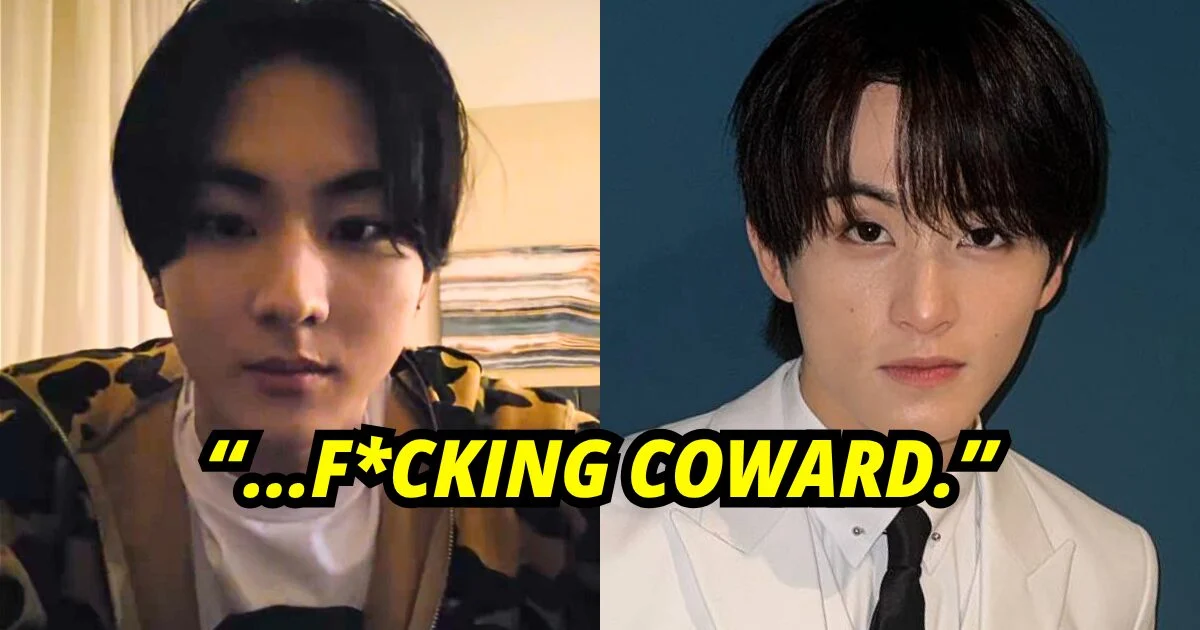
On July 18, 2026, the global K-pop community was alerted to a brewing controversy involving Jungwon, the leader of the boy group ENHYPEN, following the publication of a promotional video on the group’s official TikTok account. The incident, which centered on a piece of clothing worn by the artist, quickly escalated from a wardrobe oversight to a significant discussion on cultural sensitivity, global representation, and the evolving standards of accountability within the music industry. Within twenty-four hours, the situation transitioned from public criticism to a case study in effective crisis management, as Jungwon took personal responsibility for the error in a manner that many fans and industry observers are now calling a new benchmark for idol conduct.
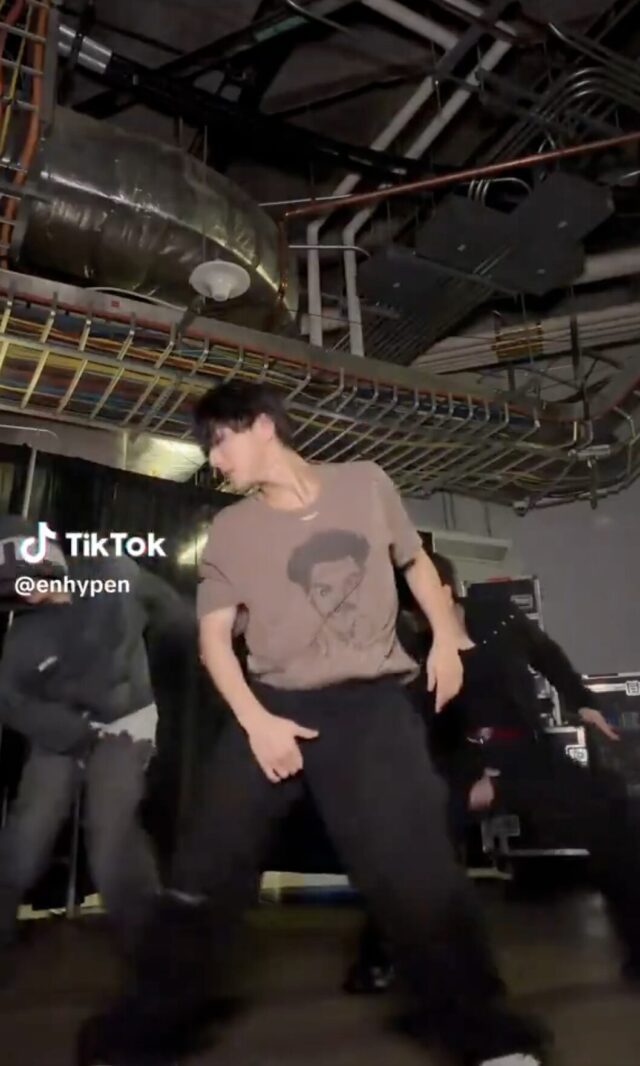
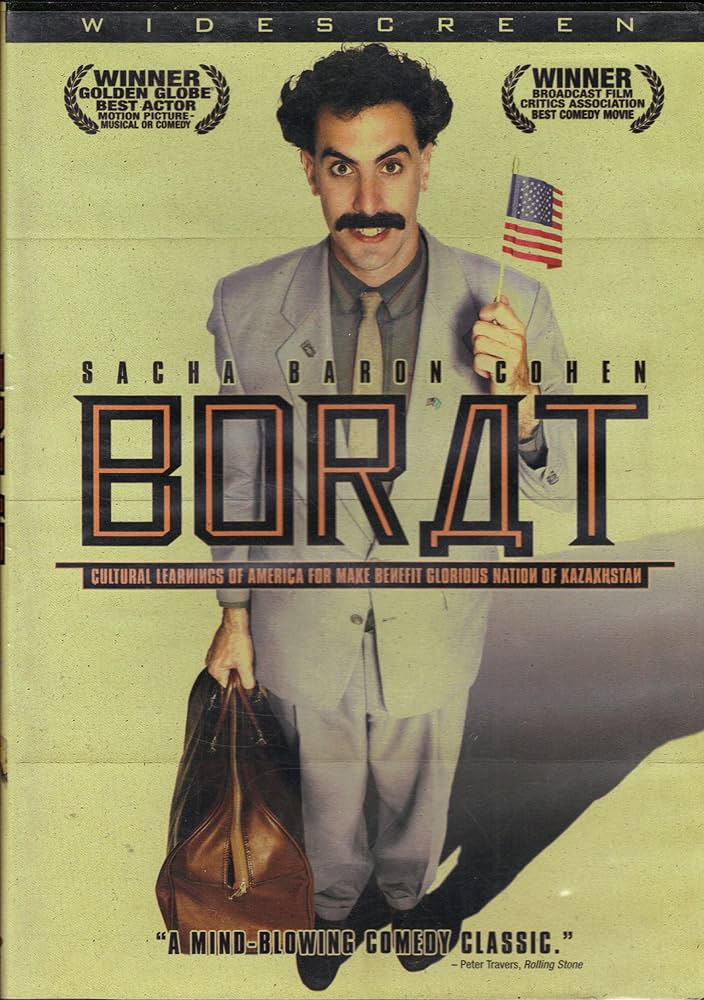
The controversy began when a short-form dance challenge video was uploaded to ENHYPEN’s TikTok channel. In the footage, Jungwon was seen performing a choreographed routine alongside two dancers. While the performance itself was technically proficient, viewers quickly identified the graphic on Jungwon’s t-shirt: an image of Sacha Baron Cohen in character as Borat Sagdiyev from the 2006 mockumentary film, Borat: Cultural Learnings of America for Make Benefit Glorious Nation of Kazakhstan. The film, while a commercial success in the West at the time of its release, has long been a source of profound grievance for the people of Kazakhstan. It is widely criticized for its inaccurate, derogatory, and xenophobic portrayal of Kazakh culture, which many argue has fueled harmful stereotypes and misinformation about the Central Asian nation on a global scale.
The Cultural Significance of the Borat Imagery
To understand the weight of the backlash, it is necessary to examine the historical and social context of the Borat character. Sacha Baron Cohen’s portrayal was designed as a satirical mirror to American prejudices, yet the vehicle for that satire was a fictionalized version of Kazakhstan that bore no resemblance to the actual country. For decades, Kazakh citizens and government officials have campaigned against the film’s influence, noting that it reduced a sophisticated nation with a rich history to a caricature of poverty and bigotry.
In the context of K-pop—a genre that prides itself on global inclusivity and has a massive, dedicated following in Central Asia—the appearance of such imagery is particularly jarring. The irony of the situation was further compounded by the fact that the choreography Jungwon was performing had been created by a Kazakh dancer. This specific detail served as a catalyst for Kazakh ENGENEs (the group’s fandom) to organize and bring the issue to the attention of the artist and his management company, BELIFT LAB. Fans utilized social media platforms to explain why the shirt was offensive, emphasizing that wearing it, even unintentionally, signaled a lack of respect for a demographic that supports the group’s global success.
Chronology of the Incident and Immediate Action
The timeline of the event suggests a rapid internal response from both the artist and the label. The TikTok video was posted on July 18, 2026. Within hours, threads on X (formerly Twitter) and TikTok began to gain traction, detailing the history of the Borat film and its harmful impact on the Kazakh people. Recognizing the validity of the concerns, BELIFT LAB removed the video from all official platforms. However, the discourse did not end with the deletion of the content.

On July 19, 2026, Jungwon took the unexpected step of hosting a live broadcast on the fan communication platform Weverse specifically to address the matter. During the stream, he offered a direct and unscripted apology. He confirmed that he had learned about the meaning behind the shirt shortly after the video’s release and stated that he had immediately disposed of the garment. "First of all, I want to apologize," Jungwon told viewers. "I threw that t-shirt away right away. Even though I didn’t know [at the time], if there is something that hurts people, I should take responsibility."
Crucially, fans noted that Jungwon had intentionally timed his live broadcast to coincide with the waking hours of his audience in Kazakhstan. This level of consideration—ensuring that those most affected by the oversight were able to hear the apology in real-time—was highlighted by many as a sign of genuine remorse rather than a mandated corporate PR move.
Comparative Discourse: Jungwon vs. Mark Lee
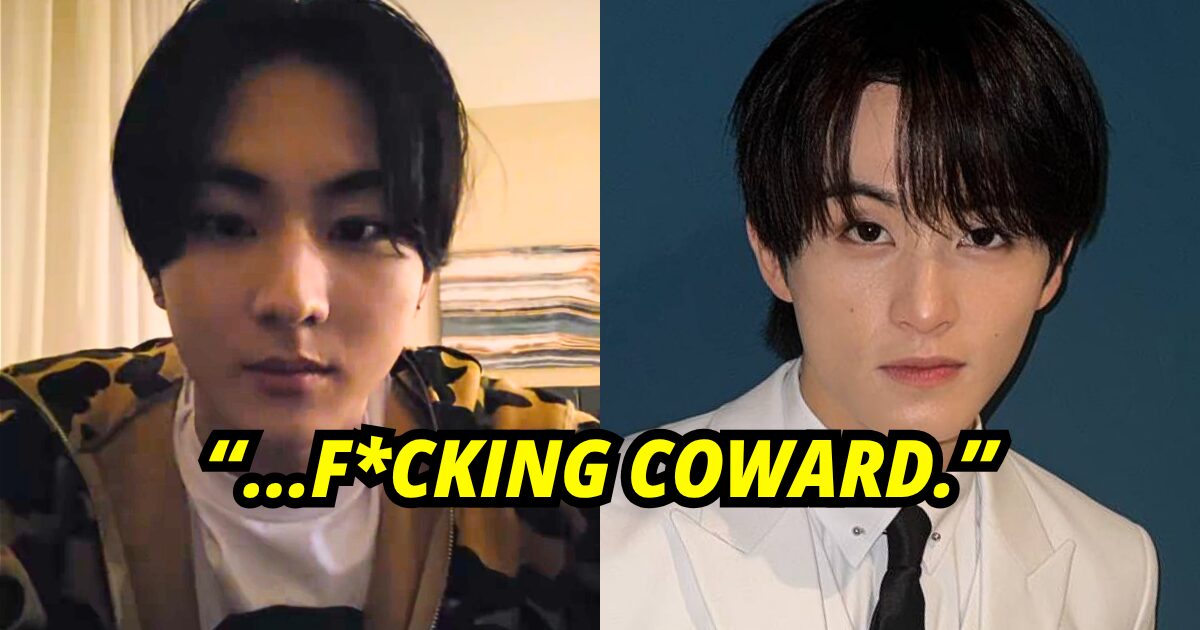
The reaction to Jungwon’s apology triggered a broader conversation regarding how different idols and agencies handle cultural controversies. Specifically, social media users began comparing Jungwon’s proactive approach to a previous incident involving soloist and former NCT member Mark Lee. According to reports and social media discourse referenced in the wake of the Jungwon incident, Mark Lee had faced criticism for wearing a Confederate flag, a symbol inextricably linked to slavery and white supremacy in the United States.

Critics of Mark Lee pointed out that his apology felt "impersonal" and "formulaic," with some fans even speculating that the text had been generated by artificial intelligence. The contrast drawn by the public focused on the medium and the message: while Mark Lee’s response was a written statement released through his independent company, Jungwon’s was a live, face-to-face interaction. The debate intensified as fans argued that Mark, who is fluent in English and manages his own career, should have been more aware of the symbol’s weight, whereas Jungwon, who operates under a major label, showed more individual initiative in addressing his mistake.
However, the discourse was not one-sided. Supporters of Mark Lee defended his actions, stating that he apologized quickly and that his statement was clear in its intent to prevent future occurrences. They argued that the "double standards" in the K-pop community often lead to disproportionate vitriol toward certain idols while others are praised for "the bare minimum." This friction highlights the polarized nature of K-pop "cancel culture" and the difficulty agencies face in satisfying a global audience with varying historical perspectives.
Data and the Importance of the Kazakh Market
The significance of this controversy is underscored by the data surrounding K-pop’s expansion into the Commonwealth of Independent States (CIS) region. Over the last five years, Kazakhstan has emerged as one of the fastest-growing markets for Hallyu (the Korean Wave). According to industry analytics, streaming numbers and physical album sales in Almaty and Astana have seen a year-on-year increase of over 25% since 2022.
For a group like ENHYPEN, which relies heavily on international fan engagement for its "world tour" model, alienating a specific regional demographic carries tangible economic risks. The swiftness of Jungwon’s apology likely mitigated potential long-term damage to the group’s brand in Central Asia. By acknowledging the specific grievances of Kazakh fans, Jungwon not only halted a potential boycott but also strengthened the loyalty of a fanbase that felt heard and respected.
Broader Implications for the K-Pop Industry
The "Jungwon Standard," as some are calling it, suggests a shift in how K-pop idols are expected to interact with their global audience. In the early 2010s, cultural blunders were often ignored or met with a brief, translated statement from the agency. In 2026, the expectation has shifted toward personal accountability.
This incident raises several points for analysis regarding the future of idol training and management:
- Enhanced Cultural Sensitivity Training: The frequency of wardrobe-related controversies suggests that despite the global reach of K-pop, the vetting process for styling remains a weak point in the production pipeline. Agencies may need to invest in more robust cultural consultants to review content before it is published.
- The Power of Direct Communication: Jungwon’s decision to go live demonstrated that fans value "human" responses over "corporate" ones. In an era where AI-generated content is becoming more common, the authenticity of a live video apology carries significant weight.
- The Role of the Leader: As the leader of ENHYPEN, Jungwon’s decision to take the heat for a wardrobe mistake—which was likely the fault of a stylist or a staff member—showcases a leadership style focused on shielding the group and maintaining brand integrity.
In conclusion, while the initial incident involving the Borat t-shirt was a lapse in judgment and cultural awareness, the subsequent response has provided a blueprint for crisis resolution in the digital age. By combining a swift removal of the offending content with a sincere, timed, and personal apology, Jungwon managed to turn a moment of friction into an opportunity for education and reconciliation. As the K-pop industry continues to navigate the complexities of a globalized world, the lessons learned from this event will likely influence how artists and labels approach the delicate balance of international fame and cultural respect.