 Aveline Kirana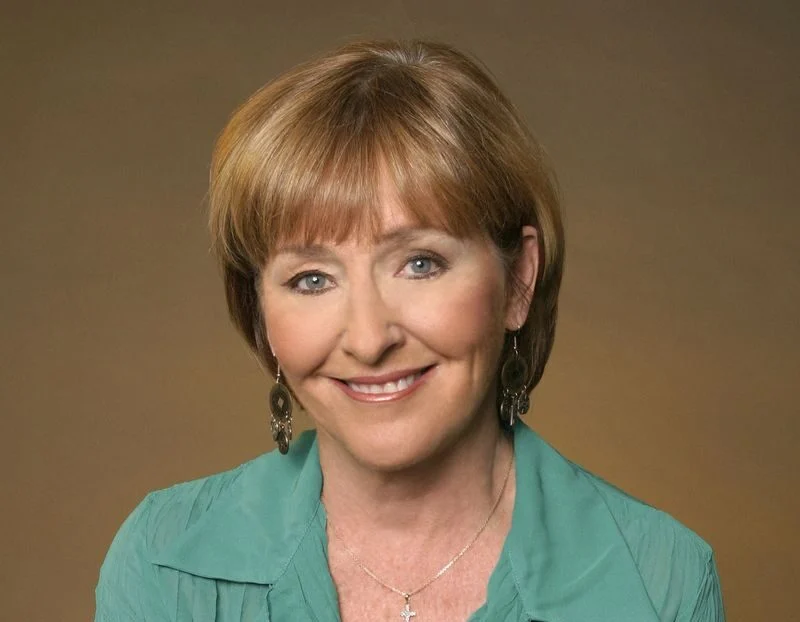
Mezzo-soprano Frederica von Stade, a luminary of her generation whose voice graced the world’s most prestigious opera houses for decades, is making a welcome return to the Ravinia Festival this summer. Decades after her initial performances at the iconic Illinois venue, von Stade is set to share the stage with her longtime friend and fellow mezzo-soprano, Susan Graham. This engagement marks not only a return to a place steeped in her personal performance history but also a continuation of her active engagement with the art form, even after officially stepping back from full-time performing in 2010.
Von Stade’s illustrious career is a testament to her artistry and dedication. Her performance credits read like a who’s who of operatic institutions, including the Metropolitan Opera, San Francisco Opera, Lyric Opera of Chicago, Los Angeles Opera, Teatro alla Scala, Royal Opera Covent Garden, the Vienna State Opera, and the Paris Opera. These stages have witnessed her interpret a vast repertoire, solidifying her status as one of the most celebrated singers of her era.
While retirement from the demanding schedule of a principal opera singer was formally embraced in 2010, von Stade has found that the pull of performance and pedagogy remains strong. In recent years, she has made notable reappearances at various festivals and opera companies, including the LIFE Festival for the Fundacio Victoria de los Angeles in Barcelona, Opera Theatre of Saint Louis, Opera Philadelphia, San Diego Opera, Arizona Opera, and Hawaii Opera Theater. Concurrently, she has dedicated herself to nurturing the next generation of singers through masterclasses across the country, sharing her invaluable experience and insights.
The upcoming Ravinia Festival concert is particularly poignant. Von Stade’s connection to Ravinia spans many years, and her reunion with Susan Graham, a fellow mezzo-soprano with whom she shares a deep personal and professional bond, promises a program rich in both artistry and camaraderie. Their collaboration is a highlight of the festival’s summer programming, which typically attracts a discerning audience eager to experience world-class musical talent in the serene setting of Highland Park, Illinois.
A Return to Ravinia and the Call of the Stage
The invitation to return to Ravinia stemmed from a collaborative recital von Stade had recently undertaken in Los Angeles with pianist Kevin Murphy. Murphy, who also heads the Young Artist Program at Ravinia, extended the invitation, recognizing the artist’s enduring appeal and the unique synergy she shares with Graham.
"It’s through Kevin Murphy," von Stade explained in a recent interview with OperaWire, "because we did a little recital, or half a recital, which is what I’m doing a while ago in Los Angeles. And then he, who’s head of the Young Artist Program there, invited me to come and do it in Ravinia. And I haven’t been to Ravinia in 25 or 40 years. I sung there once or twice, so I was thrilled to go back and do a master class and share a little concert with wonderful Susie Graham, who is a dear friend. So it just seemed like fun."
This sentiment underscores a significant aspect of von Stade’s post-retirement career: a selective engagement with performance opportunities that are personally fulfilling and creatively stimulating. Her approach to these invitations is pragmatic and joyful, embracing them as extensions of her passion rather than a return to the relentless demands of a full-time operatic career.
The Enduring Allure of Performance and Broadway’s Charm
When asked about the motivation behind returning to the stage after her official retirement, von Stade articulated a philosophy rooted in artistic willingness and personal enjoyment. "I officially retired, but if people ask me to do things and I think I can do them, I say yes to the dress," she stated. This lighthearted metaphor captures her pragmatic yet enthusiastic approach.
Beyond the Ravinia engagement, von Stade is also preparing for a run in Stephen Sondheim’s celebrated musical "Follies" in Virginia. This foray into the realm of Broadway underscores her deep affection for American musical theater and the works of Sondheim, a composer whose intricate lyrics and complex melodies have captivated audiences for generations.
"And I’ve just accepted to do a run of a show here in Virginia," von Stade revealed. "They’re doing ‘Follies,’ and I’m in love with Broadway music and Sondheim. So even though it’s a small little appearance, I thought, what fun. I get to hear it every night and be with actors. It’s meant to be an older lady, so why not." This choice reflects a natural fit for her current stage of life and a desire to explore different facets of the performing arts.
A Harmonious Collaboration: Von Stade and Graham
The rapport between Frederica von Stade and Susan Graham is a well-documented and cherished aspect of the opera world. Having shared the stage and collaborated on numerous occasions, their upcoming recital at Ravinia is anticipated with considerable excitement by their admirers. As fellow mezzo-sopranos, they possess a unique understanding of each other’s vocal capabilities and artistic interpretations, fostering a dynamic that is both supportive and creatively inspiring.
"We performed for many many years," von Stade reflected on their long-standing partnership. "We haven’t done that many operas together because we sort of sing the same repertoire, but we’ve done lots of galas and recitals and I just adore her. So it’s kind of like doing something with one of your best friends." This emphasis on friendship and mutual admiration is a cornerstone of their collaborations.
Von Stade further elaborated on Graham’s qualities: "Susie is one of the dearest, most fun people you’ve ever met. And so it’s always just a joy to be around her. And I love her voice. We never competed, so I’m not going to compete now, certainly not in my 80s. So it’s really fun." This lighthearted acknowledgment of their shared vocal fach and their individual artistic journeys highlights a mature and generous spirit in their professional relationship.
A particularly memorable collaboration between the two was the opera "Dead Man Walking" by Jake Heggie, based on Sister Helen Prejean’s memoir. Von Stade recalled the production with fondness, praising its artistic merits and the collaborative spirit. "One of the big ones I did with her was ‘Dead Man Walking,’ and I just loved doing it with her. It was this fabulous production at the San Francisco Opera and a fabulous set. And it was this extraordinary director Joe Mantello."
Von Stade even recalled a moment when she was considered for Graham’s role, ultimately recognizing that Graham was the superior choice. "She’s a great artist and in fact, I was asked at one point to do her part, and I said, ‘there are just too many great young singers out there, and I think they do a better job than I could ever possibly do.’ And next thing I know, it was Susie, and I was absolutely thrilled. I think she sings beautifully. She’s a generous performer. She’s just one of those people who is good in their own skin. So she’s appropriately confident and she came from a great background. And she’s just an extraordinary human being. So I’m very thrilled to always be with her at any possible time."
Repertoire and Composers: A Personal Tapestry
The repertoire for the Ravinia recital is designed to be a deeply personal reflection of von Stade’s life experiences and influences. Her selections include songs that touch upon her upbringing in Catholic schools, her years living in Paris, and intimate portraits of her daughters.
"For me, it’s a little autobiographical," von Stade explained. "I sing about my daughters, and I went to all Catholic schools, so I had nuns as far as the eye could see. So I sing a few songs about that. And then I lived in Paris for about six or seven years, so I have some songs about Paris. And then, of course, one song about my older daughter and my. And then a song about my younger daughter. So that’s my side of the program."
The program will also feature a joint rendition of "La Vie en Rose," a timeless French chanson made famous by Edith Piaf, a testament to their shared affinity for French music and culture. "And Susie and I will be doing ‘La Vie en Rose.’ So, it will be fun and we’re looking forward to it."
The musical landscape of her contributions is shaped by composers close to her heart, most notably Jake Heggie. Heggie, a celebrated contemporary composer known for his evocative and deeply humanistic works, has a long-standing creative relationship with both von Stade and Graham.
"Jake Heggie of course is one of the because he’s a great friend of both of us," von Stade stated. "He wrote the songs for me because I commissioned them. The two songs are from a group of songs, and they’re about my daughter Lisa. The song about Jenny, is a popular song called Jenny Rebecca that was made famous by [Barbara] Streisand. And that’s what she’s named after. Her name is Jenny Rebecca. So then I wanted to write a song for Lisa, my other daughter. And who better to ask than Jake? And I did the words because I know her and I knew her when she was a little girl. So that’s where that comes from."
This collaborative approach, where von Stade provided the lyrics and Heggie composed the music, highlights a profound artistic partnership, creating new works that resonate with personal meaning and artistic excellence.
The Evolving Landscape of Performance and Mentorship
Reflecting on her current engagement with performance, von Stade emphasized the shift in emotional weight and pressure. "I don’t miss it that much because I have other things now, but I love it," she admitted. "I did ‘Follie’ in Las Vegas and just hearing that music and being with everybody, I just adored it. And that was semi staged."
The reduction of pressure has allowed her to embrace performing with a renewed sense of joy. "And when I do recitals, I’m thrilled to be out there and it’s kind of nice to be at a stage where, you know, I’m not trying to build anything. I’m just enjoying what I’ve done and as far as I’m able, to do it again on my level, I’m thrilled." This perspective underscores a mature appreciation for her legacy and the ability to engage with her art on her own terms.
"The pressure is off. It’s all for fun," she candidly stated. "If you’re gonna hire someone in their 80s, you’re gonna take what’s available." This self-aware observation speaks to the realities of aging in a physically demanding profession, yet her continued engagement highlights the enduring power of her artistry.
Cherished Memories and Industry Challenges
Von Stade’s connection to Ravinia is further illuminated by a particularly cherished memory from a past concert. "The happiest one is I was singing a concert and I was backstage with Isaac Stern and Alicia de la Rocha who were performing in different concerts," she recounted. "And we were backstage listening to Lang Lang on his debut. And it was the most jolly group. It was a thrill for me to just be listening to this future star. Lang Lang was a kid then. So that’s my happiest memory of Ravinia." This anecdote illustrates the supportive and collegial atmosphere that can exist within the performing arts community, even among artists at different stages of their careers.
Looking ahead, von Stade addressed the evolving challenges facing young singers in the industry. "There are less jobs. The opera houses are in trouble," she observed, citing a decline in the number of available performance opportunities compared to her early career. She also pointed to the diminished landscape of recital opportunities that once provided a crucial training ground for emerging artists.
"But what didn’t exist in our day were all these fabulous training programs," she noted, acknowledging the robust young artist programs now offered by major opera companies. "The Met and Chicago, San Francisco all have fabulous programs. But there was a trajectory. When you made your debut in a couple of houses, you got known and then you went around. In my day I was with Columbia Artists and they had a whole series of recitals. I used to do 20 to 25 a year in places like Waco, Texas, and Plano, Texas, and South Dakota, North Dakota, that had these pockets of Europeans that lived there still. So they were happy to hear German and they were happy to hear French, and all those have virtually disappeared. There’s Carnegie hall and maybe one in Indianapolis and San Francisco, but all the others have, have vanished." This historical perspective highlights the significant shift in the ecosystem of classical music performance.
Guiding the Next Generation: Advice for Young Singers
In her masterclasses, von Stade prioritizes a holistic approach to singing, emphasizing the emotional and intellectual connection to the music. "The basic thing is don’t give up if you really love it and you’re passionate about it," she advised aspiring singers. "No career is totally easy sailing."
Her core counsel centers on building a trusted support system and maintaining authenticity. "Surround yourself with maybe two to three people you really believe in and believe in you and take only their advice. Don’t listen to everybody. Listen to a good singing teacher, a good coach, and a good manager. And be yourself. That’s it."
Von Stade also shared her personal experience with mentorship, crediting her former manager, Matthew Epstein, with shaping her early career. "I mean, I came into the business as a total ignoramus. I didn’t know what I was supposed to sing or anything. And I had this phenomenal manager, Matthew Epstein, who created jobs for me and pushed me down people’s throats. He said, ‘I’ll give you Marilyn Horne, but you got to take this kid.’ I was very fortunate in that regard." This anecdote underscores the crucial role of insightful and proactive management in navigating the complexities of the music industry.
The challenges of finding such supportive management in today’s climate were also discussed. Von Stade observed that contemporary managers may lack the deep, ingrained musical knowledge that characterized earlier generations. "They’re not as trained as they were in my day. They’re trained in the business aspect. Most of them really love music, but they haven’t grown up with it. Matthew was a fan at 14, so he heard everybody, and he heard them multiple times, and he knew when it wasn’t right for a voice. He knew when a voice would be great for something. A lot of managers don’t have that. They haven’t had a chance to grow up with it now."
In her masterclasses, von Stade’s focus transcends technical instruction. "I don’t focus on technique because I figure all these kids have the best voice teachers and the best coaches," she stated. "What I really focus on is the meaning of what they sing. So it’s text and intention." She urges students to delve into the emotional core of their repertoire, asking probing questions about character motivation and emotional authenticity.
"I always ask, ‘Are you really are sure of what your character feels or what they’re doing or why they’re doing it?’" she elaborated. "Opera singers don’t have the opportunity to develop characters the way stage actors do. In fact, most stage directors don’t want them to have any ideas first because they want to give their ideas. We don’t have that because we have to learn our whole repertoire and have it all memorized and perfect. So it’s a little bit different. Plus, some of the characters are ridiculous. A lot of Rossini characters repeat their words 500 times. And girls play boys and a lot of different things. It’s just a little bit more arch. But if you can connect to the words you’re singing, especially in song and in lieder, it will mean more to you and it will mean more to the public."
She draws parallels to legendary artists like Maria Callas and Luciano Pavarotti, whose conviction and devotion transcended any perceived vocal imperfections. "That was what Callas was all about. There were faults in her voice, but it was her conviction. Pavarotti was the same. That was pure voice, but his concentration and devotion to what he was doing was so extraordinary that it just swept you away in his passion."
Von Stade also highlights the modern advantage of readily available translations, encouraging singers to internalize the meaning of texts in their own words. "And one of the things that weren’t available in my day were translations. Now you can just click on your phone and get a translation, but it might not be in your own words. And I try and get them to put things into their own words so they realize what exactly they’re doing at that time." This emphasis on personal connection and understanding is central to her pedagogical philosophy.
The Legacy of Longevity and Cherished Performances
The continued activity of von Stade and her contemporaries in the industry serves as a powerful testament to the longevity and resilience of the human voice. "It shows the longevity that a voice can have," she affirmed. "You might not be able to do the things you did at 30, but you can still do some things, and it’s a testament to how you’ve treated your voice for all these years. So it’s good for kids to know that they have to take care of their voices and they have to keep learning." This message of vocal stewardship is vital for young singers embarking on their careers.
Looking back at her extraordinary career, certain performances stand out as particularly meaningful. "I cherish the ‘Marriage of Figaro’ that I did in Paris in Versailles with this great director, Giorgio Strehler," she recalled. "I cherish ‘Pelleas and Melisande’ that I did in Santa Fe 40 years ago. I cherished doing Mahler Four with [Claudio] Abbado. I cherish doing ‘Il Ritorno di Ulisse’ at Glyndebourne. That’s what comes to mind first." These seminal productions, often tied to specific creative collaborations and geographical settings, represent the pinnacle of her artistic achievements.
"I loved the productions and everything. I was living in Paris and England at the time which also made those moments special," she added, underscoring the profound impact of the environments in which these artistic experiences unfolded. Frederica von Stade’s ongoing engagement with music, whether through performance, masterclasses, or inspiring mentorship, continues to enrich the world of classical music, solidifying her legacy as an artist of enduring passion and profound influence.