Mia Khoirunisa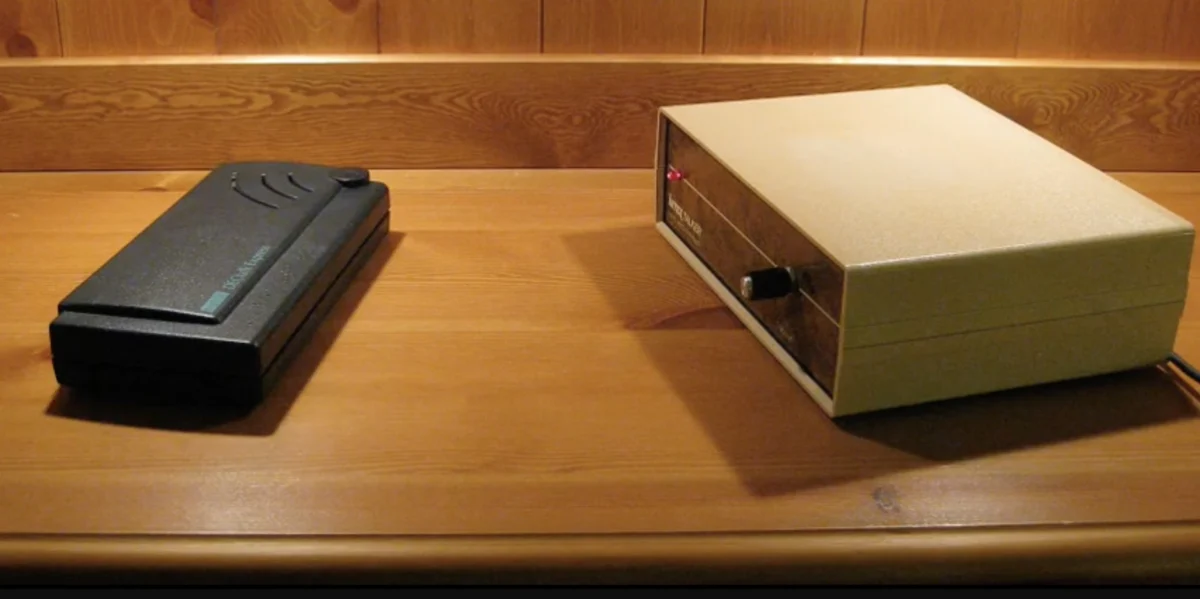
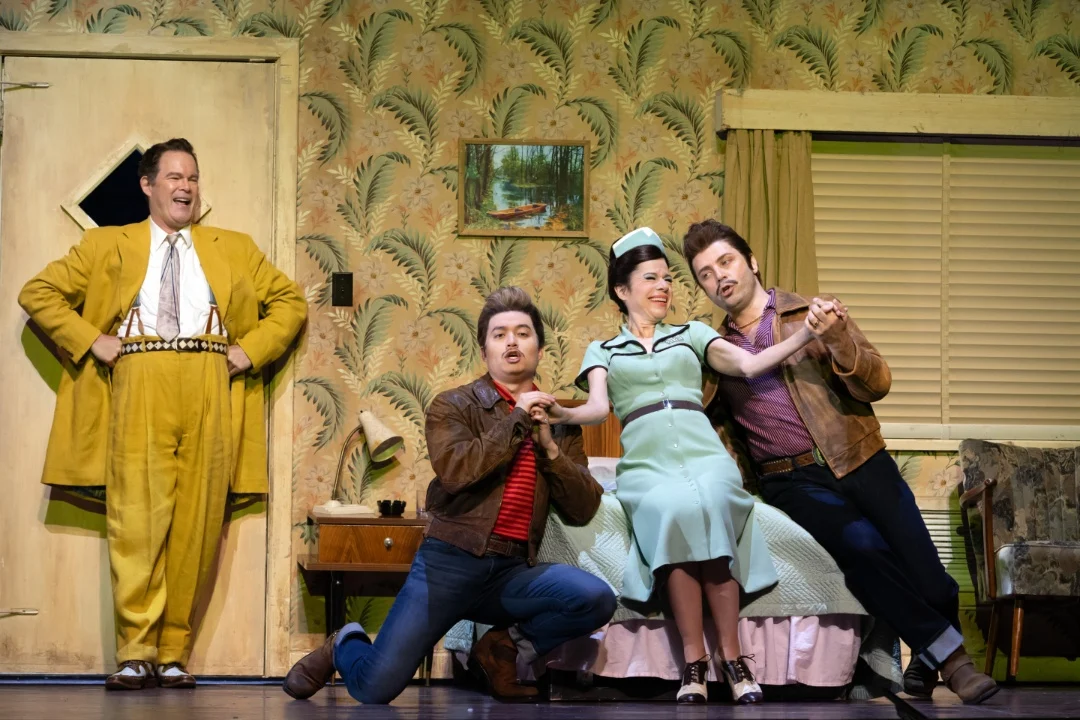
The intersection of classic British absurdist comedy and pioneering digital audio engineering has yielded an unexpected cultural artifact: a note-for-note recreation of Monty Python’s legendary Argument Sketch performed entirely by vintage hardware speech synthesizers. In this unusual digital performance, a DECtalk Express hardware unit assumes the persona originally played by Michael Palin, while an Intex Talker—utilizing the Votrax SC-01A chip—voices the antagonistic role famously inhabited by John Cleese.
Beyond its immediate comedic appeal, the project highlights a broader aesthetic shift within electronic music and sound design circles. While modern artificial intelligence and machine learning models strive for seamless, hyper-realistic human intonation, these legacy voice synthesis systems offer a distinct sonic character. They may lack the pristine intelligibility of contemporary neural text-to-speech generators, but they possess a mechanical warmth and idiosyncratic cadence that modern practitioners increasingly seek to emulate.
The Technological Roots of Retro Voice Synthesis
To understand the cultural resonance of devices like the DECtalk and the Votrax, one must examine the foundational research that made electronic speech possible. The lineage of the DECtalk traces back to the Massachusetts Institute of Technology (MIT) and the MITalk project, where researcher Dennis Klatt played a pivotal role. Klatt developed the formant synthesis models that underpinned the DECtalk architecture, introducing the world to synthesized personas such as "Perfect Paul."
For generations of citizens across the United States, this specific synthetic voice became part of the daily auditory landscape. Perfect Paul served as the automated voice of the National Oceanic and Atmospheric Administration (NOAA) Weather Radio network, delivering forecasts with a rhythmic, computational monotone that remains instantly recognizable to anyone who tuned in during the late 20th century.
Concurrently, another titan of early voice technology was taking shape in the industrial heartland of Detroit, Michigan. The Votrax corporation—originating remarkably as the vocal division of Federal Screw Works—commercialized phonetic synthesis technology based on the pioneering work of inventor Richard T. Gagnon. Rather than relying on pre-recorded human samples, Votrax hardware constructed phonemes dynamically through electronic circuits.
This technology found its way into a diverse array of commercial products throughout the 1970s and 1980s. Votrax chips provided speech capabilities for early arcade cabinets, Gottlieb System 80 pinball machines, specialized computer terminals, the Commodore VIC-30 home computer, and even the Kurzweil Reading Machine for the Blind, a monumental breakthrough in accessibility technology. Although the original corporate entities behind these hardware marvels have long since dissolved, their legacies endure through digital preservation archives and enthusiast communities dedicated to hardware restoration.
The Evolution of Speech as a Musical Instrument
A critical aspect of early voice synthesis—and one that separates it starkly from contemporary automated systems—is its inherent musicality. Early speech synthesizers were not merely passive text-reading utilities; they were instruments that required physical manipulation, timing, and expressive control from their operators.
Historians and linguistic anthropologists have long theorized that human speech evolved in tandem with, or perhaps directly out of, musical communication. Cross-cultural examples, such as the complex percussion-based communication systems found across the African continent, demonstrate an ancient linkage between tonal rhythm and linguistic meaning.
This philosophy of expressive speech performance found its mid-20th-century technological expression in devices like the Homer Dudley-designed Voder (Voice Operation Demonstrator), unveiled by Bell Telephone Laboratories at the 1939 New York World’s Fair. Operated via a complex console of foot pedals and wrist-mounted keys, the Voder required specialized virtuosity to articulate words. Trained operators could bend pitch, adjust resonance, and infuse emotional inflection into the synthetic output, proving that synthesized speech could be inherently artistic.
As audio software development advanced, contemporary plugin developers sought to capture this tactile workflow. Notable among these efforts is Chipspeech by Plogue, a virtual instrument designed to emulate vintage voice synthesis chips. By translating the algorithmic behaviors of legacy hardware into a playable software format, Chipspeech allows modern producers to interact with historical voice models using standard MIDI controllers.
Artistic Exploration and Live Performance
The transition of vintage speech models from utilitarian industrial tools to expressive musical instruments has inspired avant-garde compositions and live performances. Sound designers and electronic musicians have utilized software emulations to bridge the gap between computer science and performance art.
In one illustrative project, a developer utilized a pre-release iteration of the Chipspeech software to compose a musical track using text derived from Claude Shannon’s seminal 1948 publication, A Mathematical Theory of Communication—the foundational text of information theory.
The production workflow mirrored the physical demands of historical devices like the Voder. Every syllable and phonetic transition was manually keyed in real time via a MIDI keyboard. Performance nuances, such as vibrato and pitch modulation, were actively controlled using hardware modulation wheels. This methodology culminated in a live public performance at Panke in Berlin, Germany, where the entirety of the musical composition was generated live using vintage speech software parameters.
Industry Implications and the Future of Synthetic Audio
As artificial intelligence continues to dominate the discourse surrounding synthetic media, the fascination with retro speech synthesis offers a valuable perspective on technological progress. Modern neural networks prioritize transparency, seeking to erase the boundary between human and machine voices.
Conversely, the enduring appeal of hardware systems like the DECtalk and the Votrax highlights the artistic value of technological limitation. When a machine struggles to pronounce a complex consonant or renders a human phrase with mechanical stiffness, it introduces an aesthetic friction that listeners find compelling.
Audio engineers and historians argue that preserving the operational history of these early devices is essential for maintaining a comprehensive understanding of human-computer interaction. Whether deployed in comedic sketches, experimental electronic music, or interactive art installations, vintage speech synthesizers demonstrate that technology from the dawn of the digital age still holds the power to surprise, entertain, and inspire modern creators.