 Johan Budi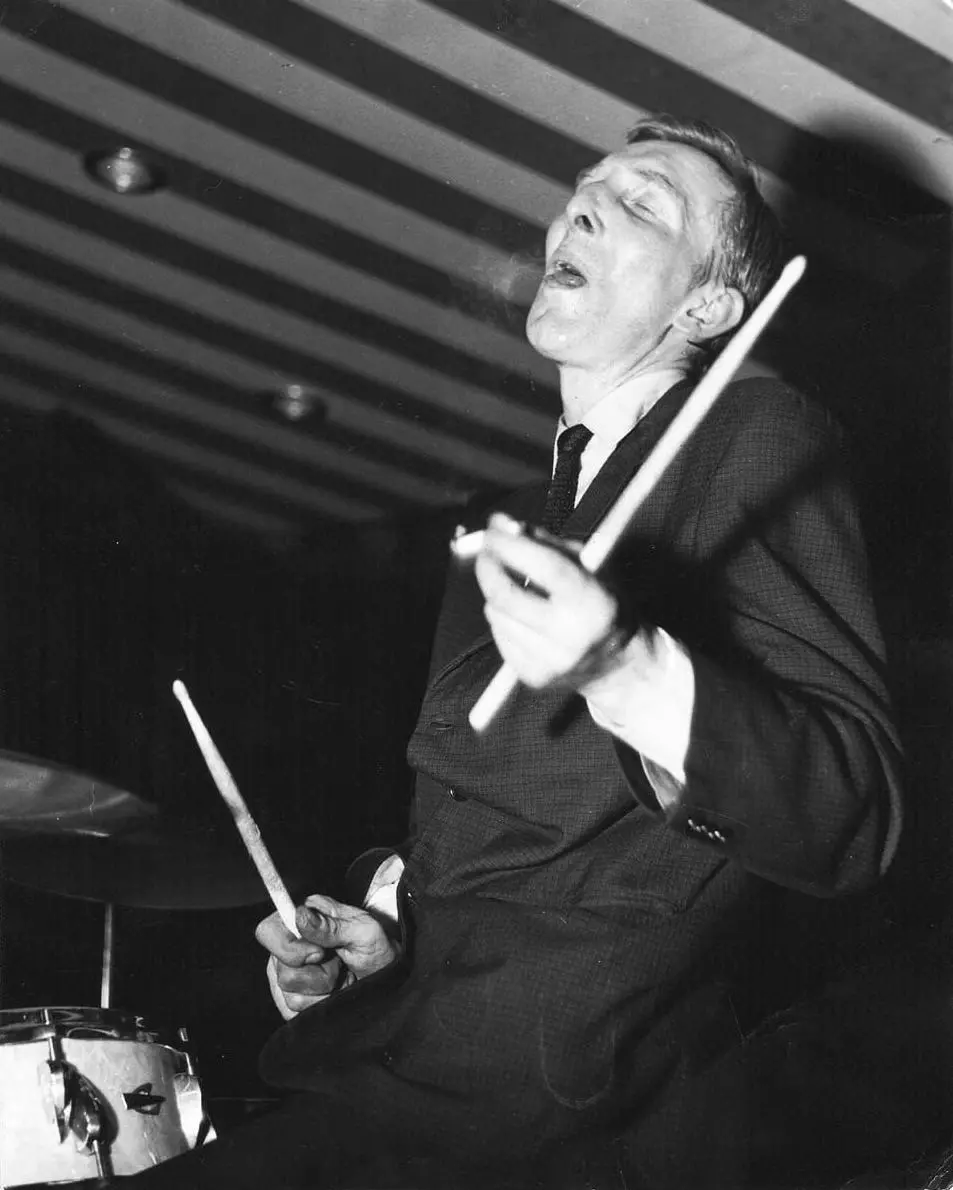
The global jazz landscape is currently witnessing a significant period of diversification, characterized by a dual focus on innovative contemporary compositions and the preservation of historical legacies. From the intricate bass explorations of veteran leaders to the experimental fusion of Middle Eastern traditions with Western modal systems, the upcoming and recent releases from major and independent labels indicate a robust period of creative output. This surge in activity reflects broader industry trends, including the increasing viability of international collaborations and the continued relevance of physical media such as vinyl alongside high-performing streaming debuts.
Contemporary Mastery and the Evolution of the Jazz Trio
The traditional jazz trio format continues to serve as a primary vehicle for innovation, as evidenced by several high-profile releases. Harvie S, a bassist whose career spans decades of influential performances, has announced his 21st recording as a leader, titled Bright Dawn. Released through Origin Records (82947), the session is described by industry analysts as a reaffirmation of the bass’s role as both a foundational and lyrical voice. Harvie S’s approach on this recording emphasizes the "deep roots" of the instrument, exploring a range that balances grounded rhythmic support with adventurous melodic excursions.
In a parallel development of international significance, Storyville Records has scheduled the release of Between Then and Now for June 19. This project features the North Meets West Trio, led by the acclaimed American pianist Christian Sands. Sands is joined by Danish bassist Thomas Fonnesbæk and Swedish drummer Rasmus Kihlberg. This collaboration is particularly noteworthy for its attempt to bridge the gap between the rhythmic assertiveness of the American jazz tradition and the atmospheric, often minimalist sensibilities associated with Nordic jazz. Industry observers note that such cross-continental partnerships are becoming increasingly common as digital connectivity allows for easier coordination between artists based in disparate geographic hubs.
Further expanding the trio format’s reach is the debut of the Norwegian ensemble Supereon. Their first album, Phase 1, released on Losen Records, features Alexander Hoholm, Martin Gjerde, and Raymond Lavik. Formed in August 2024, the group represents the latest generation of the Scandinavian scene, focusing on collective soundscapes and rhythmic interplay rather than traditional soloist-led structures.
Synthesis of Global Traditions and Experimental Textures
The integration of non-Western musical systems into the jazz idiom remains a fertile ground for exploration. Pianist and educator Fabio Sartori has released Maqam through the Dodicilune label. The project, recorded live in a studio setting with an audience, explicitly draws from the Middle Eastern Maqam tradition. By incorporating modal systems from Arabic, Turkish, Persian, and North African music, Sartori—alongside Marco Colonna and Cristiano Calcagnile—seeks to establish a shared language between these ancient structures and modern Western improvisation.
Similarly, the Suncuts collective has released Heliophobic Dream via Unit Records. This project moves away from traditional melodicism toward a more visceral, aggressive soundscape. The album utilizes explosive saxophone passages and electronic textures to explore the dual nature of solar energy as both a life-giving and destructive force. This "cathartic" approach to jazz reflects a growing trend in the European experimental scene, where genre boundaries between jazz, industrial, and avant-garde music are increasingly blurred.
In the realm of large-ensemble works, Satoko Fujii’s After The Storm stands as a significant philosophical statement. Performed by Orchestra Kobe and released on Libra Records, the album was conceived during the COVID-19 pandemic. Fujii’s compositions reflect a transition from the "disappointment" of post-pandemic global conflicts to a resilient sense of optimism. This record is being positioned as a "hymn to human potential," utilizing the expansive palette of a big band to convey messages of community and hope.
Historical Reissues and the Investigation of Jazz Authorship
The jazz industry continues to derive significant value from its historical archives, both through the reissue of classic LPs and the release of previously unheard performances. Pan Am Records has reissued Horace Silver’s 1956 album Silver’s Blue. This recording is historically significant as it marked Silver’s final session for the Epic label before his long-term move to Blue Note. The album features iconic sidemen Donald Byrd and Hank Mobley, serving as a document of the hard-bop era’s peak. The reissue highlights the importance of Silver’s creative control, a precursor to the artistic autonomy he would later enjoy under Alfred Lion at Blue Note.
The legacy of British jazz is also being celebrated through SWP Records’ release of The Late Great Phil Seamen Vol. 2. Seamen, who died in 1972, remains a legendary figure among percussionists, cited as a primary influence by rock icons like Ginger Baker and jazz masters like Kenny Clarke. This second volume of highlights aims to preserve Seamen’s "unique talent" for a new generation of listeners, reinforcing his status as a "percussion genius" in the mid-20th-century scene.
Intellectual curiosity regarding jazz history has also inspired new creative works. Guitarist Libor Šmoldas’s project, Sorry, Miles!, tackles the long-debated questions of authorship within the Miles Davis catalog. To mark the centenary of Davis’s birth, Šmoldas and his quartet revisit standards such as "Solar," "Donna Lee," and "Tune Up"—tunes frequently credited to Davis but often attributed to other musicians like Chuck Wayne or Fats Navarro. Released on Bivak Records, the album uses these disputes as a creative springboard, blending new arrangements with original compositions inspired by Davis’s visual art.
The Intersection of Folk, Soul, and Contemporary Narrative
Modern jazz continues to absorb influences from folk and soul, creating highly evocative, narrative-driven music. Shadowlands, a trio featuring French saxophonist Robin Fincker, British pianist Kit Downes, and Irish singer Lauren Kinsella, has released Two Minds on BMC Records. The album represents a twenty-year journey of collaboration, merging traditional Irish song with European jazz improvisation. By utilizing contemporary poetry alongside folk melodies, the group establishes a shared language that transcends their diverse cultural backgrounds.
In Scotland, trumpeter Colin Steele continues his exploration of regional identity with Stramash II. Released on Gadgemo Records, the album features a ten-piece ensemble that fuses the "melodic soul" of Scottish folk with sophisticated jazz harmony. Steele’s work is frequently described as cinematic, using large-ensemble textures to create evocative soundscapes that are rooted in a specific sense of place.
The UK’s "new thing" is represented by the Solomon Gundy Band’s debut, Hancestry. Led by veteran trumpeter Sean Corby, the album serves as a bridge between the 1980s Jazz Warriors pioneers and the contemporary London scene. Featuring guest appearances by Courtney Pine and Sultan Stevenson, the project blends soul-jazz and Afro-diasporic rhythms. Mixed by Ashley Slater of Loose Tubes fame, the album is a statement of resilience, reflecting Corby’s personal and professional emergence after decades in the industry.
Digital Trends and Atmospheric Jazz
The impact of digital streaming platforms on jazz consumption is highlighted by the career trajectory of Shane Sato. The L.A.-based multi-instrumentalist’s sophomore album, Wavelength, follows a debut that garnered over a million streams. Released on Mixto Records, Wavelength fuses lofi jazz, indie R&B, and neo-soul. This "warm, fluid soundscape" is indicative of a broader trend where jazz elements are integrated into "chill-hop" and atmospheric playlists, reaching audiences far beyond the traditional jazz club demographic.
In contrast to the high-energy output of larger bands, the duo of Skúli Sverrisson and Bill Frisell offers a study in intimacy. Their Newvelle release, For All Your Flowers, captures a dialogue between the Icelandic bassist and the iconic American guitarist. This recording is part of a growing movement toward "chamber jazz," where the focus is on subtle textures and the deep rapport between two master improvisers.
Social Consciousness and Multi-Disciplinary Projects
Music’s role in addressing complex social and health issues is exemplified by Midt i en Fremtid (In The Middle Of A Future), a collaboration between The Black Nothing and Anders Filipsen. Released on Ilkmusic, the 10-piece electro-acoustic ensemble uses music and text to explore the emotional decline associated with Alzheimer’s disease. The project utilizes graphic scores and free improvisation to mirror the "gradual decline, silence, and repetition" experienced by those affected by the condition, demonstrating the genre’s capacity for profound empathy and social commentary.
Finally, the release of And Then We Kiss… by British singer-pianist Anthony Strong illustrates the enduring appeal of the Great American Songbook. By pairing his quartet with a full string orchestra—arranged by Callum Au—Strong returns to the lush, orchestral traditions of mid-century vocal jazz. This project, while traditional in its repertoire, utilizes modern production standards to celebrate the timeless language of jazz standards.
Industry Implications and Future Outlook
The sheer variety of these releases suggests a jazz market that is increasingly fragmented but creatively vibrant. The presence of established labels like ECM—represented by Ayumi Tanaka’s Windflower, produced by Manfred Eicher—alongside independent releases like SongAh Chae’s All Day Long, indicates a healthy ecosystem where different tiers of production can coexist.
As 2025 and 2026 approach, the industry appears focused on leveraging global identities and historical narratives to maintain relevance. Whether through the investigation of authorship disputes, the fusion of folk traditions, or the use of music as a tool for medical empathy, jazz continues to expand its boundaries. The data from streaming platforms suggests a growing appetite for atmospheric and crossover styles, while the steady flow of archival reissues confirms that the "classic" jazz era remains the foundation upon which these new innovations are built. This multifaceted growth ensures that the genre remains a vital, evolving force in the global cultural landscape.