Mia Khoirunisa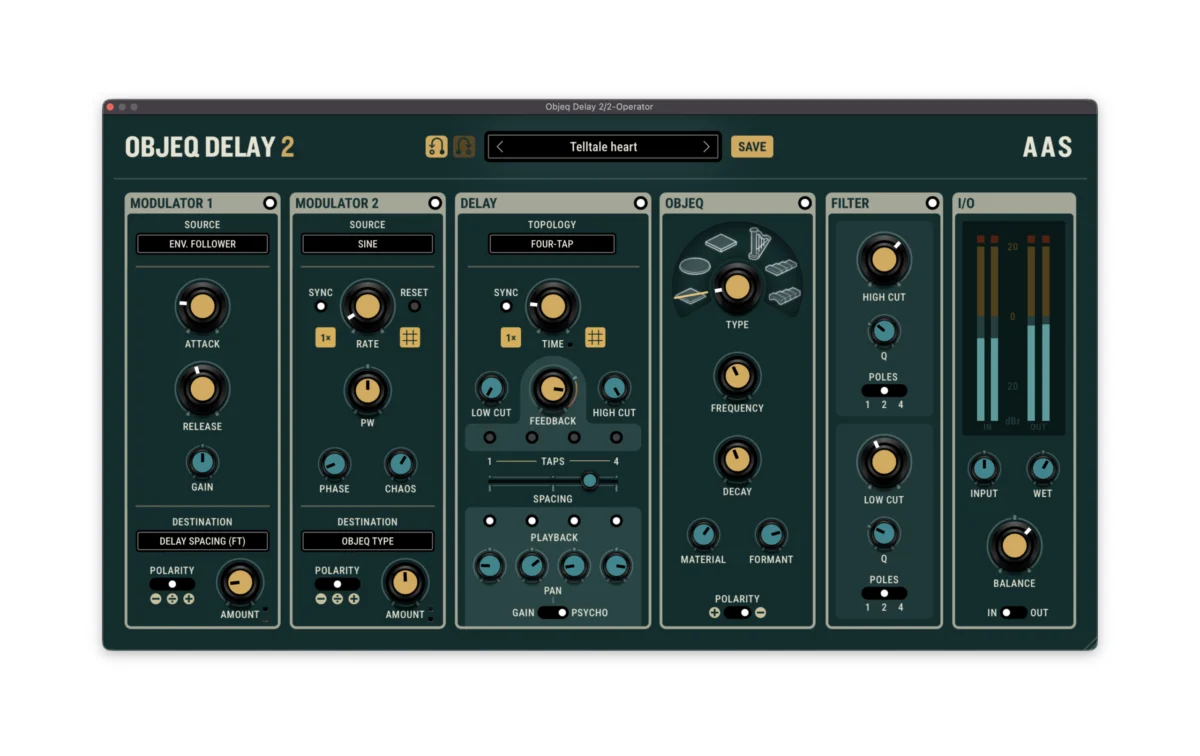
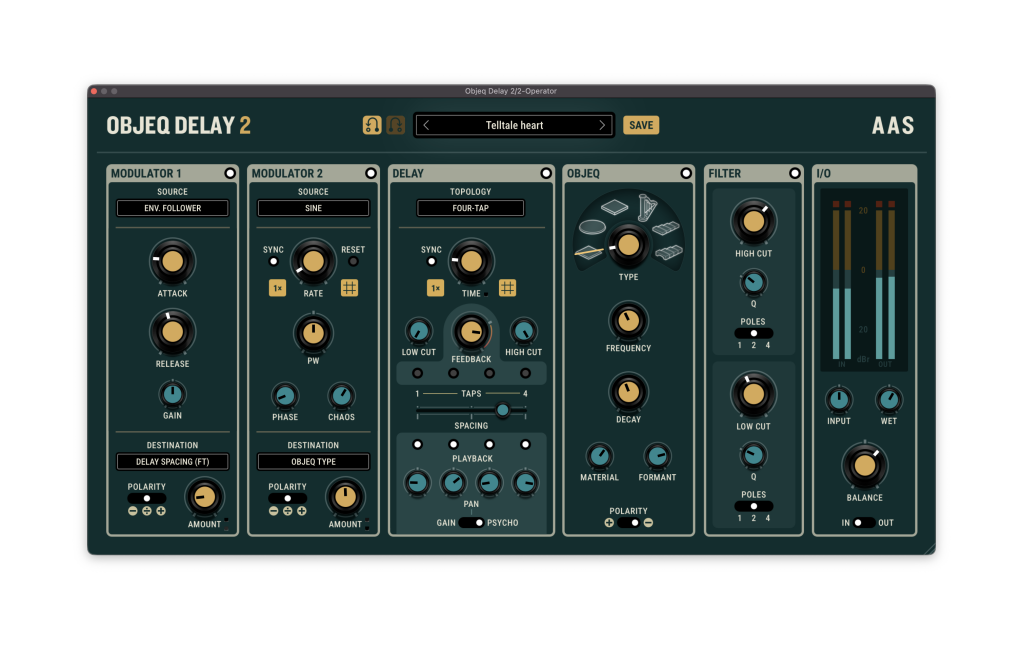
Applied Acoustic Systems (AAS), a long-standing innovator in physical modeling synthesis, has released Objeq Delay 2, a significant update to its popular multi-effect plugin. This new iteration promises a comprehensive reimagining of its core resonator engine, expanded delay capabilities, and a refined user interface, positioning it as a potent tool for sound designers and music producers across various digital audio workstations (DAWs). The release marks a substantial advancement from its predecessor, Objeq Delay version 1, offering enhanced sonic flexibility and a more integrated user experience.
The Evolution of Physical Modeling: AAS’s Legacy
AAS has been at the forefront of physical modeling synthesis for years, with its foundational technologies first showcased in the early Tassman software and later integrated into flagship instruments like Chromaphone, String Studio, and the modular Multiphonics CV-3. Physical modeling, a complex discipline that simulates the acoustic properties of real-world objects to generate sound, is characterized by its intricate interplay of science and artistry. The creation of convincing and versatile resonant models requires meticulous attention to detail, allowing for the simulation of a vast array of timbres, from vibrating strings and percussive bars to complex mechanical structures.
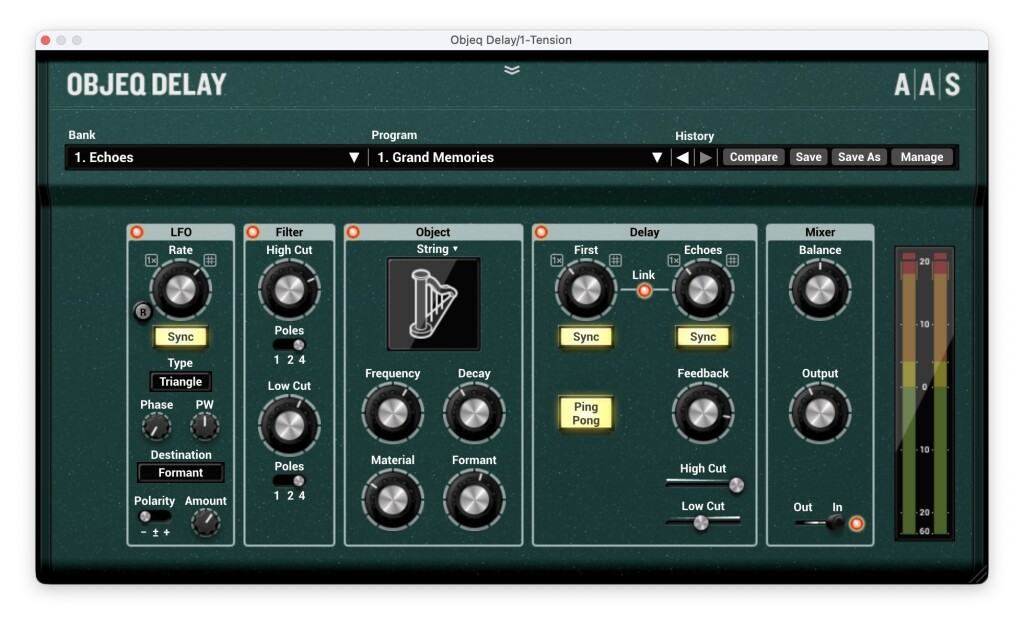
Many Ableton Live users will be familiar with AAS’s contributions through their inclusion in Ableton’s suite of instruments, such as Corpus, Collision, Analog, and Tension. These widely adopted effects leverage AAS’s proprietary resonator models, often in conjunction with filters and modulation, to produce unique sonic textures. While these Ableton-integrated models offer significant creative potential, they are typically bound to the Ableton Live environment and utilize earlier iterations of AAS’s underlying DSP (Digital Signal Processing) engines. Objeq Delay 2, by contrast, aims to democratize access to these advanced resonator models, making them available as a standalone effect compatible with any VST, AU, or AAX-supporting host application.
Objeq Delay 2: Core Innovations and Enhanced Functionality
The primary appeal of Objeq Delay 2 lies in its sophisticated physical modeling resonator, which forms the core of AAS’s renowned instruments. This engine allows users to sculpt a diverse range of resonant soundscapes, mimicking the acoustic behavior of materials like strings, marimba bars, beams, drumheads, rigid plates, and rectangular membranes. The underlying technology involves a fundamental low-pass filter operating at a resonant frequency, complemented by sixteen band-pass filters that emulate higher resonant modes. This complex filtering architecture is key to generating the rich and dynamic timbres characteristic of physical modeling.
Version 2 introduces a substantial leap forward by implementing a completely rewritten DSP framework, mirroring the advancements seen in the latest version of Multiphonics CV-3. This under-the-hood overhaul not only enhances the fidelity and performance of the resonance modeling but also unlocks new sonic possibilities. A significant new feature is the ability to fluidly morph between different resonator types. This dynamic morphing capability allows for seamless transitions between disparate acoustic models, opening up a vast landscape of evolving textures and timbral transformations that were not possible with the static models of version 1.
Expanded Delay and Modulation Capabilities
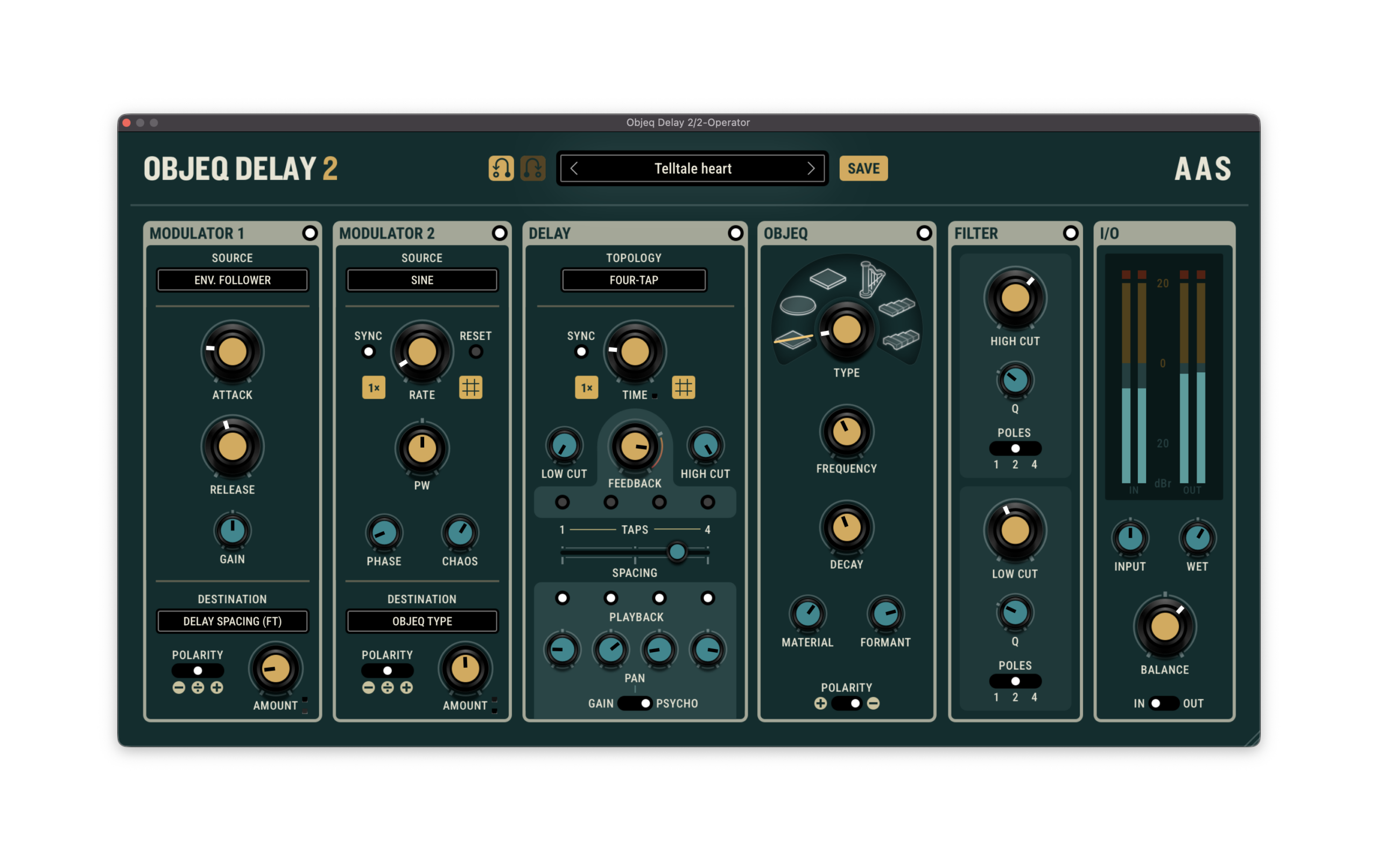
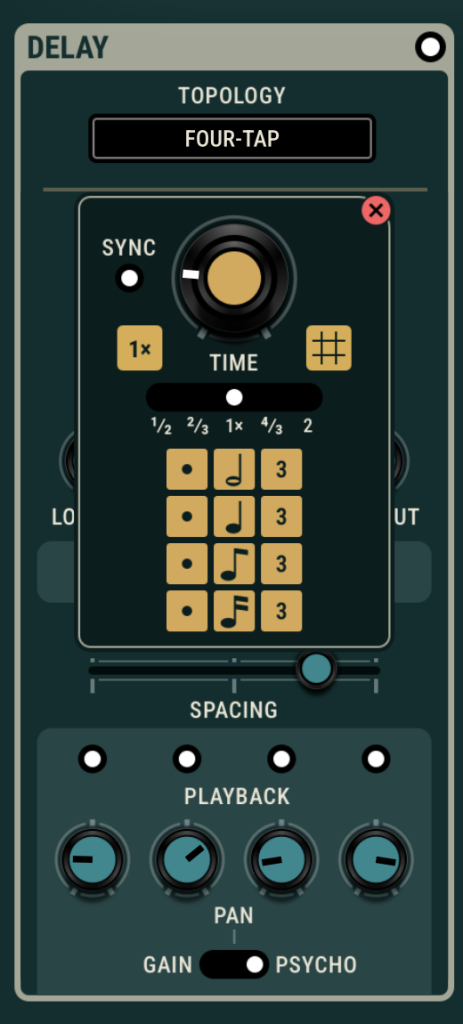
Beyond its core resonator, Objeq Delay 2 significantly expands its delay section, a key area of improvement from its predecessor. Version 1 featured a functional echo module with feedback and basic filter controls, but it was often perceived as secondary to the more innovative resonator. Objeq Delay 2 elevates the delay to a much more sophisticated level with a new four-tap delay. This advanced delay unit offers granular control over each tap, akin to a sophisticated tape delay, allowing for intricate rhythmic patterns and complex spatial effects.
A notable addition to the delay section is the "PSYCHO" mode, which creates immersive stereo effects through psychoacoustic processing. This mode is designed to enhance the perceived width and depth of the audio signal, adding a new dimension to the spatial characteristics of the delay. The term "PSYCHO" itself suggests an exploration of the listener’s perception of sound, aiming for an almost holographic stereo image.
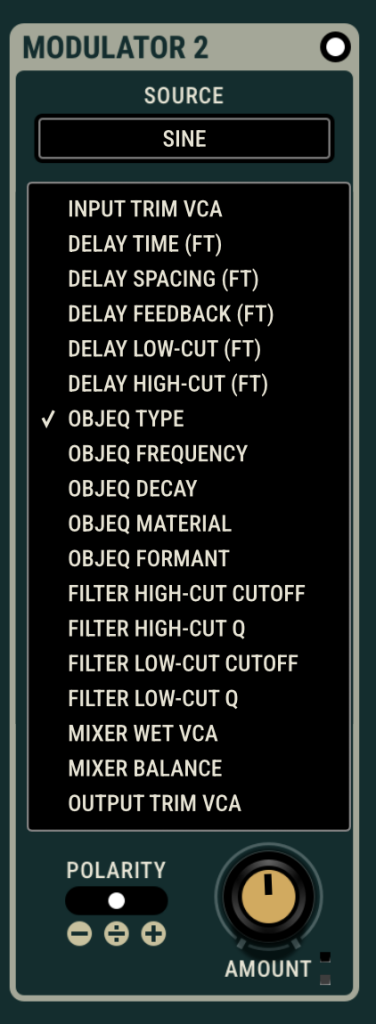
The modulation matrix has also been substantially enhanced, offering an extensive array of destinations for creative control. Users can now route modulation sources to an "absurd number" of parameters, including the crucial morphing of resonator models. This deep integration of modulation allows for highly dynamic and evolving sounds, where the very character of the resonance can be sculpted in real-time.
New Modulation Sources and Interface Enhancements
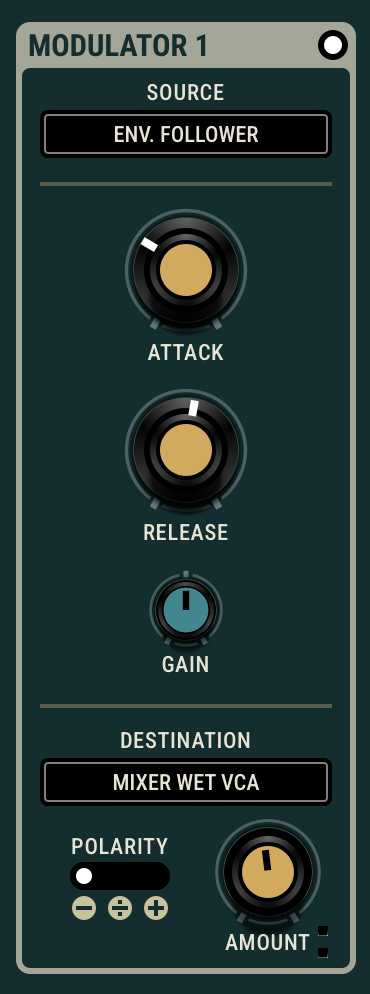
Objeq Delay 2 introduces powerful new modulation sources, including RMS and envelope followers. The envelope follower, in particular, is highlighted as a significant asset, enabling sounds to react dynamically to the incoming audio signal. For instance, a drum loop could drive the filter cutoff or the delay feedback, creating a tightly integrated rhythmic and timbral interplay. The RMS (Root Mean Square) follower provides a measure of the signal’s average amplitude over time, offering a different flavor of dynamic control.
The user interface has undergone a complete redesign, aiming for both aesthetic appeal and improved usability. The new interface is cleaner, more intuitive, and makes discovering and accessing the plugin’s extensive features more straightforward. This visual overhaul not only enhances the user experience but also better reflects the expanded functionality of version 2. The ability to select or deselect individual modules, combined with flexible modulation routing presets, contributes to the plugin’s remarkable versatility.
Comparative Analysis: Objeq Delay 2 vs. Multiphonics CV-3 and Ableton Corpus
While Objeq Delay 2 can technically be replicated within AAS’s modular environment, Multiphonics CV-3, the distinction lies in the user experience and specific feature sets. Multiphonics CV-3, a powerful modular synth, offers unparalleled flexibility for users who prefer to build their signal chains from the ground up. However, assembling the complex resonator and delay combinations found in Objeq Delay 2 within Multiphonics requires significant patching and setup. The advantage of Objeq Delay 2 is its immediate accessibility; all its components are pre-integrated and readily controllable through a dedicated interface. The review notes that while patching in Multiphonics offers granular control, the convenience of Objeq Delay 2’s pop-up interface and pre-configured modules is a significant benefit for many users.
Compared to Ableton’s Corpus, Objeq Delay 2 emerges as a more comprehensive and standalone solution. Corpus, while built on AAS technology, is integrated within Ableton Live and offers a more focused set of resonator and filter effects. Objeq Delay 2, with its expanded delay capabilities, morphing resonators, and cross-platform compatibility, presents a more robust and versatile alternative, capable of easily surpassing Corpus in terms of creative scope and independent functionality.
Areas for Potential Improvement
Despite the extensive enhancements, the review does point out a couple of areas where AAS could further refine its offerings. The pitch follower, present in both Objeq Delay 2 and Multiphonics CV-3, is noted as lacking crucial controls such as sensitivity and timing adjustments. Without these parameters, the pitch follower can be unpredictable and challenging to use effectively as a modulation source, potentially leading to "wonky" results. The ability to fine-tune its behavior would significantly enhance its utility. Additionally, while the module selection and routing are flexible, the inability to reorder modules by dragging and dropping within the signal chain is a minor inconvenience for users who prefer to customize their signal flow precisely.
A Compelling Upgrade and Standalone Effect
Objeq Delay 2 represents a significant evolution from its predecessor. Version 1, while offering valuable resonator effects, felt somewhat like a collection of resonant filters with tacked-on echo functionality. Version 2, however, presents itself as a fully realized stereo delay and acoustic resonator effect. The integration of its advanced DSP, the fluid morphing between resonator types, the sophisticated four-tap delay with psychoacoustic processing, and the extensive modulation capabilities make it a powerful and cohesive creative tool.
The plugin’s extensive documentation and the inclusion of well-designed presets further enhance its usability, providing both a starting point for exploration and a learning resource for understanding its intricate workings. The ability to independently select and combine modules, coupled with the deep modulation matrix, offers a high degree of flexibility, allowing users to craft unique and dynamic soundscapes.
Competitive Landscape and Related Technologies
In the realm of resonant and delay effects, Objeq Delay 2 occupies a unique niche. While other plugins might offer delays or filters, few combine sophisticated physical modeling resonance with advanced delay processing in such an accessible package. The review briefly mentions Rhizomatic Synestia, developed by Brian Clevinger (creator of Absynth), as another plugin utilizing modeled resonators and delays. However, Synestia focuses more on sympathetic resonance and polyphonic tuning, offering a different sonic paradigm, more akin to the internal resonances of a piano, as opposed to AAS’s typically more percussive and object-oriented modeling. This comparison highlights the distinct approaches to physical modeling and suggests that the user bases for these two plugins are likely to be quite different, with a shared interest in resonance modeling among their respective users.
Release and Promotional Offers
Applied Acoustic Systems has announced introductory pricing for Objeq Delay 2, with a special sale running until April 27th. This promotional period offers a significant discount on the plugin, making it an opportune moment for existing users of version 1 to upgrade and for new users to acquire this advanced effect. Upgrade paths for existing Objeq Delay 1 users are also available at a substantial discount.
Conclusion
Objeq Delay 2 stands as a testament to Applied Acoustic Systems’ continued innovation in physical modeling synthesis. It successfully transforms the core resonator technology, previously the secret ingredient in their acclaimed instruments, into a versatile and powerful standalone effect. The comprehensive overhaul of its DSP, the introduction of morphing resonator types, the sophisticated four-tap delay, and the expanded modulation capabilities combine to create an effect that is both sonically rich and remarkably flexible. For producers seeking to inject organic, dynamic, and complex resonant textures into their music, Objeq Delay 2 is an indispensable upgrade and a compelling new addition to any audio production toolkit. The plugin’s accessible interface, coupled with its deep feature set, ensures that it will be a valuable asset for both seasoned sound designers and those new to the world of physical modeling.