Nayara Elvina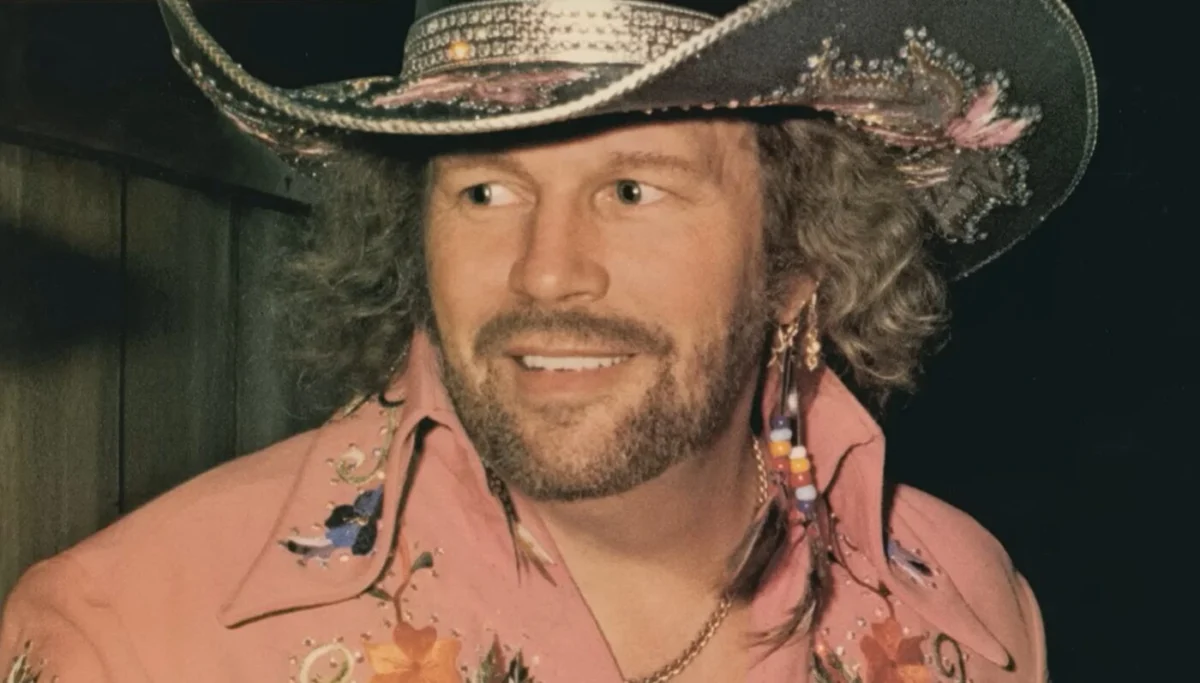
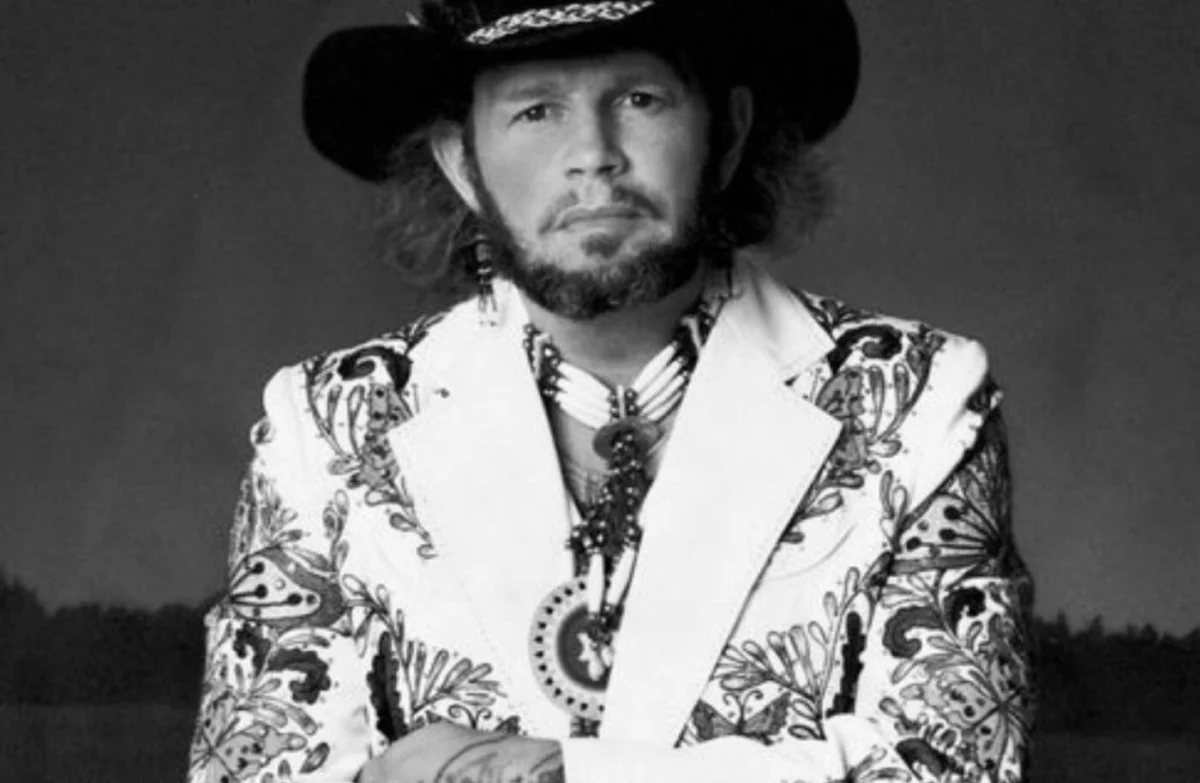
The country music community is mourning the loss of one of its most polarizing and influential figures, David Allan Coe, who passed away at the age of 86 while receiving treatment in an intensive care unit. Coe, a cornerstone of the "Outlaw Country" movement that redefined the genre in the 1970s, leaves behind a massive catalog of music that bridged the gap between traditional honky-tonk, gritty blues, and modern narrative storytelling. His death marks the end of an era for a specific brand of musical rebellion that challenged the polished "Nashville Sound" and prioritized raw, often uncomfortable, authenticity.
Born in Akron, Ohio, Coe’s path to musical stardom was anything but conventional. His early life was defined by a cycle of institutionalization that began at the age of nine when he was sent to reform school. He spent much of his youth and early adulthood moving through various correctional facilities, a period of his life that would later provide the lyrical foundation for his most poignant works. It was during his final stint in prison that Coe honed his craft as a songwriter, using the medium to document the isolation and hardship of life behind bars. Upon his release in 1967, he relocated to Nashville, Tennessee, with the singular goal of breaking into the music industry.
Coe’s arrival in Nashville has become the stuff of legend. Lacking the financial resources for traditional housing, he lived in a hearse, which he famously parked outside the Ryman Auditorium. At the time, the Ryman was the home of the Grand Ole Opry, and Coe would perform for audiences as they entered and exited the venue. This unorthodox method of self-promotion eventually caught the attention of an employee at an independent label, leading to his first recording contract with Shelby Singleton’s Plantation Records. His early albums, including Penitentiary Blues (1970) and Requiem for a Harlequin (1973), leaned heavily into a blues-inspired sound, reflecting his tumultuous past and sets the stage for his transition into the country music mainstream.
The Architect of the Outlaw Movement
While the 1970s country scene was dominated by figures like Waylon Jennings, Willie Nelson, and Kris Kristofferson, Coe occupied a unique and often combative space within the Outlaw movement. He was known for his fierce independence and a tendency to clash with his peers. Despite being categorized alongside Jennings and Nelson, Coe frequently criticized them in the press, occasionally labeling them "sell-outs" for their commercial success. However, the respect within the community remained palpable. Waylon Jennings once famously remarked of Coe, "He could drive me crazy, but there was something about David that pulled at my heartstrings."
Coe’s contribution to the genre was not merely as a performer but as a prolific songwriter. His ability to craft narratives that resonated with the working class and the counterculture alike solidified his status. He was the pen behind Johnny Paycheck’s massive hit "Take This Job and Shove It," an anthem of blue-collar frustration that became a cultural phenomenon. Perhaps most notably, Coe was the first to record "Tennessee Whiskey," a song written by Dean Dillon and Linda Hargrove. While Coe’s original 1981 version saw modest chart success, the song would later become a career-defining hit for George Jones and, decades later, a global sensation for Chris Stapleton. Under Stapleton’s rendition, the song achieved double-diamond status, becoming only the third song in history to sell 20 million units—a testament to the enduring quality of the material Coe first brought to the public.
A Chronology of Chart Success and Cultural Impact
Throughout his multi-decade career, Coe navigated the changing tides of the music industry, moving from the fringe of the Nashville establishment to the top of the charts. His discography serves as a timeline of the evolution of country music, from the stripped-down arrangements of the 70s to the more produced sounds of the mid-80s.
-
"You Never Even Called Me By My Name" (1975): Often cited as the "perfect country song," this track remains Coe’s most enduring legacy. Written by Steve Goodman and an uncredited John Prine, the song peaked at #8 on the charts. Its humorous inclusion of every country music trope—including trucks, trains, prison, and getting drunk—made it a staple of the genre. In the digital age, it remains his most-streamed track on Spotify, with over 129 million listens.
-
"Longhaired Redneck" (1976): Following the success of his signature hit, Coe released this anthem which directly addressed the cultural divide of the era. The song served as a protest against the commercialization of the Outlaw movement and the corporate "suits" who profited from it. It peaked at #17 and cemented his image as a man who walked the line between the hippie movement and traditional Southern culture.
-
"Willie, Waylon and Me" (1976): This track reached #25 and served as a manifesto for the Outlaw era. Despite the personal friction between Coe and his contemporaries, the song celebrated the collective impact they had on the industry.
-
"The Ride" (1983): Entering the 1980s, Coe found renewed success with this haunting narrative about a hitchhiker who encounters the ghost of Hank Williams Sr. The song peaked at #4 and is widely regarded as one of the greatest storytelling songs in country music history. It currently holds over 115 million streams on Spotify.
-
"Mona Lisa Lost Her Smile" (1984): This track represents the commercial peak of Coe’s career as a performer. It reached #2 on the U.S. Billboard Hot Country Singles chart and hit #1 on the Canadian RPM Country Tracks chart. The song showcased a more melodic, polished side of Coe that appealed to a broader audience.
-
"She Used to Love Me a Lot" (1985): Originally an unreleased Johnny Cash track, Coe’s version became his final Top 20 hit, peaking at #11. The song’s success proved that Coe could still command the airwaves even as the genre began to shift toward the "New Traditionalist" movement.
-
"Need a Little Time Off for Bad Behavior" (1987): As one of his final major radio singles, this track peaked at #34. It served as a fitting bookend to his commercial career, leaning into the "bad boy" persona that he had cultivated since his arrival in Nashville.
Digital Resurgence and Modern Relevance
In the 21st century, David Allan Coe experienced an unexpected revival through social media platforms like TikTok. This digital "second act" introduced his music to a generation born long after his chart-topping years. Two songs, in particular, saw a massive spike in popularity due to viral trends.
"If This Is Just a Game," a track that originally stalled at #45 in 1978, became a trending sensation on TikTok with over 44,000 unique video uses. This surge in interest pushed the song to the top of his trending lists on Apple Music and Spotify, where it has amassed over 36 million streams. Similarly, the 1981 deep cut "D-R-U-N-K" went viral in 2025, resulting in over 18,700 video uses and 22 million Spotify streams. This phenomenon highlights the timeless nature of Coe’s songwriting and its ability to connect with listeners across generational divides.
Industry Implications and Legacy
The passing of David Allan Coe leaves a significant void in the country music landscape. Analysts suggest that his death will likely trigger a surge in catalog sales and streaming numbers, as fans revisit his extensive body of work. Furthermore, his life story—marked by incarceration, homelessness, and eventual stardom—continues to serve as a blueprint for the "outsider" archetype in American music.
Coe’s legacy is defined by his refusal to conform. At a time when the Nashville establishment sought to sanitize country music for television and pop radio, Coe insisted on singing about the harsh realities of life. His influence can be seen in the careers of modern artists like Eric Church, Jamey Johnson, and Chris Stapleton, who have all cited the Outlaw movement as a primary inspiration for their own careers.
While he was often a figure of controversy, his musicality was never in doubt. He possessed a rare ability to blend disparate genres into a cohesive sound that felt uniquely American. As the industry reflects on his 86 years, the consensus remains that David Allan Coe was not just a participant in the Outlaw Country movement; in many ways, he was its most authentic representative. His journey from an Ohio reform school to the top of the country charts remains one of the most improbable and enduring stories in the history of the genre.