Mia Khoirunisa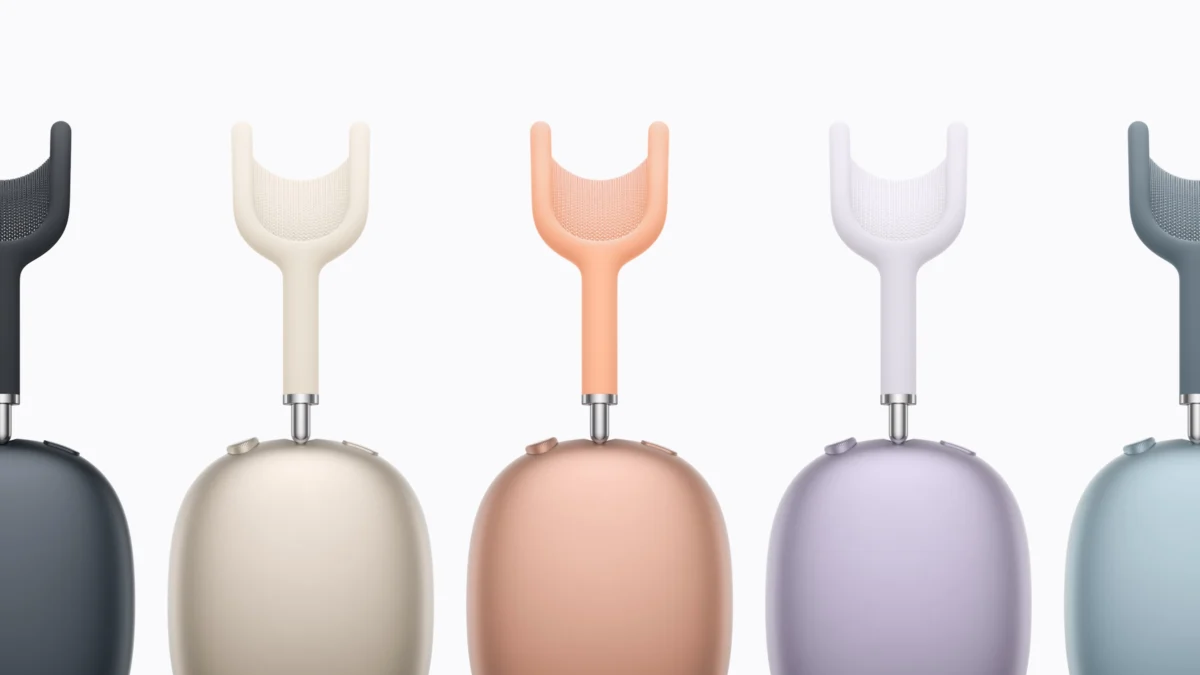
Apple has expanded its premium headphone offerings with the introduction of two USB-C models of the AirPods Max, featuring advanced Spatial Audio mixing capabilities. This development raises questions about the potential production uses for Apple’s flagship consumer headphones, moving beyond their traditional consumer-focused appeal. While the AirPods Max line has been noted for its substantial design and premium price point, comparable to established audio giants like Sennheiser, Sony, Audio-Technica, and Beyerdynamic, the integration of USB-C connectivity unlocks new functionalities for audio professionals and enthusiasts alike. The core of this new utility lies in the AirPods Max 2’s ability to facilitate Spatial Audio mixing, offering producers a direct window into how their creations will be experienced by listeners within Apple’s expansive ecosystem.
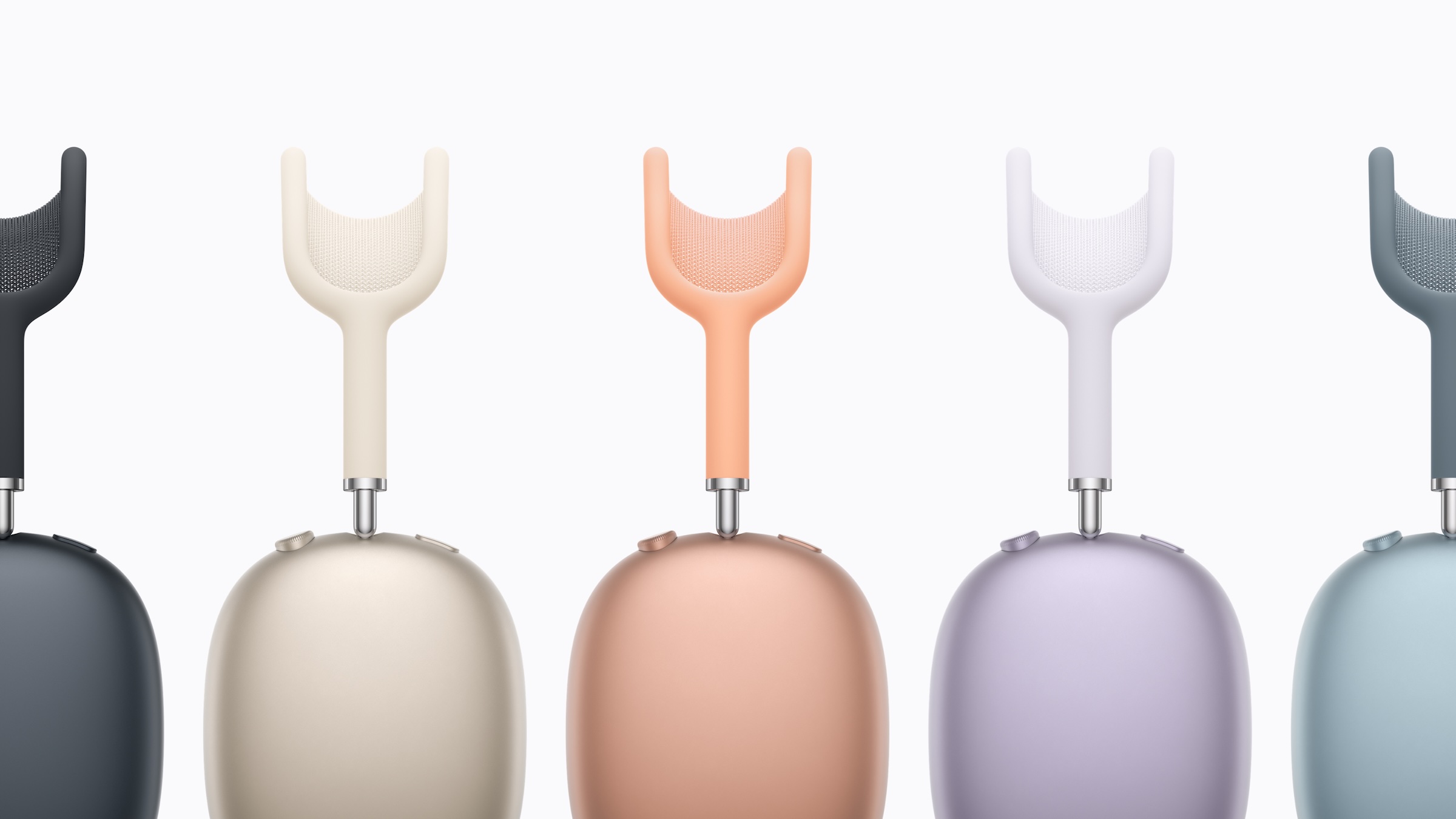
The Evolution of AirPods Max: From Consumer Luxury to Production Tool
The original AirPods Max, launched in December 2020, immediately garnered attention for their striking design, premium materials, and sophisticated active noise cancellation. However, their initial market positioning was firmly within the consumer audio space, emphasizing features like seamless Apple device integration, Transparency mode, and spatial audio playback for music and media consumption. The high price tag positioned them as a luxury item, a stark contrast to the more utilitarian and often more affordable offerings from professional audio brands.
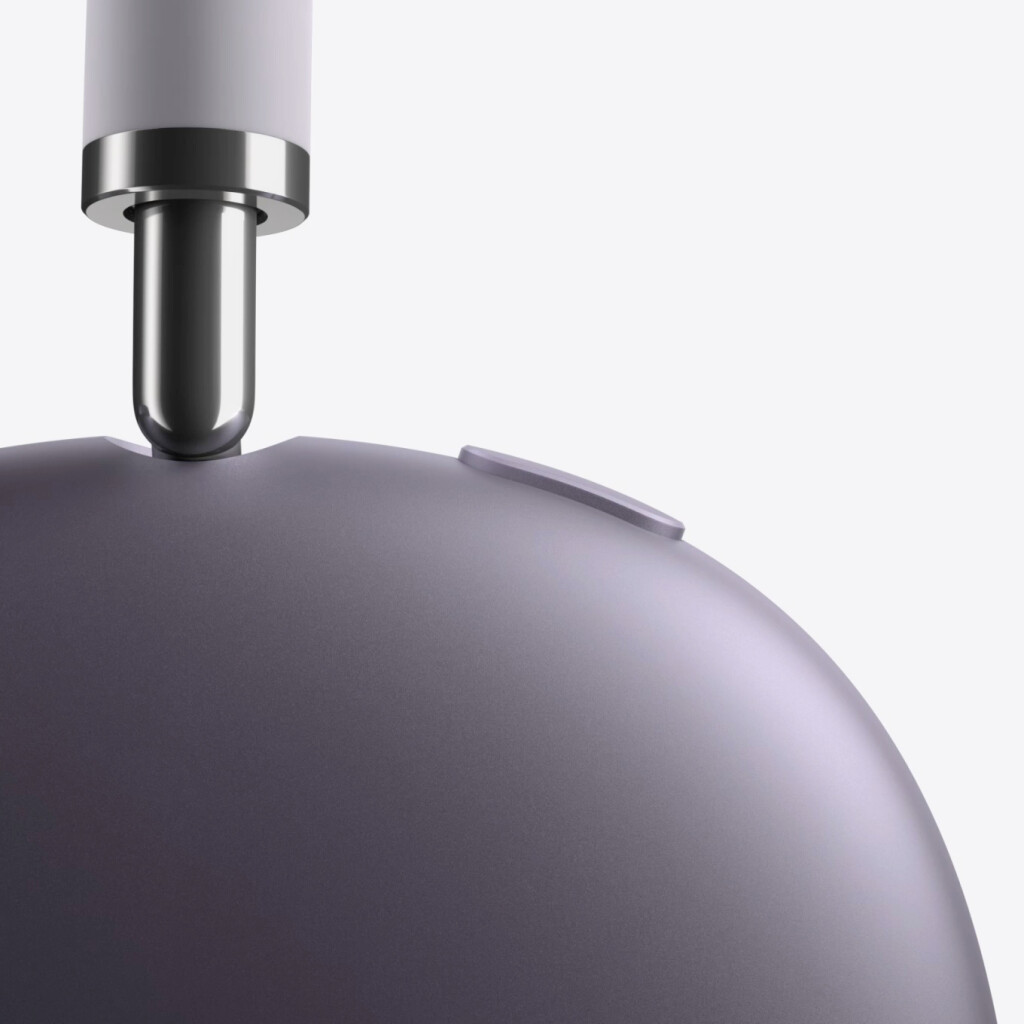
The transition to USB-C, a universal standard, marks a significant shift. This move, mirroring broader industry trends and Apple’s own gradual adoption of the port across its product lines, is not merely a cosmetic or convenience update. For the AirPods Max 2, the USB-C port is the conduit for enabling lossless audio and, crucially, real-time Spatial Audio mixing when paired with compatible software like Apple’s Logic Pro. This functionality transforms the AirPods Max from a passive listening device into an active tool for audio creation and refinement.
Spatial Audio: A New Frontier in Sound Production
Spatial Audio, particularly as implemented by Apple with Dolby Atmos integration, represents a significant evolution in how audio is experienced. It moves beyond traditional stereo or even surround sound by creating an immersive, three-dimensional soundscape. This technology aims to place sounds in a virtual space around the listener, mimicking how sound behaves in the real world.
The intricacies of Spatial Audio and its differentiation from standard Dolby Atmos implementations on other platforms have been a subject of considerable debate within the audio production community. Production expert reviews have often highlighted technical and policy controversies surrounding Apple’s approach. Nevertheless, Apple’s ecosystem, comprising iOS devices and Apple Music, has become a substantial platform for producers to experiment with binaural spatial sound delivery. It’s important to acknowledge that all binaural audio, by its nature, operates within the physical and perceptual limits of human hearing.
Key Advancements in Apple’s Spatial Audio Technology
Despite ongoing discussions, several aspects of Apple’s Spatial Audio implementation are noteworthy for their technical merit and potential for production:
- Advanced Head Tracking: Apple’s head tracking technology is highly sophisticated. It’s so precise that some audio engineers have reportedly used AirPods Pro solely for their tracking capabilities, even while wearing other headphones. This allows for a dynamic listening experience where the soundstage remains anchored to the device, creating a more natural and immersive sensation as the listener moves their head.
- Personalized Spatial Audio Calibration: The inclusion of ear-scanning calibration, which analyzes the unique shape of a user’s ears, is a significant step towards personalized audio. The way sound is perceived is heavily influenced by individual ear anatomy, and this feature aims to optimize the Spatial Audio effect for each listener.
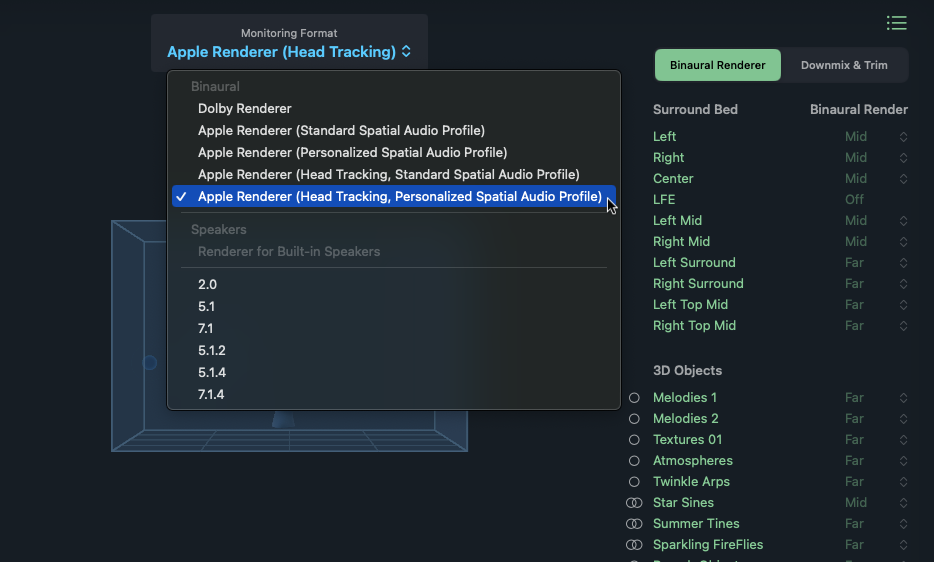
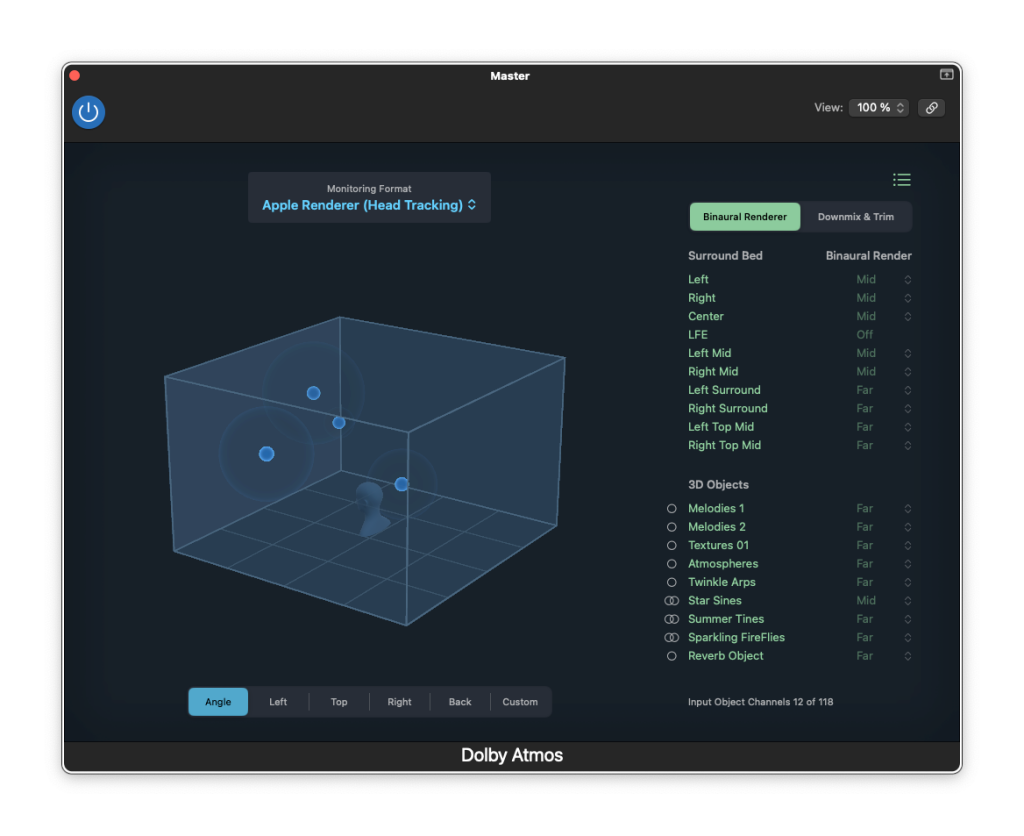
- Logic Pro Integration: Apple’s own digital audio workstation, Logic Pro, offers integrated Spatial Audio features. This includes a dedicated "Apple Renderer" which is crucial for producers aiming to optimize their mixes specifically for Apple Music’s Spatial Audio playback. While Logic Pro also supports other immersive formats and Dolby’s own renderer, the Apple Renderer provides a direct pathway for creating content tailored to the dominant binaural listening platform.
The Production Workflow Enabled by AirPods Max 2 with USB-C
The introduction of the USB-C port on the AirPods Max 2 is central to its utility in production. When connected via USB-C to a Mac or iPad, the AirPods Max function as a high-fidelity USB audio device. This connection offers several advantages:
- Lossless Audio Transmission: The USB-C connection bypasses the bandwidth limitations of Bluetooth, enabling the transmission of lossless audio. This is critical for accurate monitoring and mixing, ensuring that producers are hearing the audio signal with the highest possible fidelity.
- Near-Zero Latency Monitoring: The USB audio connection provides extremely low latency, making it suitable for real-time performance with software synthesizers and instruments on an iPad or Mac. This responsiveness is essential for musicians and producers who rely on immediate feedback from their instruments.
- Spatial Audio Mixing in Logic Pro: This is the most significant production-oriented feature. By using the AirPods Max 2 with USB-C, producers can engage with Logic Pro’s Spatial Audio mixing tools in real-time. This allows them to:
- Monitor Spatial Effects Directly: Producers can hear how their Spatial Audio mixes translate through the headphones that a significant portion of the target audience will use. This "mixing for the listener’s device" approach is invaluable for ensuring that the intended spatial experience is achieved.
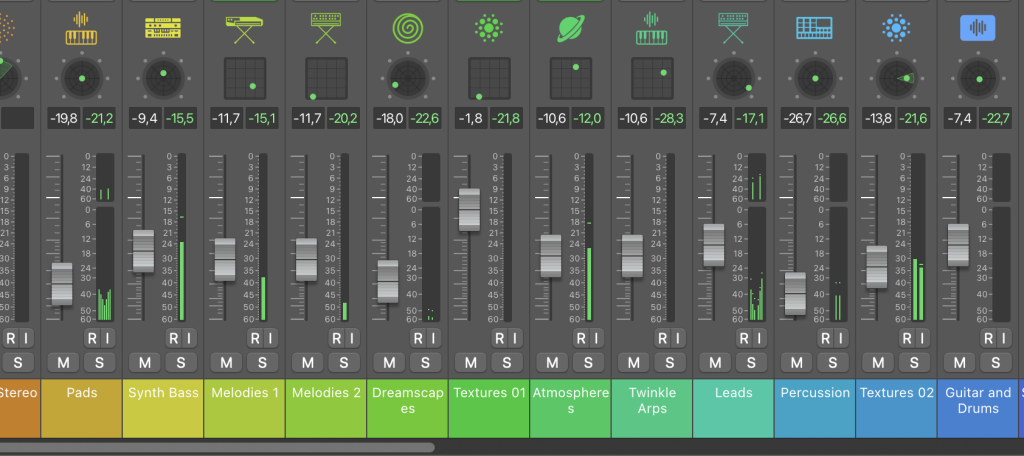
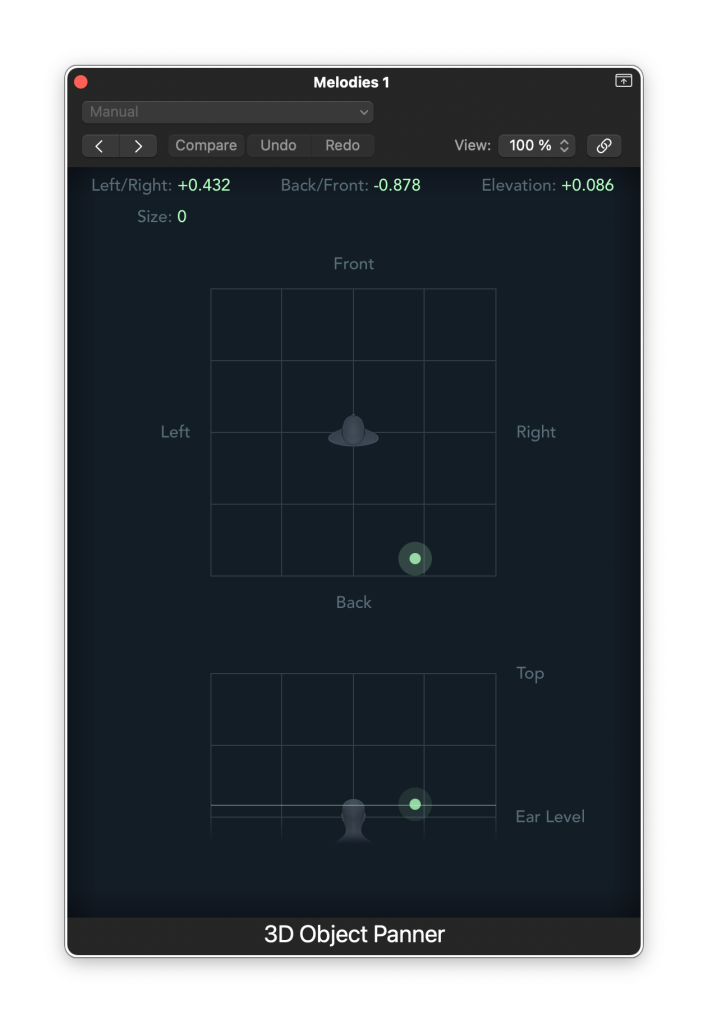
- Utilize Logic Pro’s Spatial Audio Panners: Logic Pro offers advanced panners that allow for precise placement of audio objects in a 3D space. These tools, such as the "3D Object Panner," provide visual feedback for positioning sounds dynamically, and the ability to monitor this directly through the AirPods Max 2 makes the creative process more intuitive and satisfying.
- Experiment with Personalized Audio: By using the "Personalized" Spatial Audio variations within Logic Pro, producers can hear how their mixes adapt to individual ear profiles, offering another layer of refinement.
Addressing Production Workflow Challenges and Considerations
While the AirPods Max 2 with USB-C offer compelling new possibilities for audio production, there are practical considerations and limitations to acknowledge:
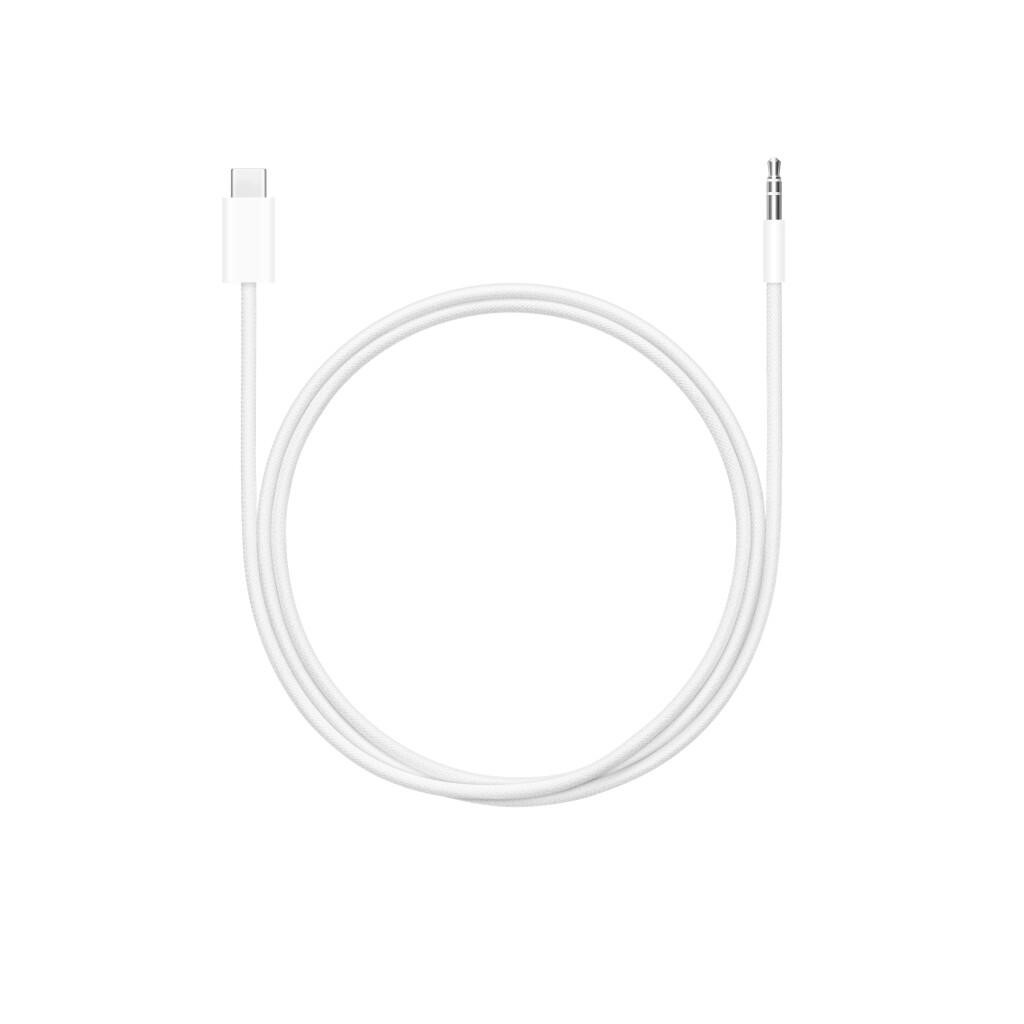
- No Analog Minijack: A notable omission, carried over from the first generation, is the lack of a standard 3.5mm analog audio jack. While a USB-C to 3.5mm adapter cable is available, it means that analog connections, common in professional audio setups, are not natively supported.
- Telephony Feature Interference: Users have reported occasional issues where telephony features can interfere with Digital Audio Workstation (DAW) and streaming software (like OBS) regarding sample rate identification. This is a software-level issue that Apple may address in future driver updates.
- Not a Replacement for Immersive Studio Monitoring: It is crucial to emphasize that the AirPods Max 2, while capable, are not a substitute for a properly calibrated multi-speaker immersive studio environment. For critical mixing decisions, especially for complex Dolby Atmos productions intended for cinema or high-end home theater systems, dedicated studio monitoring remains indispensable. The binaural representation through headphones is a specialized delivery method with inherent perceptual limitations.
- Proprietary Ecosystem Focus: The AirPods Max and Logic Pro Spatial Audio workflow represent a proprietary pipeline within Apple’s ecosystem. While effective, this may not be ideal for producers working across a wider range of platforms or adhering to open-source audio standards. The exploration of open formats and other immersive environments remains vital for broader compatibility and accessibility.
The Value Proposition for Producers and Educators
The AirPods Max 2, and even its predecessor with USB-C, present a unique value proposition for specific segments of the audio production community:
- Niche Producers and Experimenters: For producers interested in creating content specifically for Apple Music’s Spatial Audio platform or exploring binaural compositions, the AirPods Max 2 offer a cost-effective and integrated solution. It allows for direct monitoring of their work on the devices most likely to be used by their target audience.
- Educational Institutions: For music schools and educational programs focusing on modern audio production techniques, a pair or two of AirPods Max with USB-C could serve as a valuable educational tool. They provide hands-on experience with Spatial Audio mixing within a widely adopted platform, fostering understanding of binaural rendering and immersive audio concepts.
- Mobile and On-the-Go Production: The active noise cancellation and robust design of the AirPods Max make them suitable for production work in less-than-ideal environments, such as during travel. While studio headphones might be preferred in quiet settings, the AirPods Max can offer a viable alternative for maintaining productivity on the move.
AirPods Max 2 vs. First-Generation USB-C Models
The introduction of the AirPods Max 2 with USB-C brings with it the latest advancements from Apple’s silicon development, most notably the H2 chip. This chip is responsible for enhanced audio processing, including:
- Improved Active Noise Cancellation: The H2 chip significantly boosts the effectiveness of ANC, offering a quieter listening environment for more focused work.
- Adaptive Transparency: This feature dynamically adjusts the level of ambient sound allowed through, providing a more natural interaction with the surrounding environment when needed.
- Enhanced Audio Quality: While the first-generation AirPods Max already offered excellent sound, the H2 chip is designed to further refine audio playback, potentially leading to more nuanced detail in mixes.
- Extended Battery Life: The H2 chip’s power efficiency can contribute to longer listening sessions, which is a significant benefit for production tasks.
However, the core functionality of USB-C connectivity for lossless audio and Spatial Audio mixing remains consistent across both the first-generation USB-C AirPods Max and the newer AirPods Max 2. For producers whose primary need is Spatial Audio mixing within the Apple ecosystem, the earlier USB-C models, especially if available refurbished at a lower price point, could still represent a sound investment. The physical design and core features remain identical, making the decision primarily about the incremental benefits of the H2 chip versus cost savings.
The Broader Landscape of Immersive Audio
The conversation around Spatial Audio and immersive sound is multifaceted. While Apple’s proprietary approach has driven significant adoption, the industry continues to explore and develop various immersive audio formats and technologies. Dolby Atmos, DTS:X, and emerging open-source standards all contribute to a rapidly evolving landscape. The AirPods Max 2, in their role as a production tool, offer a specific entry point into this broader field, primarily focused on the Apple ecosystem’s binaural delivery method.
Producers are encouraged to explore these different formats and understand their respective strengths and applications. The choice of monitoring equipment and software is crucial, and a comprehensive understanding of how different technologies interact is essential for creating compelling immersive audio experiences.
Conclusion: A Niche, Yet Significant, Production Tool
In conclusion, the USB-C AirPods Max 2, while retaining their identity as premium consumer headphones, have carved out a specific and valuable niche in the realm of audio production. Their ability to facilitate live Spatial Audio mixing with Logic Pro, combined with the convenience of USB-C for lossless, low-latency audio, makes them a compelling option for producers focused on Apple’s ecosystem. While they are not a complete replacement for traditional professional studio monitoring setups, they offer an accessible and integrated way to prepare and refine audio for the growing number of listeners experiencing music and media through Spatial Audio. For those already invested in the Apple ecosystem or looking to experiment with binaural sound, the AirPods Max 2 represent a significant step forward, bridging the gap between consumer technology and professional audio workflows. The continued evolution of immersive audio suggests that devices like the AirPods Max will play an increasingly important role in how sound is created and consumed.