Johan Budi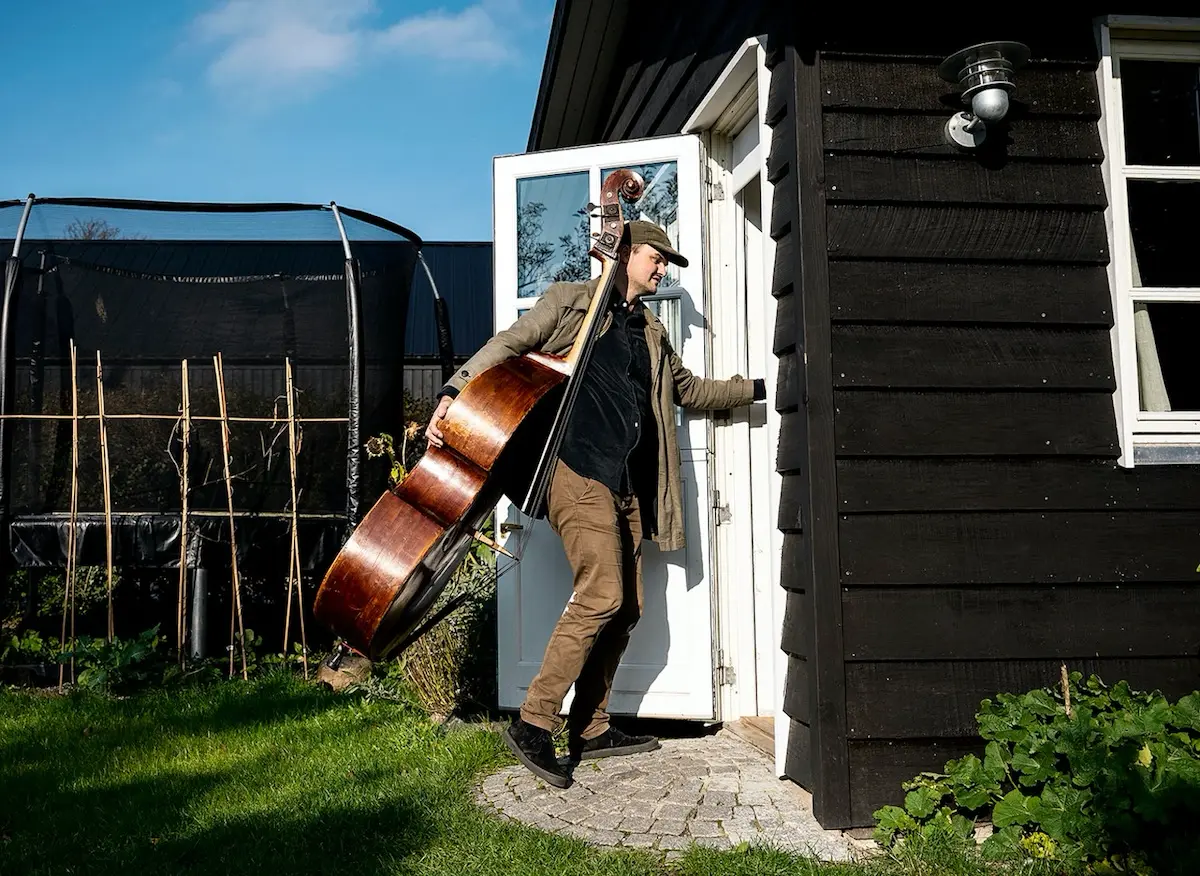
The global jazz landscape in the mid-2020s continues to demonstrate a remarkable capacity for both historical reverence and avant-garde experimentation, as evidenced by a series of high-profile releases from established masters and emerging collectives. From the Nordic reinterpretations of bebop icons to the Americana-infused string arrangements of the Pacific Northwest, the current recording cycle reflects a genre that is increasingly comfortable blurring the lines between tradition, social activism, and cross-border collaboration. This report examines four pivotal new works that define the current state of the medium: Richard Andersson’s Monk-centric quartet, Bill Frisell’s expansive Blue Note ensemble, the environmentally conscious sounds of Montreal’s Bellbird, and the virtuoso acoustic dialogues of Omar Ríos Meléndez and Alex Wilson.
Richard Andersson and the Enduring Legacy of Thelonious Monk
Thelonious Monk, the high priest of bebop whose compositions fundamentally altered the harmonic language of the 20th century, remains a primary source of inspiration for contemporary European practitioners. Bassist Richard Andersson, a central figure in the Nordic jazz ecosystem, has released a new set titled Monk & More, which serves as both a tribute and a technical expansion of the Monkian aesthetic. Leading a virtuoso quartet, Andersson navigates a repertoire that includes five seminal Monk tunes alongside works by Lennie Tristano, Lee Konitz, Ornette Coleman, and Jimmy Giuffre.
The ensemble features Berlin-based clarinettist Rudi Mahall, whose contribution is characterized by a willingness to push melodic lines into "unexpected and challenging directions." Mahall’s use of the high register provides a sharp, hustling contrast to the foundational clarity provided by Polish pianist Artur Tuznik. The quartet is rounded out by Danish drummer Kasper Tom, whose performance is noted for its flexibility and "acute sense of form," providing the necessary drive to anchor the group’s more fractured arrangements.
Chronology and Compositional Analysis
The recording, captured in Copenhagen in July 2024, follows a specific chronological logic in its presentation of jazz evolution. The set opens with a Lennie Tristano piece, establishing a "fractured" atmosphere before transitioning into Monk’s Brilliant Corners. This particular track, taken at a high velocity, showcases the technical proficiency of the quartet; Tuznik’s constant shifts in pace mirror the original composition’s notorious difficulty.
The middle of the record explores the "serpentine" qualities of Lee Konitz’s Subconscious-Lee and the playful modes of Ornette Coleman’s The Blessing. Critics and scholars note that these choices highlight the shared DNA between the cool jazz of Konitz and the angularity of Monk. The album concludes with a sequence of Monk compositions—Wee See, Ask Me Now, Trinkle Tinkle, and Pannonica—interrupted only by Jimmy Giuffre’s Four Brothers. This structure suggests a deep respect for the mid-century tradition while maintaining what observers describe as "unmistakable contemporary energy."
Bill Frisell’s Sonic Synthesis on Blue Note Records
In his fifth outing for the prestigious Blue Note label, guitarist Bill Frisell has unveiled In My Dreams, an album that serves as a masterclass in American musical synthesis. Frisell, whose career spans over four decades and includes collaborations with everyone from John Zorn to Elvis Costello, has assembled a unique septet for this project. The group is essentially a "tale of two halves": Frisell’s established trio, featuring Thomas Morgan on bass and Rudy Royston on drums, is augmented by a string trio consisting of Jenny Scheinman (violin), Eyvind Kang (viola), and Hank Roberts (cello).
Technical Innovation and Recording Process
The production of In My Dreams utilized a hybrid recording methodology. The core material was captured live during a series of performances across the United States in early 2025, including dates in Denver, New Haven, and Brooklyn. Following the live captures, the recordings were moved to a studio in Berkeley, California, where they were reworked and enhanced. This process allowed the ensemble to preserve the spontaneity of live performance while applying the "sonic craft" and precision afforded by a controlled studio environment.
The album’s repertoire is predominantly original Frisell compositions, though it includes three notable covers: Duke Ellington’s Isfahan, Stephen Foster’s Hard Times, and the traditional Home On The Range. The latter is reported to undergo a significant transformation, beginning as a gentle stroll before evolving into a "positively psychedelic" exploration.
Implications of the Frisell Aesthetic
Industry analysts suggest that Frisell’s continued success on Blue Note signifies a broader trend toward "contemplative jazz." The pace of In My Dreams is described as slow and controlled, reflecting a sound world where the mood is introspective rather than overtly celebratory. Furthermore, the inclusion of tracks like Small Hands—noted for its melancholy beauty—demonstrates Frisell’s ability to evoke complex emotional states without relying on explicit political commentary or lyrical prompts.
Bellbird: Environmental Advocacy through Improvisation
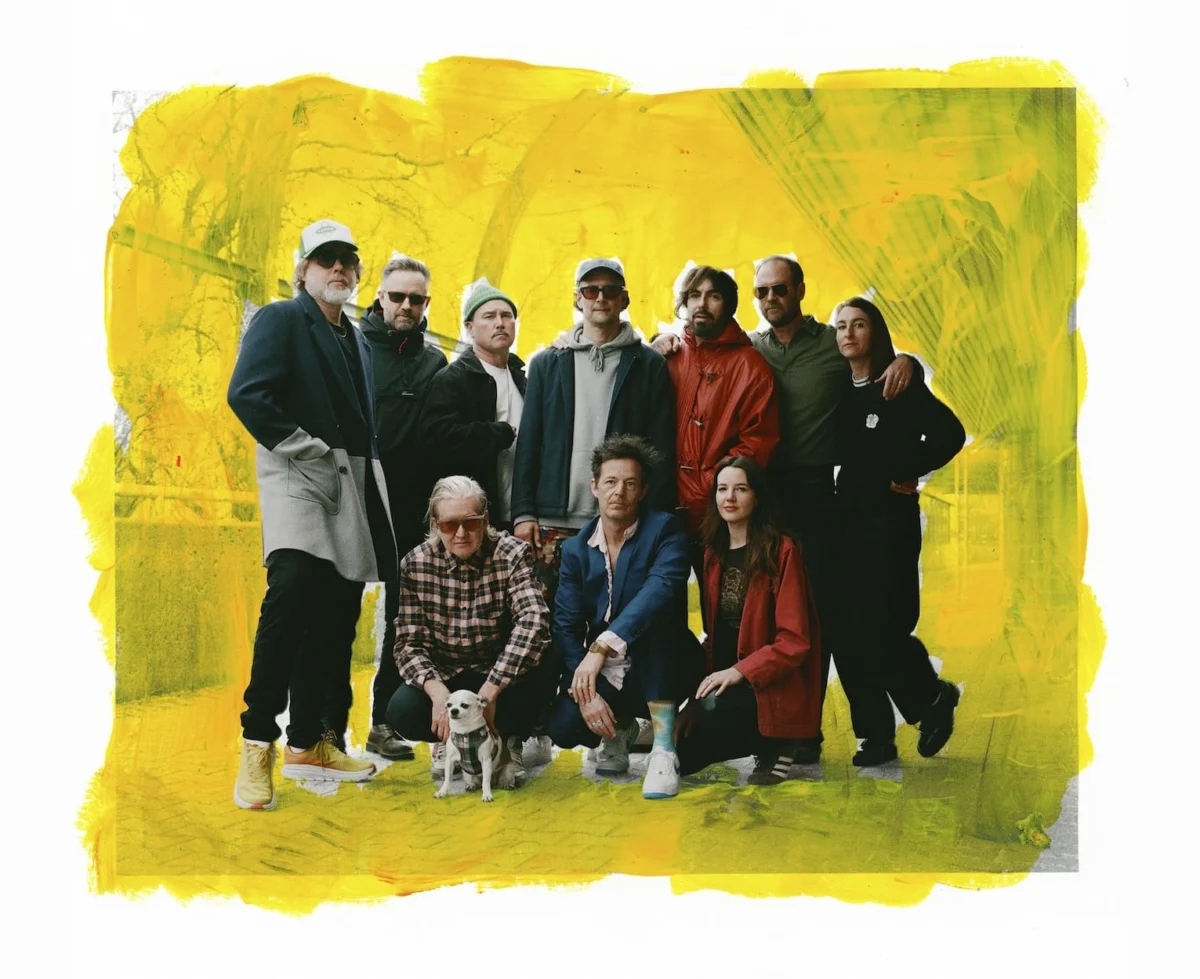
The Montreal-based collective Bellbird has released The Call, a project that integrates naturalistic sounds with muscular jazz-rock fusion. The group, consisting of Allison Burik (alto sax, bass clarinet), Claire Devlin (tenor sax), Eli Davidovici (bass), and Mili Hong (drums), formed during the isolation of the COVID-19 pandemic. Their initial meetings at Montreal’s Café Résonance led to a formal debut at the 2021 Ottawa Jazz Festival, establishing them as a rising force in the Canadian "New Music" scene.
Supporting Data: The Biological Influence
The album’s title refers to the white bellbird (Procnias albus), which holds the record for the loudest bird call ever documented, reaching levels of up to 125 decibels. This biological phenomenon is woven into the title track, serving as a metaphor for the group’s "explosive and exciting" sonic identity. The eight tracks on the album emerged from a series of improv games and workshopping sessions, a process that fostered a unique role-reversal within the quartet: the horns often provide rhythmic textures, while the bass and drums dictate the formal structure of the pieces.
Socio-Political Context
The Call is explicitly framed as a socially and politically engaged work. The music channels the urgency of the global climate crisis, while the track Blowing On Embers is dedicated to support for a free Palestine. This intersection of high-level improvisation and activism is a hallmark of the Constellation Records label, which has a long history of supporting artists who use experimental music as a platform for social commentary. The use of "ugly" sounds—multiphonics, arco bass lines, and metallic textures—serves to create a haunting, naturalistic atmosphere that reflects the "unsettling" reality of the modern era.
The Transatlantic Dialogue of Meléndez and Wilson
The final pillar of this contemporary jazz survey is the collaboration between Nicaraguan guitarist Omar Ríos Meléndez and London-based pianist Alex Wilson. Their new release, The Art Of Deep Conversation, represents the first time these two virtuosi have recorded together. The album is an acoustic set that blends the rhythmic complexity of Latin music with the harmonic sophistication of jazz and the passion of flamenco.
Artistic Empathy and Virtuosity
Recorded in Hazelton, England, the album is characterized by a "relentless drive" and a seamless flow between the two performers. Wilson, an established pianist and composer in the UK scene, provides a "tour de force" performance on the romantic standard Bésame Mucho, while Meléndez showcases his intricate pizzicato skills on the two-part Nomad Prayer.
The album’s title, The Art Of Deep Conversation, is an apt description of the duo format. In the absence of a rhythm section, the responsibility for maintaining momentum and structure falls entirely on the interaction between the piano and guitar. This "relentless empathy" is cited by critics as the defining feature of the record, proving that the duo format remains one of the most demanding and rewarding configurations in improvisational music.
Broader Impact and Industry Implications
The release of these four distinct projects highlights several key trends in the global jazz market:
- Label Diversity: The involvement of labels ranging from the legendary Blue Note to the independent Hobby Horse Records and the avant-garde Constellation Records indicates a healthy, multi-tiered ecosystem for jazz distribution.
- Geographic Fluidity: The collaborations—Danish/German/Polish (Andersson), Nicaraguan/British (Meléndez/Wilson), and the Montreal-based collective (Bellbird)—underscore the fact that jazz is no longer a US-centric medium, but a truly global language.
- Hybridization of Styles: The inclusion of country, folk, rock, and flamenco elements into these jazz records suggests that the genre is continuing to expand its boundaries, absorbing external influences to remain relevant to contemporary audiences.
- Technological Integration: The use of live-to-studio hybrid recording techniques, as seen in the Frisell project, points toward a future where the distinction between "live" and "recorded" music becomes increasingly blurred.
In conclusion, the works of Richard Andersson, Bill Frisell, Bellbird, and the Meléndez-Wilson duo collectively affirm that jazz in 2025 is a vibrant, evolving art form. By balancing a deep respect for the traditions established by figures like Monk and Ellington with a fearless approach to modern social issues and technological possibilities, these artists ensure that the "wondrous gift" of jazz continues to give to new generations of listeners.