Nana Wu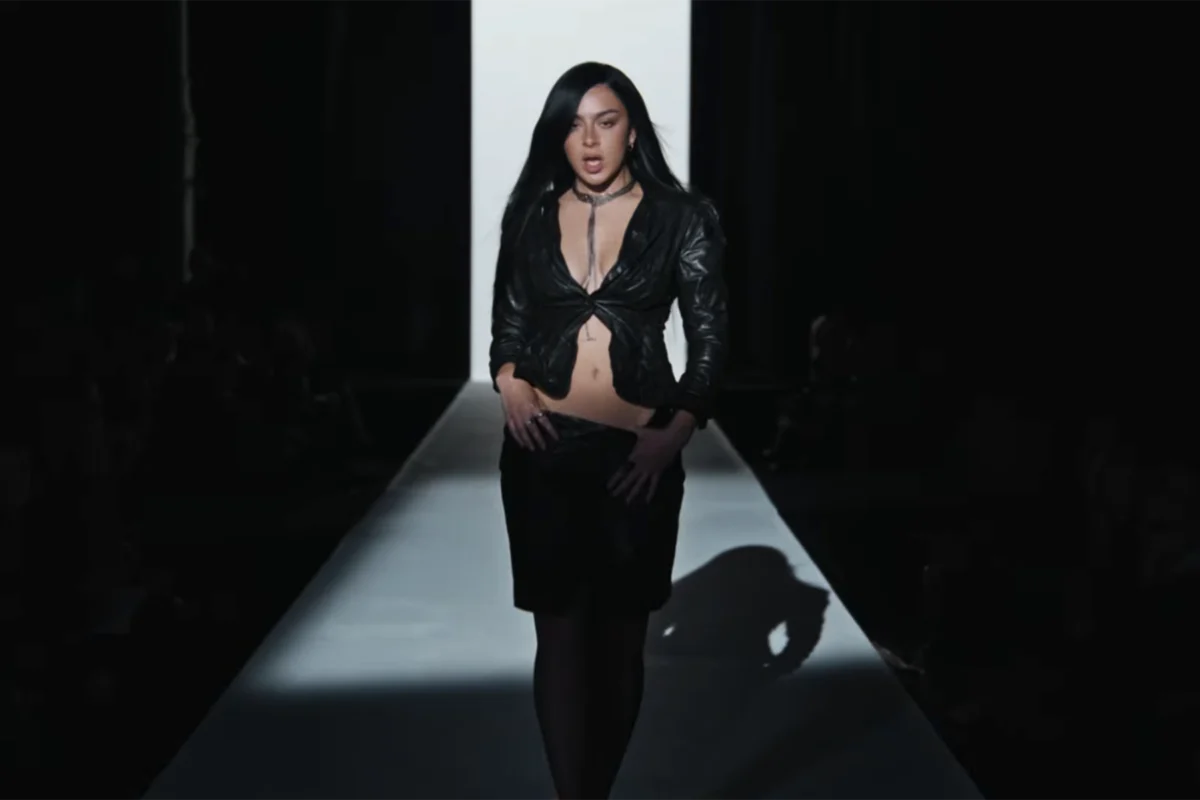
Charli XCX, the acclaimed singer-songwriter known for her genre-bending artistry, has unleashed the visually striking and lyrically poignant music video for her latest single, "SS26," which premiered on Thursday night, May 21. The release marks the second offering from her highly anticipated, yet-untitled seventh studio album, following the audacious "Rock Music." The new video, directed by Torso from a concept meticulously crafted by Charli herself, transports viewers to the iconic runways of Paris, where the artist navigates a series of high-fashion ensembles while delivering biting commentary on societal anxieties, the fleeting nature of trends, and the looming specter of a world on the brink.
A Visual and Lyrical Deep Dive into "SS26"
The "SS26" music video is a masterclass in visual storytelling, presenting Charli XCX as a captivating, almost otherworldly figure striding down a series of Parisian catwalks. Each look presented is a testament to cutting-edge haute couture, reflecting the intricate interplay between fashion, art, and identity that often defines Charli’s aesthetic. The choice of Paris, the undisputed global capital of fashion, is deliberate, imbuing the video with an immediate sense of grandeur and high stakes. The visual narrative is not merely a showcase of designer garments; it serves as a backdrop for a more profound, even unsettling, lyrical exploration.
Central to the song’s message is the refrain, "Spring Summer ’26/ When the world is gonna end, no hope for any of it/ Yeah, we’re walking on a runway that goes straight to hell/ Nothing’s gonna save us, not music, fashion, or film." This stark declaration, delivered with Charli’s signature blend of detached cool and emotional urgency, paints a dystopian picture where humanity, despite its creative and aesthetic pursuits, is hurtling towards an inescapable demise. The "runway that goes straight to hell" metaphor is particularly potent, suggesting that even in our pursuit of beauty, status, and artistic expression, we may be inadvertently endorsing a path to self-destruction. It’s a critique of superficiality, but also a lament for the potential powerlessness of art in the face of existential threats, whether they be environmental collapse, societal decay, or political turmoil. The juxtaposition of high-fashion glamour with such apocalyptic lyricism creates a compelling tension, forcing viewers to confront uncomfortable truths beneath a veneer of exquisite style.
Beyond the existential dread, Charli XCX injects her characteristic wit and satirical edge into the track. The second verse directly addresses the pervasive phenomenon of "cancel culture" and the performative apologies often seen in the digital age: "I was hacked, it got taken out of context, obviously/ But I didn’t do it, even if I did, wrote a really good notes app apology." This line, delivered with a smirk, brilliantly skewers the predictable cycle of celebrity scandal, denial, and the now-ubiquitous "Notes app apology" – a trope that has become synonymous with insincere or damage-controlling public statements. It highlights the absurdity of online discourse and the often-fragile nature of public perception, offering a knowing nod to the complexities of navigating fame in an era of constant scrutiny. This blend of profound social commentary and sharp, self-aware humor is a hallmark of Charli’s songwriting, demonstrating her ability to tackle weighty subjects with an accessible, yet intellectually stimulating, approach.
The Post-Brat Era and a Bold Musical Pivot
The release of "SS26" is framed by the immense success and critical acclaim of Charli XCX’s previous album, Brat, which dropped in 2024. Brat was widely heralded as a definitive cultural moment, solidifying her status as an avant-garde pop icon and a tastemaker for a new generation. The album not only garnered widespread critical praise, landing on numerous year-end best-of lists and achieving a Metacritic score of 91, but also enjoyed significant commercial success, debuting at number three on the Billboard 200 and spawning several viral hits. Its raw, unapologetic exploration of identity, desire, and the female experience resonated deeply with audiences, cementing her "buzzy comeback" as more of a triumphant declaration. The momentum generated by Brat set a high bar for her subsequent releases, making every new single a keenly observed event.
It was against this backdrop of renewed mainstream prominence that Charli XCX made a provocative statement with "Rock Music," the lead single from her upcoming seventh studio album, released just two weeks prior to "SS26." "Rock Music" explicitly declared a dramatic shift in her sonic landscape, with the artist proclaiming, "I think the dance floor is dead/ So now we’re making rock music." This bold pronouncement sent ripples throughout the music industry and her devoted fanbase. For an artist largely synonymous with innovative electronic pop, hyperpop, and dance anthems, this pivot to rock represented a significant departure and a deliberate challenge to expectations. Initial reactions to "Rock Music" were varied; some fans embraced the rebellious new sound, praising her continuous evolution, while others expressed surprise, grappling with the perceived abandonment of the genre that had defined much of her recent success. The track itself featured distorted guitars, driving percussion, and a more aggressive vocal delivery, signaling a clear stylistic departure. Its streaming numbers, while solid, indicated a slight divergence from the instant viral omnipresence of Brat‘s lead singles, suggesting that this genre shift was indeed a significant artistic risk.

The Madonna Dialogue: A Clash of Pop Titans
Charli XCX’s declaration about the "dead dance floor" did not go unnoticed, particularly by one of the most enduring figures in dance music history: Madonna. The Queen of Pop, a legendary innovator whose career has been inextricably linked with the evolution of dance music, swiftly responded to Charli’s statement. In an Instagram post earlier this week, Madonna, who is preparing for the release of her own highly anticipated dance album, Confessions II, on July 3, retorted with a pointed message: "If your Dance floor feels dead, maybe you’re playing the wrong music."
This exchange ignited a fascinating intergenerational and inter-genre dialogue within the pop landscape. Madonna’s response was not merely a defensive jab; it was a reaffirmation of her enduring legacy and her belief in the vitality of dance music. Her 2005 album, Confessions on a Dance Floor, was a critically acclaimed and commercially successful ode to the genre, widely regarded as a modern classic that reinvigorated disco and electronic sounds for a new generation. The impending release of Confessions II signals her continued commitment to the genre, making Charli’s statement a direct challenge to her artistic domain.
The public exchange between the two artists sparked fervent discussions across social media and music forums. Fans debated the merits of each artist’s stance, with some defending Charli’s right to artistic evolution and her critique of perceived stagnation, while others championed Madonna’s role as a dance music pioneer and her assertion that the genre remains vibrant. Industry commentators weighed in, seeing it as a playful yet significant moment, highlighting the constant push-and-pull between innovation and tradition in popular music. The interaction effectively amplified the discourse around both artists’ upcoming projects, generating increased anticipation for Madonna’s Confessions II and further cementing the narrative of Charli’s genre-defying new album.
Charli XCX’s Evolving Artistic Trajectory and Broader Implications
Charli XCX’s career has been characterized by a relentless pursuit of artistic evolution, often predating and shaping mainstream trends. From her early electro-pop anthems like "Boom Clap" to her pioneering work in hyperpop with albums like Pop 2 and Charli, she has consistently pushed the boundaries of what pop music can be. Her collaboration with PC Music artists and her experimental approach to production, songwriting, and visual aesthetics have earned her a reputation as an artist’s artist, revered by critics and a dedicated, cult-like fanbase. The pivot to rock, therefore, while surprising, is also consistent with her history of never staying in one lane for too long.
This latest genre shift with "Rock Music" and "SS26" positions Charli XCX at the forefront of a broader trend in contemporary music: genre fluidity. In an era where digital distribution and playlist culture have dismantled traditional genre barriers, artists are increasingly free to explore diverse sonic palettes without being confined to a single category. Charli’s move from dance-pop to rock can be seen as a microcosm of this larger industry shift, where artistic authenticity and creative exploration take precedence over strict genre adherence. It challenges the notion that an artist must "stick to their lane," instead advocating for a continuous journey of reinvention.
The untitled seventh studio album, featuring both "Rock Music" and "SS26," is now one of the most eagerly awaited releases of the year. The two singles offer a tantalizing glimpse into an album that promises to be conceptually rich, sonically diverse, and thematically daring. Early fan sentiment, as gauged by social media engagement and pre-save figures, indicates a high level of excitement, with many praising Charli’s courage to experiment. The album is poised to be a significant moment in her discography, potentially redefining her sound once again and solidifying her legacy as one of the most innovative and unpredictable artists of her generation. Its reception will undoubtedly spark further conversations about the health of various genres, the role of artistic freedom, and the ever-evolving landscape of pop culture. As Charli XCX continues to walk her own metaphorical runway, whether it leads to "hell" or to new heights of artistic achievement, the music world watches with bated breath.