 Nayara Elvina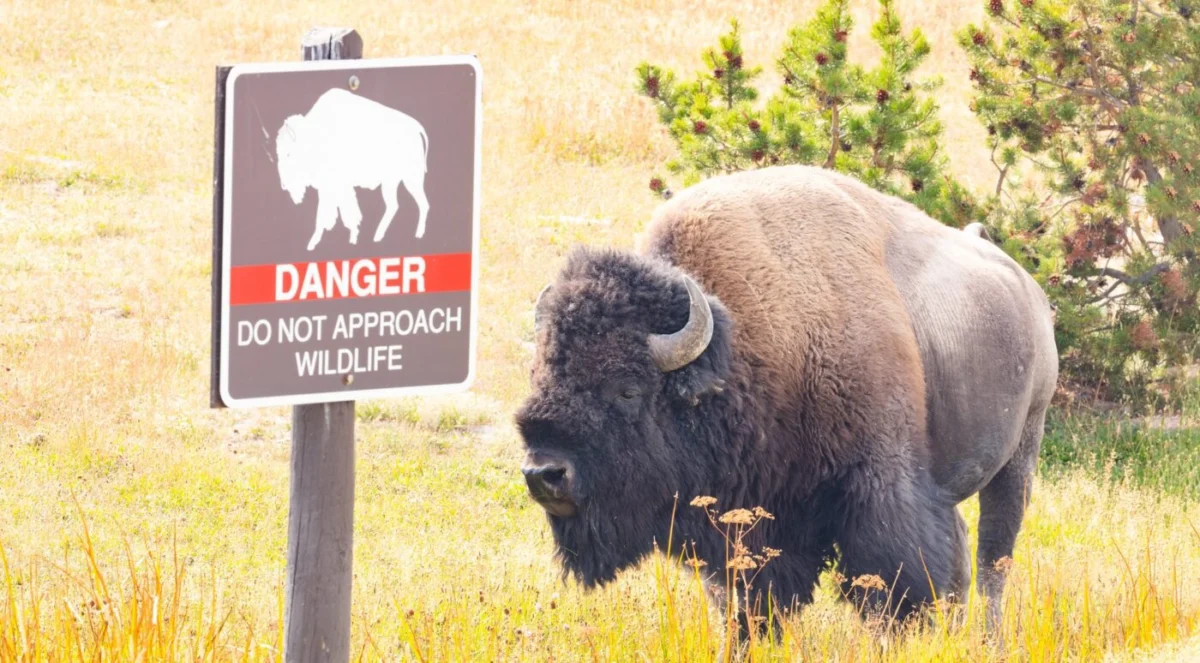
Recent statistical analysis of mortality rates within Yellowstone National Park has identified July as the most hazardous month for visitors, accounting for nearly a quarter of all fatalities recorded in the park over the last 17 years. According to a comprehensive study conducted by the law firm Beck, Amsden and Stalpes, PLLC, the month of July is responsible for 24 percent of all deaths in the park since 2007, a figure that significantly outpaces any other month in the calendar year. This period of heightened risk coincides with peak tourism season, during which millions of visitors navigate the park’s vast wilderness, geothermal features, and narrow roadways.
The data reveals a stark contrast between the summer months and the remainder of the year. While July remains the deadliest period, the study found that March is the only month since 2007 in which no deaths have been recorded within the park’s boundaries. This discrepancy highlights the direct correlation between high visitor volume and the frequency of fatal incidents. Over the past two decades, Yellowstone has been the site of 75 recorded deaths, providing a data set that allows researchers to identify specific demographic trends and environmental factors that contribute to these tragedies.
Demographic Trends and Statistical Risk Factors
The analysis of Yellowstone’s fatalities provides a clear profile of the individuals most at risk within the park. One of the most prominent findings is the gender disparity in mortality rates; men account for 77 percent of all fatalities recorded since 2007. While the study does not explicitly state the cause of this disparity, it aligns with broader national trends regarding risk-taking behavior and outdoor recreation fatalities.
Age also serves as a critical indicator of risk. Visitors aged 65 and older represent more than 32 percent of the total deaths in the park. Even more significant is the role of age in medical-related fatalities, with the 65-plus demographic accounting for over 70 percent of all deaths attributed to natural or medical causes. This data suggests that the physical demands of navigating a high-altitude, geologically active environment may pose a disproportionate threat to older populations, particularly during the extreme heat of mid-summer.
The Role of Medical Emergencies and Remote Geography
Contrary to popular perception, which often focuses on the dangers of wildlife encounters or geothermal burns, medical emergencies are the single leading cause of death in Yellowstone National Park. These incidents, which include heart attacks, strokes, and respiratory failures, narrowly edge out motor vehicle accidents as the primary threat to visitor safety.
The park’s remote geography significantly exacerbates the danger of medical episodes. Yellowstone spans approximately 2.2 million acres across the states of Wyoming, Montana, and Idaho. Many of its most popular attractions are located hours away from advanced medical facilities. While the National Park Service (NPS) maintains emergency medical services and ranger stations throughout the park, the "golden hour"—the critical period following a traumatic injury or medical event during which treatment is most effective—is often lost due to the sheer distance and rugged terrain. For a visitor suffering a cardiac event on a remote trail or a crowded boardwalk, the time required for evacuation to a hospital in Bozeman, Montana, or Cody, Wyoming, can prove fatal.
Motor Vehicle Accidents: The Primary Recreational Hazard
While medical issues lead the statistics, driving remains the deadliest recreational activity within the park. Motor vehicle crashes are responsible for over 45 percent of deaths categorized as recreational. This finding challenges the common tourist anxiety regarding grizzly bears or wolves; statistically, the drive to a trailhead is far more dangerous than the hike itself.
The danger of driving in Yellowstone is amplified in July due to extreme traffic congestion. With over four million visitors annually, the majority of whom arrive in June, July, and August, the park’s two-lane roads often reach capacity. Several factors contribute to the high rate of accidents:
- Distracted Driving: Visitors frequently take their eyes off the road to view wildlife or landscapes, leading to rear-end collisions or vehicles drifting off the shoulder.
- Wildlife Obstructions: The phenomenon known as "bison jams" occurs when animals block the roadway, leading to unpredictable traffic patterns and frustrated drivers.
- Infrastructure Limitations: Many park roads are narrow, winding, and lack significant shoulders, leaving little room for error.
- Fatigue and Dehydration: Long driving distances between park features, combined with the summer heat, can impair driver reaction times.
Environmental Extremes: Heat, Altitude, and Water
The month of July presents a "perfect storm" of environmental hazards. It is typically the hottest month of the year in the region, with temperatures in the lower elevations often exceeding 80 or 90 degrees Fahrenheit. When combined with the park’s high average elevation—much of the park sits between 7,000 and 8,000 feet above sea level—the physical toll on the human body is substantial.
High altitude increases the risk of dehydration and places additional strain on the cardiovascular system. Visitors arriving from sea-level environments may not realize that their bodies are working harder to oxygenate blood, making even moderate physical exertion dangerous. In July, hikers often overextend themselves in the midday sun, leading to heat exhaustion or triggering underlying medical conditions.
Furthermore, the heat of July draws more visitors to the park’s bodies of water. Yellowstone Lake, the Lewis River, and various other tributaries see their highest levels of swimming, boating, and fishing activity during this month. This surge in aquatic recreation corresponds with drowning being one of the leading causes of death overall. Despite the air temperature, many of Yellowstone’s waters remain dangerously cold year-round, which can lead to cold-water shock and immediate physical incapacitation for swimmers.
Chronology of Safety Management and Park Response
The history of safety management in Yellowstone is a narrative of evolving public education. In the early to mid-20th century, fatalities were often the result of closer proximity to wildlife (such as feeding bears from cars) and lack of infrastructure around thermal features. Over the decades, the NPS has implemented rigorous safety protocols, including:
- The Construction of Boardwalks: To keep visitors away from fragile and boiling geothermal crusts.
- The "Yellowstone Pledge": A public awareness campaign encouraging visitors to stay on designated paths and maintain legal distances from wildlife (100 yards for bears/wolves, 25 yards for other animals).
- Enhanced Signage: Multilingual warnings placed at high-risk areas to alert visitors to the dangers of boiling water and unstable terrain.
Despite these efforts, the sheer volume of visitors in July continues to test the park’s resources. Search and Rescue (SAR) teams are most active during this window, often performing multiple extractions per week. Park officials have frequently noted that while the environment is inherently dangerous, the vast majority of incidents are preventable through the exercise of caution and adherence to posted regulations.
Broader Implications for National Park Tourism
The findings of the July mortality study have broader implications for the management of American national parks. As "nature tourism" continues to grow in popularity, many parks are facing "overtourism" during peak summer months. The concentration of fatalities in July suggests that the current infrastructure may be struggling to accommodate the seasonal influx safely.
There is an ongoing debate among park planners regarding the implementation of reservation systems to cap daily visitors, similar to the systems used at Zion or Rocky Mountain National Park. Reducing the density of vehicles on the road and people on the trails could theoretically lower the mortality rate by reducing traffic accidents and ensuring that emergency services are not delayed by gridlock.
Furthermore, the data underscores the need for targeted safety messaging for the 65-plus demographic. As the "Baby Boomer" generation continues to travel in high numbers, national parks may need to increase the availability of automated external defibrillators (AEDs) at popular overlooks and provide more explicit warnings about the effects of altitude on heart health.
Conclusion and Safety Recommendations
The statistical prominence of July as the deadliest month in Yellowstone National Park is a reflection of a convergence of factors: peak visitation, environmental extremes, and a demographic shift toward older travelers. While the park is a site of unparalleled natural beauty, it remains a wild and unforgiving environment.
For those planning to visit during the remainder of the summer season, safety experts and park rangers emphasize several key precautions. Maintaining hydration is essential to combat the effects of altitude and heat. Drivers are urged to use designated pullouts for wildlife viewing to avoid obstructing traffic. Perhaps most importantly, visitors must recognize their own physical limitations, particularly when hiking in high-altitude terrain. By understanding that the primary threats in Yellowstone are not the exotic predators, but rather the common risks of driving and physical overexertion, tourists can better navigate the park without becoming part of the July statistics.