Indra Aziz
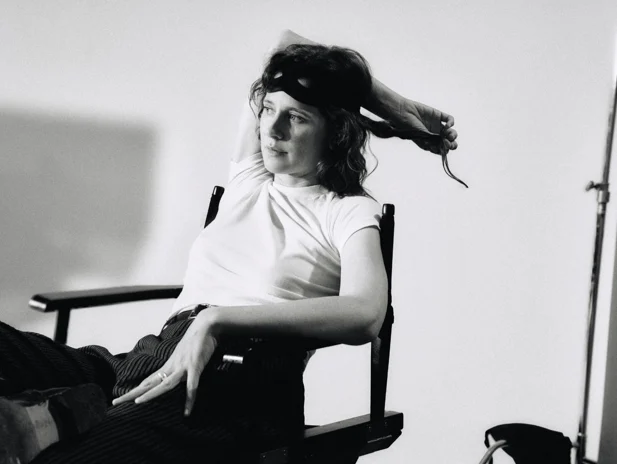
Toronto-based experimental pop artist Kat Duma has officially released her latest 7-track project, "Lullaby," a meticulously crafted sonic journey that expands upon the nebulous sound design and evocative world-building that have become hallmarks of her artistic output since her emergence in 2020. The project, produced in collaboration with Alex Tanas, represents a significant evolution in Duma’s sound, while steadfastly remaining anchored in her signature lo-fi aesthetic and her exploration of liminal spaces. "Lullaby" navigates themes of dream states, memory, repetition, and the subtle distortions of perception, unfolding as a nocturnal voyage where moments of lucidity fleetingly emerge before dissolving back into abstraction.
The release of "Lullaby" follows a period of intense creative focus for Duma. Her prior work, including her debut album in 2020, garnered critical attention for its innovative approach to electronic pop, often characterized by its atmospheric textures and introspective lyrical content. This latest project, however, signifies a deeper dive into the artist’s core inspirations, as she recently shared with CLASH magazine during an interview for their "Foundations" series. In this feature, Duma detailed the albums that have served as crucial sources of renewal and creative stimulus throughout her career, forming the very bedrock of her musical identity.
The Genesis of "Lullaby"
The creation of "Lullaby" was a deliberate process, building upon the foundational elements of Duma’s established sound. The collaboration with producer Alex Tanas was instrumental in refining and expanding these sonic territories. Tanas, known for his work with artists who push the boundaries of electronic music, brought a keen ear for detail and a shared appreciation for atmospheric depth. Together, they focused on crafting an auditory experience that mirrors the project’s thematic concerns. The result is an EP that feels both intimate and expansive, drawing listeners into a world where the boundaries between reality and dream are artfully blurred.
The project’s title, "Lullaby," itself suggests a duality – a comforting, soothing entity that can also evoke a sense of unease or the uncanny, particularly when divorced from its traditional context. This inherent tension is a recurring motif within Duma’s work, and "Lullaby" sees her exploring it with newfound nuance. The tracks often feature understated melodies that are gradually enveloped by layers of synthesized textures, field recordings, and subtle vocal manipulations. This approach creates a sense of immersive depth, inviting listeners to engage with the music on a visceral level.
Foundations: Kat Duma’s Musical Bedrock
In her conversation with CLASH, Kat Duma articulated the profound influence of several key albums on her artistic development. These selections offer a window into the diverse sonic palette and thematic preoccupations that inform her own creative output.
Madonna – "Bedtime Stories"
Madonna’s 1994 album, "Bedtime Stories," holds a particularly significant place in Duma’s personal and artistic history. She recalls it as the first CD she ever "owned," though she humorously admits this involved pilfering it from her parents. The album’s cover art was an initial point of attraction, but it was the music itself that cemented its status as a touchstone. For Duma, "Bedtime Stories" evokes a powerful sense of comfort and nostalgia. She singles out tracks like "Secret" and "Forbidden Love" as enduring favorites, expressing a sentiment that borders on listing the entire tracklist due to her deep affection for the album. The profound impact of encountering this record at a young age has left an indelible imprint on her musical consciousness.
"Bedtime Stories" marked a stylistic shift for Madonna, leaning into a more mature, introspective, and R&B-influenced sound, largely produced by Patrick Leonard and Shep Pettibone. The album’s thematic explorations of love, desire, and vulnerability, coupled with its sophisticated production, resonated with a generation of listeners and continues to be cited as a key work in Madonna’s discography. Its influence can be seen in artists who explore similar emotional landscapes with a blend of pop sensibility and experimental undertones, a lineage that Duma’s own work arguably continues.
Smerz – "Have fun"
The Danish electronic duo Smerz’s 2017 EP, "Have fun," is described by Duma as an "instant classic." She praises its sophisticated use of negative space, its clipped and crunchy drum programming, its softly dissonant harmonies, and its textural ad-libs. The subtle key shifts within the tracks are also a point of admiration, contributing to an overall sense of sonic intrigue. Duma’s unequivocal assessment of "Have fun" is a perfect "10/10," underscoring its significant impact on her appreciation for minimalist yet richly textured electronic music.
Smerz, composed of Henriette Motzfeldt and Catharina Vallevik, are known for their distinctive approach to avant-garde pop. Their music often features ethereal vocals, intricate electronic arrangements, and a deliberate sparseness that creates a potent emotional resonance. "Have fun" exemplifies their ability to craft compelling soundscapes that are both challenging and deeply engaging, influencing a wave of artists interested in the more abstract and experimental corners of electronic music.

Enya – "Shepherd Moon"
Duma’s admiration for Enya is, as she notes, "no surprise." Enya’s unique approach to arrangement and harmony is a significant source of inspiration. Duma highlights how Enya’s voice consistently melds seamlessly with the instrumentation, creating a signature sound that has proven remarkably influential. A particularly striking aspect for Duma is Enya’s ability to imbue major-key compositions with a profound sense of tenderness and melancholy, a delicate balance that Duma herself often explores in her own compositions. While the original article mentions "Shepherd Moon," it is important to note that Enya’s iconic album is titled "Shepherd Moons," released in 1997. This specific album, and indeed her broader discography, is renowned for its layered vocals, synthesized orchestrations, and atmospheric soundscapes that evoke a sense of otherworldly peace and introspection.
Enya’s pioneering work in New Age and ambient music, characterized by its extensive use of multitracked vocals and synthesizers to create a choir-like effect, has had a pervasive influence on various genres. Her sound is instantly recognizable and has been emulated by countless artists seeking to achieve a similar sense of ethereal beauty and sonic immersion. Duma’s appreciation for this meticulous sonic architecture speaks to her own dedication to crafting rich and immersive listening experiences.
The Durutti Column – "The Return of the Durutti Column"
The Durutti Column’s 1979 debut album, "The Return of the Durutti Column," evokes a vivid sensory experience for Kat Duma. She describes the album as encapsulating the feeling of a warm summer night, a specific moment of peaceful detachment from societal pressures. The imagery she conjures – walking at night, observing the reflections of fluorescent lights on wet pavement, and the ephemeral beauty of oil slicks creating rainbow patterns – speaks to the album’s ability to transport the listener to a contemplative and serene state. This particular album is also notable for its innovative use of guitar effects and its minimalist, often instrumental, approach to composition, which was groundbreaking for its time.
The Durutti Column, primarily the work of guitarist Vini Reilly, emerged from the post-punk scene but quickly developed a distinctive sound that transcended genre boundaries. Their music is often characterized by intricate, melodic guitar work, atmospheric textures, and a sense of melancholic beauty. "The Return of the Durutti Column," with its experimental approach and its capacity to evoke strong emotional and visual responses, has become a cult classic, influencing a generation of artists who appreciate instrumental music that is both intellectually stimulating and emotionally resonant.
Elias Rahbani – "Les plus beaux jours de ma vie"
Elias Rahbani’s "Les plus beaux jours de ma vie" serves as a direct blueprint for Duma’s desired sonic aesthetic. She finds profound beauty in the organ playing on the album, particularly the "nasal, melodica-like tone" that she describes as piercingly comforting. The synth sound on the track "La boite," likened to a "thin, helium-filled bagpipe," is another element that captivates her. The lush and expansive string arrangements are also a key feature, contributing to the album’s overall immersive quality. For Duma, this record possesses a powerful ability to transport her to a specific place – by the sea – regardless of her physical location.
Elias Rahbani was a prominent Lebanese composer, conductor, and musician, known for his prolific output across various genres, including pop, jazz, and film scores. His work often blended Western and Eastern musical influences, creating a rich and distinctive sound. "Les plus beaux jours de ma vie" is a testament to his compositional prowess, showcasing his ability to craft deeply evocative and emotionally resonant music. The album’s sophisticated arrangements and its blend of instrumental textures create a timeless quality that continues to appeal to listeners seeking a transportive and beautiful sonic experience.
Broader Impact and Implications
The release of "Lullaby" by Kat Duma arrives at a time when listeners are increasingly seeking music that offers solace, introspection, and a departure from the everyday. Her ability to weave together disparate influences into a cohesive and compelling artistic statement positions her as a significant voice in contemporary experimental pop. The project’s emphasis on atmospheric depth and emotional resonance aligns with broader trends in music consumption, where listeners are often drawn to music that provides an immersive and personal experience.
Duma’s commitment to exploring liminal spaces and the nuances of perception through her music offers a unique perspective. As artists continue to push the boundaries of genre and sound design, "Lullaby" stands as a testament to the power of experimentalism when grounded in strong artistic vision and genuine emotional depth. The project’s reception will likely further solidify her reputation as an artist capable of crafting enduring works that resonate with listeners on a profound level, inviting them into worlds that are both familiar and entirely new. The "Foundations" series, which highlighted the influential albums behind her latest work, underscores the interconnectedness of musical creation and the enduring legacy of artistic expression.
The project "Lullaby" is now available for listening. The accompanying visual materials, including the official video for "Mirrored Water," further enhance the immersive quality of Duma’s artistic world. Photo credit for the feature goes to Kirk Lisaj.