Kholidah
The South Korean entertainment industry, renowned for its stringent standards of celebrity conduct and public accountability, is currently navigating a wave of domestic criticism following the high-profile return of actor Kim Soo Hyun. After a hiatus exceeding twelve months, the actor officially signaled the resumption of his professional activities through a series of promotional updates for the Philippine-based global clothing brand, Bench. While the actor’s international fanbase largely welcomed the news, the domestic reception in South Korea has been markedly different, with significant portions of the online community expressing dissatisfaction over the timing and nature of his return.
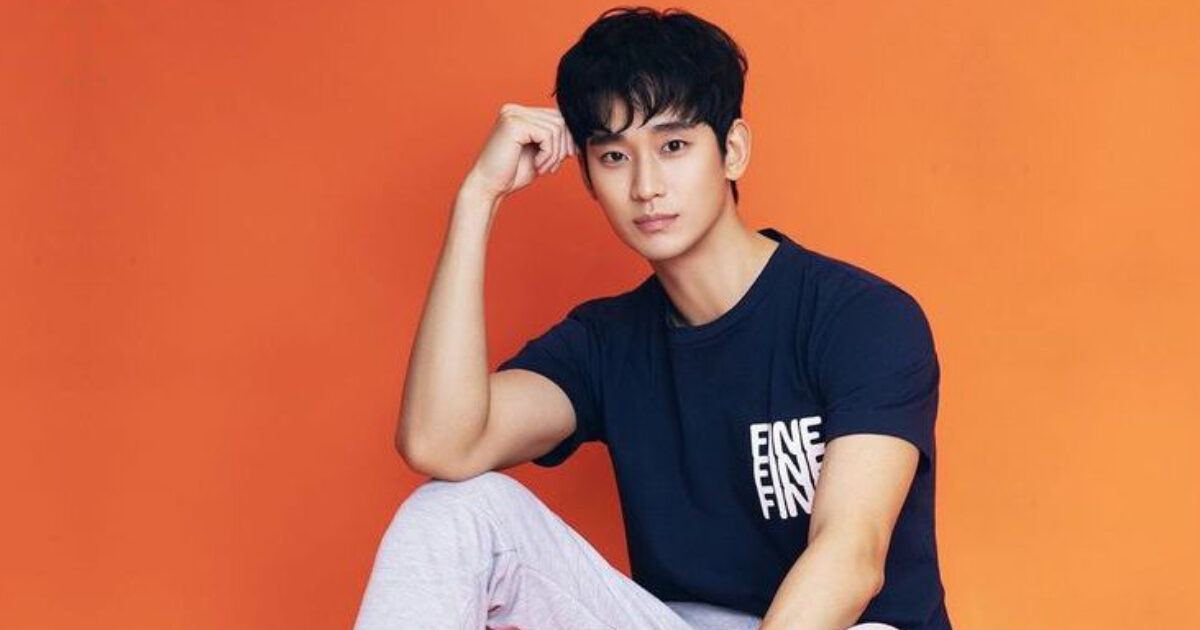
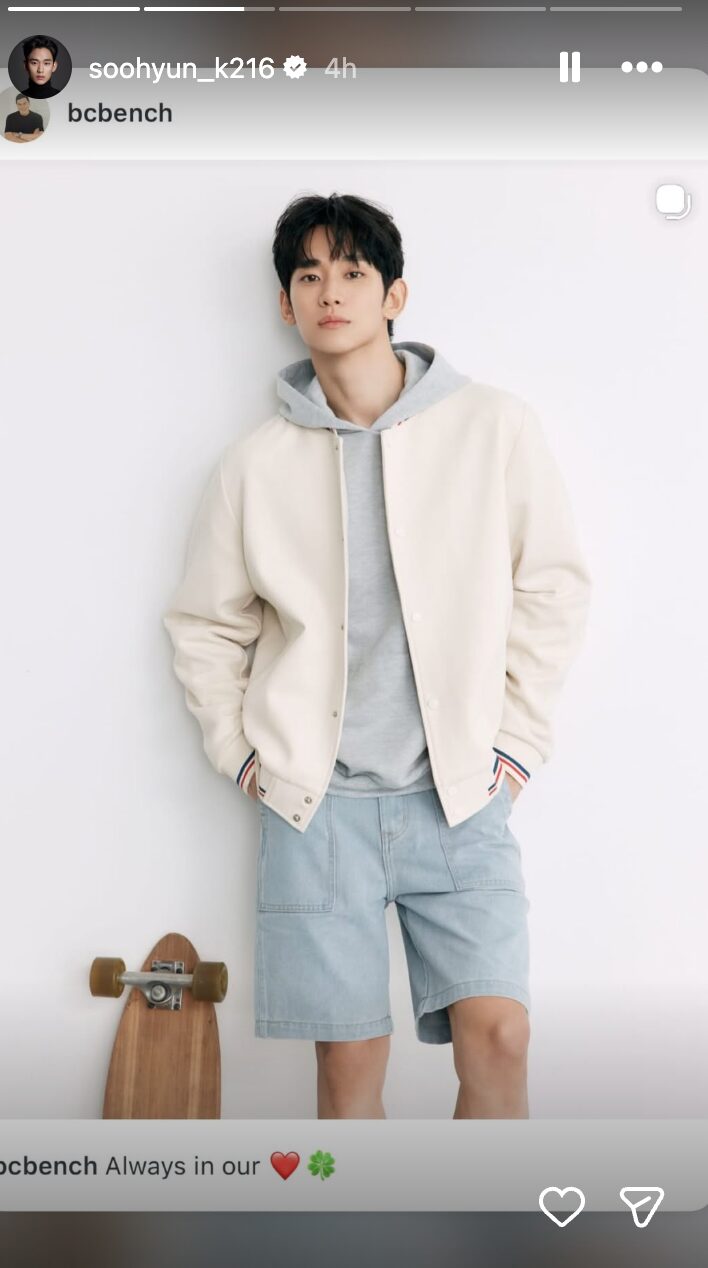
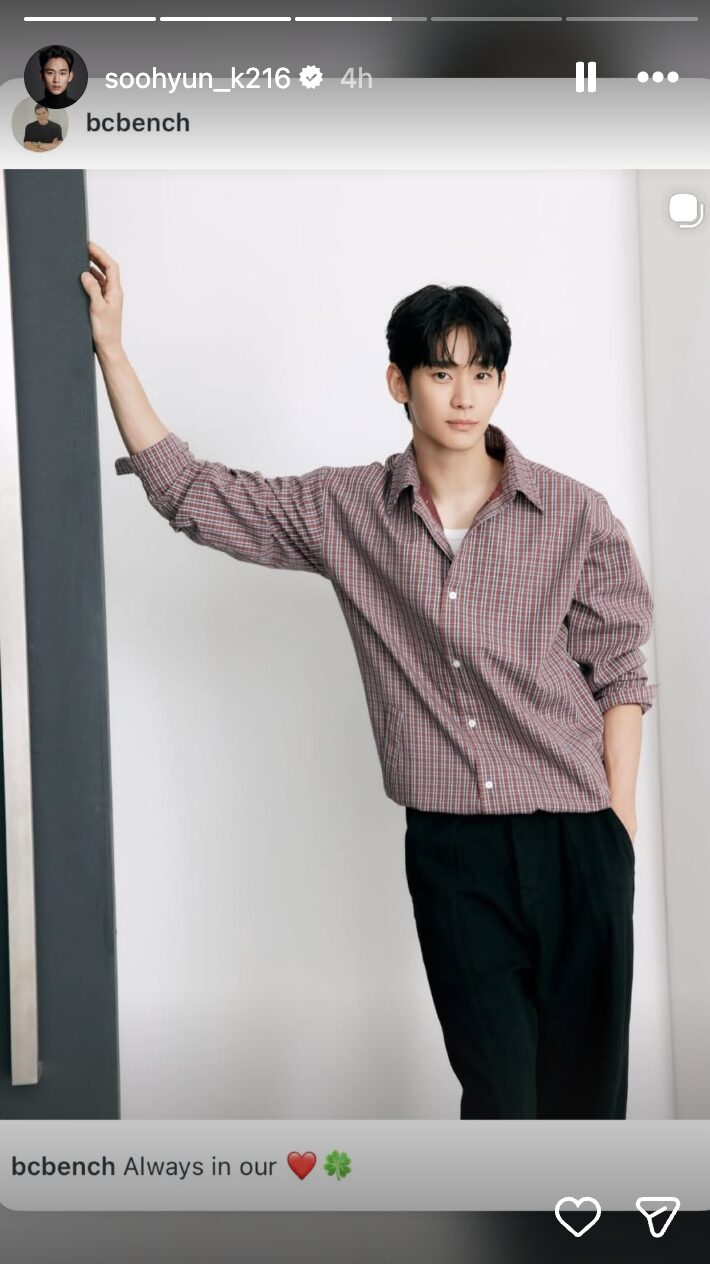
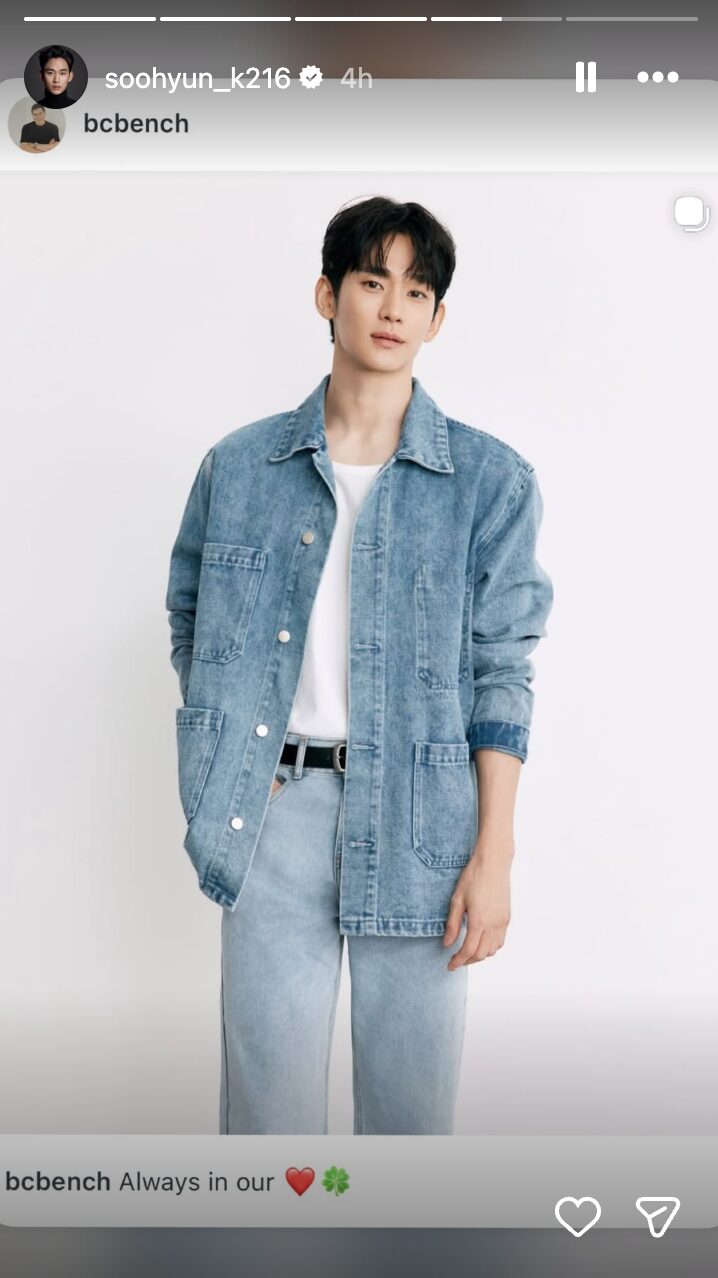
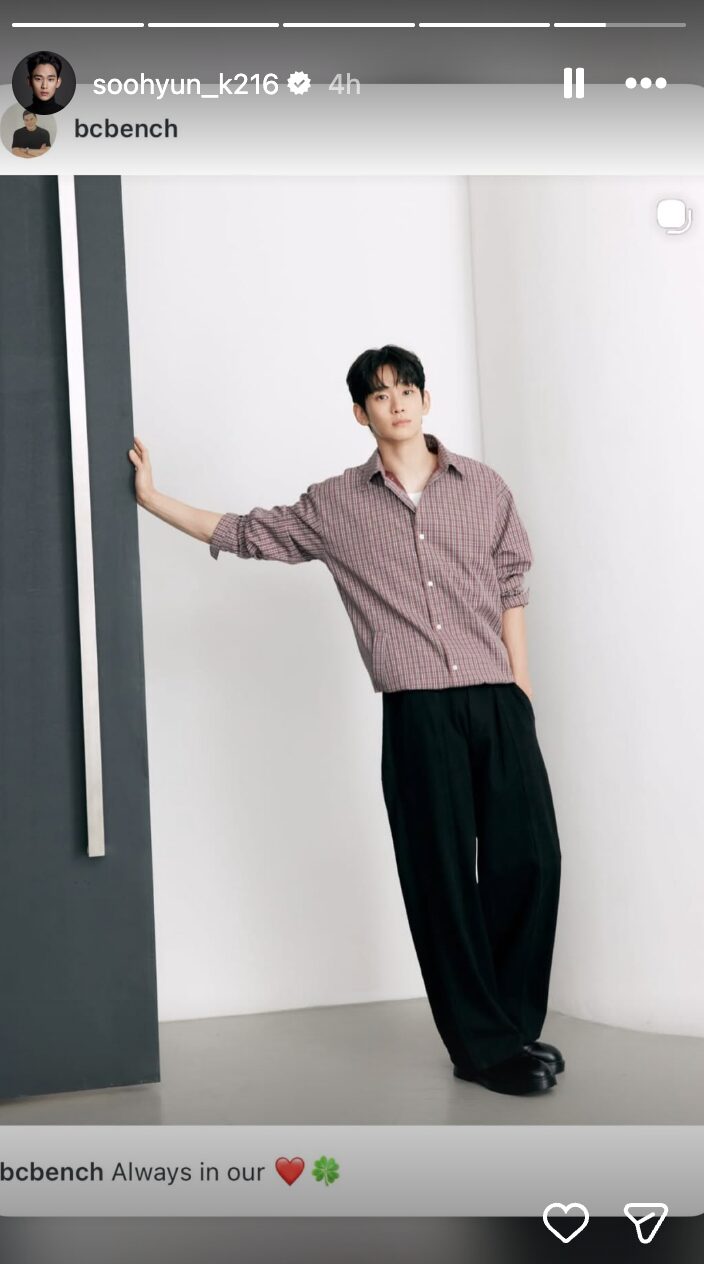
The controversy began in earnest on July 15, 2026, when Kim Soo Hyun updated his Instagram stories with behind-the-scenes photographs from a recent campaign shoot. These images, which showcased the actor in a variety of casual and high-fashion ensembles for Bench, were intended to mark his first major commercial engagement since stepping away from the limelight. However, instead of the typical celebratory response that accompanies the return of a "Hallyu" (Korean Wave) titan, the update triggered a polarized debate across various South Korean online forums, most notably on the popular community site Instiz.
The Bench Campaign and the Strategy of International Reentry
Kim Soo Hyun’s choice of an international brand for his comeback project is viewed by industry analysts as a strategic move often employed by top-tier South Korean stars seeking a "soft" reentry into the public eye. Bench, a dominant force in the Philippine retail sector, has a long-standing history of collaborating with South Korean celebrities, including actors like Park Seo-joon, Ji Chang-wook, and Hyun Bin. By aligning with a brand outside of the immediate South Korean domestic market, celebrities can often gauge public sentiment while fulfilling lucrative contractual obligations that maintain their global brand value.

The campaign in question featured Kim Soo Hyun in a series of minimalist, modern aesthetics designed to appeal to a broad Southeast Asian demographic. The actor, who remains one of the highest-paid performers in the South Korean television industry, had been absent from both the small screen and commercial endorsements for over a year. His last major project, the critically acclaimed and commercially successful drama Queen of Tears, had further solidified his status as a global icon, making his subsequent withdrawal from the industry all the more conspicuous to fans and critics alike.
Chronology of the Hiatus and Public Sentiment
To understand the current backlash, it is essential to examine the timeline leading up to this month’s events. Kim Soo Hyun’s hiatus began in mid-2025, following a period of intense media scrutiny and unspecified internal deliberations. While the actor’s agency, Goldmedalist, did not issue a detailed manifesto regarding the reasons for his break, the period was widely characterized by the domestic media as a "reflection period"—a cultural phenomenon in the South Korean entertainment industry where stars withdraw from public life to allow controversies to subside or to focus on personal growth.

In early July 2026, Bench officially announced Kim Soo Hyun as their latest global ambassador, releasing a teaser video that quickly garnered millions of views. The announcement was the first definitive sign that the actor’s hiatus had concluded. Following this, on July 15, Kim Soo Hyun’s direct engagement with his social media followers via Instagram stories served as the catalyst for the current wave of netizen backlash.
The criticism voiced on platforms like Instiz and various social media aggregates centers on the perception that the actor’s return is premature. In the South Korean context, the "reflection period" is often treated with a degree of solemnity by the public. When a celebrity resumes activities—particularly through stylized, "glossy" commercial content—without what the public deems a sufficient period of absence or a clear communicative bridge, it can lead to accusations of prioritizing commercial gain over public sentiment.
Data Analysis: The Economic Impact of Hallyu Endorsements
The backlash against Kim Soo Hyun occurs against a backdrop of significant economic stakes. South Korean actors are currently the most sought-after brand ambassadors in the Asia-Pacific region. According to market research data from 2025, the "Hallyu Effect" can increase brand awareness for Southeast Asian retailers by as much as 400% within the first quarter of a partnership.
For a brand like Bench, securing a star of Kim Soo Hyun’s caliber is a multi-million dollar investment intended to capture the "K-drama fan" demographic, which spans multiple age groups and socio-economic tiers. However, the domestic backlash in South Korea presents a unique challenge. While the actor’s primary market for this specific campaign is the Philippines and the wider international community, the negative sentiment at home can affect his "brand reputation index"—a monthly metric used by South Korean corporations to determine the viability of celebrities for domestic endorsements.
The Role of Social Media in Celebrity Crisis Management
The specific use of Instagram stories for this update has also been a point of contention. Unlike a permanent post, stories disappear after 24 hours, a feature often used by celebrities to share more casual or fleeting moments. Some netizens argued that using such a format for a comeback was "dismissive" or "too casual," given the weight of his year-long absence.
Conversely, PR experts suggest that the use of stories was likely an attempt to minimize the "footprint" of the return, allowing the actor to test the waters without the permanence of a main-feed post. "In the current climate of South Korean celebrity culture, every digital interaction is dissected for its underlying tone," noted a Seoul-based entertainment consultant. "The backlash against Kim Soo Hyun suggests that for a segment of the domestic audience, no amount of time is sufficient if the return feels purely transactional."
Official Responses and Industry Implications
As of the time of reporting, Goldmedalist has not issued a formal rebuttal to the online criticism. This "silence as a shield" strategy is common among major South Korean talent agencies, who often wait for the initial wave of online discourse to plateau before proceeding with further project announcements.
The implications of this backlash for Kim Soo Hyun’s future projects remain to be seen. He is reportedly in talks for several high-budget television series slated for 2027 production. The success of these negotiations may depend on how his team manages the current disconnect between his international popularity and domestic public opinion.
The situation also highlights a growing divide in the Hallyu ecosystem. While international fans—largely based in the United States, Europe, and Southeast Asia—often view celebrity hiatuses and returns through a lens of individual career management, the South Korean domestic audience often views them through a lens of social contract and collective morality. This divergence creates a complex environment for actors who must balance global commercial appeal with the need to maintain a "clean" and respectful image at home.
Broader Impact on the Entertainment Landscape
The backlash against Kim Soo Hyun is not an isolated incident but part of a broader trend where the "return" of a celebrity becomes a more scrutinized event than the initial departure. In recent years, several high-profile actors and idols have faced similar hurdles, where the resumption of activities was met with a "cold" reception from the domestic public, regardless of their international success.
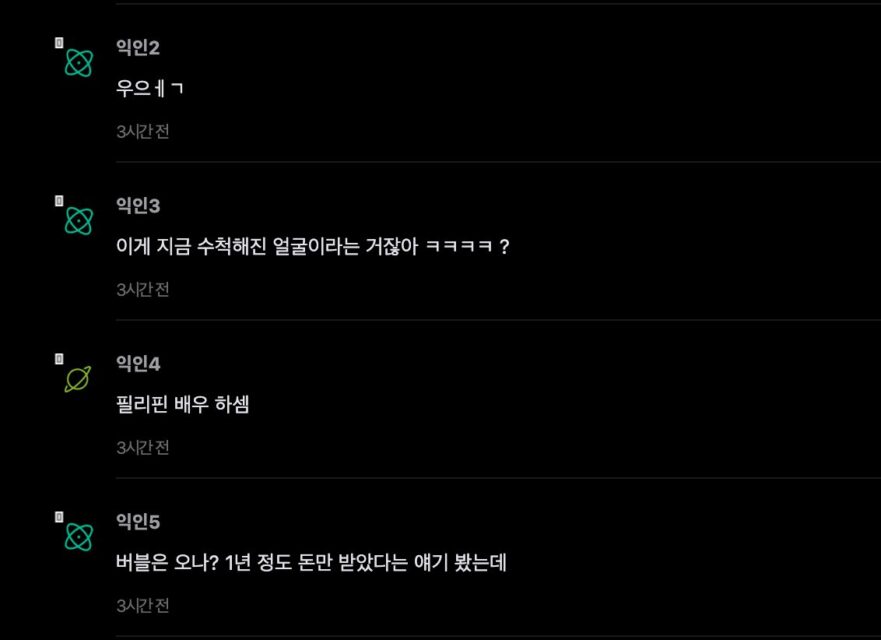
This phenomenon underscores the power of the "K-netizen" (Korean netizen) in shaping the trajectory of a celebrity’s career. While international brands like Bench provide a lucrative revenue stream and a platform for global visibility, the "home base" remains the ultimate validator of a South Korean star’s longevity. If the backlash persists, it could lead to a more cautious approach from domestic broadcasters and brands, who are historically risk-averse when it comes to celebrities currently mired in public debate.
In conclusion, Kim Soo Hyun’s return to the industry via the Bench campaign has exposed the delicate equilibrium that top-tier Hallyu stars must maintain. While his visual presence remains as compelling as ever, and his international marketability remains unchallenged, the actor now faces the task of rebuilding rapport with a domestic audience that remains skeptical of his reentry. The coming months will be a critical period for Kim Soo Hyun and his management as they navigate the transition from international commercial success back to domestic cultural acceptance.