Kholidah
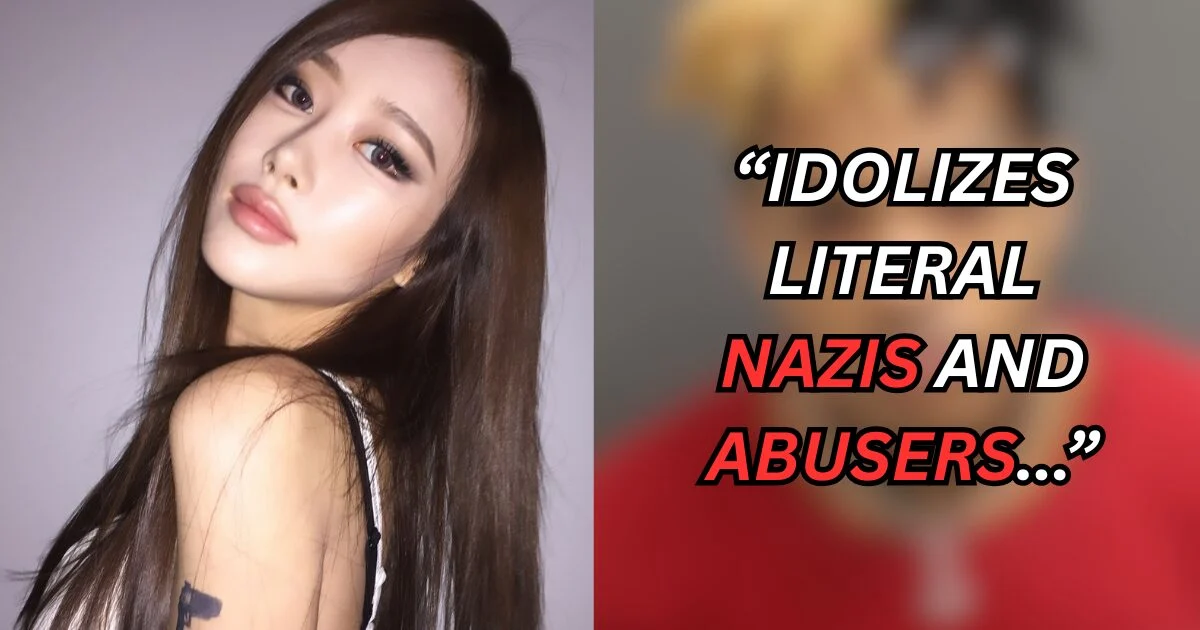
A South Korean content creator known as Potato Turtle has issued a comprehensive public apology following a wave of criticism regarding her recent behavior toward BLACKPINK member Jennie. The controversy erupted after the YouTuber documented her attempts to contact the global superstar at her private agency and during a concert venue, actions that many fans and industry observers categorized as intrusive and reminiscent of "sasaeng" behavior—a term used in South Korean culture to describe obsessive fans who invade the private lives of idols.
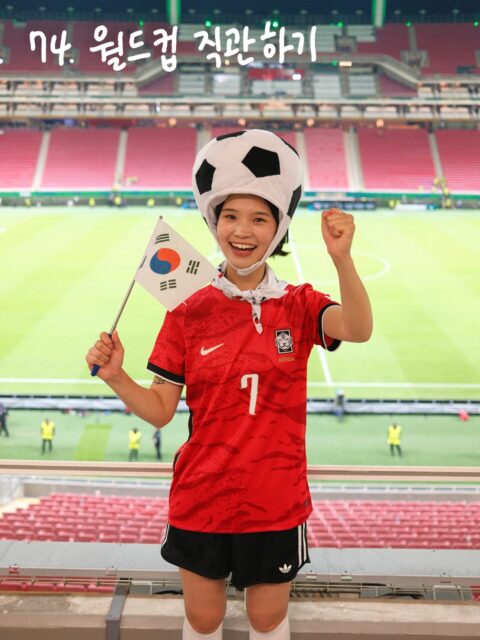
The incident began when Potato Turtle uploaded a video as part of her ongoing "100 Bucket List Challenges" series. One of the items on her list was "having a cup of coffee with Jennie." To achieve this, the YouTuber filmed herself visiting the headquarters of OA Entertainment (Odd Atelier), the independent label established by Jennie for her solo activities. In the video, Potato Turtle was seen ringing the doorbell of the agency and attempting to deliver flowers and a letter directly to the staff or the artist herself. Furthermore, she attended a recent concert where she held up a large sign that read, "Jennie unnie, want to have a cup of coffee?"
While the YouTuber initially framed these actions as a lighthearted pursuit of a dream, the reaction from the BLINK (BLACKPINK’s official fandom) community was swift and overwhelmingly negative. Critics argued that showing up unannounced at a private business office and attempting to force a personal meeting crosses professional and personal boundaries. The backlash intensified to the point where the YouTuber made the controversial video, titled "Having a cup of coffee with Jennie," private and issued a formal statement on November 14 to address the situation.
The Chronology of the Controversy
The timeline of the event highlights the rapid escalation from a content-creation stunt to a significant discussion on fan ethics. Potato Turtle’s "100 Bucket List" project was designed to showcase her journey through various experiences, ranging from travel to personal milestones. However, the inclusion of a K-pop idol in a manner that required physical proximity caused immediate concern.

On the day the video was released, it quickly gained traction on social media platforms and K-pop community forums. Within hours, comments sections were flooded with warnings that her behavior mirrored stalking. Fans pointed out that OA Entertainment is a workplace, not a public meet-and-greet location. By the following day, the YouTuber had removed the video and drafted her apology, acknowledging that she had read every comment and felt a deep sense of regret for her "thoughtless actions."
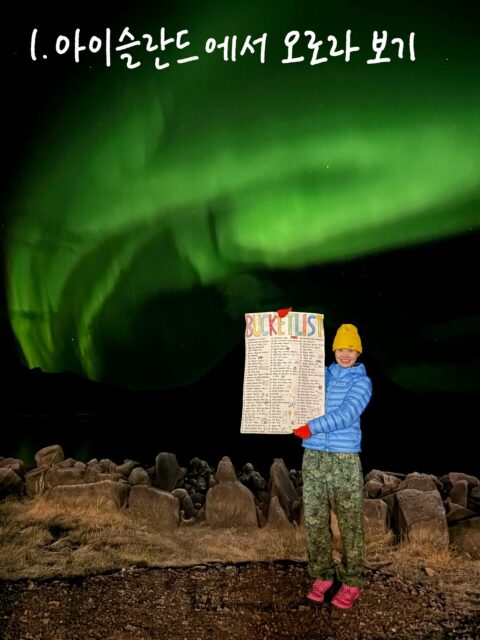
In her statement, Potato Turtle explained the logic behind her challenge, stating that she wanted to attempt something that seemed "realistically difficult" or even "impossible." She compared the goal of meeting Jennie to other items on her list, such as seeing the Northern Lights in Iceland. "I wanted to knock on doors and find my own way," she wrote, suggesting that her intent was to demonstrate perseverance rather than malice.
Analysis of the YouTuber’s Defense and Fan Reaction
Potato Turtle’s apology touched upon a significant cultural divide in content creation styles. She admitted to being influenced by "overseas content," where creators often film "shout-out" videos or bold attempts to meet celebrities in public spaces. In many Western entertainment contexts, these stunts are often viewed as harmless pranks or high-effort fan tributes. However, the K-pop industry operates under a different set of social and security protocols.
The YouTuber admitted to a fundamental misunderstanding of "idol fan culture." In South Korea, the safety and privacy of idols are paramount due to a long history of extreme fan interference. By "abruptly showing up" at the agency, she inadvertently triggered the collective trauma of a fandom that has seen artists harassed at their homes and offices for decades.
The backlash also focused on the concert sign. While signs are a staple of concert culture, the specific request—asking for a private meeting (coffee)—was viewed as an attempt to bypass the professional distance maintained between a performer and an audience of thousands. Potato Turtle addressed this in her apology, noting that as a first-time concertgoer, she lacked an understanding of "concert etiquette" and the potential for such actions to make the artist or other fans uncomfortable.
The Context of OA Entertainment and Artist Autonomy
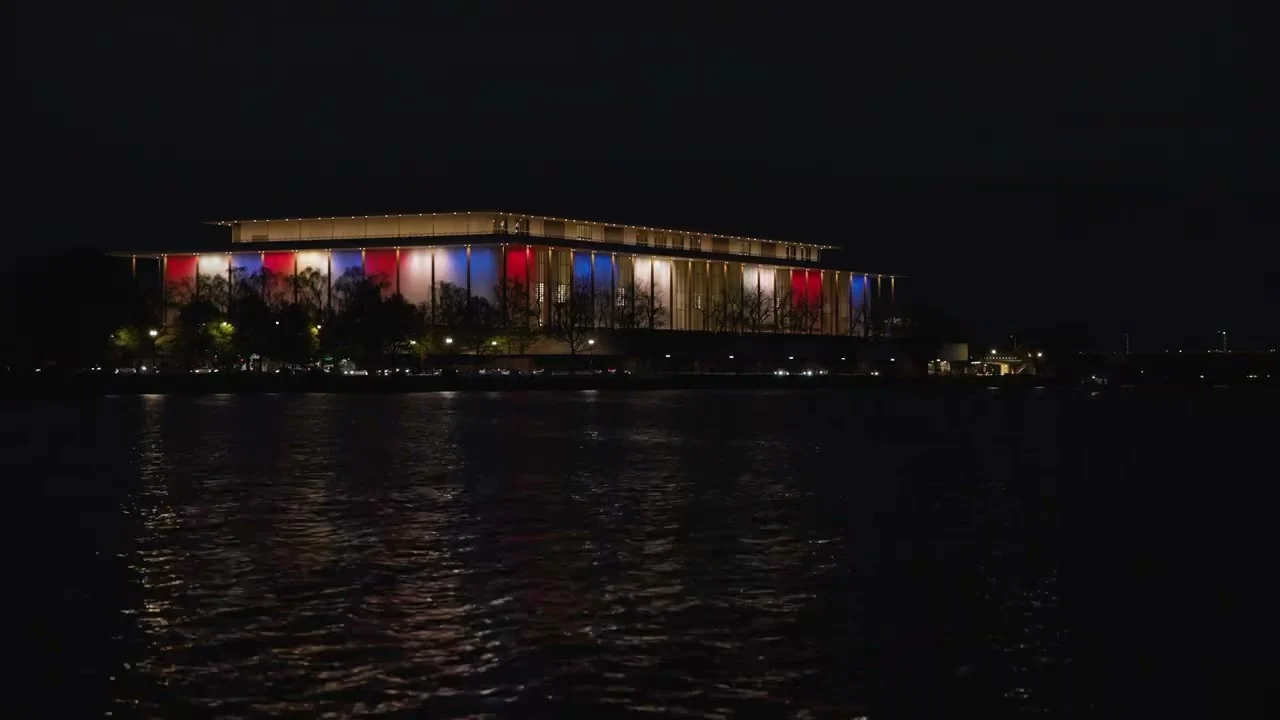
The setting of the incident adds another layer of complexity. Jennie founded OA Entertainment (Odd Atelier) in late 2023 to manage her solo career while remaining a member of BLACKPINK under YG Entertainment for group activities. As a newly established independent label, OA Entertainment represents Jennie’s push for creative and professional autonomy.
For fans, the agency’s office is seen as a sanctuary where the artist should feel safe to conduct business. Unlike major labels like YG, SM, or HYBE, which have massive security teams and gated entrances, smaller or newer independent labels often operate out of boutique offices that can be more vulnerable to unauthorized visitors. This vulnerability likely contributed to the intensity of the fans’ protective response. The act of ringing the doorbell of a private office to deliver personal gifts is widely considered a violation of the professional environment Jennie has worked to build.
Supporting Data: The Rise of Legal Action Against Stalking
The controversy involving Potato Turtle occurs at a time when South Korean entertainment agencies are increasingly taking a "zero tolerance" approach to privacy violations. According to industry reports from 2023 and 2024, the "Anti-Stalking Punishment Act" in South Korea has been cited more frequently by agencies seeking to protect their talent.
Major labels have begun publishing regular updates on legal proceedings against "sasaeng" fans. For instance, HYBE and SM Entertainment have recently disclosed that they are pursuing criminal charges against individuals who obtain private flight information or visit artists’ residences. While Potato Turtle’s actions were framed as a YouTube challenge, the legal definition of stalking in South Korea has expanded to include repeated unwanted contact or approaching a person’s place of work without a valid reason, if it causes anxiety or fear.
Data from the Korea Creative Content Agency (KOCCA) suggests that the mental health of artists is now a top priority for the industry. A 2022 survey indicated that a significant percentage of idols cited privacy invasion as a primary source of psychological stress. This data underscores why the public and fandoms react so strongly to any behavior that appears to normalize unauthorized contact with celebrities.
Official Responses and Industry Implications
While OA Entertainment has not issued a specific public statement regarding this individual incident, the agency has previously emphasized that it will take necessary measures to protect its artist’s privacy. The industry standard is shifting toward discouraging all forms of unofficial gifts and unannounced visits. Many agencies have moved to a "letter-only" policy or require all gifts to be sent through designated fan support channels.
The broader implication of this event serves as a warning to content creators who utilize K-pop idols for "clout" or "challenge" videos. The K-pop ecosystem is highly regulated by a social contract between the artist, the agency, and the fans. When a third party—in this case, a YouTuber—interrupts this dynamic for the purpose of generating views, the community often acts as a self-policing body.
Potato Turtle concluded her apology by promising to "act more carefully going forward" and to "adhere to concert etiquette." She expressed a sincere desire to learn from her mistakes, stating that she would no longer repeat such intrusive methods.
Conclusion: The Boundary Between Fan and Creator
The case of Potato Turtle and BLACKPINK’s Jennie highlights the evolving challenges of the digital age, where the quest for viral content often clashes with established social boundaries. As YouTubers continue to push the envelope with "bucket list" and "challenge" style videos, the ethical considerations of involving non-consenting public figures become increasingly critical.
For the K-pop industry, this incident reinforces the need for clear communication regarding artist safety and the education of new fans on the nuances of "sasaeng" behavior versus healthy support. As Jennie continues to expand her global footprint through OA Entertainment, the protection of her professional space remains a high priority for both her management and her millions of supporters worldwide. The resolution of this controversy through a public apology and the removal of the offending content marks a significant moment of accountability in the intersection of influencer culture and the music industry.